Jack in the Box Reports Q2 Sales Decline Amid Strategic Changes
Written by Emily J. Thompson, Senior Investment Analyst
Updated: 1 hour ago
0mins
Should l Buy JACK?
Source: seekingalpha
- Same-Store Sales Decline: Jack in the Box reported a 3.8% year-over-year decline in same-store sales for FQ2, with franchise same-store sales down 3.9%, significantly worse than the -2.5% consensus, indicating substantial sales pressure amid declining transaction volumes.
- Margin Compression: The restaurant-level margin fell by 320 basis points to 16.4%, below the 18.0% consensus, primarily due to reduced transactions, although partially offset by price increases, posing challenges to the company's profitability.
- Executive Changes: Jack in the Box appointed Mark King as executive chairman and interim CEO, succeeding Lance Tucker, in a strategic move to refresh leadership in response to shareholder pressure and improve operational results.
- Future Outlook: The company anticipates adjusted EBITDA of $225 million to $235 million for 2026, and despite current performance falling short of expectations, management remains optimistic about improving trends, reflecting confidence in the brand.
Trade with 70% Backtested Accuracy
Stop guessing "Should I Buy JACK?" and start using high-conviction signals backed by rigorous historical data.
Sign up today to access powerful investing tools and make smarter, data-driven decisions.
Analyst Views on JACK
Wall Street analysts forecast JACK stock price to rise
15 Analyst Rating
3 Buy
11 Hold
1 Sell
Hold
Current: 13.570

Low
15.00
Averages
19.35
High
25.00
Current: 13.570
Low
15.00
Averages
19.35
High
25.00
About JACK
Jack in the Box Inc. is a restaurant company. The Company operates and franchises Jack in the Box, a hamburger chain with approximately 2,135 restaurants across 21 states. Jack in the Box restaurants offer products, including classic burgers like its Jumbo Jack and product lines, such as the Buttery Jack and Smash Jack burgers. Jack offers products, such as breakfast sandwiches with cracked eggs, as well as tacos, curly fries, egg rolls, specialty sandwiches and real ice cream shakes, among many other items. Its menu offers breakfast, lunch, dinner, snacks, and late-night. Jack in the Box allows its guests to customize meals to their tastes and order any product on the menu when they want it, including breakfast at night, or burgers and chicken in the morning.
About the author

Emily J. Thompson
Emily J. Thompson, a Chartered Financial Analyst (CFA) with 12 years in investment research, graduated with honors from the Wharton School. Specializing in industrial and technology stocks, she provides in-depth analysis for Intellectia’s earnings and market brief reports.

Jack In The Box Set to Release Q2 Earnings on May 13

- Earnings Announcement: Jack In The Box (JACK) is set to announce its Q2 earnings on May 13 after market close, with consensus EPS estimate at $0.74 and revenue at $256.55 million, indicating investor focus on performance metrics.
- Historical Performance Review: Over the past two years, JACK has beaten EPS estimates 63% of the time but only 25% for revenue, reflecting volatility in the company's profitability and market expectations.
- Expectation Revisions: In the last three months, EPS estimates have seen 18 downward revisions with no upward adjustments, while revenue estimates experienced one upward revision and 13 downward, suggesting a decline in analyst confidence regarding future performance.
- Future Outlook: Despite challenges, Jack In The Box reaffirms its FY26 outlook, emphasizing debt reduction and value-driven promotions as key strategies to enhance market competitiveness and drive future growth.
See More

Jack In The Box Reports Q2 2026 Earnings Results
- Same Store Sales Decline: Jack In The Box reported a 3.8% decrease in same store sales for Q2, with franchise locations down 3.9% and company-owned stores down 2.8%, indicating a decline in transactions despite price increases, reflecting heightened market competition.
- Operational Efficiency Initiatives: The company is implementing the 'Jack on Track' plan aimed at enhancing operational efficiency and guest experience to boost shareholder value, although restaurant-level margins decreased to 16.4% due to commodity inflation and rising labor costs.
- Strategic Adjustments and Market Response: Jack In The Box has improved sales trends by balancing value and premium offerings, with expectations for flat same store sales moving forward, particularly anticipating Q4 to be the strongest quarter of the year, demonstrating the company's responsiveness to market dynamics.
- Financial Outlook and Debt Management: As of the end of Q2, total debt stood at $1.6 billion with a net debt to adjusted EBITDA ratio of 6.9 times, with plans to reduce debt through real estate sales and cash flow, reflecting a proactive approach to financial management.
See More
Jack in the Box Reports Q2 Sales Decline Amid Strategic Changes
- Same-Store Sales Decline: Jack in the Box reported a 3.8% year-over-year decline in same-store sales for FQ2, with franchise same-store sales down 3.9%, significantly worse than the -2.5% consensus, indicating substantial sales pressure amid declining transaction volumes.
- Margin Compression: The restaurant-level margin fell by 320 basis points to 16.4%, below the 18.0% consensus, primarily due to reduced transactions, although partially offset by price increases, posing challenges to the company's profitability.
- Executive Changes: Jack in the Box appointed Mark King as executive chairman and interim CEO, succeeding Lance Tucker, in a strategic move to refresh leadership in response to shareholder pressure and improve operational results.
- Future Outlook: The company anticipates adjusted EBITDA of $225 million to $235 million for 2026, and despite current performance falling short of expectations, management remains optimistic about improving trends, reflecting confidence in the brand.
See More

Jack in the Box Q2 Earnings Miss Expectations Amid Sales Decline
- Same-Store Sales Decline: Jack in the Box reported a 3.8% decline in same-store sales for Q2, with franchise sales down 3.9% and company-owned sales down 2.8%, primarily due to a decrease in transactions, which poses a challenge for future revenue growth.
- Earnings Per Share Drop: The diluted earnings per share for Q2 2026 was $0.65, down from $1.09 in the prior year, indicating a significant decline in profitability from continuing operations, which may affect investor confidence moving forward.
- Declining Restaurant Margin: The restaurant-level margin fell to $15.5 million or 16.4%, primarily driven by commodity cost inflation, highlighting challenges in cost control and profitability enhancement, necessitating a reassessment of operational strategies.
- Cautious Future Outlook: The company updated its guidance for fiscal 2026, projecting a low single-digit decline in same-store sales and plans to accelerate the implementation of its 'JACK on Track' initiatives to address market challenges and seek long-term growth, reflecting management's cautious outlook on future performance.
See More
Jack in the Box Appoints New Executive Chairman and CEO
- Executive Change: Jack in the Box has appointed Mark King as executive chairman and interim CEO, effective immediately, aiming to strengthen leadership to tackle current market challenges.
- Successor Background: Mark King has been on the company's board since November 2025 and became board chair in March 2026, bringing extensive industry experience that is expected to guide the company towards a new strategic direction.
- Predecessor Situation: King succeeds Lance Tucker, who faced performance pressures during his tenure, as the company’s financial results fell short of expectations, with the new leadership aiming to enhance performance through transformation.
- Industry Experience: Having previously served as CEO of Taco Bell, King is anticipated to leverage his successful experience in the fast-food industry to drive Jack in the Box's business transformation and enhance market competitiveness.
See More
U.S. Restaurant Chains Report Weak Sales Growth Amid Rising Gas Prices
- Sales Growth Slowdown: Several U.S. restaurant chains, including Wingstop and Domino's, reported weaker-than-expected sales growth in the latest quarter, primarily due to soaring gasoline prices caused by the U.S.-Israeli war, forcing consumers to cut back on other spending, with expectations that other chains will face similar challenges ahead.
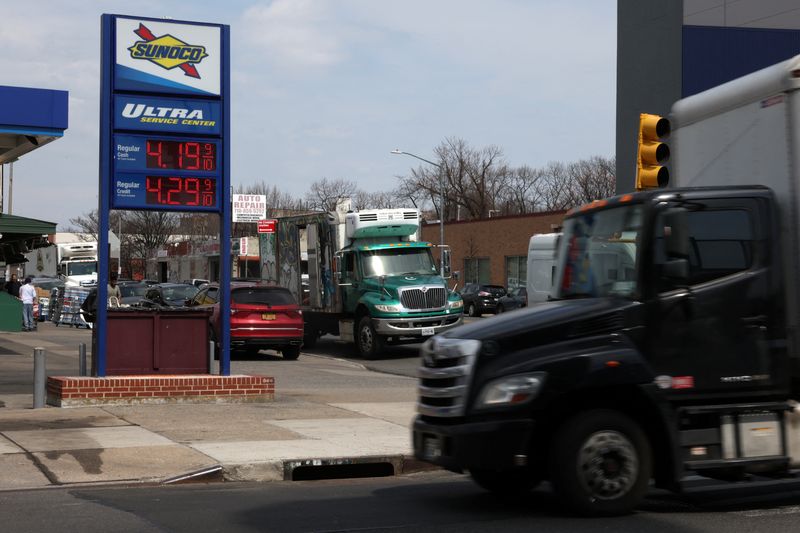
- Significant Oil Price Impact: According to GasBuddy.com, the average gasoline price in the U.S. has reached $4.43, a nearly 40% increase from last year, with prices in California exceeding $6, presenting unprecedented challenges for the restaurant industry, as evidenced by Wingstop's 8.7% decline in same-store sales.
- Diminished Market Confidence: Since the onset of the war, the LSEG U.S. restaurant index has dropped by 5%, erasing over $40 billion in market value, reflecting a decline in investor confidence in the sector, with a notable increase in analysts downgrading profit forecasts for the upcoming quarter.
- Changing Consumer Behavior: As gasoline prices rise, restaurant visitations are gradually declining, with analysis predicting that at $4.20 per gallon, visits could decrease by approximately 1.5%, and if prices exceed $5.10, fast-food traffic may drop by 3%, indicating a long-term impact on the restaurant industry.
See More
Jack In The Box Set to Release Q2 Earnings on May 13
- Earnings Announcement: Jack In The Box (JACK) is set to announce its Q2 earnings on May 13 after market close, with consensus EPS estimate at $0.74 and revenue at $256.55 million, indicating investor focus on performance metrics.
- Historical Performance Review: Over the past two years, JACK has beaten EPS estimates 63% of the time but only 25% for revenue, reflecting volatility in the company's profitability and market expectations.
- Expectation Revisions: In the last three months, EPS estimates have seen 18 downward revisions with no upward adjustments, while revenue estimates experienced one upward revision and 13 downward, suggesting a decline in analyst confidence regarding future performance.
- Future Outlook: Despite challenges, Jack In The Box reaffirms its FY26 outlook, emphasizing debt reduction and value-driven promotions as key strategies to enhance market competitiveness and drive future growth.
See More
Jack In The Box Reports Q2 2026 Earnings Results
- Same Store Sales Decline: Jack In The Box reported a 3.8% decrease in same store sales for Q2, with franchise locations down 3.9% and company-owned stores down 2.8%, indicating a decline in transactions despite price increases, reflecting heightened market competition.
- Operational Efficiency Initiatives: The company is implementing the 'Jack on Track' plan aimed at enhancing operational efficiency and guest experience to boost shareholder value, although restaurant-level margins decreased to 16.4% due to commodity inflation and rising labor costs.
- Strategic Adjustments and Market Response: Jack In The Box has improved sales trends by balancing value and premium offerings, with expectations for flat same store sales moving forward, particularly anticipating Q4 to be the strongest quarter of the year, demonstrating the company's responsiveness to market dynamics.
- Financial Outlook and Debt Management: As of the end of Q2, total debt stood at $1.6 billion with a net debt to adjusted EBITDA ratio of 6.9 times, with plans to reduce debt through real estate sales and cash flow, reflecting a proactive approach to financial management.
See More
Jack in the Box Reports Q2 Sales Decline Amid Strategic Changes
- Same-Store Sales Decline: Jack in the Box reported a 3.8% year-over-year decline in same-store sales for FQ2, with franchise same-store sales down 3.9%, significantly worse than the -2.5% consensus, indicating substantial sales pressure amid declining transaction volumes.
- Margin Compression: The restaurant-level margin fell by 320 basis points to 16.4%, below the 18.0% consensus, primarily due to reduced transactions, although partially offset by price increases, posing challenges to the company's profitability.
- Executive Changes: Jack in the Box appointed Mark King as executive chairman and interim CEO, succeeding Lance Tucker, in a strategic move to refresh leadership in response to shareholder pressure and improve operational results.
- Future Outlook: The company anticipates adjusted EBITDA of $225 million to $235 million for 2026, and despite current performance falling short of expectations, management remains optimistic about improving trends, reflecting confidence in the brand.
See More
Jack in the Box Q2 Earnings Miss Expectations Amid Sales Decline
- Same-Store Sales Decline: Jack in the Box reported a 3.8% decline in same-store sales for Q2, with franchise sales down 3.9% and company-owned sales down 2.8%, primarily due to a decrease in transactions, which poses a challenge for future revenue growth.
- Earnings Per Share Drop: The diluted earnings per share for Q2 2026 was $0.65, down from $1.09 in the prior year, indicating a significant decline in profitability from continuing operations, which may affect investor confidence moving forward.
- Declining Restaurant Margin: The restaurant-level margin fell to $15.5 million or 16.4%, primarily driven by commodity cost inflation, highlighting challenges in cost control and profitability enhancement, necessitating a reassessment of operational strategies.
- Cautious Future Outlook: The company updated its guidance for fiscal 2026, projecting a low single-digit decline in same-store sales and plans to accelerate the implementation of its 'JACK on Track' initiatives to address market challenges and seek long-term growth, reflecting management's cautious outlook on future performance.
See More
Jack in the Box Appoints New Executive Chairman and CEO
- Executive Change: Jack in the Box has appointed Mark King as executive chairman and interim CEO, effective immediately, aiming to strengthen leadership to tackle current market challenges.
- Successor Background: Mark King has been on the company's board since November 2025 and became board chair in March 2026, bringing extensive industry experience that is expected to guide the company towards a new strategic direction.
- Predecessor Situation: King succeeds Lance Tucker, who faced performance pressures during his tenure, as the company’s financial results fell short of expectations, with the new leadership aiming to enhance performance through transformation.
- Industry Experience: Having previously served as CEO of Taco Bell, King is anticipated to leverage his successful experience in the fast-food industry to drive Jack in the Box's business transformation and enhance market competitiveness.
See More
U.S. Restaurant Chains Report Weak Sales Growth Amid Rising Gas Prices
- Sales Growth Slowdown: Several U.S. restaurant chains, including Wingstop and Domino's, reported weaker-than-expected sales growth in the latest quarter, primarily due to soaring gasoline prices caused by the U.S.-Israeli war, forcing consumers to cut back on other spending, with expectations that other chains will face similar challenges ahead.
- Significant Oil Price Impact: According to GasBuddy.com, the average gasoline price in the U.S. has reached $4.43, a nearly 40% increase from last year, with prices in California exceeding $6, presenting unprecedented challenges for the restaurant industry, as evidenced by Wingstop's 8.7% decline in same-store sales.
- Diminished Market Confidence: Since the onset of the war, the LSEG U.S. restaurant index has dropped by 5%, erasing over $40 billion in market value, reflecting a decline in investor confidence in the sector, with a notable increase in analysts downgrading profit forecasts for the upcoming quarter.
- Changing Consumer Behavior: As gasoline prices rise, restaurant visitations are gradually declining, with analysis predicting that at $4.20 per gallon, visits could decrease by approximately 1.5%, and if prices exceed $5.10, fast-food traffic may drop by 3%, indicating a long-term impact on the restaurant industry.
See More