Iran War Disrupts Global Supply Chain and Retail Prices

- Supply Chain Disruption: Iran's effective closure of the Strait of Hormuz has significantly disrupted the global supply chain, affecting a range of goods from fertilizers to fuels, which may lead to rising retail prices, particularly for food items.
- Declining Consumer Confidence: The war has negatively impacted consumer confidence; although the latest consumer price index met expectations, rising gas prices are likely to suppress discretionary spending, further affecting retailers' sales.
- Retailer Strategies: Retailers facing input cost and demand pressures may raise prices to offset declining unit sales, especially for discretionary retailers like Target and Five Below, which are more vulnerable to shifts in consumer spending.
- Value Retailers Benefit: In the current economic climate, value retailers such as Walmart and Kroger may find it easier to navigate challenges as consumers increasingly seek value-priced items amidst rising costs.
Trade with 70% Backtested Accuracy
Analyst Views on OLLI

About OLLI
About the author


Ollie's Bargain Outlet Upgraded to Buy by Jefferies

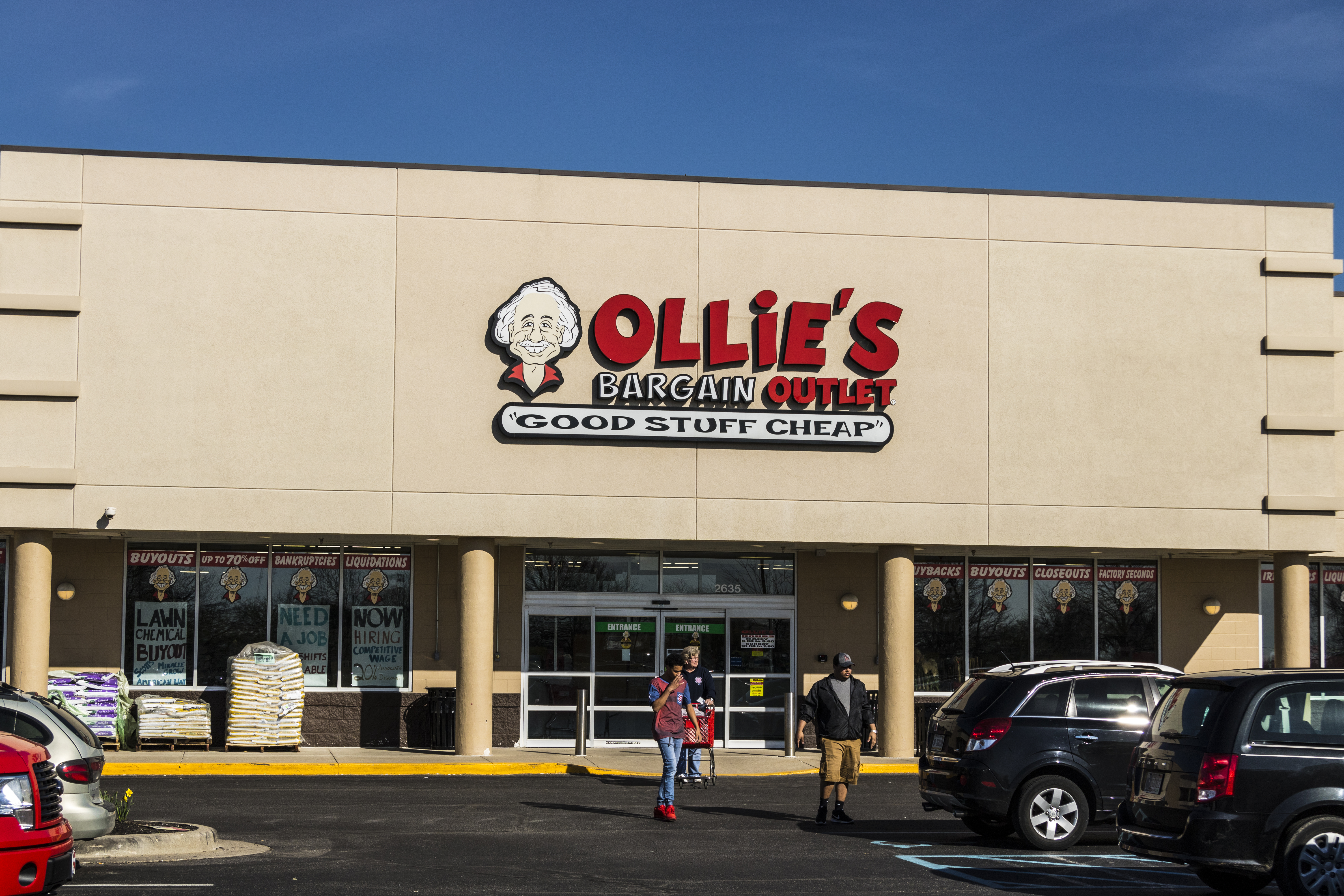
- Market Underappreciation: Jefferies upgraded Ollie's Bargain Outlet from hold to buy and raised its price target from $120 to $130, indicating about 42% potential upside, highlighting the market's undervaluation of its growth potential.
- Unique Competitive Edge: Ollie's ability to purchase cheap excess inventory at scale is a key driver behind Jefferies analyst Randal Konik's upgrade, underscoring the company's leading position in the discount retail sector.
- Significant Expansion Potential: With approximately 645 stores compared to its closest competitor's 159, Ollie's management sees growth opportunities to expand to 1,300 stores, indicating robust growth prospects.
- Changing Market Dynamics: As retail pressures increase, more clearance goods are available at discounted prices, while fewer buyers are competing, enhancing Ollie's sourcing advantages and further solidifying its market position.
Jefferies Upgrades Ollie's to Buy, Highlights Competitive Edge
- Rating Upgrade: Jefferies upgraded Ollie's Bargain Outlet Holdings (OLLI) from Hold to Buy, with analyst Randal Konik noting that investors are underestimating the scale advantages that are becoming evident, indicating improved fundamentals for the company.
- Market Competitive Edge: Ollie's is currently the only closeout retailer with true national reach and distribution, boasting approximately 645 stores compared to about 159 for the next closest competitor, highlighting its dominance in mixed and clearance inventory.
- Valuation Appeal: Despite improved fundamentals, Ollie's is trading near the low end of its historical range, with a P/E discount of 6X to 7X compared to Five Below (FIVE), indicating significant investment appeal.
- Price Potential: Jefferies set a price target of $130 for Ollie's, representing over 40% upside potential, and the stock rose 1.8% to $92.95 in Thursday morning trading, reflecting market confidence in its future performance.

MarketBeat Weekly Recap – March 16 to March 20


Market Sentiment: As spring approaches, investors are hoping for an end to the March Madness in stocks, but major indexes closed below their 200-day moving averages, indicating a bearish sentiment influenced by persistent inflation data.
Investment Opportunities: Amid market volatility, analysts suggest there are still opportunities to be found, particularly in retail stocks like Dollar Tree and Ollie's Bargain Outlet, which have shown positive results despite cautious guidance.
Tech Sector Dynamics: The tech sector is experiencing fluctuations, with companies like PayPal facing downward pressure due to takeover rumors, while others like Cloudflare are gaining attention for their potential growth in the AI space.
Stock Splits and Market Trends: Investors are advised to watch for potential stock splits in 2026, as several companies may consider this move based on stock price performance, while also keeping an eye on legislative trading activities that could impact market dynamics.

Five Below's Impressive Earnings Prompt Wall Street to Adjust Targets Upward

Strong Earnings Report: Five Below's stock surged over 10% following a robust Q4 2025 earnings report, despite broader market pressures, indicating strong growth and resilience in its supply chain.
Targeting Younger Consumers: The company is focusing on attracting Gen Alpha and Gen Z shoppers while also appealing to millennial moms, which has contributed to impressive results across all income levels.
Impact of Tariffs: Five Below has successfully navigated the challenges posed by tariffs, which significantly affected its operations in 2025, but management expects a reduced impact in 2026.
Investor Sentiment: Institutional buying has increased, with analysts upgrading their price targets for Five Below, reflecting confidence in the company's future performance and potential for continued growth.

Ollie’s Shares Are Set to Rise Soon
Q4 2025 Results: Ollie's Bargain Outlet reported robust Q4 2025 results, reaffirming a strong outlook despite missing some consensus forecasts. The company experienced solid revenue growth of 16.8% year-over-year, driven by better-than-expected store count growth.
Future Growth Potential: Analysts highlight Ollie's potential for aggressive expansion and improved performance in the coming years, with expectations of revenue between $2.985 billion and $3.013 billion, slightly below the $3 billion consensus.
Stock Performance and Guidance: Following the Q4 release, Ollie's stock rebounded from a low point, confirming a significant support level. Analysts maintain a bullish outlook, with no sell ratings among the tracked analysts, indicating confidence in the company's growth trajectory.
Investment Recommendations: Market analysts recommend buying Ollie's stock, emphasizing its strong fundamentals and growth potential, particularly as consumer spending is expected to increase, providing liquidity to the company's customer base.

US Stocks Decline Amid Soaring Oil Prices

- Market Weakness: The S&P 500 fell by 0.61% to 6,632.19, indicating a bearish sentiment as surging oil prices exert pressure on equities, leading investors to adopt a cautious outlook on future market performance.
- Energy Sector Resilience: Despite the overall market decline, energy and defensive sectors outperformed, suggesting that investors are seeking safe havens amid uncertainty, which could lead to a shift in capital towards these relatively secure investments.
- Stock Movements: Ollie’s Bargain Outlet gained 4.14% following its Q4 earnings report, while Adobe dropped 7.58% due to CEO resignation news, reflecting the direct impact of corporate governance changes on stock prices.
- Declining Consumer Confidence: Consumer sentiment hit a three-month low, indicating rising concerns over increasing energy and gasoline prices, which may affect future consumer spending and economic growth expectations.
Ollie's Bargain Outlet Upgraded to Buy by Jefferies
- Market Underappreciation: Jefferies upgraded Ollie's Bargain Outlet from hold to buy and raised its price target from $120 to $130, indicating about 42% potential upside, highlighting the market's undervaluation of its growth potential.
- Unique Competitive Edge: Ollie's ability to purchase cheap excess inventory at scale is a key driver behind Jefferies analyst Randal Konik's upgrade, underscoring the company's leading position in the discount retail sector.
- Significant Expansion Potential: With approximately 645 stores compared to its closest competitor's 159, Ollie's management sees growth opportunities to expand to 1,300 stores, indicating robust growth prospects.
- Changing Market Dynamics: As retail pressures increase, more clearance goods are available at discounted prices, while fewer buyers are competing, enhancing Ollie's sourcing advantages and further solidifying its market position.
Jefferies Upgrades Ollie's to Buy, Highlights Competitive Edge
- Rating Upgrade: Jefferies upgraded Ollie's Bargain Outlet Holdings (OLLI) from Hold to Buy, with analyst Randal Konik noting that investors are underestimating the scale advantages that are becoming evident, indicating improved fundamentals for the company.
- Market Competitive Edge: Ollie's is currently the only closeout retailer with true national reach and distribution, boasting approximately 645 stores compared to about 159 for the next closest competitor, highlighting its dominance in mixed and clearance inventory.
- Valuation Appeal: Despite improved fundamentals, Ollie's is trading near the low end of its historical range, with a P/E discount of 6X to 7X compared to Five Below (FIVE), indicating significant investment appeal.
- Price Potential: Jefferies set a price target of $130 for Ollie's, representing over 40% upside potential, and the stock rose 1.8% to $92.95 in Thursday morning trading, reflecting market confidence in its future performance.
MarketBeat Weekly Recap – March 16 to March 20
Market Sentiment: As spring approaches, investors are hoping for an end to the March Madness in stocks, but major indexes closed below their 200-day moving averages, indicating a bearish sentiment influenced by persistent inflation data.
Investment Opportunities: Amid market volatility, analysts suggest there are still opportunities to be found, particularly in retail stocks like Dollar Tree and Ollie's Bargain Outlet, which have shown positive results despite cautious guidance.
Tech Sector Dynamics: The tech sector is experiencing fluctuations, with companies like PayPal facing downward pressure due to takeover rumors, while others like Cloudflare are gaining attention for their potential growth in the AI space.
Stock Splits and Market Trends: Investors are advised to watch for potential stock splits in 2026, as several companies may consider this move based on stock price performance, while also keeping an eye on legislative trading activities that could impact market dynamics.
Five Below's Impressive Earnings Prompt Wall Street to Adjust Targets Upward
Strong Earnings Report: Five Below's stock surged over 10% following a robust Q4 2025 earnings report, despite broader market pressures, indicating strong growth and resilience in its supply chain.
Targeting Younger Consumers: The company is focusing on attracting Gen Alpha and Gen Z shoppers while also appealing to millennial moms, which has contributed to impressive results across all income levels.
Impact of Tariffs: Five Below has successfully navigated the challenges posed by tariffs, which significantly affected its operations in 2025, but management expects a reduced impact in 2026.
Investor Sentiment: Institutional buying has increased, with analysts upgrading their price targets for Five Below, reflecting confidence in the company's future performance and potential for continued growth.
Ollie’s Shares Are Set to Rise Soon
Q4 2025 Results: Ollie's Bargain Outlet reported robust Q4 2025 results, reaffirming a strong outlook despite missing some consensus forecasts. The company experienced solid revenue growth of 16.8% year-over-year, driven by better-than-expected store count growth.
Future Growth Potential: Analysts highlight Ollie's potential for aggressive expansion and improved performance in the coming years, with expectations of revenue between $2.985 billion and $3.013 billion, slightly below the $3 billion consensus.
Stock Performance and Guidance: Following the Q4 release, Ollie's stock rebounded from a low point, confirming a significant support level. Analysts maintain a bullish outlook, with no sell ratings among the tracked analysts, indicating confidence in the company's growth trajectory.
Investment Recommendations: Market analysts recommend buying Ollie's stock, emphasizing its strong fundamentals and growth potential, particularly as consumer spending is expected to increase, providing liquidity to the company's customer base.
US Stocks Decline Amid Soaring Oil Prices
- Market Weakness: The S&P 500 fell by 0.61% to 6,632.19, indicating a bearish sentiment as surging oil prices exert pressure on equities, leading investors to adopt a cautious outlook on future market performance.
- Energy Sector Resilience: Despite the overall market decline, energy and defensive sectors outperformed, suggesting that investors are seeking safe havens amid uncertainty, which could lead to a shift in capital towards these relatively secure investments.
- Stock Movements: Ollie’s Bargain Outlet gained 4.14% following its Q4 earnings report, while Adobe dropped 7.58% due to CEO resignation news, reflecting the direct impact of corporate governance changes on stock prices.
- Declining Consumer Confidence: Consumer sentiment hit a three-month low, indicating rising concerns over increasing energy and gasoline prices, which may affect future consumer spending and economic growth expectations.