Investment Risks and Opportunities Amid AI Boom
Written by Emily J. Thompson, Senior Investment Analyst
Updated: 6 hours ago
0mins

Should l Buy HSBC?
Source: CNBC
- Market Concentration Risk: Since the late 2022 release of ChatGPT, AI has dominated global markets, leading to significant investments in AI stocks, with TSMC, SK Hynix, and Samsung Electronics accounting for over half of the returns on the FTSE Asia ex-Japan index, prompting HSBC to warn of potential market dislocations.
- Forgotten Investment Opportunities: HSBC has identified ten overlooked companies in Asia, including Hong Kong Exchange, South Korean food manufacturer Samyang Foods, and Indonesian telecom provider PT Telkom, which have maintained high profitability while gaining market share.
- Fuyao Glass's Growth Potential: Fuyao Glass, the world's largest automotive glass manufacturer, holds about a 70% share of the Chinese market and is expanding internationally; HSBC analysts believe the market undervalues its growth trajectory and margin resilience amid shifting global competitive dynamics.
- WuXi AppTec's Strong Growth: WuXi AppTec, a China-based contract research and manufacturing organization, is projected to achieve 18%-22% revenue growth in 2026, driven by robust customer demand and global capacity expansion, with HSBC analysts suggesting this growth could last another two to three years.
Trade with 70% Backtested Accuracy
Stop guessing "Should I Buy HSBC?" and start using high-conviction signals backed by rigorous historical data.
Sign up today to access powerful investing tools and make smarter, data-driven decisions.
Analyst Views on HSBC
About HSBC
HSBC Holdings plc (HSBC) is a banking and financial services company. Its business segments include Hong Kong, UK, Corporate and Institutional Banking (CIB), and International Wealth and Premier Banking (IWPB). Its Hong Kong business comprises retail banking and wealth and commercial banking of HSBC Hong Kong and Hang Seng Bank. Its UK business comprises UK retail banking and wealth (including first direct and M&S Bank) and UK commercial banking, including HSBC Innovation Bank. The CIB segment is formed from the integration of its commercial banking business (outside the UK and Hong Kong) with its global banking and markets business. The IWPB segment comprises premier banking outside of Hong Kong and the UK, its global private bank, and its asset management, insurance and investment distribution businesses. Its customers worldwide through a network covering 58 countries and territories. Its customers range from individual savers and investors to companies, governments and others.
About the author

Emily J. Thompson
Emily J. Thompson, a Chartered Financial Analyst (CFA) with 12 years in investment research, graduated with honors from the Wharton School. Specializing in industrial and technology stocks, she provides in-depth analysis for Intellectia’s earnings and market brief reports.
Global Markets Under Pressure from Bond Market


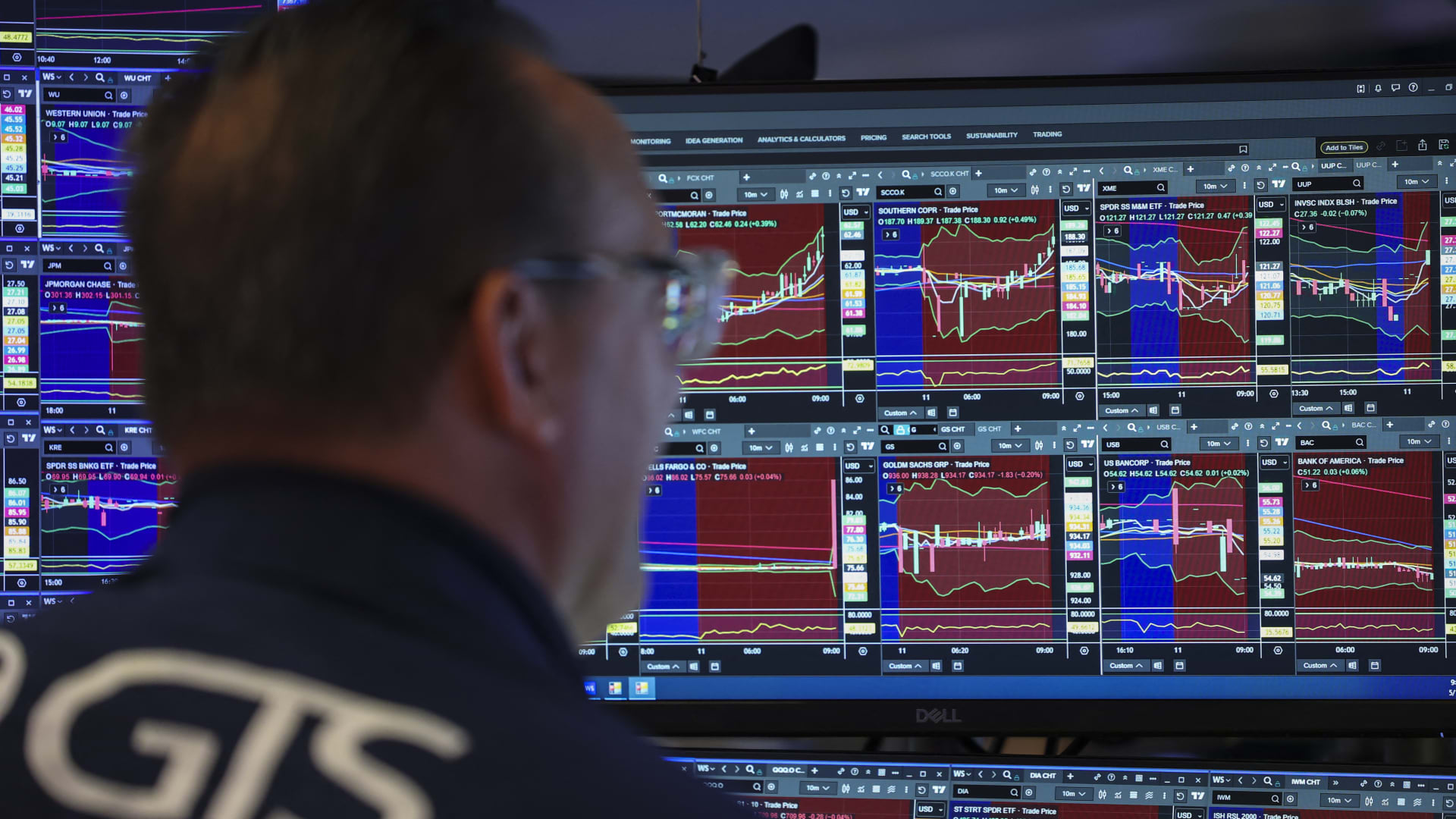
- Bond Market Pressure: The U.S. 30-year Treasury yield peaked at 5.19% on Tuesday, the highest in nearly 19 years, while the 10-year yield reached 4.687%, leading to widespread declines in global stock markets, indicating the negative impact of rising yields on equities.
- Equity Market Declines: The S&P 500 and Nasdaq logged their third consecutive day of losses on Tuesday, reflecting investor concerns over high yields, with Asian markets also suffering declines, particularly Japan's Nikkei 225 and South Korea's Kospi.
- Geopolitical Developments: Russian President Vladimir Putin has invited Chinese President Xi Jinping to visit Russia next year, emphasizing the deep political mutual trust and strategic cooperation between the two nations during their meeting in Beijing, highlighting the unprecedented level of ties.
- Tech Sector Focus: Nvidia is set to report earnings after the market closes on Wednesday, with investors keen on its infrastructure buildout progress, while the company also plans to open a new research center in Singapore, further solidifying its presence in the Asia-Pacific market.
See More

Investment Risks and Opportunities Amid AI Boom

- Market Concentration Risk: Since the late 2022 release of ChatGPT, AI has dominated global markets, leading to significant investments in AI stocks, with TSMC, SK Hynix, and Samsung Electronics accounting for over half of the returns on the FTSE Asia ex-Japan index, prompting HSBC to warn of potential market dislocations.
- Forgotten Investment Opportunities: HSBC has identified ten overlooked companies in Asia, including Hong Kong Exchange, South Korean food manufacturer Samyang Foods, and Indonesian telecom provider PT Telkom, which have maintained high profitability while gaining market share.
- Fuyao Glass's Growth Potential: Fuyao Glass, the world's largest automotive glass manufacturer, holds about a 70% share of the Chinese market and is expanding internationally; HSBC analysts believe the market undervalues its growth trajectory and margin resilience amid shifting global competitive dynamics.
- WuXi AppTec's Strong Growth: WuXi AppTec, a China-based contract research and manufacturing organization, is projected to achieve 18%-22% revenue growth in 2026, driven by robust customer demand and global capacity expansion, with HSBC analysts suggesting this growth could last another two to three years.
See More
US Treasury Yields Enter Danger Zone Amid Inflation Fears

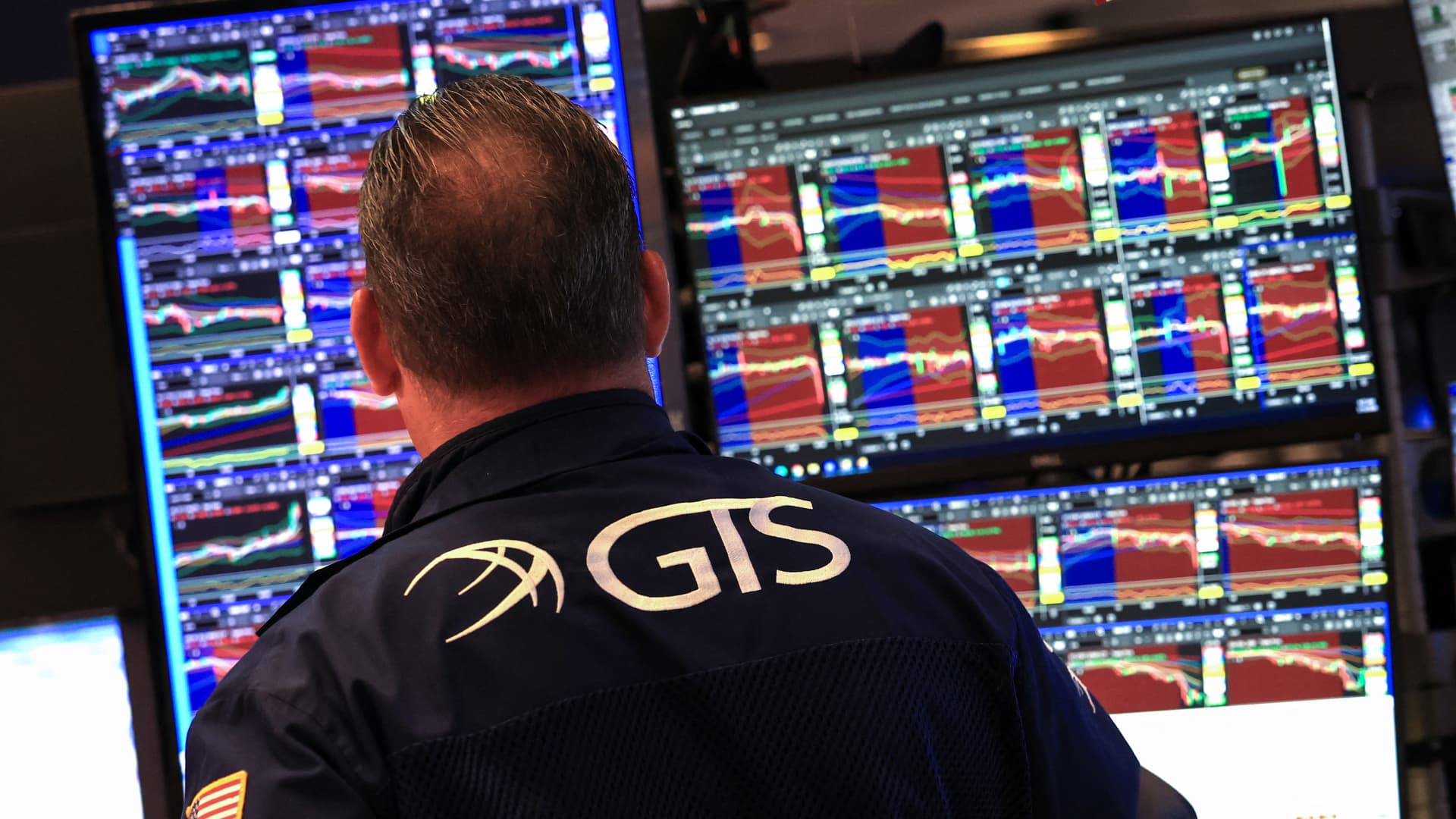
- Yield Surge: The 30-year US Treasury yield surged above 5.19% on Tuesday, marking the highest level since 2007, while the 10-year yield approached 4.69%, indicating market concerns over persistent inflation and hawkish rate expectations that could pressure equities and risk assets.
- Market Resilience: Despite the intensified selloff in government bonds, HSBC noted that robust corporate earnings growth and a relatively optimistic view on the Middle East conflict have kept markets resilient, although further increases in yields could lead to temporary declines in risk assets.
- Psychological Impact: The auction of the 30-year Treasury clearing above 5% is seen as a significant psychological threshold; according to Interactive Brokers' chief strategist, current market conditions are a
See More
Domestic Investors Support Indian Stock Market Amid Foreign Sell-Off

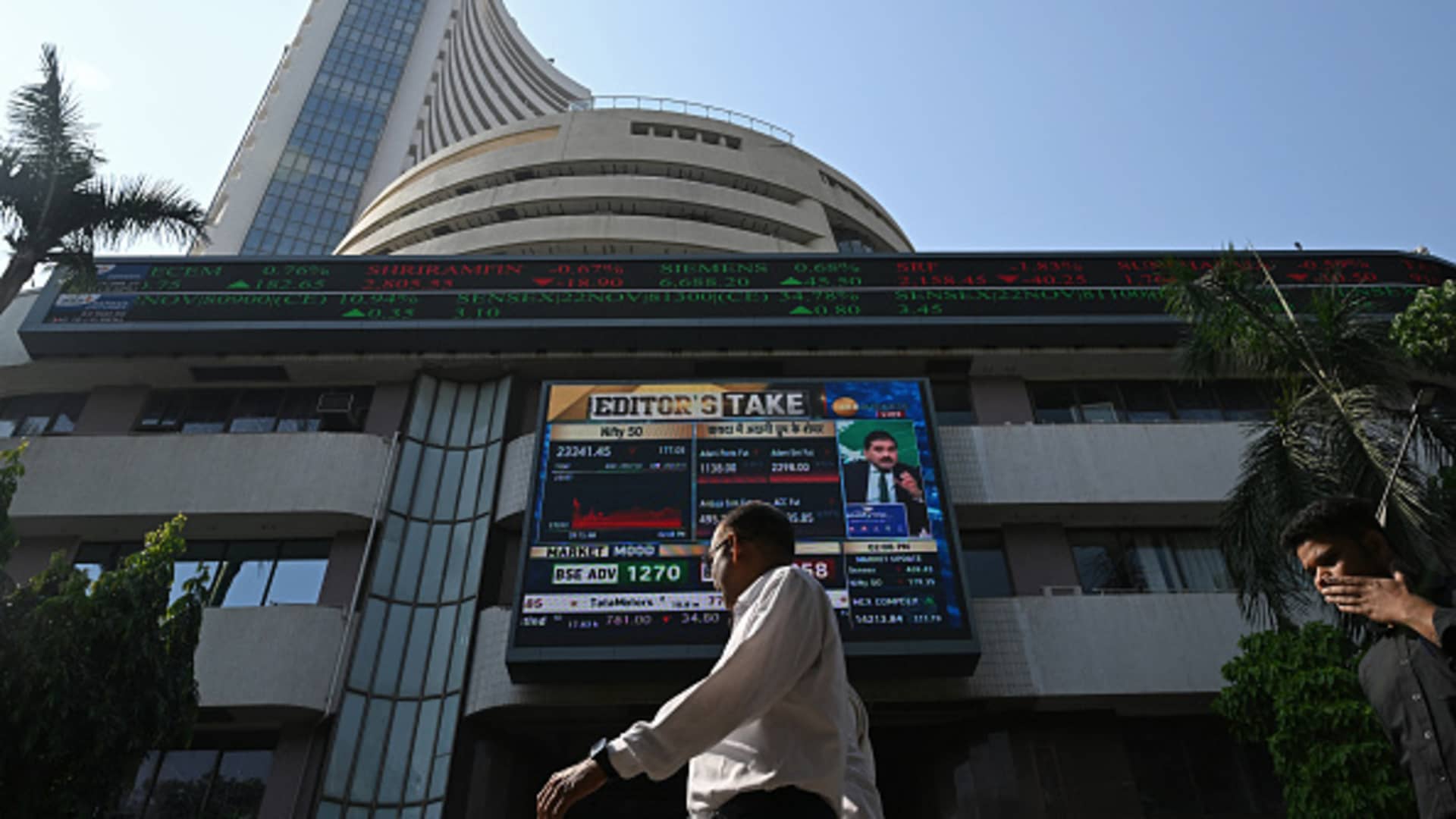
- Significant Role of Domestic Investors: Amid a $35 billion foreign sell-off, Indian institutional investors injected a net $91 billion into the equity markets last year, effectively preventing a 'freefall' in the stock market and demonstrating the resilience and potential of the domestic market.
- Surge in Investor Registrations: The Bombay Stock Exchange (BSE) saw 35 million new investor registrations over the past year, indicating a growing participation of the Indian population in capital markets, which further strengthens the market's foundation.
- Market Performance Comparison: Despite the BSE Sensex declining 11% year-to-date, domestic capital inflows remain robust, with total inflows in equity mutual funds reaching 384.4 billion rupees (nearly $4 billion) in April, marking a 58% increase from the previous year.
- Bearish Foreign Sentiment: Foreign investors maintain a pessimistic outlook on India due to rising global oil prices and economic impacts, while the lack of a strong AI ecosystem dampens India's competitiveness in the global market, leading to continued capital outflows.
See More
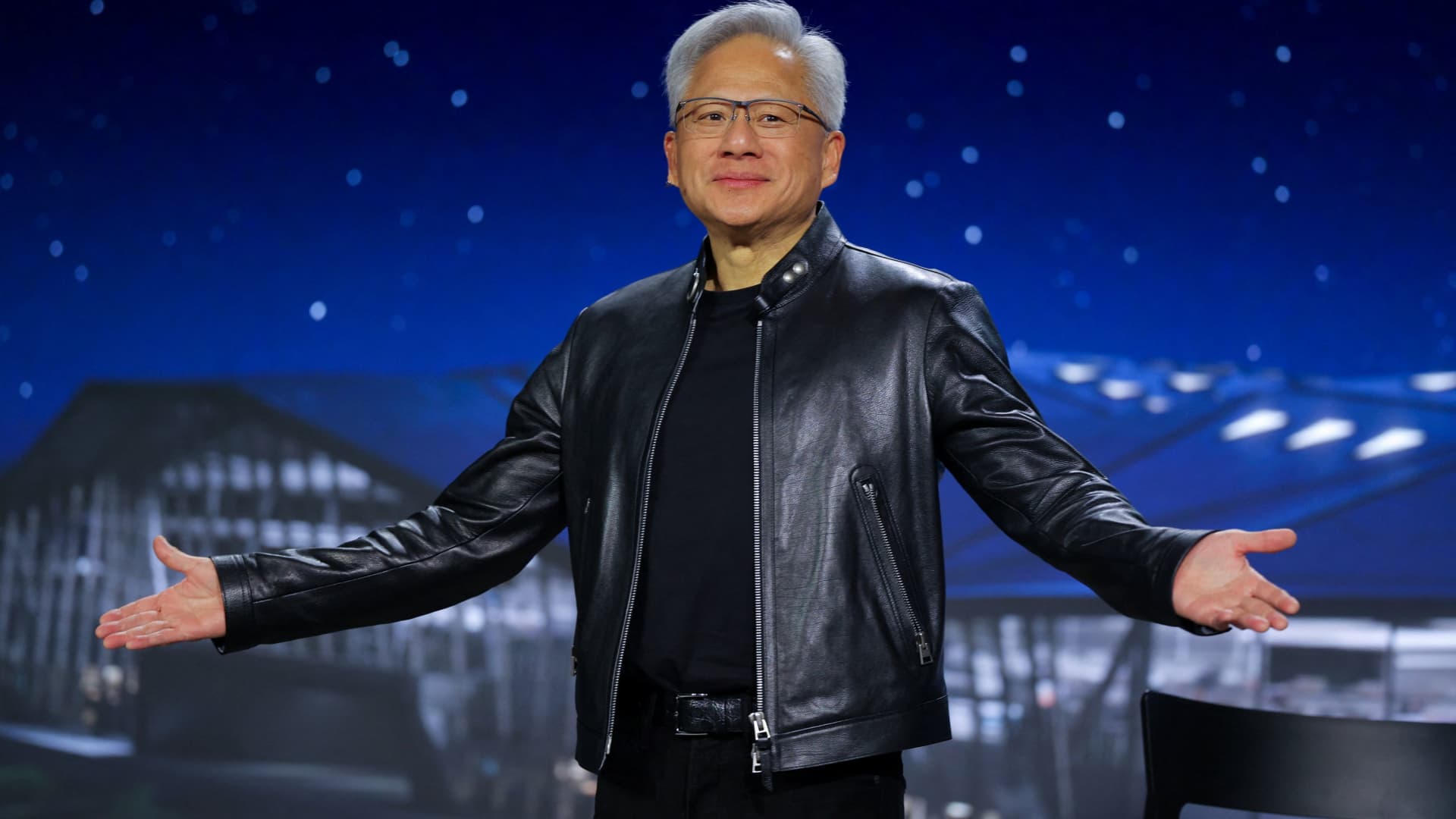
HSBC Optimistic on Nvidia's Quarterly Performance and Outlook
- Strong Earnings Expectations: HSBC anticipates Nvidia will report robust quarterly results and provide even stronger guidance, indicating high market expectations that could drive further stock price increases.
- Price Target Increase: HSBC raised Nvidia's price target from $295 to $325, suggesting a 46.2% upside from Monday's close, reflecting analysts' confidence in the company's future growth potential.
- Doubling Profit Expectations: Analysts expect Nvidia's quarterly earnings to more than double from the previous year, with revenue projected to surge nearly 80%, further solidifying its leadership position in the market.
- Market Expansion Potential: HSBC analysts noted that Nvidia is actively expanding beyond traditional hyperscaler clients, indicating that future growth will not solely rely on AI GPU sales, which presents new profit opportunities for the company.
See More
Foreign Holdings of U.S. Treasuries Decline Amid Geopolitical Tensions


- Foreign Treasury Selloff: Foreign governments reduced their U.S. Treasury holdings to $9.25 trillion in March from $9.49 trillion in February, reflecting concerns over liquidity amid increased financial volatility due to geopolitical tensions.
- China's Holdings Decline: China's U.S. Treasury holdings fell to $652.3 billion in March, down approximately 6% from February, marking the lowest level since September 2008, indicating a strategic shift in response to energy shocks.
- Japan's Liquidation Trend: Japan, the largest foreign holder of U.S. debt, shed about $47 billion in March, bringing its holdings down to $1.191 trillion, highlighting its strategy to manage pressures from yen depreciation and rising energy costs.
- Stable Shadow Holdings: Despite a decrease in China's direct Treasury holdings,
See More
Global Markets Under Pressure from Bond Market
- Bond Market Pressure: The U.S. 30-year Treasury yield peaked at 5.19% on Tuesday, the highest in nearly 19 years, while the 10-year yield reached 4.687%, leading to widespread declines in global stock markets, indicating the negative impact of rising yields on equities.
- Equity Market Declines: The S&P 500 and Nasdaq logged their third consecutive day of losses on Tuesday, reflecting investor concerns over high yields, with Asian markets also suffering declines, particularly Japan's Nikkei 225 and South Korea's Kospi.
- Geopolitical Developments: Russian President Vladimir Putin has invited Chinese President Xi Jinping to visit Russia next year, emphasizing the deep political mutual trust and strategic cooperation between the two nations during their meeting in Beijing, highlighting the unprecedented level of ties.
- Tech Sector Focus: Nvidia is set to report earnings after the market closes on Wednesday, with investors keen on its infrastructure buildout progress, while the company also plans to open a new research center in Singapore, further solidifying its presence in the Asia-Pacific market.
See More
Investment Risks and Opportunities Amid AI Boom
- Market Concentration Risk: Since the late 2022 release of ChatGPT, AI has dominated global markets, leading to significant investments in AI stocks, with TSMC, SK Hynix, and Samsung Electronics accounting for over half of the returns on the FTSE Asia ex-Japan index, prompting HSBC to warn of potential market dislocations.
- Forgotten Investment Opportunities: HSBC has identified ten overlooked companies in Asia, including Hong Kong Exchange, South Korean food manufacturer Samyang Foods, and Indonesian telecom provider PT Telkom, which have maintained high profitability while gaining market share.
- Fuyao Glass's Growth Potential: Fuyao Glass, the world's largest automotive glass manufacturer, holds about a 70% share of the Chinese market and is expanding internationally; HSBC analysts believe the market undervalues its growth trajectory and margin resilience amid shifting global competitive dynamics.
- WuXi AppTec's Strong Growth: WuXi AppTec, a China-based contract research and manufacturing organization, is projected to achieve 18%-22% revenue growth in 2026, driven by robust customer demand and global capacity expansion, with HSBC analysts suggesting this growth could last another two to three years.
See More
US Treasury Yields Enter Danger Zone Amid Inflation Fears
- Yield Surge: The 30-year US Treasury yield surged above 5.19% on Tuesday, marking the highest level since 2007, while the 10-year yield approached 4.69%, indicating market concerns over persistent inflation and hawkish rate expectations that could pressure equities and risk assets.
- Market Resilience: Despite the intensified selloff in government bonds, HSBC noted that robust corporate earnings growth and a relatively optimistic view on the Middle East conflict have kept markets resilient, although further increases in yields could lead to temporary declines in risk assets.
- Psychological Impact: The auction of the 30-year Treasury clearing above 5% is seen as a significant psychological threshold; according to Interactive Brokers' chief strategist, current market conditions are a
See More
Domestic Investors Support Indian Stock Market Amid Foreign Sell-Off
- Significant Role of Domestic Investors: Amid a $35 billion foreign sell-off, Indian institutional investors injected a net $91 billion into the equity markets last year, effectively preventing a 'freefall' in the stock market and demonstrating the resilience and potential of the domestic market.
- Surge in Investor Registrations: The Bombay Stock Exchange (BSE) saw 35 million new investor registrations over the past year, indicating a growing participation of the Indian population in capital markets, which further strengthens the market's foundation.
- Market Performance Comparison: Despite the BSE Sensex declining 11% year-to-date, domestic capital inflows remain robust, with total inflows in equity mutual funds reaching 384.4 billion rupees (nearly $4 billion) in April, marking a 58% increase from the previous year.
- Bearish Foreign Sentiment: Foreign investors maintain a pessimistic outlook on India due to rising global oil prices and economic impacts, while the lack of a strong AI ecosystem dampens India's competitiveness in the global market, leading to continued capital outflows.
See More
HSBC Optimistic on Nvidia's Quarterly Performance and Outlook
- Strong Earnings Expectations: HSBC anticipates Nvidia will report robust quarterly results and provide even stronger guidance, indicating high market expectations that could drive further stock price increases.
- Price Target Increase: HSBC raised Nvidia's price target from $295 to $325, suggesting a 46.2% upside from Monday's close, reflecting analysts' confidence in the company's future growth potential.
- Doubling Profit Expectations: Analysts expect Nvidia's quarterly earnings to more than double from the previous year, with revenue projected to surge nearly 80%, further solidifying its leadership position in the market.
- Market Expansion Potential: HSBC analysts noted that Nvidia is actively expanding beyond traditional hyperscaler clients, indicating that future growth will not solely rely on AI GPU sales, which presents new profit opportunities for the company.
See More
Foreign Holdings of U.S. Treasuries Decline Amid Geopolitical Tensions
- Foreign Treasury Selloff: Foreign governments reduced their U.S. Treasury holdings to $9.25 trillion in March from $9.49 trillion in February, reflecting concerns over liquidity amid increased financial volatility due to geopolitical tensions.
- China's Holdings Decline: China's U.S. Treasury holdings fell to $652.3 billion in March, down approximately 6% from February, marking the lowest level since September 2008, indicating a strategic shift in response to energy shocks.
- Japan's Liquidation Trend: Japan, the largest foreign holder of U.S. debt, shed about $47 billion in March, bringing its holdings down to $1.191 trillion, highlighting its strategy to manage pressures from yen depreciation and rising energy costs.
- Stable Shadow Holdings: Despite a decrease in China's direct Treasury holdings,
See More