

Investment Profile Differences Between Tesla and SpaceX
Written by Emily J. Thompson, Senior Investment Analyst
Updated: 1 hour ago
0mins

Source: Fool
- Project Dependency Differences: Tesla's projects, including electric vehicles, robotaxis, and Optimus robots, directly embody artificial intelligence applications, while SpaceX primarily relies on end demand for AI, particularly for its xAI business and orbital data center ambitions.
- Capital Expenditure Requirements: SpaceX is projected to have capital expenditures exceeding 40% of its revenue by 2026, whereas Tesla's capital spending is expected to decline as revenue grows, highlighting significant differences in financial health and investment strategies between the two companies.
- Earnings Growth Timeline: Tesla's robotaxi and Optimus projects are anticipated to achieve large-scale rollout by 2026 or 2027, making them more feasible in the short term compared to SpaceX's orbital data center plans set for 2028, indicating Tesla's more attractive near-term prospects.
- Investor Risk Preferences: Investors must choose stocks based on their risk tolerance and confidence in AI application growth, as Tesla offers higher cash flow growth potential, while SpaceX may take longer to achieve profitability, leading to significant differences in investment appeal.
Trade with 70% Backtested Accuracy
Stop guessing "Should I Buy TSLA?" and start using high-conviction signals backed by rigorous historical data.
Sign up today to access powerful investing tools and make smarter, data-driven decisions.
Analyst Views on TSLA
Wall Street analysts forecast TSLA stock price to rise
30 Analyst Rating
12 Buy
11 Hold
7 Sell
Hold
Current: 381.610

Low
25.28
Averages
401.93
High
600.00
Current: 381.610
Low
25.28
Averages
401.93
High
600.00
About TSLA
Tesla, Inc. designs, develops, manufactures, sells and leases high-performance fully electric vehicles and energy generation and storage systems, and offers services related to its products. Its segments include automotive, and energy generation and storage. The automotive segment includes the design, development, manufacturing, sales and leasing of high-performance fully electric vehicles, and sales of automotive regulatory credits. It also includes sales of used vehicles, non-warranty maintenance services and collisions, part sales, paid supercharging, insurance services revenue and retail merchandise sales. The energy generation and storage segment include the design, manufacture, installation, sales and leasing of solar energy generation and energy storage products and related services and sales of solar energy systems incentives. Its consumer vehicles include the Model 3, Y, S, X and Cybertruck. Its lithium-ion battery energy storage products include Powerwall and Megapack.
About the author

Emily J. Thompson
Emily J. Thompson, a Chartered Financial Analyst (CFA) with 12 years in investment research, graduated with honors from the Wharton School. Specializing in industrial and technology stocks, she provides in-depth analysis for Intellectia’s earnings and market brief reports.
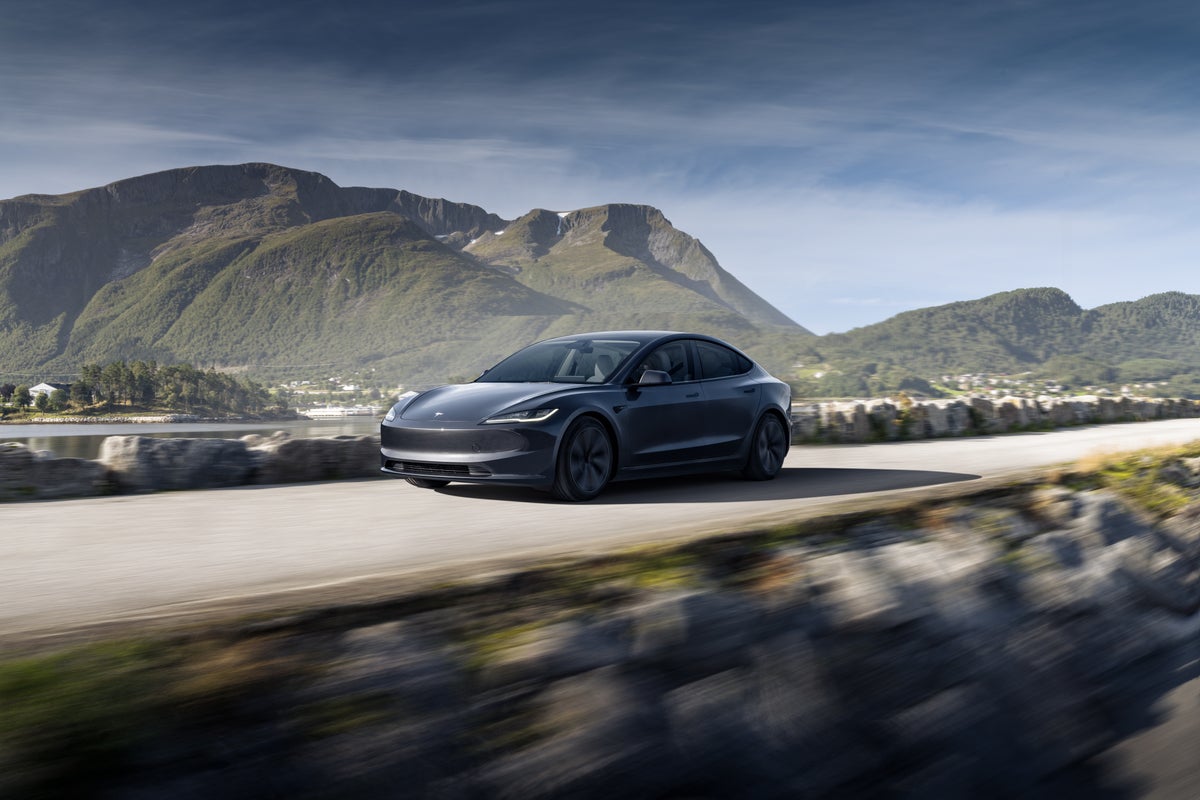
Tesla Q2 Delivery Estimates Raised Amid Challenges

- Analyst Estimates Raised: RBC, UBS, and Goldman Sachs project Tesla's Q2 deliveries to exceed 400,000 units, reflecting optimism about improving sales trends despite a 14% year-over-year decline from last year's 384,122 deliveries, indicating challenges during the company's transition.
- Impact of New Models: Tesla's discontinuation of Model S and X production in Q2 is seen as a strategic shift towards robotaxi and humanoid robot initiatives, which may pressure traditional vehicle sales, highlighting the company's balancing act between technological innovation and market demand.
- Market Sentiment Volatility: Investor sentiment has been affected by the NHTSA probe into a fatal Tesla crash, leading to a 6% drop in TSLA shares on Tuesday, reflecting uncertainty about the company's future performance, even as analysts remain optimistic about Q2 delivery expectations.
- Retail Investor Reactions: On Stocktwits, retail sentiment around TSLA remains in the 'extremely bearish' territory, with low message volume, yet discussions surged by 493% over the past 30 days, indicating investor concerns about the safety of Tesla's full self-driving technology.
See More

Finland May Approve Tesla's Self-Driving System Ahead of EU Decision
- Finland's Regulatory Update: Finland's transport authority indicated that it may approve Tesla's self-driving assistance system earlier than the anticipated EU-wide decision, paving the way for Tesla's further expansion in the European market.
- Netherlands' Lead Approval: The Netherlands became the first European country to grant provisional approval for Tesla's Full Self-Driving (FSD) system in April, marking a significant advancement for Tesla in Europe and potentially prompting other countries to follow suit.
- Cautious Reception Elsewhere: Countries like Estonia and Belgium have also allowed the technology, although some regulators have expressed caution regarding its safety, which may influence Tesla's promotional strategies in these markets.
- EU-Wide Rollout Potential: Should a qualified majority of member states support it, Tesla's FSD system could see a broader rollout across the EU, positively impacting Tesla's market share and future growth prospects.
See More

Alphabet Joins Dow Industrials, Replacing Verizon


- Dow Component Change: Alphabet (GOOGL) replaces Verizon (VZ) in the Dow Industrials, marking a significant shift towards mega-cap tech within the 130-year-old index, which may alter investor perceptions of traditional sectors amidst a tech-dominated market.
- Performance Comparison: While the Dow still features strong traditional stocks like Caterpillar (CAT) and Cisco (CSCO), which are up nearly 75% and 60% respectively, Alphabet's inclusion could shift focus towards tech stocks, reflecting current market dynamics.
- Investor Sentiment Shift: Changes in Dow components often signal market trends, and Alphabet's addition may be interpreted as a sign that its market cap has become too significant to overlook, prompting investors to monitor its price action around previous breakout levels.
- Key Future Trajectory: Should Alphabet maintain its stock price above its old breakout zone, it could attract further buying support; conversely, a decline could render the Dow more aligned with Nasdaq characteristics, impacting overall market sentiment.
See More
Toyota Closing in on GM in U.S. Sales Amid Hybrid Popularity


- Sales Comparison: Toyota is expected to see a nearly 1% increase in U.S. sales to 1.25 million vehicles in the first half of the year, while GM is projected to decline by 7.2% to 1.33 million, indicating Toyota's growing competitiveness in the market.
- Market Trends: The forecast from Cox Automotive suggests that the expected sales gap of 83,255 vehicles between Toyota and GM is the narrowest since Toyota first surpassed GM in 2021, indicating a potential for Toyota to overtake GM again by year-end.
- Hybrid Vehicle Advantage: Toyota continues to roll out new models and invest heavily in hybrids, with hybrid sales projected to rise by about 10%, while GM's focus on electric vehicles may threaten its market share.
- Industry Outlook: Cox anticipates a 3% overall decline in U.S. new vehicle sales, with EV sales expected to drop by 23.3%, while the growth in hybrid sales reflects ongoing consumer demand for traditional powertrains, potentially reshaping future market dynamics.
See More
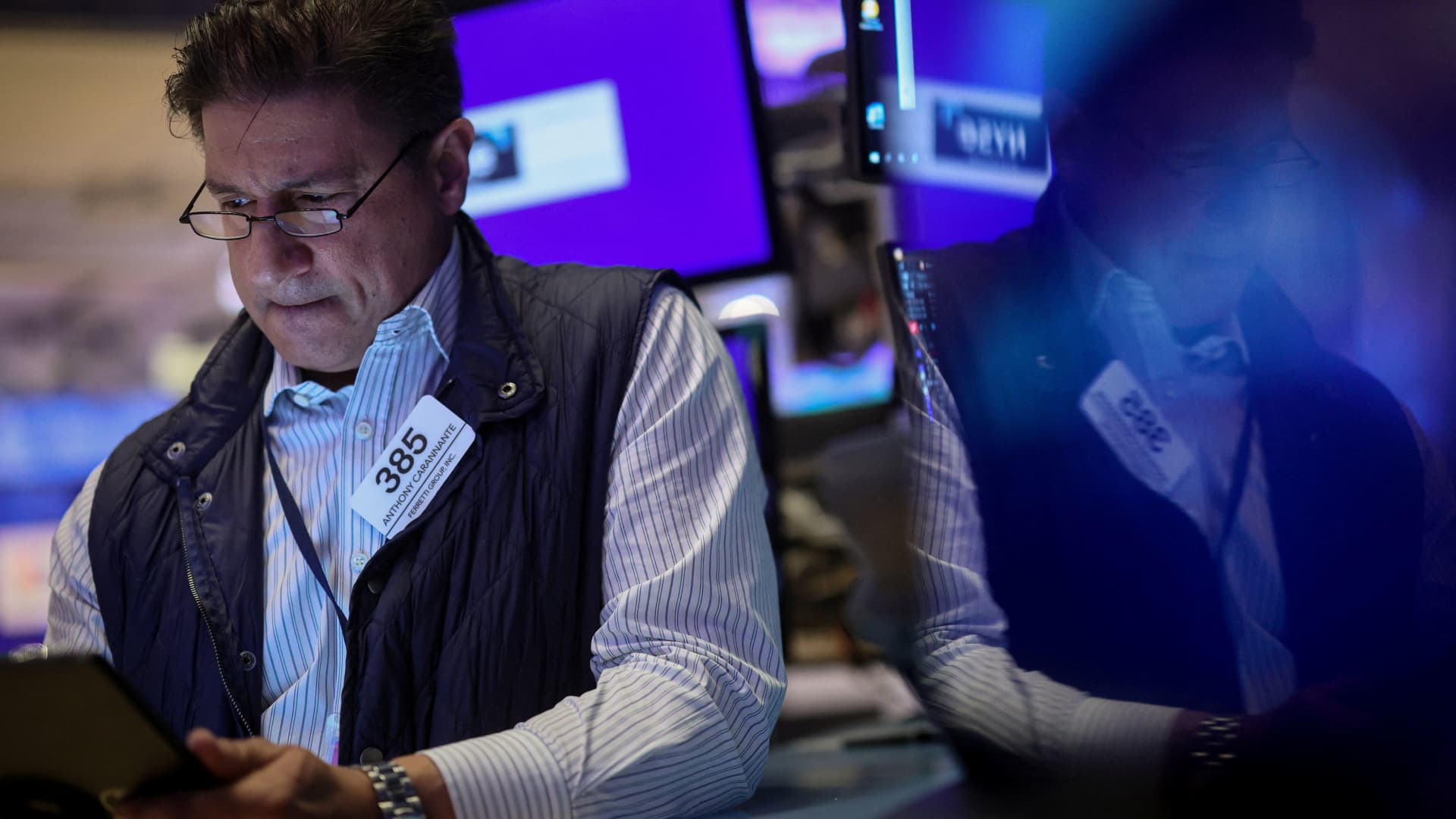
Tesla and Amazon Upgraded Amid Market Challenges; Apple and Broadcom Downgraded

- Tesla Upgrade: Analyst Bill Maurer upgraded Tesla, noting a shift in investor focus from robotaxi growth to quarterly vehicle deliveries, with low Q2 delivery expectations potentially setting the stage for outperformance, especially as rising energy prices could boost short-term electric vehicle demand.
- Amazon's Manufacturing Expansion: Analyst Oliver Rodzianko sees Amazon extending its commerce model into manufacturing through a 'Prime Manufacturing' concept, with a target price of $350 in 18 months, representing approximately 46% upside from $239, indicating that Amazon could create lucrative revenue streams by controlling the production information layer.
- Apple Downgraded to Hold: APAC Research downgraded Apple to Hold due to rising hardware costs driven by AI-related memory and storage shortages, which are expected to lead to imminent price hikes on Apple products; while the strong launch of the MacBook Neo boosts near-term sales, frontloading may result in a cooling period.
- Broadcom Downgrade Risks: Esxeleryn Analytics downgraded Broadcom to Hold/Avoid, believing its approximately $2 trillion market cap and 35.4x forward P/E fully price in aggressive AI revenue targets, with key risks including credit contagion from bespoke ASICs, U.S. power grid bottlenecks, and executive transitions amid rising operational complexity.
See More

Surging Energy Demand for Data Centers Drives Strategic Partnerships

- Surging Energy Demand: According to Goldman Sachs, U.S. data center power demand is projected to reach 41 GW in 2026 and 66 GW in 2027, highlighting the urgent need for sustainable energy solutions and driving companies to seek innovative partnerships.
- Strategic Partnerships: Sunrun has partnered with Renew Home and Tesla to deliver over 16 GW of flexible energy, aimed at alleviating pressure on traditional power distributors while attracting data center customers and enhancing market competitiveness.
- Positive Market Reaction: Following the partnership announcement, Sunrun's stock surged 18%, marking its largest single-day gain in nearly 10 months, reflecting investor optimism about its growth potential amid soaring data center demand.
- Retail Trader Sentiment Shift: On Stocktwits, retail sentiment for RUN shifted from 'neutral' to 'bullish' in the past 24 hours, indicating investor confidence in the company's potential shift from centralized energy production to aggregated residential power solutions.
See More
Tesla Q2 Delivery Estimates Raised Amid Challenges
- Analyst Estimates Raised: RBC, UBS, and Goldman Sachs project Tesla's Q2 deliveries to exceed 400,000 units, reflecting optimism about improving sales trends despite a 14% year-over-year decline from last year's 384,122 deliveries, indicating challenges during the company's transition.
- Impact of New Models: Tesla's discontinuation of Model S and X production in Q2 is seen as a strategic shift towards robotaxi and humanoid robot initiatives, which may pressure traditional vehicle sales, highlighting the company's balancing act between technological innovation and market demand.
- Market Sentiment Volatility: Investor sentiment has been affected by the NHTSA probe into a fatal Tesla crash, leading to a 6% drop in TSLA shares on Tuesday, reflecting uncertainty about the company's future performance, even as analysts remain optimistic about Q2 delivery expectations.
- Retail Investor Reactions: On Stocktwits, retail sentiment around TSLA remains in the 'extremely bearish' territory, with low message volume, yet discussions surged by 493% over the past 30 days, indicating investor concerns about the safety of Tesla's full self-driving technology.
See More
Finland May Approve Tesla's Self-Driving System Ahead of EU Decision
- Finland's Regulatory Update: Finland's transport authority indicated that it may approve Tesla's self-driving assistance system earlier than the anticipated EU-wide decision, paving the way for Tesla's further expansion in the European market.
- Netherlands' Lead Approval: The Netherlands became the first European country to grant provisional approval for Tesla's Full Self-Driving (FSD) system in April, marking a significant advancement for Tesla in Europe and potentially prompting other countries to follow suit.
- Cautious Reception Elsewhere: Countries like Estonia and Belgium have also allowed the technology, although some regulators have expressed caution regarding its safety, which may influence Tesla's promotional strategies in these markets.
- EU-Wide Rollout Potential: Should a qualified majority of member states support it, Tesla's FSD system could see a broader rollout across the EU, positively impacting Tesla's market share and future growth prospects.
See More
Alphabet Joins Dow Industrials, Replacing Verizon
- Dow Component Change: Alphabet (GOOGL) replaces Verizon (VZ) in the Dow Industrials, marking a significant shift towards mega-cap tech within the 130-year-old index, which may alter investor perceptions of traditional sectors amidst a tech-dominated market.
- Performance Comparison: While the Dow still features strong traditional stocks like Caterpillar (CAT) and Cisco (CSCO), which are up nearly 75% and 60% respectively, Alphabet's inclusion could shift focus towards tech stocks, reflecting current market dynamics.
- Investor Sentiment Shift: Changes in Dow components often signal market trends, and Alphabet's addition may be interpreted as a sign that its market cap has become too significant to overlook, prompting investors to monitor its price action around previous breakout levels.
- Key Future Trajectory: Should Alphabet maintain its stock price above its old breakout zone, it could attract further buying support; conversely, a decline could render the Dow more aligned with Nasdaq characteristics, impacting overall market sentiment.
See More
Toyota Closing in on GM in U.S. Sales Amid Hybrid Popularity
- Sales Comparison: Toyota is expected to see a nearly 1% increase in U.S. sales to 1.25 million vehicles in the first half of the year, while GM is projected to decline by 7.2% to 1.33 million, indicating Toyota's growing competitiveness in the market.
- Market Trends: The forecast from Cox Automotive suggests that the expected sales gap of 83,255 vehicles between Toyota and GM is the narrowest since Toyota first surpassed GM in 2021, indicating a potential for Toyota to overtake GM again by year-end.
- Hybrid Vehicle Advantage: Toyota continues to roll out new models and invest heavily in hybrids, with hybrid sales projected to rise by about 10%, while GM's focus on electric vehicles may threaten its market share.
- Industry Outlook: Cox anticipates a 3% overall decline in U.S. new vehicle sales, with EV sales expected to drop by 23.3%, while the growth in hybrid sales reflects ongoing consumer demand for traditional powertrains, potentially reshaping future market dynamics.
See More
Tesla and Amazon Upgraded Amid Market Challenges; Apple and Broadcom Downgraded
- Tesla Upgrade: Analyst Bill Maurer upgraded Tesla, noting a shift in investor focus from robotaxi growth to quarterly vehicle deliveries, with low Q2 delivery expectations potentially setting the stage for outperformance, especially as rising energy prices could boost short-term electric vehicle demand.
- Amazon's Manufacturing Expansion: Analyst Oliver Rodzianko sees Amazon extending its commerce model into manufacturing through a 'Prime Manufacturing' concept, with a target price of $350 in 18 months, representing approximately 46% upside from $239, indicating that Amazon could create lucrative revenue streams by controlling the production information layer.
- Apple Downgraded to Hold: APAC Research downgraded Apple to Hold due to rising hardware costs driven by AI-related memory and storage shortages, which are expected to lead to imminent price hikes on Apple products; while the strong launch of the MacBook Neo boosts near-term sales, frontloading may result in a cooling period.
- Broadcom Downgrade Risks: Esxeleryn Analytics downgraded Broadcom to Hold/Avoid, believing its approximately $2 trillion market cap and 35.4x forward P/E fully price in aggressive AI revenue targets, with key risks including credit contagion from bespoke ASICs, U.S. power grid bottlenecks, and executive transitions amid rising operational complexity.
See More
Surging Energy Demand for Data Centers Drives Strategic Partnerships
- Surging Energy Demand: According to Goldman Sachs, U.S. data center power demand is projected to reach 41 GW in 2026 and 66 GW in 2027, highlighting the urgent need for sustainable energy solutions and driving companies to seek innovative partnerships.
- Strategic Partnerships: Sunrun has partnered with Renew Home and Tesla to deliver over 16 GW of flexible energy, aimed at alleviating pressure on traditional power distributors while attracting data center customers and enhancing market competitiveness.
- Positive Market Reaction: Following the partnership announcement, Sunrun's stock surged 18%, marking its largest single-day gain in nearly 10 months, reflecting investor optimism about its growth potential amid soaring data center demand.
- Retail Trader Sentiment Shift: On Stocktwits, retail sentiment for RUN shifted from 'neutral' to 'bullish' in the past 24 hours, indicating investor confidence in the company's potential shift from centralized energy production to aggregated residential power solutions.
See More




