

Investment Outlook for Cloud Computing Sector
Written by Emily J. Thompson, Senior Investment Analyst
Updated: 1 hour ago
0mins

Source: Fool
- Google Cloud's Rapid Growth: In Q1, Google Cloud's revenue surged by 63% year-over-year, adding nearly $8 billion in new business, demonstrating its strong performance in the cloud computing market, particularly driven by AI workloads, which are expected to continue attracting more enterprise clients.
- AI Technology Advantage: Google Cloud's Tensor Processing Unit (TPU) offers superior cost-performance compared to GPUs, fueling its rapid growth, with plans to sell TPUs to external clients, further expanding revenue streams and solidifying its market position.
- Microsoft's Steady Cloud Business: Microsoft Azure reported a 40% revenue growth rate in the latest quarter; despite limited disclosures, its partnership with OpenAI and diverse AI model offerings keep it competitive in the market, likely attracting more enterprise users.
- Emerging Investment Opportunities: Microsoft's stock is down 30% from its highs, and combined with its strong core business and the long-term growth potential of cloud computing, it presents a solid buying opportunity for investors, forming a robust investment group alongside Google Cloud.
Trade with 70% Backtested Accuracy
Stop guessing "Should I Buy GOOGL?" and start using high-conviction signals backed by rigorous historical data.
Sign up today to access powerful investing tools and make smarter, data-driven decisions.
Analyst Views on GOOGL
Wall Street analysts forecast GOOGL stock price to rise
33 Analyst Rating
26 Buy
7 Hold
0 Sell
Strong Buy
Current: 349.680

Low
305.00
Averages
374.25
High
400.00
Current: 349.680
Low
305.00
Averages
374.25
High
400.00
About GOOGL
Alphabet Inc. is a holding company. The Company's segments include Google Services, Google Cloud, and Other Bets. The Google Services segment includes products and services such as ads, Android, Chrome, devices, Google Maps, Google Play, Search, and YouTube. The Google Cloud segment includes infrastructure and platform services, collaboration tools, and other services for enterprise customers. Its Other Bets segment is engaged in the sale of healthcare-related services and Internet services. Its Google Cloud provides enterprise-ready cloud services, including Google Cloud Platform and Google Workspace. Google Cloud Platform provides access to solutions such as artificial intelligence (AI) offerings, including its AI infrastructure, Vertex AI platform, and Gemini for Google Cloud; cybersecurity, and data and analytics. Google Workspace includes cloud-based communication and collaboration tools for enterprises, such as Calendar, Gmail, Docs, Drive, and Meet.
About the author

Emily J. Thompson
Emily J. Thompson, a Chartered Financial Analyst (CFA) with 12 years in investment research, graduated with honors from the Wharton School. Specializing in industrial and technology stocks, she provides in-depth analysis for Intellectia’s earnings and market brief reports.

Alphabet's Major Push into AI Infrastructure Sparks Investor Debate

- Massive Fundraising: Alphabet is planning to raise nearly $85 billion for AI infrastructure, which could lead to dilution risk but also provides funding for the next phase of growth, showcasing its ambitions in the AI sector.
- Investor Divergence: While the large-scale investment may yield long-term benefits, investors are divided on whether Alphabet can convert aggressive spending into durable earnings power, which could impact its stock performance.
- Market Performance Scrutiny: As of June 6, 2026, Alphabet's stock price performance is under scrutiny, especially after it failed to make the Motley Fool Stock Advisor's list of the top 10 stocks, challenging investor confidence in its future growth.
- Historical Return Comparison: Compared to past successful recommendations like Netflix and Nvidia, which achieved returns of 417,305% and 1,293,148% respectively, Alphabet's investment potential is being questioned, highlighting competitive pressures in the current market environment.
See More

SpaceX and Tesla Collaborate on Semiconductor Plant

- Semiconductor Plant Collaboration: SpaceX and Tesla are collaborating to build the world's largest vertically integrated semiconductor manufacturing plant, Terafab, which is expected to cover 100 million square feet, ten times the size of Tesla's Giga Texas factory, aimed at accelerating chip production to support future growth objectives for both companies.
- AI Satellite Design Challenges: SpaceX plans to design AI compute satellites to support its data centers but faces limitations in compute capacity; Tesla's energy storage technology could help address these challenges, enhancing satellite efficiency and reducing light pollution.
- Strategic Merger Implications: Merging SpaceX with Tesla would consolidate Musk's various innovative projects, streamline financing processes, and accelerate the construction of Terafab, thereby strengthening both companies' competitiveness in AI and energy sectors.
- Investor Focus: Investors should pay attention to SpaceX's upcoming earnings call to see if Musk discusses merger prospects and their potential impact on both companies, especially in light of SpaceX's stock price decline of 31.5%.
See More

SpaceX Shares Plunge 16.4% Amid Merger Talks with Tesla

- Significant Stock Drop: On June 22, SpaceX's stock plummeted 16.4% to $154.60 per share, marking a 31.5% decline from its intraday high of $225.64, indicating market concerns over its growth prospects and potentially shaking investor confidence.
- Strategic Merger Simplification: A merger between SpaceX and Tesla would consolidate their innovations in robotics, energy storage, and autonomous driving under one umbrella, enhancing operational efficiency and making the growth stock more appealing to long-term investors.
- Terafab Collaboration: The collaborative Terafab project between SpaceX, Tesla, and xAI aims to build the world's largest chip plant, covering 100 million square feet, which, if successful, could significantly boost both companies' AI computing capabilities and reduce reliance on external suppliers.
- Space Energy Storage Potential: SpaceX's ambition to create AI compute satellite constellations in space could harness solar energy, and Tesla's energy storage technology could help mitigate light pollution while enhancing satellite efficiency, fostering collaboration in space technology between the two companies.
See More

Investment Outlook for Cloud Computing Sector

- Google Cloud's Rapid Growth: In Q1, Google Cloud's revenue surged by 63% year-over-year, adding nearly $8 billion in new business, demonstrating its strong performance in the cloud computing market, particularly driven by AI workloads, which are expected to continue attracting more enterprise clients.
- AI Technology Advantage: Google Cloud's Tensor Processing Unit (TPU) offers superior cost-performance compared to GPUs, fueling its rapid growth, with plans to sell TPUs to external clients, further expanding revenue streams and solidifying its market position.
- Microsoft's Steady Cloud Business: Microsoft Azure reported a 40% revenue growth rate in the latest quarter; despite limited disclosures, its partnership with OpenAI and diverse AI model offerings keep it competitive in the market, likely attracting more enterprise users.
- Emerging Investment Opportunities: Microsoft's stock is down 30% from its highs, and combined with its strong core business and the long-term growth potential of cloud computing, it presents a solid buying opportunity for investors, forming a robust investment group alongside Google Cloud.
See More
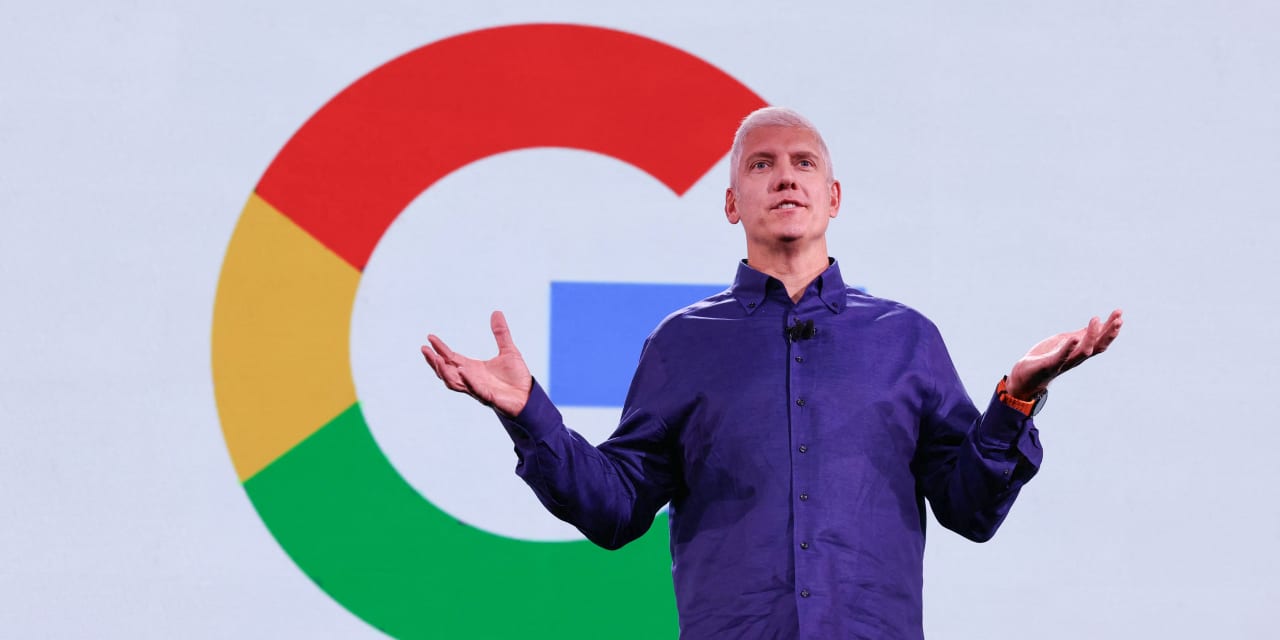
Google Cloud's Rapid Growth and Microsoft's Successful AI Strategy
- Google Cloud Revenue Surge: Google Cloud's revenue soared by 63% year-over-year in Q1, adding nearly $8 billion in new business, showcasing its strong performance in the cloud computing market, particularly driven by AI workloads, which further solidifies its market position.
- AI Technology Advantage: Google Cloud's Gemini generative AI product excels in the market by offering high-performance yet low-cost models, making it the preferred platform for building AI applications, which is expected to attract more enterprise customers.
- TPU Chip Innovation: The introduction of the Tensor Processing Unit (TPU) chip by Google Cloud offers superior cost-performance compared to traditional GPU training, with Alphabet planning to sell TPUs to external clients, thereby expanding revenue streams and enhancing its competitive edge.
- Stable Growth for Microsoft Cloud: Microsoft Azure's growth rate stands at 40% year-over-year, and despite limited disclosures, its partnership with OpenAI and integration of ChatGPT into productivity software indicate ongoing investment and market potential in the AI sector.
See More

Alphabet to Replace Verizon in Dow Jones

- DJIA Component Change: Alphabet Inc. will officially replace Verizon Communications Inc. in the Dow Jones Industrial Average on June 29, enhancing the index's representation of dynamic sectors of the U.S. economy, particularly in advertising and cloud infrastructure.
- Honeywell Name Change: Following the spin-off of Honeywell Aerospace Inc., Honeywell International Inc. will retain its position in the DJIA under the new name Honeywell Technologies Inc., indicating the company's ongoing evolution in the technology sector.
- Positive Market Reaction: Following the announcement of the component change, Alphabet's stock price rose approximately 0.64% in pre-market trading to $348.30, reflecting a positive market response that may further bolster investor confidence.
- Index Weight Adjustment: Verizon's weight in the DJIA was only 0.5%, while Alphabet's inclusion is expected to enhance the overall market performance of the index, reflecting higher market capitalization and broader business coverage, likely attracting more investor interest.
See More
Alphabet's Major Push into AI Infrastructure Sparks Investor Debate
- Massive Fundraising: Alphabet is planning to raise nearly $85 billion for AI infrastructure, which could lead to dilution risk but also provides funding for the next phase of growth, showcasing its ambitions in the AI sector.
- Investor Divergence: While the large-scale investment may yield long-term benefits, investors are divided on whether Alphabet can convert aggressive spending into durable earnings power, which could impact its stock performance.
- Market Performance Scrutiny: As of June 6, 2026, Alphabet's stock price performance is under scrutiny, especially after it failed to make the Motley Fool Stock Advisor's list of the top 10 stocks, challenging investor confidence in its future growth.
- Historical Return Comparison: Compared to past successful recommendations like Netflix and Nvidia, which achieved returns of 417,305% and 1,293,148% respectively, Alphabet's investment potential is being questioned, highlighting competitive pressures in the current market environment.
See More
SpaceX and Tesla Collaborate on Semiconductor Plant
- Semiconductor Plant Collaboration: SpaceX and Tesla are collaborating to build the world's largest vertically integrated semiconductor manufacturing plant, Terafab, which is expected to cover 100 million square feet, ten times the size of Tesla's Giga Texas factory, aimed at accelerating chip production to support future growth objectives for both companies.
- AI Satellite Design Challenges: SpaceX plans to design AI compute satellites to support its data centers but faces limitations in compute capacity; Tesla's energy storage technology could help address these challenges, enhancing satellite efficiency and reducing light pollution.
- Strategic Merger Implications: Merging SpaceX with Tesla would consolidate Musk's various innovative projects, streamline financing processes, and accelerate the construction of Terafab, thereby strengthening both companies' competitiveness in AI and energy sectors.
- Investor Focus: Investors should pay attention to SpaceX's upcoming earnings call to see if Musk discusses merger prospects and their potential impact on both companies, especially in light of SpaceX's stock price decline of 31.5%.
See More
SpaceX Shares Plunge 16.4% Amid Merger Talks with Tesla
- Significant Stock Drop: On June 22, SpaceX's stock plummeted 16.4% to $154.60 per share, marking a 31.5% decline from its intraday high of $225.64, indicating market concerns over its growth prospects and potentially shaking investor confidence.
- Strategic Merger Simplification: A merger between SpaceX and Tesla would consolidate their innovations in robotics, energy storage, and autonomous driving under one umbrella, enhancing operational efficiency and making the growth stock more appealing to long-term investors.
- Terafab Collaboration: The collaborative Terafab project between SpaceX, Tesla, and xAI aims to build the world's largest chip plant, covering 100 million square feet, which, if successful, could significantly boost both companies' AI computing capabilities and reduce reliance on external suppliers.
- Space Energy Storage Potential: SpaceX's ambition to create AI compute satellite constellations in space could harness solar energy, and Tesla's energy storage technology could help mitigate light pollution while enhancing satellite efficiency, fostering collaboration in space technology between the two companies.
See More
Investment Outlook for Cloud Computing Sector
- Google Cloud's Rapid Growth: In Q1, Google Cloud's revenue surged by 63% year-over-year, adding nearly $8 billion in new business, demonstrating its strong performance in the cloud computing market, particularly driven by AI workloads, which are expected to continue attracting more enterprise clients.
- AI Technology Advantage: Google Cloud's Tensor Processing Unit (TPU) offers superior cost-performance compared to GPUs, fueling its rapid growth, with plans to sell TPUs to external clients, further expanding revenue streams and solidifying its market position.
- Microsoft's Steady Cloud Business: Microsoft Azure reported a 40% revenue growth rate in the latest quarter; despite limited disclosures, its partnership with OpenAI and diverse AI model offerings keep it competitive in the market, likely attracting more enterprise users.
- Emerging Investment Opportunities: Microsoft's stock is down 30% from its highs, and combined with its strong core business and the long-term growth potential of cloud computing, it presents a solid buying opportunity for investors, forming a robust investment group alongside Google Cloud.
See More
Google Cloud's Rapid Growth and Microsoft's Successful AI Strategy
- Google Cloud Revenue Surge: Google Cloud's revenue soared by 63% year-over-year in Q1, adding nearly $8 billion in new business, showcasing its strong performance in the cloud computing market, particularly driven by AI workloads, which further solidifies its market position.
- AI Technology Advantage: Google Cloud's Gemini generative AI product excels in the market by offering high-performance yet low-cost models, making it the preferred platform for building AI applications, which is expected to attract more enterprise customers.
- TPU Chip Innovation: The introduction of the Tensor Processing Unit (TPU) chip by Google Cloud offers superior cost-performance compared to traditional GPU training, with Alphabet planning to sell TPUs to external clients, thereby expanding revenue streams and enhancing its competitive edge.
- Stable Growth for Microsoft Cloud: Microsoft Azure's growth rate stands at 40% year-over-year, and despite limited disclosures, its partnership with OpenAI and integration of ChatGPT into productivity software indicate ongoing investment and market potential in the AI sector.
See More
Alphabet to Replace Verizon in Dow Jones
- DJIA Component Change: Alphabet Inc. will officially replace Verizon Communications Inc. in the Dow Jones Industrial Average on June 29, enhancing the index's representation of dynamic sectors of the U.S. economy, particularly in advertising and cloud infrastructure.
- Honeywell Name Change: Following the spin-off of Honeywell Aerospace Inc., Honeywell International Inc. will retain its position in the DJIA under the new name Honeywell Technologies Inc., indicating the company's ongoing evolution in the technology sector.
- Positive Market Reaction: Following the announcement of the component change, Alphabet's stock price rose approximately 0.64% in pre-market trading to $348.30, reflecting a positive market response that may further bolster investor confidence.
- Index Weight Adjustment: Verizon's weight in the DJIA was only 0.5%, while Alphabet's inclusion is expected to enhance the overall market performance of the index, reflecting higher market capitalization and broader business coverage, likely attracting more investor interest.
See More





