Interactive Brokers Reports February Performance Metrics
Written by Emily J. Thompson, Senior Investment Analyst
Updated: Mar 02 2026
0mins
Should l Buy IBKR?
Source: Newsfilter
- Volume Growth: Interactive Brokers reported 4.366 million Daily Average Revenue Trades (DARTs) in February, a 21% increase year-over-year, although down 1% month-over-month, indicating sustained client engagement despite short-term fluctuations.
- Client Equity Increase: As of the end of February, total client equity reached $820 billion, up 40% from the previous year and slightly up 1% from the prior month, reflecting the company's success in attracting new clients and increasing existing client investments.
- Margin Loan Balances Rise: Client margin loan balances stood at $90 billion, a 42% increase year-over-year, although down 1% from the previous month, indicating strong demand for leveraged trading, which could drive future revenue growth.
- Client Account Expansion: The total number of client accounts reached 4.646 million, a 31% increase from the previous year and a 2% increase month-over-month, suggesting enhanced competitiveness in the market and the ability to attract more investors.
Trade with 70% Backtested Accuracy
Stop guessing "Should I Buy IBKR?" and start using high-conviction signals backed by rigorous historical data.
Sign up today to access powerful investing tools and make smarter, data-driven decisions.
Analyst Views on IBKR
Wall Street analysts forecast IBKR stock price to rise
7 Analyst Rating
6 Buy
1 Hold
0 Sell
Strong Buy
Current: 67.910

Low
75.00
Averages
81.43
High
91.00
Current: 67.910
Low
75.00
Averages
81.43
High
91.00
About IBKR
Interactive Brokers Group, Inc. is an automated global electronic broker. The Company custodies and services accounts for hedge and mutual funds, exchange-traded funds (ETFs), registered investment advisors, proprietary trading groups, introducing brokers and individual investors. It specializes in routing orders and executing and processing trades in stocks, options, futures, foreign exchange instruments (forex), bonds, mutual funds, ETFs, precious metals, and forecast contracts on more than 160 electronic exchanges and market centers in 36 countries and 28 currencies around the world. In addition, its customers can use its trading platform to trade certain cryptocurrencies through third-party cryptocurrency service providers that execute, clear and custody the cryptocurrencies. Its trading platforms include IBKR Desktop, IBKR Trader Workstation, IBKR Mobile, IBKR Client Portal and others. Its key product offerings include IBKR Pro, IBKR Lite, and IBKR Universal Account.
About the author

Emily J. Thompson
Emily J. Thompson, a Chartered Financial Analyst (CFA) with 12 years in investment research, graduated with honors from the Wharton School. Specializing in industrial and technology stocks, she provides in-depth analysis for Intellectia’s earnings and market brief reports.

Interactive Brokers Reports Strong March Performance Metrics

- Volume Growth: In March, Interactive Brokers reported a Daily Average Revenue Trades (DARTs) of 4.329 million, a 25% increase year-over-year, indicating a significant rise in client activity that strengthens its market position.
- Client Equity Increase: As of the end of March, total client equity reached $789.4 billion, up 38% from the previous year, although down 4% month-over-month, reflecting the company's success in attracting client funds.
- Client Accounts Growth: The number of client accounts rose to 4.754 million, a 31% increase year-over-year, demonstrating effective strategies in expanding its customer base and market penetration, which enhances future revenue potential.
- Stable Commission Revenue: The average commission per cleared commissionable order was $2.74, showcasing the company's competitiveness in trade execution, maintaining a stable revenue stream despite market fluctuations.
See More

Trump's Policies Spark New 'TACO Trade' Strategy

- Market Reaction Mechanism: Trump's 'Liberation Day' policy led to a more than 12% drop in the S&P 500, but after announcing a tariff pause, the index surged 9.52%, demonstrating the market's sensitivity to policy changes and investors' quick response capabilities.
- Investor Behavior Shift: Although the 'TACO trade' performed strongly initially, retail investor activity has declined amid the Middle East war, reflecting market concerns over uncertainty and a cautious outlook on future returns.
- Tariff Policy Impact: Trump's high tariffs on China caused the S&P 500 to drop 5.4% over the following seven trading days, while the Treasury Secretary's comments prompted a short-term rebound of 6.3%, highlighting the direct impact of policy communication on market sentiment.
- War and Market Volatility: At the onset of the Middle East war, the S&P 500 fell 5.4%, but after Trump announced constructive talks with Iran, the index rebounded 1.15%, indicating the market's sensitivity to diplomatic policy changes and its potential impact on stock performance.
See More

CFTC Sues Three States Over Prediction Market Regulations

- Legal Action: The Commodity Futures Trading Commission (CFTC) has filed a lawsuit against Arizona, Connecticut, and Illinois, accusing these states of unlawfully attempting to regulate prediction markets, despite CFTC's exclusive jurisdiction under the Commodity Exchange Act.
- Regulatory Challenges: CFTC Chairman Michael Selig emphasized that states imposing inconsistent regulatory obligations lead to inadequate consumer protection and increased fraud risks, highlighting the uncertainty in the regulatory environment for market participants.
- Industry Development Dynamics: Although prediction markets have operated within the CFTC's regulatory framework for over two decades, many view them as novel or unsettled, resulting in uncertainty that negatively impacts public interest and market stability.
- Market Participant Response: With major prediction markets like Polymarket and Kalshi in operation, and even Wall Street banks like Goldman Sachs considering entry into this space, there is a growing interest and potential for growth in prediction markets.
See More
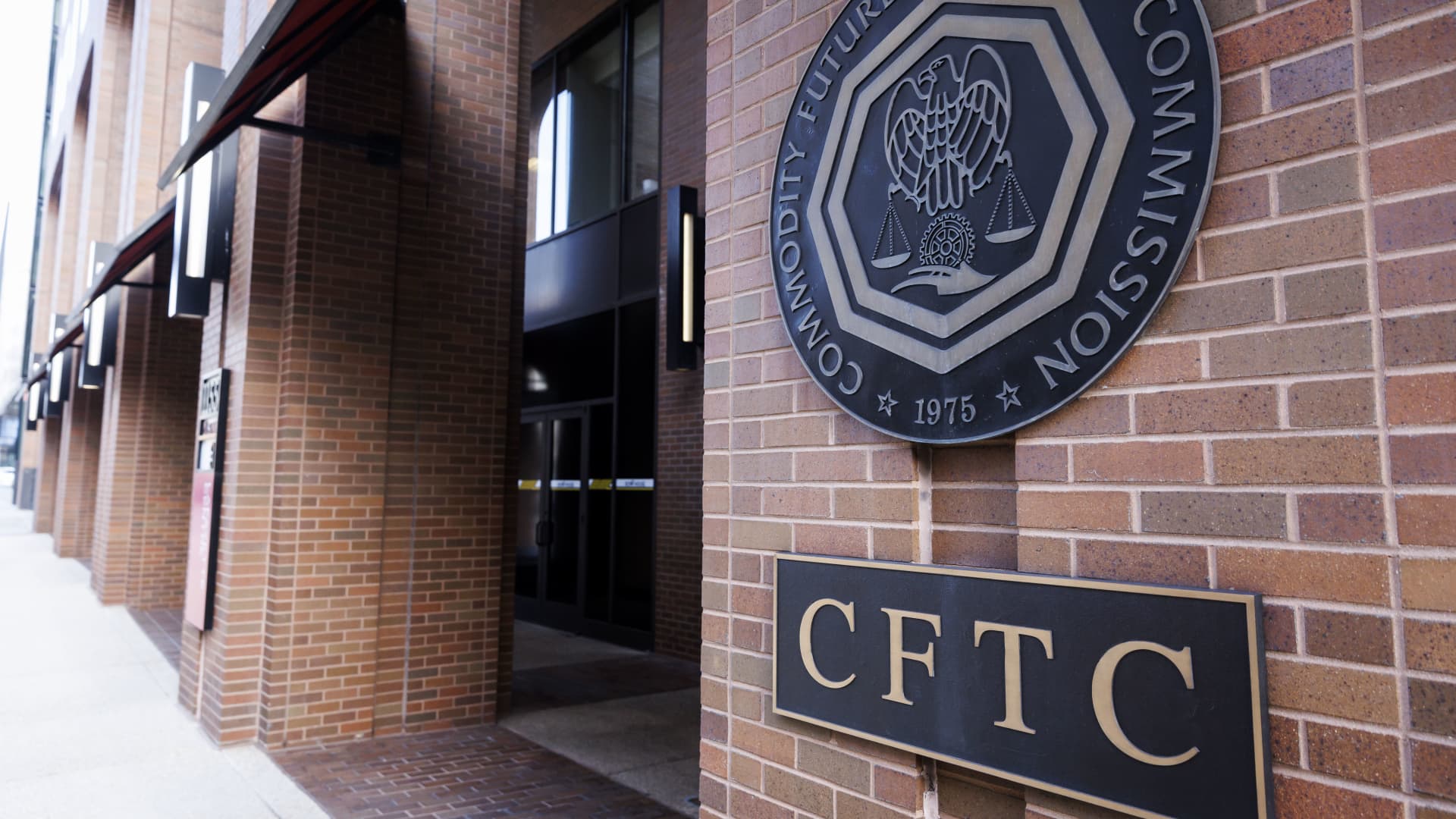
CFTC Sues Three States Over Prediction Market Regulation

- Regulatory Authority Dispute: The Commodity Futures Trading Commission (CFTC) has filed lawsuits against Arizona, Connecticut, and Illinois, accusing these states of attempting to restrict activities of contract markets registered with the CFTC, indicating a challenge to the CFTC's exclusive regulatory authority over prediction markets.
- Legal Basis: The CFTC asserts that it has exclusive authority to oversee event contracts under the Commodity Exchange Act, and the actions of these states are seen as interference with legally operating contract markets, which could lead to inadequate consumer protection and increased fraud risk.
- Political Context: This lawsuit comes amid heightened scrutiny of prediction markets in Congress, where some Democratic lawmakers have introduced legislation to ban betting on topics such as elections, war, and sports, indicating rising regulatory pressure on the industry.
- Industry Response: The NFL's chief compliance officer has requested prediction market operators to block event contracts deemed
See More

Interactive Brokers Reports Strong March Trading Metrics
- Trading Volume Surge: In March, Interactive Brokers' daily average revenue trades (DARTs) increased by 25% year-over-year to over 4.3 million, showing robust market activity despite a slight 1% dip from February, which strengthens the company's position in the competitive brokerage industry.
- Client Equity Growth: By the end of March, client equity exceeded $789 billion, marking a 38% year-over-year increase, although down 4% from February, indicating heightened client confidence in the market that could drive future trading activity and revenue growth.
- Rising Client Credit Balances: Client credit balances rose 35% year-over-year and increased by 4% from February, suggesting a higher level of client engagement in the market, which may further enhance the company's profitability and market share.
- Client Account Expansion: Interactive Brokers saw a 31% year-over-year increase in total client accounts, surpassing 4.75 million, with a 4% rise from February, reflecting the company's ability to attract new clients and the increased activity of existing ones, thereby bolstering its competitive edge in the market.
See More

Interactive Brokers Reports 25% YoY Increase in March Trading Revenue
- Trading Revenue Growth: Interactive Brokers reported a 25% year-over-year increase in March's daily average revenue trades, reaching 4.329 million, although it fell 1% month-over-month, indicating the company's resilience amid market fluctuations.
- Client Equity Increase: As of the end of March, total client equity stood at $789.4 billion, up 38% year-over-year but down 4% month-over-month, reflecting the impact of market conditions on client investments.
- Margin Loan Balances Rise: Client margin loan balances reached $86.0 billion, a 35% increase from last year but down 4% from February, suggesting a cautious approach among clients regarding borrowing.
- Client Account Growth: The total number of client accounts reached 4.754 million, representing a 31% year-over-year increase and a 2% month-over-month rise, demonstrating Interactive Brokers' success in attracting new clients.
See More
Interactive Brokers Reports Strong March Performance Metrics
- Volume Growth: In March, Interactive Brokers reported a Daily Average Revenue Trades (DARTs) of 4.329 million, a 25% increase year-over-year, indicating a significant rise in client activity that strengthens its market position.
- Client Equity Increase: As of the end of March, total client equity reached $789.4 billion, up 38% from the previous year, although down 4% month-over-month, reflecting the company's success in attracting client funds.
- Client Accounts Growth: The number of client accounts rose to 4.754 million, a 31% increase year-over-year, demonstrating effective strategies in expanding its customer base and market penetration, which enhances future revenue potential.
- Stable Commission Revenue: The average commission per cleared commissionable order was $2.74, showcasing the company's competitiveness in trade execution, maintaining a stable revenue stream despite market fluctuations.
See More
Trump's Policies Spark New 'TACO Trade' Strategy
- Market Reaction Mechanism: Trump's 'Liberation Day' policy led to a more than 12% drop in the S&P 500, but after announcing a tariff pause, the index surged 9.52%, demonstrating the market's sensitivity to policy changes and investors' quick response capabilities.
- Investor Behavior Shift: Although the 'TACO trade' performed strongly initially, retail investor activity has declined amid the Middle East war, reflecting market concerns over uncertainty and a cautious outlook on future returns.
- Tariff Policy Impact: Trump's high tariffs on China caused the S&P 500 to drop 5.4% over the following seven trading days, while the Treasury Secretary's comments prompted a short-term rebound of 6.3%, highlighting the direct impact of policy communication on market sentiment.
- War and Market Volatility: At the onset of the Middle East war, the S&P 500 fell 5.4%, but after Trump announced constructive talks with Iran, the index rebounded 1.15%, indicating the market's sensitivity to diplomatic policy changes and its potential impact on stock performance.
See More
CFTC Sues Three States Over Prediction Market Regulations
- Legal Action: The Commodity Futures Trading Commission (CFTC) has filed a lawsuit against Arizona, Connecticut, and Illinois, accusing these states of unlawfully attempting to regulate prediction markets, despite CFTC's exclusive jurisdiction under the Commodity Exchange Act.
- Regulatory Challenges: CFTC Chairman Michael Selig emphasized that states imposing inconsistent regulatory obligations lead to inadequate consumer protection and increased fraud risks, highlighting the uncertainty in the regulatory environment for market participants.
- Industry Development Dynamics: Although prediction markets have operated within the CFTC's regulatory framework for over two decades, many view them as novel or unsettled, resulting in uncertainty that negatively impacts public interest and market stability.
- Market Participant Response: With major prediction markets like Polymarket and Kalshi in operation, and even Wall Street banks like Goldman Sachs considering entry into this space, there is a growing interest and potential for growth in prediction markets.
See More
CFTC Sues Three States Over Prediction Market Regulation
- Regulatory Authority Dispute: The Commodity Futures Trading Commission (CFTC) has filed lawsuits against Arizona, Connecticut, and Illinois, accusing these states of attempting to restrict activities of contract markets registered with the CFTC, indicating a challenge to the CFTC's exclusive regulatory authority over prediction markets.
- Legal Basis: The CFTC asserts that it has exclusive authority to oversee event contracts under the Commodity Exchange Act, and the actions of these states are seen as interference with legally operating contract markets, which could lead to inadequate consumer protection and increased fraud risk.
- Political Context: This lawsuit comes amid heightened scrutiny of prediction markets in Congress, where some Democratic lawmakers have introduced legislation to ban betting on topics such as elections, war, and sports, indicating rising regulatory pressure on the industry.
- Industry Response: The NFL's chief compliance officer has requested prediction market operators to block event contracts deemed
See More
Interactive Brokers Reports Strong March Trading Metrics
- Trading Volume Surge: In March, Interactive Brokers' daily average revenue trades (DARTs) increased by 25% year-over-year to over 4.3 million, showing robust market activity despite a slight 1% dip from February, which strengthens the company's position in the competitive brokerage industry.
- Client Equity Growth: By the end of March, client equity exceeded $789 billion, marking a 38% year-over-year increase, although down 4% from February, indicating heightened client confidence in the market that could drive future trading activity and revenue growth.
- Rising Client Credit Balances: Client credit balances rose 35% year-over-year and increased by 4% from February, suggesting a higher level of client engagement in the market, which may further enhance the company's profitability and market share.
- Client Account Expansion: Interactive Brokers saw a 31% year-over-year increase in total client accounts, surpassing 4.75 million, with a 4% rise from February, reflecting the company's ability to attract new clients and the increased activity of existing ones, thereby bolstering its competitive edge in the market.
See More
Interactive Brokers Reports 25% YoY Increase in March Trading Revenue
- Trading Revenue Growth: Interactive Brokers reported a 25% year-over-year increase in March's daily average revenue trades, reaching 4.329 million, although it fell 1% month-over-month, indicating the company's resilience amid market fluctuations.
- Client Equity Increase: As of the end of March, total client equity stood at $789.4 billion, up 38% year-over-year but down 4% month-over-month, reflecting the impact of market conditions on client investments.
- Margin Loan Balances Rise: Client margin loan balances reached $86.0 billion, a 35% increase from last year but down 4% from February, suggesting a cautious approach among clients regarding borrowing.
- Client Account Growth: The total number of client accounts reached 4.754 million, representing a 31% year-over-year increase and a 2% month-over-month rise, demonstrating Interactive Brokers' success in attracting new clients.
See More