Intensifying EV Market Competition: Paths to Profitability for Rivian and Lucid
Written by Emily J. Thompson, Senior Investment Analyst
Updated: 39 minutes ago
0mins
Source: Fool
- Rivian's Market Positioning: Rivian focuses on producing high-end electric adventure vehicles, including the R1T pickup and R1S SUV, with FY 2025 revenue nearing $5.4 billion, an 8.4% increase year-over-year, despite a net loss of approximately $3.6 billion and a net margin of -67.7%, indicating a trend toward improvement.
- Lucid's Luxury Strategy: Lucid specializes in high-performance electric vehicles, achieving FY 2025 revenue of about $1.4 billion, a 68% year-over-year increase, yet reporting a net loss of roughly $2.7 billion with a net margin of -199.3%, highlighting challenges in profitability despite revenue growth.
- Competitive Risk Analysis: Rivian faces intense competition in the SUV and truck markets from established manufacturers like Tesla and Ford, while its direct-to-consumer sales model encounters regulatory limitations in certain states, increasing operational risks.
- Investment Outlook Comparison: While Rivian's customer concentration poses risks, its R2 SUV has significant market potential with an expected price around $45,000, appealing to a broader EV buyer base, whereas Lucid relies heavily on investments from Saudi Arabia's Public Investment Fund, facing greater uncertainty.
Trade with 70% Backtested Accuracy
Stop guessing "Should I Buy RIVN?" and start using high-conviction signals backed by rigorous historical data.
Sign up today to access powerful investing tools and make smarter, data-driven decisions.
Analyst Views on RIVN
Wall Street analysts forecast RIVN stock price to rise
18 Analyst Rating
8 Buy
7 Hold
3 Sell
Moderate Buy
Current: 14.150

Low
10.00
Averages
17.78
High
25.00
Current: 14.150
Low
10.00
Averages
17.78
High
25.00
About RIVN
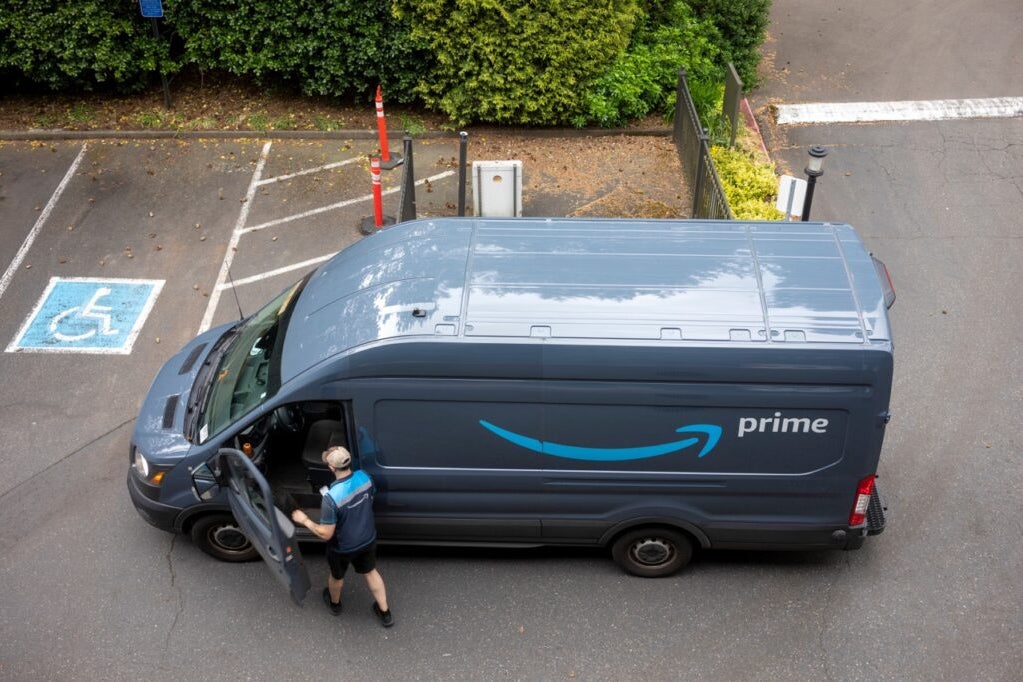
Rivian Automotive, Inc. is an automotive technology company, which is engaged in developing and manufacturing category-defining electric vehicles (EVs) as well as vertically integrated technologies and services. The Company's R1 platform consists of two vehicles: the R1T, a two-row five-passenger pickup truck, and the R1S, a three-row seven-passenger sport utility vehicle (SUV). In the commercial market, the Company offers a Rivian Commercial Vehicle (RCV) platform. The vehicle on this platform is the Electric Delivery Van (EDV), designed and engineered by Rivian in collaboration with Amazon. The Company also offers FleetOS, its proprietary, end-to-end centralized fleet management subscription platform. It also offers a variety of services, including vehicle repair and maintenance, financing, insurance, joint venture, software subscriptions, and vehicle accessories, among others. Its other services include vehicle electrical architecture and software development services, and more.
About the author

Emily J. Thompson
Emily J. Thompson, a Chartered Financial Analyst (CFA) with 12 years in investment research, graduated with honors from the Wharton School. Specializing in industrial and technology stocks, she provides in-depth analysis for Intellectia’s earnings and market brief reports.
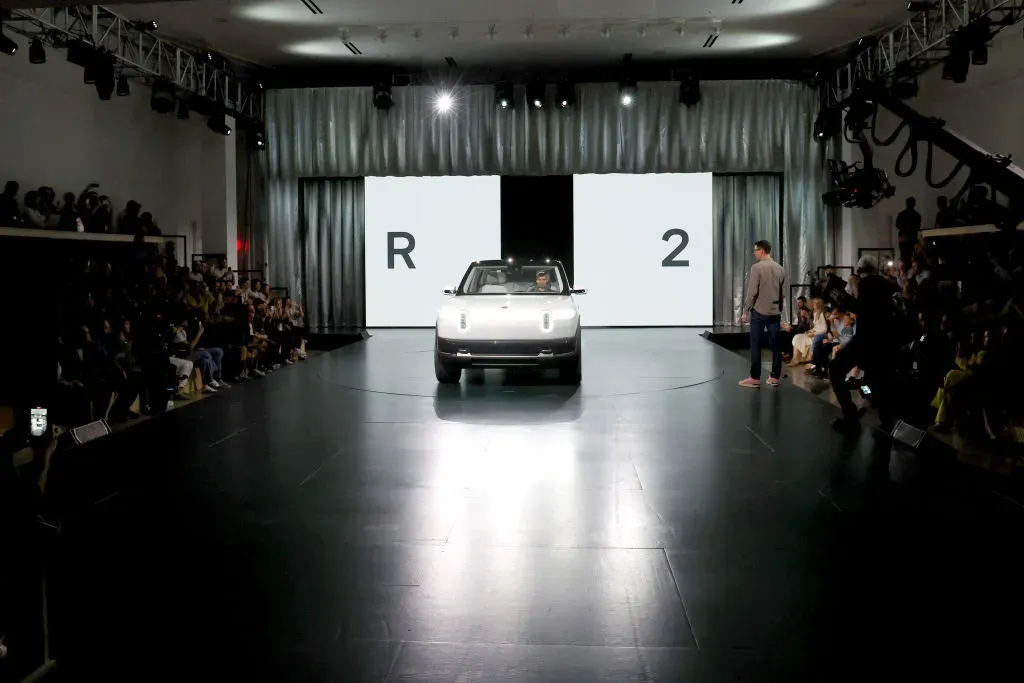
Rivian R2 Production Ramps Up as Pritzker Calls It the Best EV Maker

- R2 Production Update: Rivian has ramped up R2 production recently after earlier setbacks due to tornado damage, with deliveries expected to start this Spring, marking a significant step in the company's expansion in the EV market.
- Pritzker's Endorsement: Illinois Governor Pritzker praised Rivian as the 'best EV maker in the world,' stating that the R2, priced below $50,000, will democratize electric vehicle access for the middle class, highlighting its market significance.
- Investment and Employment: Rivian's $1.5 billion investment to expand R2 production at the former Mitsubishi plant has created thousands of jobs and plans for a nearby supplier park, further boosting local economic development.
- Delivery Expectations: Rivian now anticipates delivering 62,000 to 67,000 vehicles in 2026, a significant increase from 42,247 in 2025, although R2 deliveries will be 'back-half weighted,' which may impact the company's future market performance.
See More

Intensifying EV Market Competition: Paths to Profitability for Rivian and Lucid
- Rivian's Market Positioning: Rivian focuses on producing high-end electric adventure vehicles, including the R1T pickup and R1S SUV, with FY 2025 revenue nearing $5.4 billion, an 8.4% increase year-over-year, despite a net loss of approximately $3.6 billion and a net margin of -67.7%, indicating a trend toward improvement.
- Lucid's Luxury Strategy: Lucid specializes in high-performance electric vehicles, achieving FY 2025 revenue of about $1.4 billion, a 68% year-over-year increase, yet reporting a net loss of roughly $2.7 billion with a net margin of -199.3%, highlighting challenges in profitability despite revenue growth.
- Competitive Risk Analysis: Rivian faces intense competition in the SUV and truck markets from established manufacturers like Tesla and Ford, while its direct-to-consumer sales model encounters regulatory limitations in certain states, increasing operational risks.
- Investment Outlook Comparison: While Rivian's customer concentration poses risks, its R2 SUV has significant market potential with an expected price around $45,000, appealing to a broader EV buyer base, whereas Lucid relies heavily on investments from Saudi Arabia's Public Investment Fund, facing greater uncertainty.
See More

Uber's Potential in the Robotaxi Market


- Massive Market Potential: According to Precedence Research, the global robotaxi market is expected to soar from $4.4 billion in 2025 to $188.9 billion by 2034, indicating significant growth opportunities for Uber in this emerging sector.
- Vehicle Procurement Strategy: Uber plans to purchase 10,000 robotaxi vehicles from Rivian and an additional 40,000 by 2030, along with a deal to acquire at least 35,000 vehicles from Lucid, demonstrating its proactive positioning in the competitive landscape.
- Data and Branding Advantage: Uber leverages its vast ride data to support autonomous vehicle manufacturers in training for navigation in high-traffic environments, while its app provides an instant customer base for robotaxi services, enhancing market entry ease.
- Competition and Challenges: Despite Uber's potential in the robotaxi market, its stock price has fallen about 20% over the past 12 months, reflecting challenges amid increasing competition and regulatory hurdles, necessitating careful risk assessment by investors.
See More

Uber's Strategic Positioning in the Robotaxi Market
- Significant Revenue Growth: Uber's revenue surged from $6.5 billion in 2016 to over $52 billion by 2025, with net income projected to exceed $10 billion, indicating strong growth potential in the market.
- Robotaxi Market Outlook: According to Goldman Sachs, the number of robotaxis in the U.S. is expected to reach 35,000 by 2030, accounting for 8% of the rideshare market, with the global market valued at $4.4 billion in 2025 and projected to skyrocket to $188.9 billion by 2034.
- Strategic Partnerships: Uber plans to purchase up to 50,000 robotaxi vehicles from Rivian and Lucid Group, leveraging its data and branding to support autonomous vehicle manufacturers, thereby positioning itself advantageously in the competitive landscape.
- Diversified Investment Opportunities: Beyond robotaxis, Uber is collaborating with Joby Aviation on air taxis and investing in electric scooter and bike company Lime, showcasing its diversified strategy in the future mobility sector.
See More

Rivian Plans to Launch Mass-Market Vehicle in 2026

- Market Position Shift: Rivian is set to launch its mass-market vehicle, the R2, in 2026, aiming to attract less affluent customers, thereby expanding its market share and enhancing brand influence.
- Profitability Emergence: Rivian achieved gross profit in 2025, indicating manufacturing success despite not yet reaching positive earnings, laying the groundwork for future profitability.
- Production Capacity Boost: Should the R2 receive a positive market response, Rivian can ramp up production and spread costs across more vehicles, enhancing profitability and moving towards sustainable earnings.
- Investor Focus: The next three years are critical for Rivian; successfully launching the R2 and achieving profitability could significantly boost stock prices, drawing increased investor attention.
See More

Rivian Plans to Launch R2 Electric Truck in 2026
- R2 Launch: Rivian is set to introduce the R2 electric truck in 2026, aiming to broaden its customer base; if successful, this could pave the way for sustainable profitability and enhance brand appeal.
- Profitability Milestone: In 2025, Rivian achieved gross profit, indicating that its vehicle sales revenue exceeded production costs, marking a crucial step towards positive earnings and showcasing manufacturing success.
- Competitive Landscape: Rivian faces significant competition from Tesla and other EV startups, yet the upcoming R2 model could serve as a pivotal moment for the company, attracting less affluent customers and expanding its market reach.
- Future Prospects: Should the R2 launch perform well, Rivian could ramp up production and reduce R&D and administrative costs, propelling the company closer to profitability, making it essential for investors to monitor its financial results closely.
See More
Rivian R2 Production Ramps Up as Pritzker Calls It the Best EV Maker
- R2 Production Update: Rivian has ramped up R2 production recently after earlier setbacks due to tornado damage, with deliveries expected to start this Spring, marking a significant step in the company's expansion in the EV market.
- Pritzker's Endorsement: Illinois Governor Pritzker praised Rivian as the 'best EV maker in the world,' stating that the R2, priced below $50,000, will democratize electric vehicle access for the middle class, highlighting its market significance.
- Investment and Employment: Rivian's $1.5 billion investment to expand R2 production at the former Mitsubishi plant has created thousands of jobs and plans for a nearby supplier park, further boosting local economic development.
- Delivery Expectations: Rivian now anticipates delivering 62,000 to 67,000 vehicles in 2026, a significant increase from 42,247 in 2025, although R2 deliveries will be 'back-half weighted,' which may impact the company's future market performance.
See More
Intensifying EV Market Competition: Paths to Profitability for Rivian and Lucid
- Rivian's Market Positioning: Rivian focuses on producing high-end electric adventure vehicles, including the R1T pickup and R1S SUV, with FY 2025 revenue nearing $5.4 billion, an 8.4% increase year-over-year, despite a net loss of approximately $3.6 billion and a net margin of -67.7%, indicating a trend toward improvement.
- Lucid's Luxury Strategy: Lucid specializes in high-performance electric vehicles, achieving FY 2025 revenue of about $1.4 billion, a 68% year-over-year increase, yet reporting a net loss of roughly $2.7 billion with a net margin of -199.3%, highlighting challenges in profitability despite revenue growth.
- Competitive Risk Analysis: Rivian faces intense competition in the SUV and truck markets from established manufacturers like Tesla and Ford, while its direct-to-consumer sales model encounters regulatory limitations in certain states, increasing operational risks.
- Investment Outlook Comparison: While Rivian's customer concentration poses risks, its R2 SUV has significant market potential with an expected price around $45,000, appealing to a broader EV buyer base, whereas Lucid relies heavily on investments from Saudi Arabia's Public Investment Fund, facing greater uncertainty.
See More
Uber's Potential in the Robotaxi Market
- Massive Market Potential: According to Precedence Research, the global robotaxi market is expected to soar from $4.4 billion in 2025 to $188.9 billion by 2034, indicating significant growth opportunities for Uber in this emerging sector.
- Vehicle Procurement Strategy: Uber plans to purchase 10,000 robotaxi vehicles from Rivian and an additional 40,000 by 2030, along with a deal to acquire at least 35,000 vehicles from Lucid, demonstrating its proactive positioning in the competitive landscape.
- Data and Branding Advantage: Uber leverages its vast ride data to support autonomous vehicle manufacturers in training for navigation in high-traffic environments, while its app provides an instant customer base for robotaxi services, enhancing market entry ease.
- Competition and Challenges: Despite Uber's potential in the robotaxi market, its stock price has fallen about 20% over the past 12 months, reflecting challenges amid increasing competition and regulatory hurdles, necessitating careful risk assessment by investors.
See More
Uber's Strategic Positioning in the Robotaxi Market
- Significant Revenue Growth: Uber's revenue surged from $6.5 billion in 2016 to over $52 billion by 2025, with net income projected to exceed $10 billion, indicating strong growth potential in the market.
- Robotaxi Market Outlook: According to Goldman Sachs, the number of robotaxis in the U.S. is expected to reach 35,000 by 2030, accounting for 8% of the rideshare market, with the global market valued at $4.4 billion in 2025 and projected to skyrocket to $188.9 billion by 2034.
- Strategic Partnerships: Uber plans to purchase up to 50,000 robotaxi vehicles from Rivian and Lucid Group, leveraging its data and branding to support autonomous vehicle manufacturers, thereby positioning itself advantageously in the competitive landscape.
- Diversified Investment Opportunities: Beyond robotaxis, Uber is collaborating with Joby Aviation on air taxis and investing in electric scooter and bike company Lime, showcasing its diversified strategy in the future mobility sector.
See More
Rivian Plans to Launch Mass-Market Vehicle in 2026
- Market Position Shift: Rivian is set to launch its mass-market vehicle, the R2, in 2026, aiming to attract less affluent customers, thereby expanding its market share and enhancing brand influence.
- Profitability Emergence: Rivian achieved gross profit in 2025, indicating manufacturing success despite not yet reaching positive earnings, laying the groundwork for future profitability.
- Production Capacity Boost: Should the R2 receive a positive market response, Rivian can ramp up production and spread costs across more vehicles, enhancing profitability and moving towards sustainable earnings.
- Investor Focus: The next three years are critical for Rivian; successfully launching the R2 and achieving profitability could significantly boost stock prices, drawing increased investor attention.
See More
Rivian Plans to Launch R2 Electric Truck in 2026
- R2 Launch: Rivian is set to introduce the R2 electric truck in 2026, aiming to broaden its customer base; if successful, this could pave the way for sustainable profitability and enhance brand appeal.
- Profitability Milestone: In 2025, Rivian achieved gross profit, indicating that its vehicle sales revenue exceeded production costs, marking a crucial step towards positive earnings and showcasing manufacturing success.
- Competitive Landscape: Rivian faces significant competition from Tesla and other EV startups, yet the upcoming R2 model could serve as a pivotal moment for the company, attracting less affluent customers and expanding its market reach.
- Future Prospects: Should the R2 launch perform well, Rivian could ramp up production and reduce R&D and administrative costs, propelling the company closer to profitability, making it essential for investors to monitor its financial results closely.
See More