Intel to Increase Stake in SambaNova to 9%
Written by Emily J. Thompson, Senior Investment Analyst
Updated: 3 days ago
0mins
Should l Buy INTC?
Source: seekingalpha
- Investment Increase: Intel plans to inject an additional $15 million into AI chip startup SambaNova Systems, raising its stake to approximately 9%, reflecting Intel's ongoing commitment and confidence in the AI sector.
- Strategic Collaboration: This investment is separate from the February 2026 collaboration package, where Intel participated in a funding round alongside partners like SoftBank, indicating an accelerated strategic positioning in AI cloud and data center operations.
- Governance Concerns: Intel CEO Tan's close ties with SambaNova raise governance issues, as he has served as chairman since 2017, highlighting the deep alignment of Intel's AI chip strategy with the startup despite potential conflicts of interest.
- Market Outlook: SambaNova focuses on AI inference and training chips and software, and Intel's investment not only strengthens its competitive edge in the AI market but may also pave the way for future acquisition opportunities.
Trade with 70% Backtested Accuracy
Stop guessing "Should I Buy INTC?" and start using high-conviction signals backed by rigorous historical data.
Sign up today to access powerful investing tools and make smarter, data-driven decisions.
Analyst Views on INTC
Wall Street analysts forecast INTC stock price to fall
29 Analyst Rating
5 Buy
19 Hold
5 Sell
Hold
Current: 48.030

Low
20.00
Averages
39.30
High
52.00
Current: 48.030
Low
20.00
Averages
39.30
High
52.00
About INTC
Intel Corporation is a global designer and manufacturer of semiconductor products. The Company operates through three segments: Intel Products, Intel Foundry, and All Other. Its Intel Products segment includes Client Computing Group (CCG), Data Center and AI (DCAI), Network and Edge (NEX). The CCG is bringing together the operating system, system architecture, hardware, and software application integration to enable PC experiences. DCAI delivers workload-optimized solutions to cloud service providers and enterprises, along with silicon devices for communications service providers, network and edge, and HPC customers. NEX helps networks and edge compute systems from fixed-function hardware to general-purpose compute, acceleration, and networking devices running cloud native software on programmable hardware. The Intel Foundry segment comprises technology development, manufacturing and foundry services. All Other segments include Altera, Mobileye, Other.
About the author

Emily J. Thompson
Emily J. Thompson, a Chartered Financial Analyst (CFA) with 12 years in investment research, graduated with honors from the Wharton School. Specializing in industrial and technology stocks, she provides in-depth analysis for Intellectia’s earnings and market brief reports.
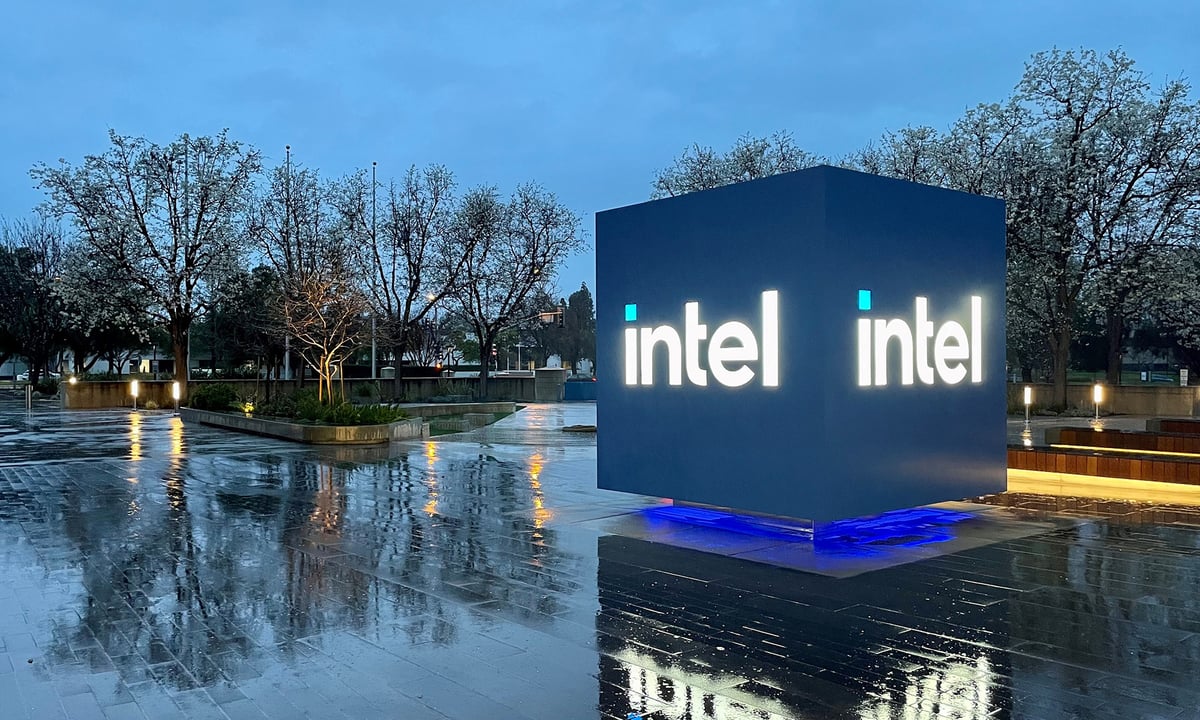
Intel Shows Significant Financial Improvement

- Financial Improvement: Intel's financial position has significantly improved compared to two years ago, reflecting the company's recovery and growth potential in the competitive market, which enhances investor confidence.
- Stock Performance: As of the afternoon of April 1, 2026, Intel's stock price rose by 4.89%, indicating a positive market reaction and optimistic expectations from investors regarding the company's future.
- Strategic Adjustments: This stock price increase is seen as a sign of successful strategic adjustments by Intel, indicating substantial progress in technology innovation and market expansion.
- Restored Market Confidence: The signs of improvement at Intel not only boost shareholder confidence but may also attract more investor attention, further driving the company's stock price upward.
See More

Peloton Faces Declining Subscription User Crisis


- Financial Improvement: Peloton improved its margins, strengthened its balance sheet, and reduced per-share losses in fiscal 2025, indicating positive financial management despite a challenging market environment.
- Declining Subscribers: However, the paid subscriber base fell by 11% in fiscal 2025, with continued losses into the first half of fiscal 2026, suggesting waning consumer interest in digital fitness, which could jeopardize future revenue stability.
- Cost-Cutting Measures: The company has implemented staff reductions and product line overhauls to cut costs, which have supported margins in the short term but failed to effectively address the ongoing subscriber losses, highlighting challenges in its transformation efforts.
- Increased Market Competition: As consumers prefer in-person workouts post-pandemic, Peloton's business model faces significant challenges, and if subscription trends cannot be reversed, the company's future profitability will be severely threatened.
See More

The Rise of Agentic AI and Investment Opportunities
- Massive Market Potential: Agentic AI is poised to be the next major trend over the coming years, expected to drive market growth, even as Wall Street has yet to fully recognize its potential, presenting a unique investment opportunity for savvy investors.
- Data Center Restructuring: With the rise of agentic AI, data center architectures will need to be reconfigured, and the data center CPU market is projected to grow to $100 billion in the next five years, with Arm aiming for a 15% market share.
- Salesforce's Data Advantage: Salesforce is enhancing its competitive edge in the market by launching Data 360 and acquiring Informatica, which aims to break down data silos and provide clean, structured data essential for agentic AI.
- AI Orchestration Management: As leaders in AI orchestration, ServiceNow and UiPath are helping clients effectively manage and govern external AI agents through their AI Control Tower and Maestro platforms, respectively, improving operational efficiency and reducing costs.
See More

Three AI Stocks Presenting Investment Opportunities

- Massive Market Potential: McKinsey estimates that data center expenditures will total $7 trillion by 2030, while Nvidia projects global capital expenditures will reach $3 to $4 trillion, providing Broadcom and Nvidia with significant market opportunities to capture a large share of computing power.
- Nvidia's Leadership Position: Nvidia's graphics processing units (GPUs) are the industry standard for AI computing, and despite competition, their powerful performance in accelerated computing tasks makes them nearly irreplaceable, ensuring continued market leadership.
- Nebius's Rapid Growth: Nebius's core AI revenue surged 802% year-over-year in Q4, with expectations to reach an annual run rate of $7 to $9 billion by the end of 2026, indicating strong demand for its AI infrastructure, even as its stock faces significant sell-off concerns.
- Timely Investment Opportunity: Both Broadcom and Nvidia stocks are currently undervalued, with forward price-to-earnings ratios indicating potential upside; investors should consider seizing this opportunity in light of projected strong performance in 2027.
See More

Amazon Transforms Smart Speakers into Monetization Engines

- Smart Speaker Market Potential: The global smart speaker market is projected to reach approximately $26 billion in 2023 and grow to over $105 billion by 2033, indicating strong growth potential, with Amazon actively positioning itself to capture market share.
- Alexa+ Upgrade: Amazon's launch of Alexa+ enhances smart speaker capabilities through artificial intelligence, enabling autonomous purchases that improve user experience and increase sales, further solidifying Amazon's leadership in the smart home sector.
- Advertising Revenue Growth: The display feature of Alexa not only enhances user interaction but also generates additional advertising revenue by showcasing businesses, indicating that smarter devices can lead to higher user engagement and monetization capabilities.
- Prime Membership Strategy: Amazon offers Alexa+ for $19.99 per month but provides it for free to Prime members, a strategy aimed at attracting more users to join Prime, thereby enhancing customer loyalty and driving overall revenue growth.
See More

Surging Oil Prices and Their Economic Impact
- Consumer Impact: The national average gas price has recently surpassed $4 per gallon, leading to increased consumer spending at the pump, which may reduce discretionary spending and negatively affect overall economic growth.
- Rising Business Costs: As oil prices surge, shipping costs are also rising, putting pressure on businesses with higher operational expenses, which could lead to layoffs and spending cuts, exacerbating the risk of economic slowdown.
- Recession Possibility: According to a Vanguard report, if oil prices remain above $150 per barrel, it could trigger a U.S. recession, although current prices are around $112 per barrel, significantly higher than $65 in late February.
- Inflation Risk: If oil prices stay above $100 per barrel for more than two quarters, inflation could rise by 80 basis points, further impacting consumer purchasing power and economic stability.
See More
Intel Shows Significant Financial Improvement
- Financial Improvement: Intel's financial position has significantly improved compared to two years ago, reflecting the company's recovery and growth potential in the competitive market, which enhances investor confidence.
- Stock Performance: As of the afternoon of April 1, 2026, Intel's stock price rose by 4.89%, indicating a positive market reaction and optimistic expectations from investors regarding the company's future.
- Strategic Adjustments: This stock price increase is seen as a sign of successful strategic adjustments by Intel, indicating substantial progress in technology innovation and market expansion.
- Restored Market Confidence: The signs of improvement at Intel not only boost shareholder confidence but may also attract more investor attention, further driving the company's stock price upward.
See More
Peloton Faces Declining Subscription User Crisis
- Financial Improvement: Peloton improved its margins, strengthened its balance sheet, and reduced per-share losses in fiscal 2025, indicating positive financial management despite a challenging market environment.
- Declining Subscribers: However, the paid subscriber base fell by 11% in fiscal 2025, with continued losses into the first half of fiscal 2026, suggesting waning consumer interest in digital fitness, which could jeopardize future revenue stability.
- Cost-Cutting Measures: The company has implemented staff reductions and product line overhauls to cut costs, which have supported margins in the short term but failed to effectively address the ongoing subscriber losses, highlighting challenges in its transformation efforts.
- Increased Market Competition: As consumers prefer in-person workouts post-pandemic, Peloton's business model faces significant challenges, and if subscription trends cannot be reversed, the company's future profitability will be severely threatened.
See More
The Rise of Agentic AI and Investment Opportunities
- Massive Market Potential: Agentic AI is poised to be the next major trend over the coming years, expected to drive market growth, even as Wall Street has yet to fully recognize its potential, presenting a unique investment opportunity for savvy investors.
- Data Center Restructuring: With the rise of agentic AI, data center architectures will need to be reconfigured, and the data center CPU market is projected to grow to $100 billion in the next five years, with Arm aiming for a 15% market share.
- Salesforce's Data Advantage: Salesforce is enhancing its competitive edge in the market by launching Data 360 and acquiring Informatica, which aims to break down data silos and provide clean, structured data essential for agentic AI.
- AI Orchestration Management: As leaders in AI orchestration, ServiceNow and UiPath are helping clients effectively manage and govern external AI agents through their AI Control Tower and Maestro platforms, respectively, improving operational efficiency and reducing costs.
See More
Three AI Stocks Presenting Investment Opportunities
- Massive Market Potential: McKinsey estimates that data center expenditures will total $7 trillion by 2030, while Nvidia projects global capital expenditures will reach $3 to $4 trillion, providing Broadcom and Nvidia with significant market opportunities to capture a large share of computing power.
- Nvidia's Leadership Position: Nvidia's graphics processing units (GPUs) are the industry standard for AI computing, and despite competition, their powerful performance in accelerated computing tasks makes them nearly irreplaceable, ensuring continued market leadership.
- Nebius's Rapid Growth: Nebius's core AI revenue surged 802% year-over-year in Q4, with expectations to reach an annual run rate of $7 to $9 billion by the end of 2026, indicating strong demand for its AI infrastructure, even as its stock faces significant sell-off concerns.
- Timely Investment Opportunity: Both Broadcom and Nvidia stocks are currently undervalued, with forward price-to-earnings ratios indicating potential upside; investors should consider seizing this opportunity in light of projected strong performance in 2027.
See More
Amazon Transforms Smart Speakers into Monetization Engines
- Smart Speaker Market Potential: The global smart speaker market is projected to reach approximately $26 billion in 2023 and grow to over $105 billion by 2033, indicating strong growth potential, with Amazon actively positioning itself to capture market share.
- Alexa+ Upgrade: Amazon's launch of Alexa+ enhances smart speaker capabilities through artificial intelligence, enabling autonomous purchases that improve user experience and increase sales, further solidifying Amazon's leadership in the smart home sector.
- Advertising Revenue Growth: The display feature of Alexa not only enhances user interaction but also generates additional advertising revenue by showcasing businesses, indicating that smarter devices can lead to higher user engagement and monetization capabilities.
- Prime Membership Strategy: Amazon offers Alexa+ for $19.99 per month but provides it for free to Prime members, a strategy aimed at attracting more users to join Prime, thereby enhancing customer loyalty and driving overall revenue growth.
See More
Surging Oil Prices and Their Economic Impact
- Consumer Impact: The national average gas price has recently surpassed $4 per gallon, leading to increased consumer spending at the pump, which may reduce discretionary spending and negatively affect overall economic growth.
- Rising Business Costs: As oil prices surge, shipping costs are also rising, putting pressure on businesses with higher operational expenses, which could lead to layoffs and spending cuts, exacerbating the risk of economic slowdown.
- Recession Possibility: According to a Vanguard report, if oil prices remain above $150 per barrel, it could trigger a U.S. recession, although current prices are around $112 per barrel, significantly higher than $65 in late February.
- Inflation Risk: If oil prices stay above $100 per barrel for more than two quarters, inflation could rise by 80 basis points, further impacting consumer purchasing power and economic stability.
See More