Intel Engages Amazon and Google for Advanced Packaging Services
Written by Emily J. Thompson, Senior Investment Analyst
Updated: Apr 06 2026
0mins
Source: Yahoo Finance
- Customer Engagement: Intel's ongoing discussions with Amazon and Google indicate the company's efforts to secure external clients for its advanced packaging technology, a crucial part of its foundry business that could enhance its market competitiveness.
- Technical Advantage Comparison: Intel's EMIB and EMIB-T packaging methods are designed to be more power-efficient and space-saving compared to Taiwan Semiconductor's approach, which may attract more clients to Intel's packaging services and drive business growth.
- AI-Driven Demand: The rapid advancement of artificial intelligence is fueling demand for advanced chip packaging, with Intel's foundry head stating that packaging technology could transform the AI landscape over the next decade, highlighting its strategic significance.
- Production Readiness: Intel has prepared for mass production of EMIB-T at its Rio Rancho facility in New Mexico, which employs about 2,700 people, indicating the company's proactive approach to expanding production capacity.
Trade with 70% Backtested Accuracy
Stop guessing "Should I Buy INTC?" and start using high-conviction signals backed by rigorous historical data.
Sign up today to access powerful investing tools and make smarter, data-driven decisions.
Analyst Views on INTC
Wall Street analysts forecast INTC stock price to fall
29 Analyst Rating
5 Buy
19 Hold
5 Sell
Hold
Current: 109.330

Low
20.00
Averages
39.30
High
52.00
Current: 109.330
Low
20.00
Averages
39.30
High
52.00
About INTC
Intel Corporation is a global designer and manufacturer of semiconductor products. The Company's segments include Intel Products, Intel Foundry, and All Other. Its Intel Products comprise Client Computing Group (CCG) and Data Center and AI (DCAI). CCG delivers platforms and processors that power PCs and edge devices, enabling enhanced performance, connectivity and user experience for consumer and commercial markets with capabilities that also support retail, industrial robotics and AI ecosystems at the edge. DCAI delivers workload-optimized solutions based upon its x86 architecture for data centers, including CPUs, AI accelerators, NICs, IPUs and custom ASICs, enabling performance and scalability for cloud, enterprise, telecommunication and HPC environments. The Intel Foundry segment comprises technology development, manufacturing and foundry services, developing new semiconductor process technologies and advanced packaging technologies. All Other segments include Mobileye and Other.
About the author

Emily J. Thompson
Emily J. Thompson, a Chartered Financial Analyst (CFA) with 12 years in investment research, graduated with honors from the Wharton School. Specializing in industrial and technology stocks, she provides in-depth analysis for Intellectia’s earnings and market brief reports.
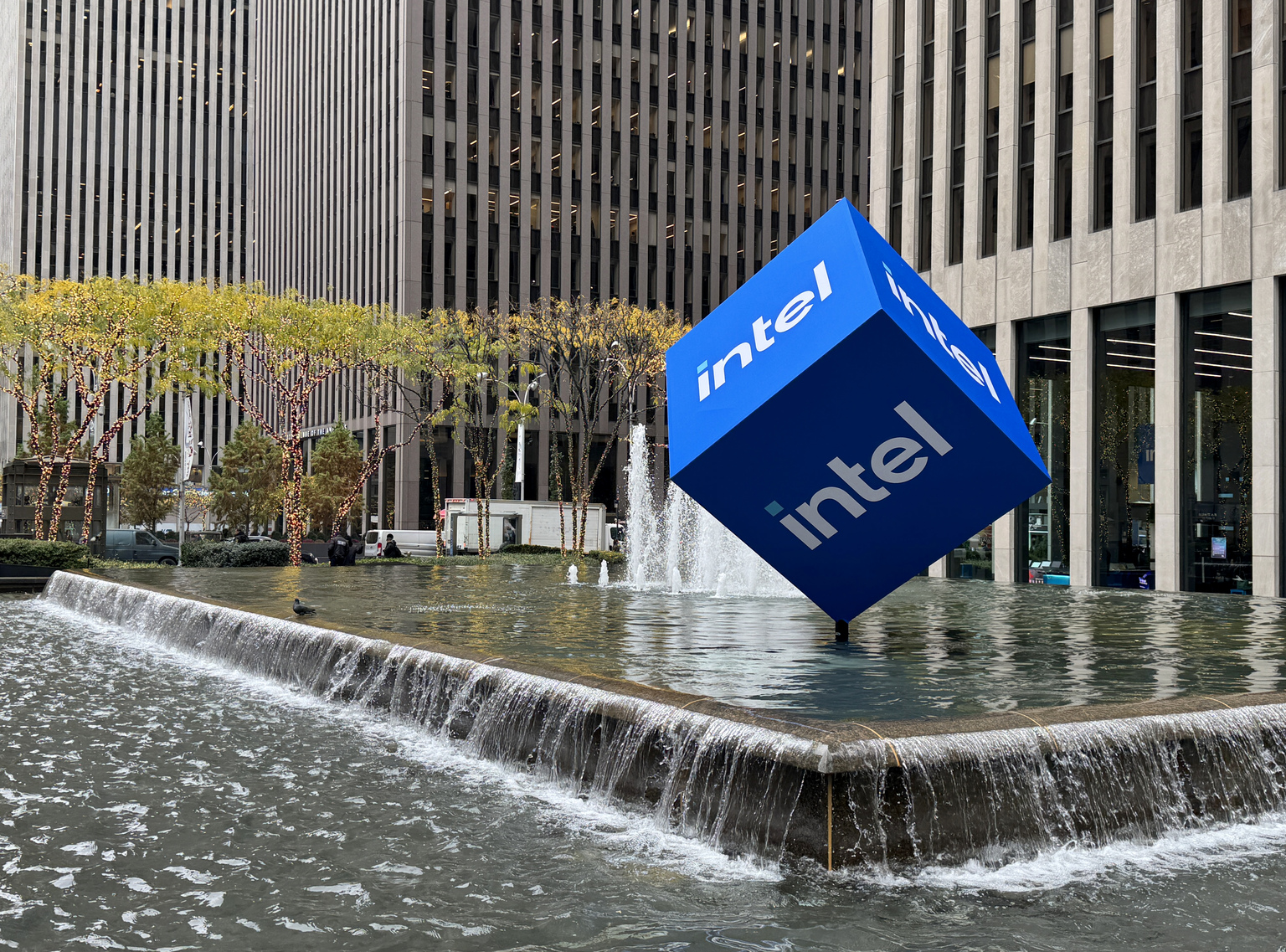
Intel to Launch New AI Chip by Year-End

- New AI Chip Launch: Intel plans to release its AI chip named 'Crescent Island' by the end of this year, utilizing cost-effective LPDDR5 memory and air cooling technology, aimed at AI inference tasks, with an initial limited availability that highlights the company's strategic shift into the AI infrastructure market.
- Market Positioning: Unlike Nvidia's high-bandwidth memory (HBM) chips, the cost-effective nature of Crescent Island provides a competitive edge in specific markets, particularly in China, where Intel is assessing compliance with U.S. export restrictions for potential sales of the chip.
- R&D Timeline and Strategy: Developed over an 18-month period, this chip marks Intel's first major foray into the AI infrastructure market under new CEO Tan, indicating the company's commitment to the AI sector and expectations for future growth.
- Stock Market Reaction: Despite Intel's stock gaining 191% this year, it fell 5% in premarket trading on Monday after Nvidia announced its entry into the PC market, reflecting market concerns over intensified competition.
See More

Investment Opportunities Amid Market Volatility: Amazon and Meta


- Amazon's Attractive Valuation: Despite lagging the market over the past five years, Amazon's forward P/E ratio stands at 31 times, significantly lower than Walmart and Costco's 40 times, indicating strong growth potential in e-commerce and cloud computing.
- Surge in Operating Income: In Q1 2026, Amazon's North American segment saw a 43% increase in operating income alongside a 12% rise in sales, showcasing significant efficiency gains through robotics and AI, thereby enhancing its competitive edge.
- Meta's AI-Driven Growth: Meta reported a robust 33% revenue growth last quarter, with a forward P/E ratio of just 19 times, suggesting that despite concerns over AI infrastructure spending, its stock remains a valuable investment opportunity.
- Advertising Technology Innovation: Meta leverages AI to enhance its recommendation engine and advertising tools, leading to increased ad relevance and conversion rates, which boosts ad impressions and prices, solidifying its market position in social media and entertainment.
See More

AMD and Qualcomm Stocks Surge 40% Amid AI Demand

- AMD's Strong Performance: AMD reported a 38% year-over-year revenue increase to $10.3 billion in its Q1 earnings released in early May, driven by a 57% surge in its data center segment to $5.8 billion, indicating robust demand for AI hardware, with a projected Q2 revenue of $11.2 billion implying a 46% year-over-year growth.
- Broadcom's Impressive Growth: In its fiscal Q1 2026, Broadcom's revenue rose 29% to a record $19.3 billion, with AI revenue more than doubling by 106% to $8.4 billion, reflecting strong demand for custom chips, and it anticipates about $22 billion in Q2 revenue, up 47%.
- Qualcomm's Stock Volatility: Qualcomm's stock surged 40% in May, yet its core business is shrinking, with a 3% year-over-year revenue decline in Q2 due to a 13% drop in handset chip sales, and management expects further sequential declines, although investors remain optimistic about a potential deal with ByteDance.
- Market Outlook Uncertainty: Despite strong performances in May, AMD and Broadcom's high P/E ratios of 69 and over 40 reflect market expectations for sustained AI growth, while Qualcomm's lower ratio of around 21 indicates challenges in its core business, making future earnings reports a key focus for investors.
See More

AMD Data Center Revenue Grows 57% in Q1 2026
- AMD Earnings Highlights: AMD reported a 38% year-over-year revenue increase in Q1 2026, reaching $10.3 billion, with its data center segment growing 57% to a record $5.8 billion, driven by strong demand for EPYC server processors and Instinct GPUs, marking a clear inflection point in the company's growth trajectory.
- Broadcom's Strong Performance: Broadcom's fiscal Q1 2026 revenue rose 29% to $19.3 billion, with AI revenue more than doubling by 106% to $8.4 billion, indicating a surge in demand for custom accelerators and networking chips for major cloud companies, and it expects about $22 billion in Q2 revenue, up 47%.
- Qualcomm Market Dynamics: Qualcomm's stock surged in May, partly due to speculation about a deal with ByteDance to supply millions of custom AI data center chips; although the agreement remains unconfirmed, optimism about its AI business prospects has driven the stock price higher, with a current P/E ratio of around 21.
- Investor Focus on Future: Despite strong performances in May, investors should exercise caution as AMD and Broadcom trade at forward P/E ratios of 69 and over 40, reflecting expectations for sustained AI growth, yet any signs of demand cooling could impact stock prices, necessitating patience for more robust results.
See More

ARM Gains Traction in AI Data Centers with Key Clients


- Client Expansion: ARM CEO Rene Haas announced that ByteDance and Oracle are utilizing the company's AGI central processing units, which not only enhances ARM's credibility in the data center market but also indicates the potential application of its technology in AI.
- Market Competition: At Computex in Taipei, Haas emphasized the growing importance of CPUs in managing and processing vast amounts of information as AI workloads expand, positioning ARM favorably against Intel and AMD in this competitive landscape.
- Energy-Efficient Design: ARM's power-efficient chip designs are increasingly favored by cloud providers, as energy use and performance become critical factors with the scaling of AI data centers, driving demand for ARM's offerings in the market.
- Investment Outlook: For investors, ARM's evolution is no longer just a smartphone chip architecture narrative; the key will be whether it can convert early data center adoption into a larger share of AI infrastructure spending, which will be crucial for its market performance.
See More

Comparing Micron Technology and Intel in the AI Stock Race

- Micron's Revenue Surge: Micron Technology reported a staggering 196% revenue increase in Q2 FY2026, reaching nearly $24 billion, with non-GAAP earnings soaring 682% to $12.20 per share, highlighting its robust growth potential amid rising AI data center spending.
- Long-Term Contract Signed: Micron secured its first-ever five-year memory contract with a customer, indicating that the long-term demand for its memory products may exceed expectations, thereby reinforcing its strategic position in the AI era.
- Intel's Manufacturing Challenges: Despite Intel's stock rising 480% over the past year, its chip manufacturing segment reported a $2.4 billion loss in Q1 2026, revealing the profitability pressures it faces in a highly competitive market.
- AI Market Potential: Intel's potential in the AI CPU market is promising, especially as major tech companies shift towards CPUs better suited for AI inference; however, its sales growth remains slow, with only a 7% revenue increase in Q1, indicating ongoing challenges.
See More
Intel to Launch New AI Chip by Year-End
- New AI Chip Launch: Intel plans to release its AI chip named 'Crescent Island' by the end of this year, utilizing cost-effective LPDDR5 memory and air cooling technology, aimed at AI inference tasks, with an initial limited availability that highlights the company's strategic shift into the AI infrastructure market.
- Market Positioning: Unlike Nvidia's high-bandwidth memory (HBM) chips, the cost-effective nature of Crescent Island provides a competitive edge in specific markets, particularly in China, where Intel is assessing compliance with U.S. export restrictions for potential sales of the chip.
- R&D Timeline and Strategy: Developed over an 18-month period, this chip marks Intel's first major foray into the AI infrastructure market under new CEO Tan, indicating the company's commitment to the AI sector and expectations for future growth.
- Stock Market Reaction: Despite Intel's stock gaining 191% this year, it fell 5% in premarket trading on Monday after Nvidia announced its entry into the PC market, reflecting market concerns over intensified competition.
See More
Investment Opportunities Amid Market Volatility: Amazon and Meta
- Amazon's Attractive Valuation: Despite lagging the market over the past five years, Amazon's forward P/E ratio stands at 31 times, significantly lower than Walmart and Costco's 40 times, indicating strong growth potential in e-commerce and cloud computing.
- Surge in Operating Income: In Q1 2026, Amazon's North American segment saw a 43% increase in operating income alongside a 12% rise in sales, showcasing significant efficiency gains through robotics and AI, thereby enhancing its competitive edge.
- Meta's AI-Driven Growth: Meta reported a robust 33% revenue growth last quarter, with a forward P/E ratio of just 19 times, suggesting that despite concerns over AI infrastructure spending, its stock remains a valuable investment opportunity.
- Advertising Technology Innovation: Meta leverages AI to enhance its recommendation engine and advertising tools, leading to increased ad relevance and conversion rates, which boosts ad impressions and prices, solidifying its market position in social media and entertainment.
See More
AMD and Qualcomm Stocks Surge 40% Amid AI Demand
- AMD's Strong Performance: AMD reported a 38% year-over-year revenue increase to $10.3 billion in its Q1 earnings released in early May, driven by a 57% surge in its data center segment to $5.8 billion, indicating robust demand for AI hardware, with a projected Q2 revenue of $11.2 billion implying a 46% year-over-year growth.
- Broadcom's Impressive Growth: In its fiscal Q1 2026, Broadcom's revenue rose 29% to a record $19.3 billion, with AI revenue more than doubling by 106% to $8.4 billion, reflecting strong demand for custom chips, and it anticipates about $22 billion in Q2 revenue, up 47%.
- Qualcomm's Stock Volatility: Qualcomm's stock surged 40% in May, yet its core business is shrinking, with a 3% year-over-year revenue decline in Q2 due to a 13% drop in handset chip sales, and management expects further sequential declines, although investors remain optimistic about a potential deal with ByteDance.
- Market Outlook Uncertainty: Despite strong performances in May, AMD and Broadcom's high P/E ratios of 69 and over 40 reflect market expectations for sustained AI growth, while Qualcomm's lower ratio of around 21 indicates challenges in its core business, making future earnings reports a key focus for investors.
See More
AMD Data Center Revenue Grows 57% in Q1 2026
- AMD Earnings Highlights: AMD reported a 38% year-over-year revenue increase in Q1 2026, reaching $10.3 billion, with its data center segment growing 57% to a record $5.8 billion, driven by strong demand for EPYC server processors and Instinct GPUs, marking a clear inflection point in the company's growth trajectory.
- Broadcom's Strong Performance: Broadcom's fiscal Q1 2026 revenue rose 29% to $19.3 billion, with AI revenue more than doubling by 106% to $8.4 billion, indicating a surge in demand for custom accelerators and networking chips for major cloud companies, and it expects about $22 billion in Q2 revenue, up 47%.
- Qualcomm Market Dynamics: Qualcomm's stock surged in May, partly due to speculation about a deal with ByteDance to supply millions of custom AI data center chips; although the agreement remains unconfirmed, optimism about its AI business prospects has driven the stock price higher, with a current P/E ratio of around 21.
- Investor Focus on Future: Despite strong performances in May, investors should exercise caution as AMD and Broadcom trade at forward P/E ratios of 69 and over 40, reflecting expectations for sustained AI growth, yet any signs of demand cooling could impact stock prices, necessitating patience for more robust results.
See More
ARM Gains Traction in AI Data Centers with Key Clients
- Client Expansion: ARM CEO Rene Haas announced that ByteDance and Oracle are utilizing the company's AGI central processing units, which not only enhances ARM's credibility in the data center market but also indicates the potential application of its technology in AI.
- Market Competition: At Computex in Taipei, Haas emphasized the growing importance of CPUs in managing and processing vast amounts of information as AI workloads expand, positioning ARM favorably against Intel and AMD in this competitive landscape.
- Energy-Efficient Design: ARM's power-efficient chip designs are increasingly favored by cloud providers, as energy use and performance become critical factors with the scaling of AI data centers, driving demand for ARM's offerings in the market.
- Investment Outlook: For investors, ARM's evolution is no longer just a smartphone chip architecture narrative; the key will be whether it can convert early data center adoption into a larger share of AI infrastructure spending, which will be crucial for its market performance.
See More
Comparing Micron Technology and Intel in the AI Stock Race
- Micron's Revenue Surge: Micron Technology reported a staggering 196% revenue increase in Q2 FY2026, reaching nearly $24 billion, with non-GAAP earnings soaring 682% to $12.20 per share, highlighting its robust growth potential amid rising AI data center spending.
- Long-Term Contract Signed: Micron secured its first-ever five-year memory contract with a customer, indicating that the long-term demand for its memory products may exceed expectations, thereby reinforcing its strategic position in the AI era.
- Intel's Manufacturing Challenges: Despite Intel's stock rising 480% over the past year, its chip manufacturing segment reported a $2.4 billion loss in Q1 2026, revealing the profitability pressures it faces in a highly competitive market.
- AI Market Potential: Intel's potential in the AI CPU market is promising, especially as major tech companies shift towards CPUs better suited for AI inference; however, its sales growth remains slow, with only a 7% revenue increase in Q1, indicating ongoing challenges.
See More