INEOS and Shell Enter Joint Investment Agreement in Gulf of Mexico
Written by Emily J. Thompson, Senior Investment Analyst
Updated: May 05 2026
0mins
Should l Buy SHEL?
Source: seekingalpha
- Joint Agreement Signed: INEOS Energy has entered a joint investment agreement with Shell to pursue oil and gas resources in the Gulf of Mexico, indicating a strategic collaboration in the energy sector.
- Asset Interest Allocation: INEOS will acquire a 21% working interest in the assets for an undisclosed sum, aligning with its stakes in the Appomattox field, Rydberg, Nashville discovery, and Mattox pipeline, thereby enhancing its market position in the region.
- Initial Development Focus: The initial phase of the partnership will focus on three opportunities, including Shell's Fort Sumter discovery, drilling at the Sisco exploration well, and an additional exploration prospect expected to be pursued before the end of the decade, demonstrating confidence in future resource development.
- Infrastructure Connectivity Advantage: The collaboration allows any discoveries to connect to existing infrastructure, reducing development costs and enhancing the economic viability of resource extraction, further solidifying Shell's operational efficiency in the Gulf of Mexico.
Trade with 70% Backtested Accuracy
Stop guessing "Should I Buy SHEL?" and start using high-conviction signals backed by rigorous historical data.
Sign up today to access powerful investing tools and make smarter, data-driven decisions.
Analyst Views on SHEL
Wall Street analysts forecast SHEL stock price to fall
10 Analyst Rating
5 Buy
5 Hold
0 Sell
Moderate Buy
Current: 85.350

Low
41.75
Averages
74.27
High
91.00
Current: 85.350
Low
41.75
Averages
74.27
High
91.00
About SHEL
Shell plc is an international energy company engaged in the principal aspects of the energy and petrochemical industries. The Company's segments include Integrated Gas, Upstream, Marketing, Chemicals and Products, Renewables and Energy Solutions, and Corporate. The Integrated Gas segment includes liquefied natural gas (LNG), conversion of natural gas into gas-to-liquids (GTL) fuels and other products. It includes natural gas and liquids exploration and extraction, and the operation of the upstream and midstream infrastructure. The Upstream segment includes exploration and extraction of crude oil, natural gas and natural gas liquids. It also markets and transports oil and gas and operates the infrastructure necessary to deliver them to the market. The Marketing segment comprises the Mobility, Lubricants, and Sectors & Decarbonization businesses. The Chemicals and Products segment includes chemicals manufacturing plants with their own marketing network, and refineries.
About the author

Emily J. Thompson
Emily J. Thompson, a Chartered Financial Analyst (CFA) with 12 years in investment research, graduated with honors from the Wharton School. Specializing in industrial and technology stocks, she provides in-depth analysis for Intellectia’s earnings and market brief reports.
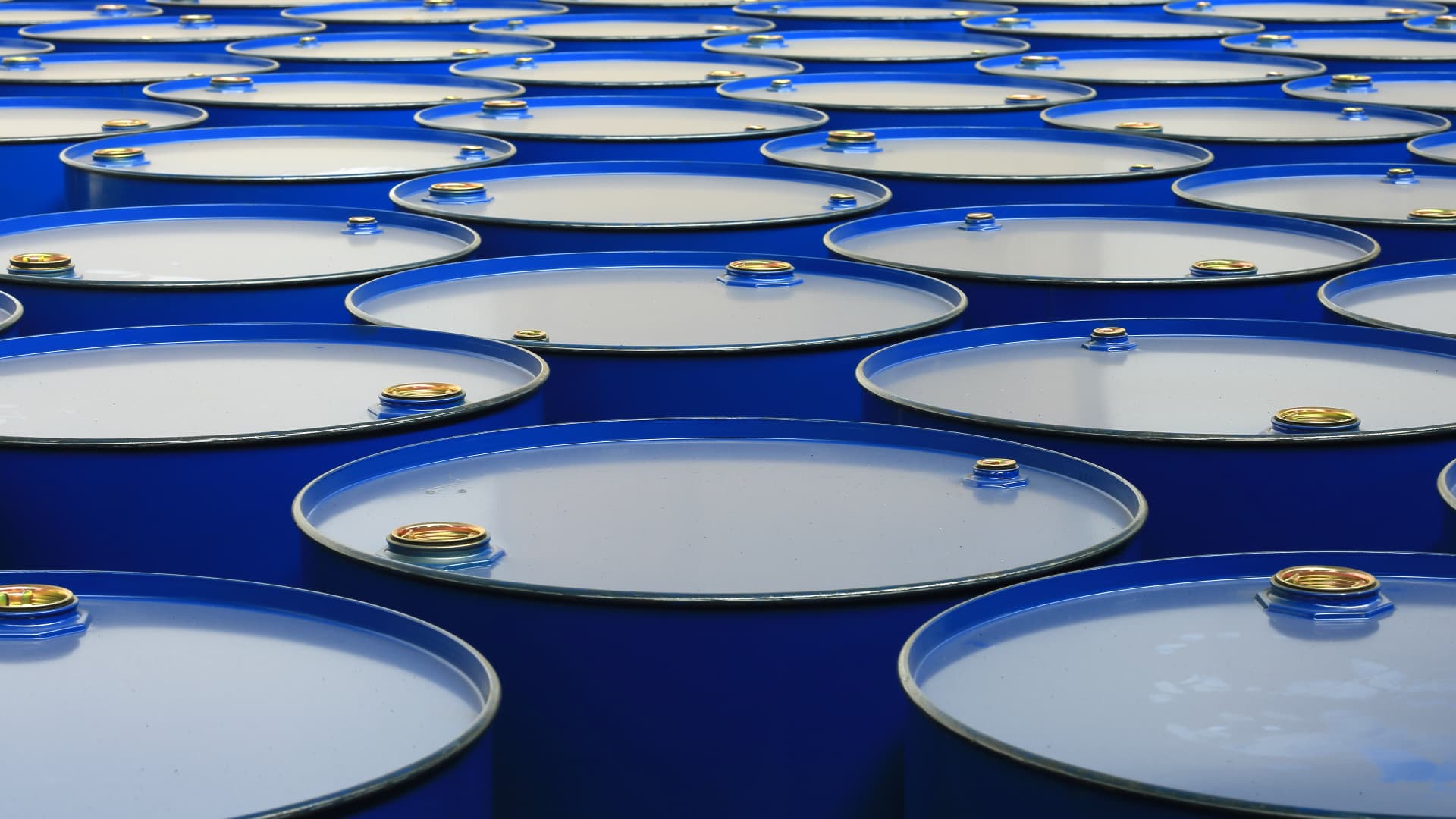
Iran War Triggers Largest Oil Supply Disruption in History

- Supply Disruption: The Iran war has resulted in a loss of nearly 1 billion barrels of oil, as confirmed by the CEOs of Saudi Aramco and Shell during their Q1 earnings calls, with an additional billion barrels expected to be lost by 2026, highlighting the fragility of the supply chain.
- China's Import Decline: China's seaborne crude oil imports have plummeted from about 14 million bpd to 8.5 million bpd, a drop of 5.5 million bpd, which is the primary reason oil prices have not surged, indicating a significant shift in market demand.
- Market Expectations: Market participants are betting on a quick reopening of the Strait of Hormuz, leading to futures prices that do not reflect the severity of the supply disruption, illustrating a disconnect between market optimism and reality.
- Refined Products Price Surge: Morgan Stanley notes that while crude prices remain relatively stable, refined product prices in Asia have surged by 60% to 120%, indicating that the impact of the supply shock is more pronounced in refined products than in crude oil prices.
See More
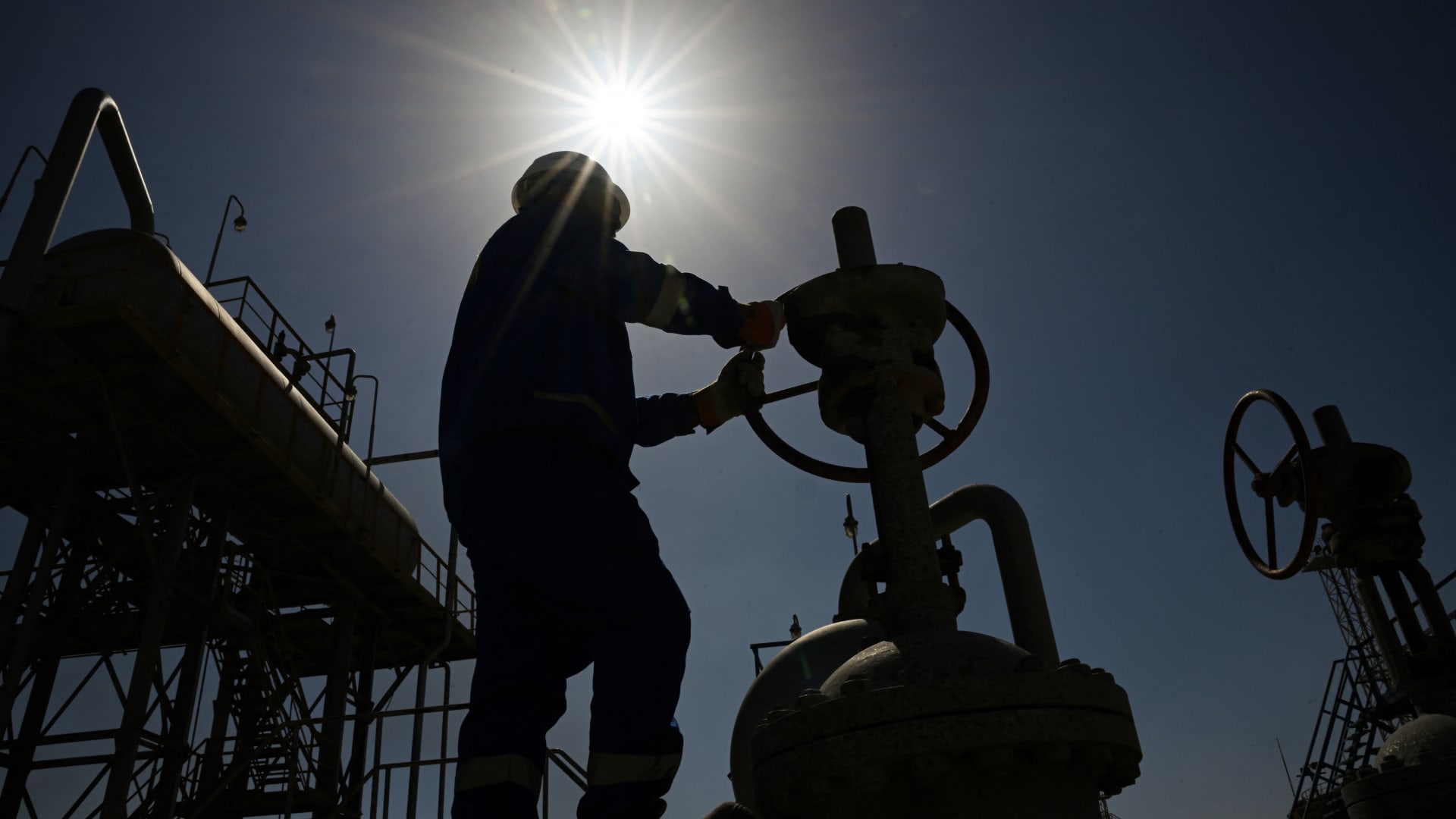
Oil Giants' Trading Units Report Strong Performance Amid Volatility
- Significant Trading Performance: In Q1 2026, TotalEnergies, Shell, and BP's trading units are estimated to have earned between $3.3 billion and $4.75 billion extra, showcasing strong performance during market volatility and reinforcing their competitive edge in the global energy market.
- Notable Profit Growth: TotalEnergies reported a quarterly net income of $5.4 billion, a 29% year-over-year increase; Shell's adjusted earnings reached $6.92 billion, up 23% from last year; BP's net profit hit $3.2 billion, more than doubling from the same period in 2025, reflecting the success of trading activities.
- Market Competitive Advantage: The top three European oil majors excel in establishing large trading units, particularly in high-volatility markets, allowing them to capitalize on trading opportunities and gain a competitive advantage over U.S. peers amid valuation gaps.
- Risks and Rewards: While trading desks have generated substantial short-term profits, analysts caution that over-reliance on trading could lead to cash management challenges, and in calmer markets, trading profits may take a backseat to core business revenues.
See More

Middle East Conflict Causes Global Oil Shortage

- Global Oil Shortage: Shell CEO Wael Sawan reports a global oil shortage of 1 billion barrels due to geopolitical conflicts in the Middle East, with recovery expected to take months, leading to sustained high energy prices that will impact the global market.
- Rising Energy Prices: Elevated oil prices will benefit integrated energy giants like Shell, ExxonMobil, and Chevron, with Chevron's 3.9% dividend yield surpassing both Shell and Exxon, demonstrating its stability throughout the energy cycle.
- Opportunities in U.S. Upstream Companies: Companies like Diamondback Energy and Devon Energy, focused solely on oil and gas production, estimate free cash flow yields of 15% at $90 per barrel oil, with Devon projecting a yield of 21% at $110 per barrel, highlighting their potential profitability.
- Market Volatility: While the Middle East conflict raises concerns, the inherent volatility of energy markets remains unchanged, prompting investors to choose strategies based on risk tolerance, with long-term investors favoring Chevron and short-term traders considering Diamondback and Devon Energy.
See More

Shell Executive Cederic Cremers Sells Shares
- Executive Transaction Disclosure: Shell's President Cederic Cremers sold 9,000 ordinary shares on May 8, 2026, totaling €322,425, indicating a potential decline in executive confidence in the company's stock.
- Transaction Details: The shares were sold at a price of €35.825 each in a non-trading venue, reflecting the executive's risk management strategy amid market volatility.
- Market Reaction: Although the sale may raise concerns about Shell's future performance, the transaction did not significantly impact the stock price in the short term, indicating ongoing market confidence in Shell's fundamentals.
- Compliance Requirements: This transaction complies with EU and UK market abuse regulations, ensuring transparency and compliance, which further enhances investor trust in Shell's governance structure.
See More

Shell CEO Warns of Oil Supply/Demand Imbalance
- Global Oil Shortage: Shell CEO Wael Sawan warns of a current shortfall of 1 billion barrels of oil, a sentiment echoed by Halliburton CEO Jeffrey Miller, indicating that this shortage will exacerbate rising oil prices and impact global economic stability.
- Consensus Among Executives: CEOs from Chevron and ExxonMobil agree that it will take months to rectify the growing supply-demand imbalance, highlighting the profound effects of current geopolitical conflicts on the oil market, which necessitates cautious investor strategies.
- Dividend Performance Discrepancy: While Shell offers a dividend yield of 3.4%, Chevron and Exxon have a stronger track record of dividend growth at 3.9% and 2.8% respectively, making them more attractive for long-term investors seeking stability.
- Investment Strategy Recommendation: For long-term investors, Chevron is viewed as the most appealing option among integrated energy giants, particularly as oil prices are expected to decline, providing reliable dividend income and mitigating investment risks.
See More

Middle East Conflict Causes Global Oil Shortage
- Global Oil Shortage: The closure of the Strait of Hormuz due to the Middle East conflict has resulted in a shortage of 1 billion barrels of oil, with Shell CEO Wael Sawan and Halliburton CEO Jeffrey Miller sounding alarms about the ongoing supply/demand imbalance that is expected to last for months, impacting global energy market stability.
- Industry Response: CEOs of Chevron and ExxonMobil concur that it will take months to rectify the supply/demand imbalance once the conflict ends, indicating that the oil supply shortfall will worsen in the interim, potentially leading to increased volatility in oil prices.
- Investment Strategy: In the current high oil price environment, investors are advised to focus on integrated energy giants like Shell, Chevron, and Exxon, noting that while Shell cut its dividend in 2020, Chevron and Exxon have consistently increased theirs, demonstrating stronger financial stability.
- Dividend Yield Comparison: Currently, Chevron offers a dividend yield of 3.9%, Exxon at 2.8%, and Shell at 3.4%, making Chevron the most attractive option among integrated majors for long-term investors, especially as oil prices are expected to decline, providing reliable dividend income.
See More
Iran War Triggers Largest Oil Supply Disruption in History
- Supply Disruption: The Iran war has resulted in a loss of nearly 1 billion barrels of oil, as confirmed by the CEOs of Saudi Aramco and Shell during their Q1 earnings calls, with an additional billion barrels expected to be lost by 2026, highlighting the fragility of the supply chain.
- China's Import Decline: China's seaborne crude oil imports have plummeted from about 14 million bpd to 8.5 million bpd, a drop of 5.5 million bpd, which is the primary reason oil prices have not surged, indicating a significant shift in market demand.
- Market Expectations: Market participants are betting on a quick reopening of the Strait of Hormuz, leading to futures prices that do not reflect the severity of the supply disruption, illustrating a disconnect between market optimism and reality.
- Refined Products Price Surge: Morgan Stanley notes that while crude prices remain relatively stable, refined product prices in Asia have surged by 60% to 120%, indicating that the impact of the supply shock is more pronounced in refined products than in crude oil prices.
See More
Oil Giants' Trading Units Report Strong Performance Amid Volatility
- Significant Trading Performance: In Q1 2026, TotalEnergies, Shell, and BP's trading units are estimated to have earned between $3.3 billion and $4.75 billion extra, showcasing strong performance during market volatility and reinforcing their competitive edge in the global energy market.
- Notable Profit Growth: TotalEnergies reported a quarterly net income of $5.4 billion, a 29% year-over-year increase; Shell's adjusted earnings reached $6.92 billion, up 23% from last year; BP's net profit hit $3.2 billion, more than doubling from the same period in 2025, reflecting the success of trading activities.
- Market Competitive Advantage: The top three European oil majors excel in establishing large trading units, particularly in high-volatility markets, allowing them to capitalize on trading opportunities and gain a competitive advantage over U.S. peers amid valuation gaps.
- Risks and Rewards: While trading desks have generated substantial short-term profits, analysts caution that over-reliance on trading could lead to cash management challenges, and in calmer markets, trading profits may take a backseat to core business revenues.
See More
Middle East Conflict Causes Global Oil Shortage
- Global Oil Shortage: Shell CEO Wael Sawan reports a global oil shortage of 1 billion barrels due to geopolitical conflicts in the Middle East, with recovery expected to take months, leading to sustained high energy prices that will impact the global market.
- Rising Energy Prices: Elevated oil prices will benefit integrated energy giants like Shell, ExxonMobil, and Chevron, with Chevron's 3.9% dividend yield surpassing both Shell and Exxon, demonstrating its stability throughout the energy cycle.
- Opportunities in U.S. Upstream Companies: Companies like Diamondback Energy and Devon Energy, focused solely on oil and gas production, estimate free cash flow yields of 15% at $90 per barrel oil, with Devon projecting a yield of 21% at $110 per barrel, highlighting their potential profitability.
- Market Volatility: While the Middle East conflict raises concerns, the inherent volatility of energy markets remains unchanged, prompting investors to choose strategies based on risk tolerance, with long-term investors favoring Chevron and short-term traders considering Diamondback and Devon Energy.
See More
Shell Executive Cederic Cremers Sells Shares
- Executive Transaction Disclosure: Shell's President Cederic Cremers sold 9,000 ordinary shares on May 8, 2026, totaling €322,425, indicating a potential decline in executive confidence in the company's stock.
- Transaction Details: The shares were sold at a price of €35.825 each in a non-trading venue, reflecting the executive's risk management strategy amid market volatility.
- Market Reaction: Although the sale may raise concerns about Shell's future performance, the transaction did not significantly impact the stock price in the short term, indicating ongoing market confidence in Shell's fundamentals.
- Compliance Requirements: This transaction complies with EU and UK market abuse regulations, ensuring transparency and compliance, which further enhances investor trust in Shell's governance structure.
See More
Shell CEO Warns of Oil Supply/Demand Imbalance
- Global Oil Shortage: Shell CEO Wael Sawan warns of a current shortfall of 1 billion barrels of oil, a sentiment echoed by Halliburton CEO Jeffrey Miller, indicating that this shortage will exacerbate rising oil prices and impact global economic stability.
- Consensus Among Executives: CEOs from Chevron and ExxonMobil agree that it will take months to rectify the growing supply-demand imbalance, highlighting the profound effects of current geopolitical conflicts on the oil market, which necessitates cautious investor strategies.
- Dividend Performance Discrepancy: While Shell offers a dividend yield of 3.4%, Chevron and Exxon have a stronger track record of dividend growth at 3.9% and 2.8% respectively, making them more attractive for long-term investors seeking stability.
- Investment Strategy Recommendation: For long-term investors, Chevron is viewed as the most appealing option among integrated energy giants, particularly as oil prices are expected to decline, providing reliable dividend income and mitigating investment risks.
See More
Middle East Conflict Causes Global Oil Shortage
- Global Oil Shortage: The closure of the Strait of Hormuz due to the Middle East conflict has resulted in a shortage of 1 billion barrels of oil, with Shell CEO Wael Sawan and Halliburton CEO Jeffrey Miller sounding alarms about the ongoing supply/demand imbalance that is expected to last for months, impacting global energy market stability.
- Industry Response: CEOs of Chevron and ExxonMobil concur that it will take months to rectify the supply/demand imbalance once the conflict ends, indicating that the oil supply shortfall will worsen in the interim, potentially leading to increased volatility in oil prices.
- Investment Strategy: In the current high oil price environment, investors are advised to focus on integrated energy giants like Shell, Chevron, and Exxon, noting that while Shell cut its dividend in 2020, Chevron and Exxon have consistently increased theirs, demonstrating stronger financial stability.
- Dividend Yield Comparison: Currently, Chevron offers a dividend yield of 3.9%, Exxon at 2.8%, and Shell at 3.4%, making Chevron the most attractive option among integrated majors for long-term investors, especially as oil prices are expected to decline, providing reliable dividend income.
See More