

India Faces Economic Fallout from Middle East Conflict
Written by Emily J. Thompson, Senior Investment Analyst
Updated: Mar 05 2026
0mins

Source: CNBC
- Remittance Dependency: India is the largest recipient of remittances globally, accounting for 3.5% of GDP, which is higher than the 2% share from exports to the U.S., highlighting the critical role of remittances in supporting India's economy.
- Gulf Contribution: According to a Citi report, remittances from Gulf countries contribute 38% of India's total inflows, with $51.4 billion out of $135.4 billion in FY2025 coming from this region, underscoring its significance to India's financial stability.
- External Pressure Risks: Experts warn that a prolonged conflict in the Middle East could sharply reduce remittance inflows, and combined with rising oil prices, this would exacerbate India's external economic pressures, potentially impacting the rupee.
- Growth Outlook: Despite potential short-term shocks to remittances, experts believe that if the conflict does not persist, India's economy is expected to maintain growth, with a projected growth rate of 7.8% in 2025.
Trade with 70% Backtested Accuracy
Stop guessing "Should I Buy JPM?" and start using high-conviction signals backed by rigorous historical data.
Sign up today to access powerful investing tools and make smarter, data-driven decisions.
Analyst Views on JPM
Wall Street analysts forecast JPM stock price to rise
19 Analyst Rating
11 Buy
7 Hold
1 Sell
Moderate Buy
Current: 339.220

Low
260.00
Averages
341.38
High
400.00
Current: 339.220
Low
260.00
Averages
341.38
High
400.00
About JPM
JPMorgan Chase & Co. is a financial holding company. The Company is engaged in investment banking, financial services for consumers and small businesses, commercial banking, financial transaction processing and asset management. The Company operates through three segments: Consumer & Community Banking (CCB), Commercial & Investment Bank (CIB), and Asset & Wealth Management (AWM). Its CCB segment offers products and services to consumers and small businesses through bank branches, ATMs, digital and telephone banking. Its CIB segment consists of banking and payments and markets and securities services, and offers a suite of investment banking, lending, payments, market-making, financing, custody and securities products and services to a global base of corporate and institutional clients. AWM segment offers investment and wealth management solutions. It offers multi-asset investment management solutions, retirement products and services, brokerage, custody, estate planning, and others.
About the author

Emily J. Thompson
Emily J. Thompson, a Chartered Financial Analyst (CFA) with 12 years in investment research, graduated with honors from the Wharton School. Specializing in industrial and technology stocks, she provides in-depth analysis for Intellectia’s earnings and market brief reports.
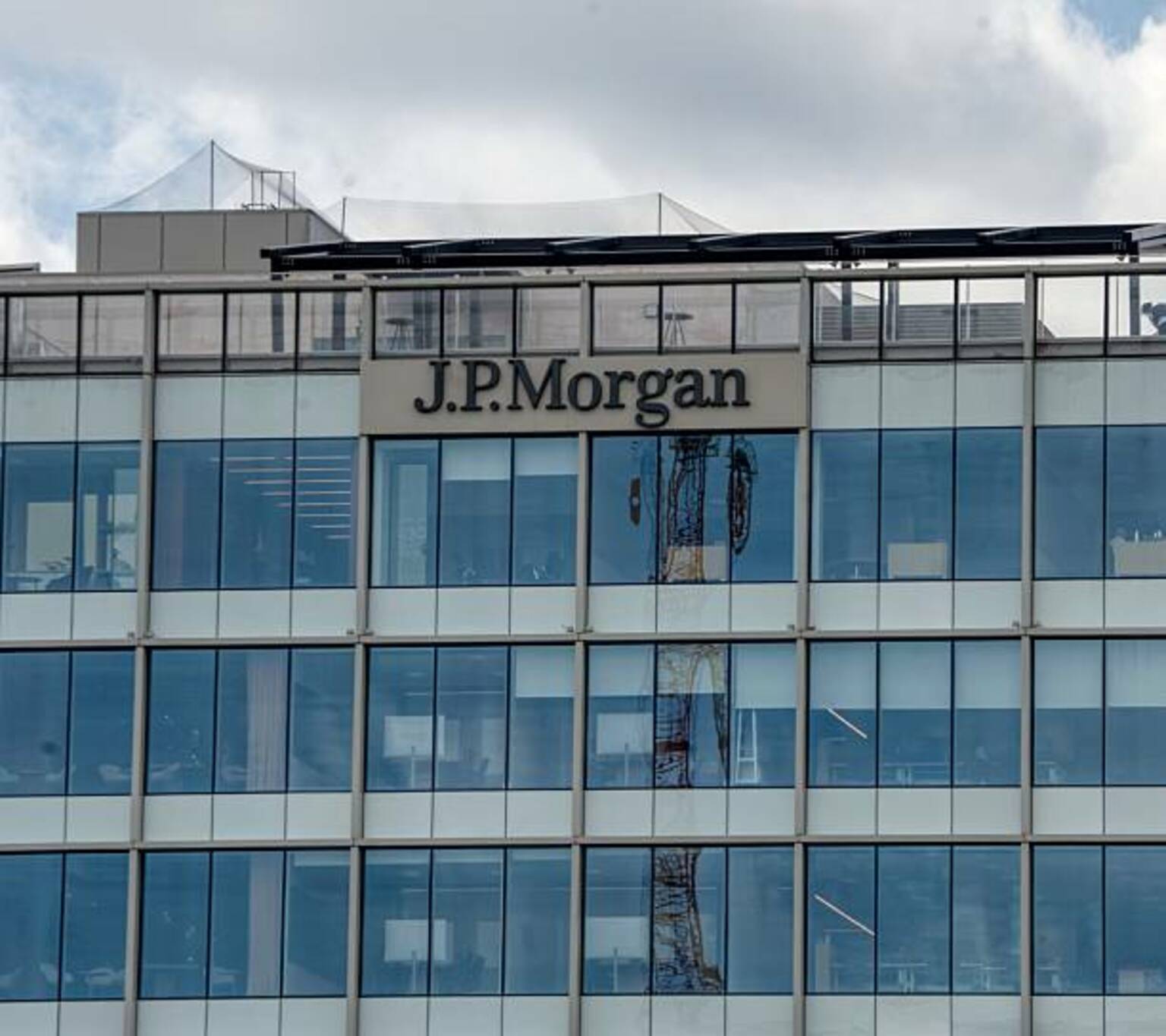
JPMorgan Chase Forms New Investment Banking Team for Small-Cap Companies

- Focus on Small-Cap: JPMorgan Chase is set to establish a new investment banking team of over 75 professionals dedicated to small-cap companies valued between $100 million and $500 million, aiming to fill a market gap where competitors have yet to invest, thereby enhancing its position in the small-cap M&A sector.
- Market Opportunity: Activity in small-cap M&A has increased due to succession planning among baby boomer-founded companies, presenting JPMorgan with new growth opportunities to expand its relationships into commercial banking and other financial products.
- Leadership Restructuring: In May, JPMorgan reshuffled its investment banking unit, appointing Charlie Bouckaert as global head of M&A, reflecting its strategic focus on the M&A market and aiming to bolster its competitive edge in the industry.
- Market Performance: Despite JPMorgan's strong standing in the M&A investment banking league tables, advising on over $500 billion in deals year-to-date, its stock dipped 2.0% in late morning trading amid a backdrop of declining stock averages.
See More

Meta's Cloud Business Plans Spark Stock Volatility


- Cloud Business Outlook: Meta's plan to launch a cloud service led to a nearly 9% stock price increase upon confirmation, indicating market optimism for new revenue streams, although specific details remain unclear.
- Increased Capital Expenditure: Meta anticipates capital expenditures for fiscal 2026 to rise to between $125 billion and $145 billion, up from the previous range of $115 billion to $135 billion, which may pressure return on invested capital.
- Competitive Pressure: Analysts highlight that Meta faces significant challenges entering the cloud market against well-established competitors like AWS, Google Cloud, and Azure, with cloud business margins significantly lower than its core advertising business.
- Poor Market Performance: Meta's stock has declined over 8% year-to-date, making it the worst performer among its peers, reflecting market concerns about its future growth potential, despite an accelerating recovery in its advertising business.
See More

Bank of America Passes Stress Test, Stock Rises


- Strong Stress Test Results: Bank of America excelled in the Fed's 2026 stress tests, being one of 32 financial institutions to pass, which led to a stock price increase of over 10% in June, instilling confidence in investors and indicating future dividend growth.
- Launch of New Payment Product: The bank introduced a new cross-border real-time payments product designed for high-volume, low-value transfers, with expectations that P2P payment demand will rise by 58% and B2C by 132% by 2032, potentially increasing the bank's market share.
- Dividend Growth Expectations: While Bank of America is cautious about announcing dividend increases, the market anticipates it will follow other major banks in raising dividends by at least 10%, which will enhance investor confidence and attract more capital inflows.
- Analyst Price Target Increases: Analysts from Morgan Stanley and Truist Securities raised their price targets for Bank of America to $67 and $64 respectively, both maintaining buy ratings, reflecting optimistic market expectations for the bank's future performance.
See More

Federal Reserve Stress Test Results Favor Bank of America
- Strong Stress Test Performance: Bank of America excelled in the Federal Reserve's 2026 stress tests, being one of the 32 financial institutions to pass, which is expected to lead to a dividend increase, further attracting investor interest.
- Significant Stock Price Increase: Following the positive stress test results, Bank of America's stock rose over 10% in June, reflecting market confidence in its financial health and enhancing its position in a competitive financial landscape.
- Launch of New Payment Product: Bank of America introduced a new cross-border real-time payments product designed for high-volume, low-value transfers, with P2P and B2C payment demand projected to grow by 58% and 132% by 2032, respectively, which will further enhance its market share.
- Analyst Price Target Increases: Analysts from Morgan Stanley and Truist Securities raised their price targets for Bank of America to $67 and $64, respectively, indicating a positive outlook on its future performance and reinforcing investor confidence.
See More

SambaNova Raises $1 Billion, Valued at $11 Billion


- Successful Financing: SambaNova has successfully raised $1 billion, bringing its valuation to $11 billion, with this funding round led by General Atlantic and participation from Seligman Ventures, T. Rowe Price, and Capital Group, indicating strong investor confidence in AI chip startups.
- Market Positioning: Focused on inference chips and on-premise AI deployments, SambaNova's latest SN50 chip can be deployed in data centers, contrasting sharply with Nvidia's GPU architecture, aiming to meet enterprise demands for fast and cost-effective AI model execution.
- Corporate Collaboration: JPMorgan Chase announced it will deploy SambaNova's systems for on-prem inference to meet its enterprise AI workload needs, a move that not only enhances AI security but also accelerates response times, thereby boosting corporate competitiveness.
- Industry Outlook: The successful financing of SambaNova reflects the strong demand for AI infrastructure in the booming semiconductor industry, particularly in the inference chip sector, which is expected to drive further investment and innovation among startups.
See More

SambaNova Raises $1 Billion, Valuation Reaches $11 Billion
- Massive Funding Round: SambaNova Systems has raised $1 billion in its latest funding round, bringing its valuation to $11 billion, with General Atlantic leading the investment, indicating strong investor confidence in the AI chip market.
- Strategic Partnerships: Earlier this year, SambaNova secured over $350 million in funding and announced a partnership with Intel, further solidifying its position in the AI inference chip sector.
- Clear Market Positioning: The SN50 chip from SambaNova is designed for data centers to efficiently run large AI models, focusing on on-premise deployments that offer faster and more secure AI solutions, addressing enterprises' data security needs.
- Optimistic Industry Outlook: The successful funding round reflects the growing demand for AI chips in the booming semiconductor industry, particularly as enterprise AI workloads continue to increase.
See More
JPMorgan Chase Forms New Investment Banking Team for Small-Cap Companies
- Focus on Small-Cap: JPMorgan Chase is set to establish a new investment banking team of over 75 professionals dedicated to small-cap companies valued between $100 million and $500 million, aiming to fill a market gap where competitors have yet to invest, thereby enhancing its position in the small-cap M&A sector.
- Market Opportunity: Activity in small-cap M&A has increased due to succession planning among baby boomer-founded companies, presenting JPMorgan with new growth opportunities to expand its relationships into commercial banking and other financial products.
- Leadership Restructuring: In May, JPMorgan reshuffled its investment banking unit, appointing Charlie Bouckaert as global head of M&A, reflecting its strategic focus on the M&A market and aiming to bolster its competitive edge in the industry.
- Market Performance: Despite JPMorgan's strong standing in the M&A investment banking league tables, advising on over $500 billion in deals year-to-date, its stock dipped 2.0% in late morning trading amid a backdrop of declining stock averages.
See More
Meta's Cloud Business Plans Spark Stock Volatility
- Cloud Business Outlook: Meta's plan to launch a cloud service led to a nearly 9% stock price increase upon confirmation, indicating market optimism for new revenue streams, although specific details remain unclear.
- Increased Capital Expenditure: Meta anticipates capital expenditures for fiscal 2026 to rise to between $125 billion and $145 billion, up from the previous range of $115 billion to $135 billion, which may pressure return on invested capital.
- Competitive Pressure: Analysts highlight that Meta faces significant challenges entering the cloud market against well-established competitors like AWS, Google Cloud, and Azure, with cloud business margins significantly lower than its core advertising business.
- Poor Market Performance: Meta's stock has declined over 8% year-to-date, making it the worst performer among its peers, reflecting market concerns about its future growth potential, despite an accelerating recovery in its advertising business.
See More
Bank of America Passes Stress Test, Stock Rises
- Strong Stress Test Results: Bank of America excelled in the Fed's 2026 stress tests, being one of 32 financial institutions to pass, which led to a stock price increase of over 10% in June, instilling confidence in investors and indicating future dividend growth.
- Launch of New Payment Product: The bank introduced a new cross-border real-time payments product designed for high-volume, low-value transfers, with expectations that P2P payment demand will rise by 58% and B2C by 132% by 2032, potentially increasing the bank's market share.
- Dividend Growth Expectations: While Bank of America is cautious about announcing dividend increases, the market anticipates it will follow other major banks in raising dividends by at least 10%, which will enhance investor confidence and attract more capital inflows.
- Analyst Price Target Increases: Analysts from Morgan Stanley and Truist Securities raised their price targets for Bank of America to $67 and $64 respectively, both maintaining buy ratings, reflecting optimistic market expectations for the bank's future performance.
See More
Federal Reserve Stress Test Results Favor Bank of America
- Strong Stress Test Performance: Bank of America excelled in the Federal Reserve's 2026 stress tests, being one of the 32 financial institutions to pass, which is expected to lead to a dividend increase, further attracting investor interest.
- Significant Stock Price Increase: Following the positive stress test results, Bank of America's stock rose over 10% in June, reflecting market confidence in its financial health and enhancing its position in a competitive financial landscape.
- Launch of New Payment Product: Bank of America introduced a new cross-border real-time payments product designed for high-volume, low-value transfers, with P2P and B2C payment demand projected to grow by 58% and 132% by 2032, respectively, which will further enhance its market share.
- Analyst Price Target Increases: Analysts from Morgan Stanley and Truist Securities raised their price targets for Bank of America to $67 and $64, respectively, indicating a positive outlook on its future performance and reinforcing investor confidence.
See More
SambaNova Raises $1 Billion, Valued at $11 Billion
- Successful Financing: SambaNova has successfully raised $1 billion, bringing its valuation to $11 billion, with this funding round led by General Atlantic and participation from Seligman Ventures, T. Rowe Price, and Capital Group, indicating strong investor confidence in AI chip startups.
- Market Positioning: Focused on inference chips and on-premise AI deployments, SambaNova's latest SN50 chip can be deployed in data centers, contrasting sharply with Nvidia's GPU architecture, aiming to meet enterprise demands for fast and cost-effective AI model execution.
- Corporate Collaboration: JPMorgan Chase announced it will deploy SambaNova's systems for on-prem inference to meet its enterprise AI workload needs, a move that not only enhances AI security but also accelerates response times, thereby boosting corporate competitiveness.
- Industry Outlook: The successful financing of SambaNova reflects the strong demand for AI infrastructure in the booming semiconductor industry, particularly in the inference chip sector, which is expected to drive further investment and innovation among startups.
See More
SambaNova Raises $1 Billion, Valuation Reaches $11 Billion
- Massive Funding Round: SambaNova Systems has raised $1 billion in its latest funding round, bringing its valuation to $11 billion, with General Atlantic leading the investment, indicating strong investor confidence in the AI chip market.
- Strategic Partnerships: Earlier this year, SambaNova secured over $350 million in funding and announced a partnership with Intel, further solidifying its position in the AI inference chip sector.
- Clear Market Positioning: The SN50 chip from SambaNova is designed for data centers to efficiently run large AI models, focusing on on-premise deployments that offer faster and more secure AI solutions, addressing enterprises' data security needs.
- Optimistic Industry Outlook: The successful funding round reflects the growing demand for AI chips in the booming semiconductor industry, particularly as enterprise AI workloads continue to increase.
See More





