Impact of Middle East Conflict on Tech Sector
Written by Emily J. Thompson, Senior Investment Analyst
Updated: Apr 10 2026
0mins


Source: CNBC
- Investor Confidence Damage: The ongoing conflict in the Middle East has diminished investor confidence in the region, with analysts noting that prioritizing national security will likely reduce cross-border investments, adversely affecting future tech projects.
- Data Center Construction Delays: The uncertainty caused by the war may force delays in AI data center builds, although demand for AI in the region remains, future investments are expected to focus more on local markets.
- Helium Shortage Impact: Disruptions in helium supply could constrain chip production; while helium is not a major cost driver, its shortage may have ripple effects across various industries, impacting overall production capabilities.
- Rising Energy Prices: The global economy has yet to fully feel the impact of rising energy prices, which may suppress consumer demand for tech products, and data center operators could face increased spending due to higher energy costs.
Trade with 70% Backtested Accuracy
Stop guessing "Should I Buy INTC?" and start using high-conviction signals backed by rigorous historical data.
Sign up today to access powerful investing tools and make smarter, data-driven decisions.
Analyst Views on INTC
Wall Street analysts forecast INTC stock price to fall
29 Analyst Rating
5 Buy
19 Hold
5 Sell
Hold
Current: 107.930

Low
20.00
Averages
39.30
High
52.00
Current: 107.930
Low
20.00
Averages
39.30
High
52.00
About INTC
Intel Corporation is a global designer and manufacturer of semiconductor products. The Company's segments include Intel Products, Intel Foundry, and All Other. Its Intel Products comprise Client Computing Group (CCG) and Data Center and AI (DCAI). CCG delivers platforms and processors that power PCs and edge devices, enabling enhanced performance, connectivity and user experience for consumer and commercial markets with capabilities that also support retail, industrial robotics and AI ecosystems at the edge. DCAI delivers workload-optimized solutions based upon its x86 architecture for data centers, including CPUs, AI accelerators, NICs, IPUs and custom ASICs, enabling performance and scalability for cloud, enterprise, telecommunication and HPC environments. The Intel Foundry segment comprises technology development, manufacturing and foundry services, developing new semiconductor process technologies and advanced packaging technologies. All Other segments include Mobileye and Other.
About the author

Emily J. Thompson
Emily J. Thompson, a Chartered Financial Analyst (CFA) with 12 years in investment research, graduated with honors from the Wharton School. Specializing in industrial and technology stocks, she provides in-depth analysis for Intellectia’s earnings and market brief reports.
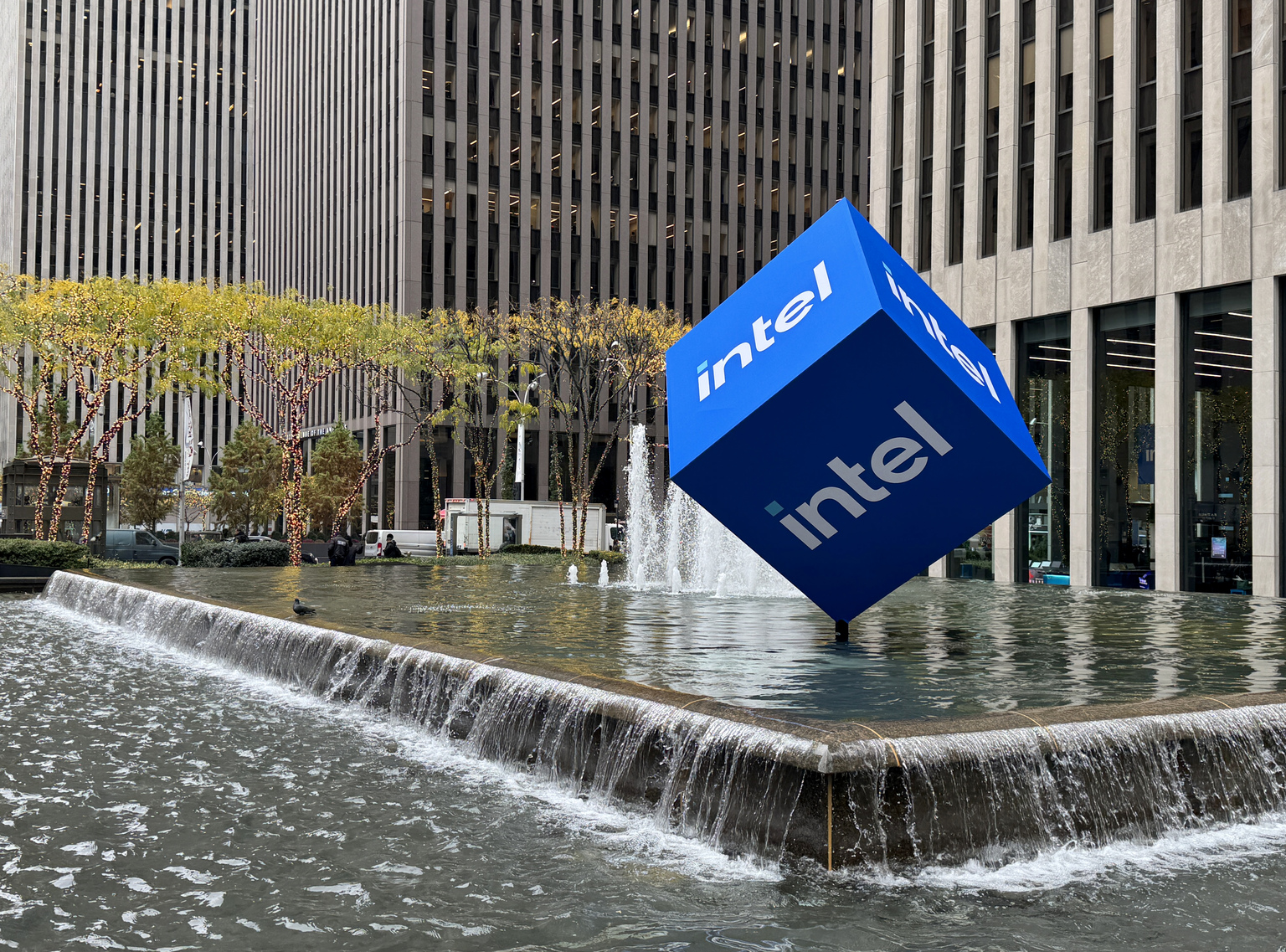
Intel to Launch New AI Chip by Year-End

- New AI Chip Launch: Intel plans to release its AI chip named 'Crescent Island' by the end of this year, utilizing cost-effective LPDDR5 memory and air cooling technology, aimed at AI inference tasks, with an initial limited availability that highlights the company's strategic shift into the AI infrastructure market.
- Market Positioning: Unlike Nvidia's high-bandwidth memory (HBM) chips, the cost-effective nature of Crescent Island provides a competitive edge in specific markets, particularly in China, where Intel is assessing compliance with U.S. export restrictions for potential sales of the chip.
- R&D Timeline and Strategy: Developed over an 18-month period, this chip marks Intel's first major foray into the AI infrastructure market under new CEO Tan, indicating the company's commitment to the AI sector and expectations for future growth.
- Stock Market Reaction: Despite Intel's stock gaining 191% this year, it fell 5% in premarket trading on Monday after Nvidia announced its entry into the PC market, reflecting market concerns over intensified competition.
See More

ASML Signs Agreement to Boost Semiconductor Development in India

- Customer Partnership: ASML signed a memorandum of understanding with Tata Electronics to advance the semiconductor manufacturing ecosystem in India, establishing a valuable foothold in a key market for ASML.
- Rising Market Demand: The semiconductor industry's shortages are likely to increase demand for ASML's equipment, particularly as companies turn to ASML for manufacturing capacity amid TSMC's constraints.
- Analyst Optimism: UBS raised ASML's price target from €1,600 to €1,900, reflecting recognition of its unique market position and boosting investor confidence in the stock.
- Long-Term Growth Goals: ASML targets revenue of €44 billion to €60 billion by 2030, and while it hasn't updated its guidance, investor sentiment remains positive, especially with the anticipated growth driven by the AI boom.
See More

ASML Partners with Tata Electronics to Boost Indian Semiconductor Market
- Market Expansion Opportunity: ASML signed a memorandum of understanding with Tata Electronics to advance the semiconductor manufacturing ecosystem in India, establishing a valuable foothold in a key market that could enhance ASML's global influence in the semiconductor industry.
- Strong Stock Performance: Benefiting from the overall rise in the semiconductor sector, ASML's shares surged 13% last month, reflecting market optimism about its future growth, particularly driven by the AI boom.
- Positive Analyst Ratings: UBS raised ASML's price target from €1,600 to €1,900, acknowledging its unique position in the semiconductor capital equipment sector, indicating growing confidence in its future performance.
- Revenue Forecast Adjustment: ASML anticipates revenue reaching €44 billion to €60 billion by 2030, and although it has not updated its 2024 guidance, investors widely expect this target to be raised, reflecting strong expectations for demand driven by the AI market.
See More

US Stock Indices Decline Amid Tensions and Economic Data


- Market Retreat: On Wednesday, the S&P 500 index fell by 0.74%, the Dow Jones Industrial Average dropped by 1.21%, and the Nasdaq 100 index decreased by 0.29%, indicating market vulnerability amid escalating US-Iran tensions that negatively impacted investor sentiment.
- Oil Price Surge: WTI crude oil prices rose over 2% to a 1.5-week high following the US interception of Iranian missiles and drones, heightening concerns about Middle Eastern stability and potentially affecting global supply chains and inflation expectations.
- Strong Employment Data: The US May ADP employment change increased by 122,000, surpassing expectations of 120,000, signaling signs of economic recovery that could support the stock market, although overall market performance remains influenced by other factors.
- Divergent Tech Stock Performance: While Marvell Technology rose over 3%, software and cybersecurity stocks faced significant declines, with Datadog and IBM dropping more than 6%, reflecting a lack of confidence in the tech sector despite some positive developments.
See More

U.S. Stocks Decline Amid Rising Oil Prices and Geopolitical Tensions

- Market Decline Reasons: The S&P 500 fell 0.74% to 7,553.68, the Nasdaq Composite slipped 0.89% to 26,853.98, and the Dow Jones Industrial Average dropped 1.21% to 50,687.07 due to surging oil prices, rising yields, and geopolitical tensions, indicating investor unease about future conditions.
- Tech Stock Performance: Major tech firms Nvidia and Microsoft both declined by over 3%, weighing on the S&P 500 and Nasdaq, although memory chip stocks like Sandisk and Micron Technology showed strong performance, reflecting an optimistic sentiment in the semiconductor sector.
- Investor Sentiment Shift: U.S. markets ended a nine-day winning streak amid escalating tensions in the Middle East, and while strong earnings bolstered confidence in the sustainability of AI trades, increasing scrutiny on valuations and spending suggests investors should proceed with caution.
- Future Market Outlook: Analysts warn that upcoming mega-IPOs could drain liquidity from existing stocks, with companies like SpaceX, Anthropic, and OpenAI expected to go public this year, collectively valued at over $3 trillion, potentially creating short-term headwinds for the markets.
See More

U.S. Stocks Decline Amid Rising Oil Prices
- Market Pressure Factors: The S&P 500 fell 0.74% to 7,553.68 as surging oil prices, rising yields, and geopolitical tensions created investor unease, indicating a cautious outlook for future market performance.
- Tech Stock Underperformance: Major tech companies Nvidia and Microsoft both dropped over 3%, weighing on the S&P 500 and Nasdaq, reflecting a growing wariness among investors regarding the sustainability of tech valuations.
- Optimism in Semiconductors: Despite the overall market decline, memory chip manufacturers like Sandisk and Micron Technology showed strong performance, suggesting that the semiconductor sector remains favored by investors and could support future growth.
- IPO Liquidity Concerns: Analysts warn that upcoming mega-IPOs could drain liquidity from existing stocks, with SpaceX, Anthropic, and OpenAI expected to go public this year at a combined valuation exceeding $3 trillion, potentially posing short-term headwinds for the market.
See More
Intel to Launch New AI Chip by Year-End
- New AI Chip Launch: Intel plans to release its AI chip named 'Crescent Island' by the end of this year, utilizing cost-effective LPDDR5 memory and air cooling technology, aimed at AI inference tasks, with an initial limited availability that highlights the company's strategic shift into the AI infrastructure market.
- Market Positioning: Unlike Nvidia's high-bandwidth memory (HBM) chips, the cost-effective nature of Crescent Island provides a competitive edge in specific markets, particularly in China, where Intel is assessing compliance with U.S. export restrictions for potential sales of the chip.
- R&D Timeline and Strategy: Developed over an 18-month period, this chip marks Intel's first major foray into the AI infrastructure market under new CEO Tan, indicating the company's commitment to the AI sector and expectations for future growth.
- Stock Market Reaction: Despite Intel's stock gaining 191% this year, it fell 5% in premarket trading on Monday after Nvidia announced its entry into the PC market, reflecting market concerns over intensified competition.
See More
ASML Signs Agreement to Boost Semiconductor Development in India
- Customer Partnership: ASML signed a memorandum of understanding with Tata Electronics to advance the semiconductor manufacturing ecosystem in India, establishing a valuable foothold in a key market for ASML.
- Rising Market Demand: The semiconductor industry's shortages are likely to increase demand for ASML's equipment, particularly as companies turn to ASML for manufacturing capacity amid TSMC's constraints.
- Analyst Optimism: UBS raised ASML's price target from €1,600 to €1,900, reflecting recognition of its unique market position and boosting investor confidence in the stock.
- Long-Term Growth Goals: ASML targets revenue of €44 billion to €60 billion by 2030, and while it hasn't updated its guidance, investor sentiment remains positive, especially with the anticipated growth driven by the AI boom.
See More
ASML Partners with Tata Electronics to Boost Indian Semiconductor Market
- Market Expansion Opportunity: ASML signed a memorandum of understanding with Tata Electronics to advance the semiconductor manufacturing ecosystem in India, establishing a valuable foothold in a key market that could enhance ASML's global influence in the semiconductor industry.
- Strong Stock Performance: Benefiting from the overall rise in the semiconductor sector, ASML's shares surged 13% last month, reflecting market optimism about its future growth, particularly driven by the AI boom.
- Positive Analyst Ratings: UBS raised ASML's price target from €1,600 to €1,900, acknowledging its unique position in the semiconductor capital equipment sector, indicating growing confidence in its future performance.
- Revenue Forecast Adjustment: ASML anticipates revenue reaching €44 billion to €60 billion by 2030, and although it has not updated its 2024 guidance, investors widely expect this target to be raised, reflecting strong expectations for demand driven by the AI market.
See More
US Stock Indices Decline Amid Tensions and Economic Data
- Market Retreat: On Wednesday, the S&P 500 index fell by 0.74%, the Dow Jones Industrial Average dropped by 1.21%, and the Nasdaq 100 index decreased by 0.29%, indicating market vulnerability amid escalating US-Iran tensions that negatively impacted investor sentiment.
- Oil Price Surge: WTI crude oil prices rose over 2% to a 1.5-week high following the US interception of Iranian missiles and drones, heightening concerns about Middle Eastern stability and potentially affecting global supply chains and inflation expectations.
- Strong Employment Data: The US May ADP employment change increased by 122,000, surpassing expectations of 120,000, signaling signs of economic recovery that could support the stock market, although overall market performance remains influenced by other factors.
- Divergent Tech Stock Performance: While Marvell Technology rose over 3%, software and cybersecurity stocks faced significant declines, with Datadog and IBM dropping more than 6%, reflecting a lack of confidence in the tech sector despite some positive developments.
See More
U.S. Stocks Decline Amid Rising Oil Prices and Geopolitical Tensions
- Market Decline Reasons: The S&P 500 fell 0.74% to 7,553.68, the Nasdaq Composite slipped 0.89% to 26,853.98, and the Dow Jones Industrial Average dropped 1.21% to 50,687.07 due to surging oil prices, rising yields, and geopolitical tensions, indicating investor unease about future conditions.
- Tech Stock Performance: Major tech firms Nvidia and Microsoft both declined by over 3%, weighing on the S&P 500 and Nasdaq, although memory chip stocks like Sandisk and Micron Technology showed strong performance, reflecting an optimistic sentiment in the semiconductor sector.
- Investor Sentiment Shift: U.S. markets ended a nine-day winning streak amid escalating tensions in the Middle East, and while strong earnings bolstered confidence in the sustainability of AI trades, increasing scrutiny on valuations and spending suggests investors should proceed with caution.
- Future Market Outlook: Analysts warn that upcoming mega-IPOs could drain liquidity from existing stocks, with companies like SpaceX, Anthropic, and OpenAI expected to go public this year, collectively valued at over $3 trillion, potentially creating short-term headwinds for the markets.
See More
U.S. Stocks Decline Amid Rising Oil Prices
- Market Pressure Factors: The S&P 500 fell 0.74% to 7,553.68 as surging oil prices, rising yields, and geopolitical tensions created investor unease, indicating a cautious outlook for future market performance.
- Tech Stock Underperformance: Major tech companies Nvidia and Microsoft both dropped over 3%, weighing on the S&P 500 and Nasdaq, reflecting a growing wariness among investors regarding the sustainability of tech valuations.
- Optimism in Semiconductors: Despite the overall market decline, memory chip manufacturers like Sandisk and Micron Technology showed strong performance, suggesting that the semiconductor sector remains favored by investors and could support future growth.
- IPO Liquidity Concerns: Analysts warn that upcoming mega-IPOs could drain liquidity from existing stocks, with SpaceX, Anthropic, and OpenAI expected to go public this year at a combined valuation exceeding $3 trillion, potentially posing short-term headwinds for the market.
See More