Impact of Middle East Conflict on AI Market
Written by Emily J. Thompson, Senior Investment Analyst
Updated: Mar 29 2026
0mins

Source: NASDAQ.COM
- Surging Energy Costs: Military operations in the Strait of Hormuz have caused oil prices to spike from $65 to nearly $100 per barrel, leading to increased operational costs for AI-related companies, which compresses profit margins and undermines investor confidence.
- Federal Reserve Policy Impact: The Federal Reserve's decision to maintain interest rates at 3.5%-3.75% explicitly cites the Middle East situation as a key factor, indicating that future rate cuts are unlikely amidst rising oil prices and inflation risks, adding to market uncertainty.
- Increased Market Volatility: Both the Nasdaq and Dow Jones Industrial Average have entered correction territory, dropping over 10% from recent highs, reflecting investor concerns about the macroeconomic landscape, particularly the selling pressure on AI stocks.
- Investment Strategy Adjustment: In the current environment, investors should focus on AI companies tied to physical infrastructure, such as Modine Manufacturing, which has a five-year backlog of data center cooling contracts, demonstrating strong market demand that can withstand macro pressures.
Trade with 70% Backtested Accuracy
Stop guessing "Should I Buy MOD?" and start using high-conviction signals backed by rigorous historical data.
Sign up today to access powerful investing tools and make smarter, data-driven decisions.
Analyst Views on MOD
Wall Street analysts forecast MOD stock price to fall
7 Analyst Rating
7 Buy
0 Hold
0 Sell
Strong Buy
Current: 269.650

Low
173.00
Averages
186.60
High
200.00
Current: 269.650
Low
173.00
Averages
186.60
High
200.00
About MOD
Modine Manufacturing Company is a provider of thermal management technology and solutions. It is engaged in designing, engineering, testing, and manufacturing mission-critical thermal solutions. Its segment includes Climate Solutions and Performance Technologies. The Climate Solutions segment provides energy-efficient, climate-controlled solutions and components. The Climate Solutions segment provides cooling solutions for data centers that help save water and energy through intelligent controls. The Climate Solutions segment also provides heat exchangers for heating, ventilating, air conditioning and refrigeration applications and anti-corrosive coatings. The Performance Technologies segment provides products and solutions that enhance the performance of customer applications and develops solutions that provide mission-critical energy for a variety of end-market applications. It also designs and manufactures products and solutions using air-cooled and liquid-cooled technology.
About the author

Emily J. Thompson
Emily J. Thompson, a Chartered Financial Analyst (CFA) with 12 years in investment research, graduated with honors from the Wharton School. Specializing in industrial and technology stocks, she provides in-depth analysis for Intellectia’s earnings and market brief reports.
Roundhill Memory ETF DRAM Attracts Over $5 Billion in Investments


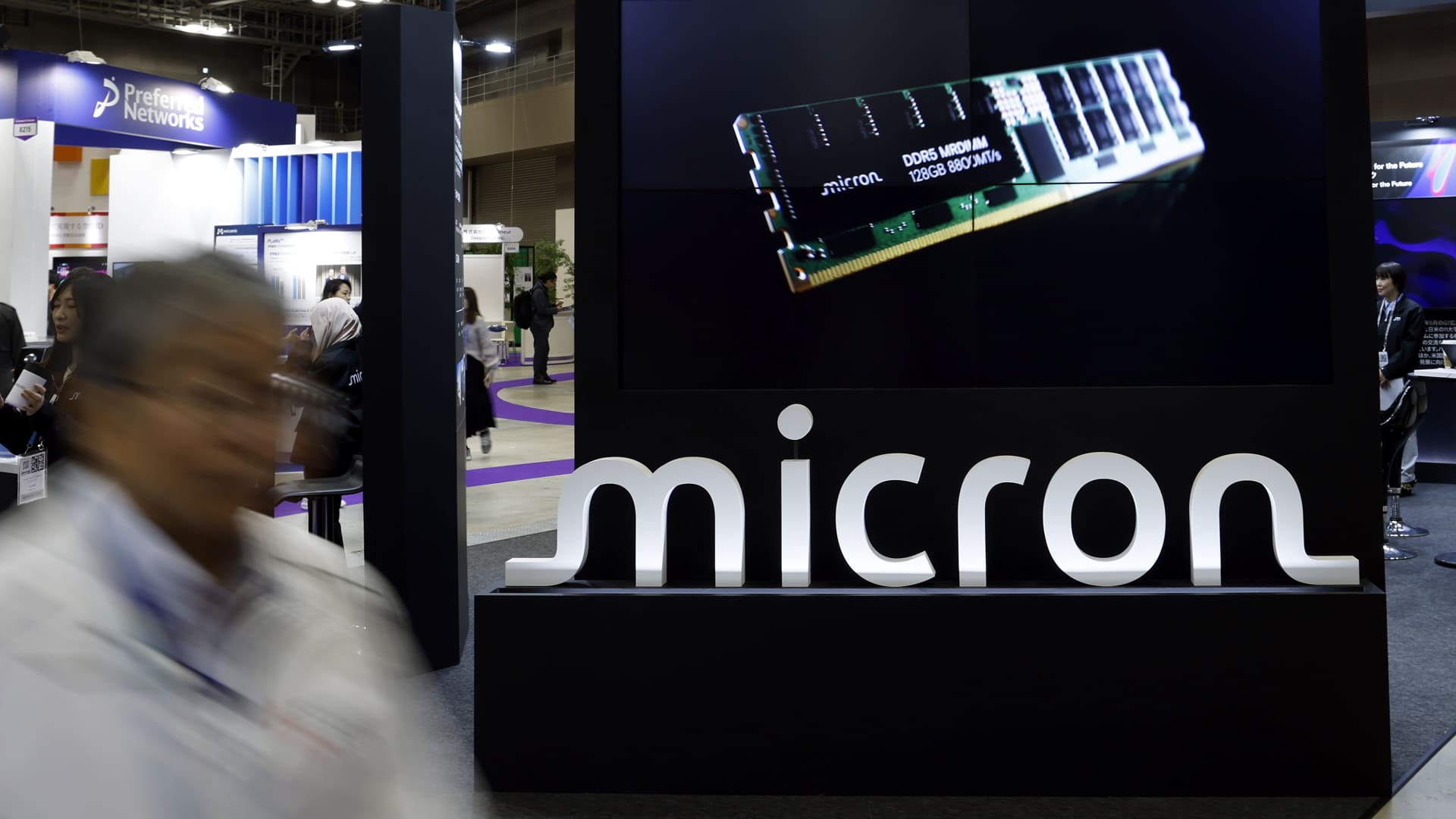
- Memory Supercycle: The Roundhill Memory ETF (DRAM) attracted over $5 billion in investments within a month, including $1.1 billion on Thursday alone, indicating strong market demand for memory stocks driven by surging AI computing needs.
- Core Holdings Performance: The ETF's core holdings feature leading memory manufacturers like SK Hynix, Micron, and Samsung, allowing investors to gain broad exposure to these high-growth companies, including those not listed on U.S. exchanges.
- Market Reaction: Micron's stock surged over 200 points in a week, climbing from $542 to $747, reflecting optimistic market expectations for memory product demand, with a price-to-earnings ratio of only 9 times projected earnings for the next 12 months, highlighting its appeal as a quality stock.
- Investment Opportunities: Despite waning interest in data center stocks, investors can still capitalize on potential gains in the memory and cooling sectors by purchasing instruments like the DRAM ETF, especially as major tech companies continue to invest heavily in data centers.
See More
Modine to Participate in Oppenheimer 21st Annual Industrial Growth Conference

- Conference Participation: Modine will participate in the Oppenheimer 21st Annual Industrial Growth Conference on May 5, 2026, featuring a virtual fireside chat with CEO Neil D. Brinker and CFO Michael B. Lucareli, highlighting the company's leadership in thermal management technology.
- Live Streaming: The event is scheduled for 1:30 p.m. Eastern Time (12:30 p.m. Central Time), with live webcasts available in the Investor Relations section of Modine's website, ensuring real-time access to the latest company updates for investors.
- Recording Availability: Recordings of the conference will be accessible for 365 days post-webcast, allowing investors who cannot attend live to obtain relevant information, thereby enhancing communication between the company and its investors.
- Company Background: Modine has over 100 years of experience in thermal management technology, committed to providing the latest heating, cooling, and ventilation solutions, aiming to drive sustainability through its Climate Solutions, Data Centers, and Performance Technologies segments, improving air quality and reducing energy consumption.
See More
Modine Appoints Art Laszlo as President of New Data Centers Segment
- Leadership Change: Modine has announced the promotion of Art Laszlo to President of the newly created Data Centers segment, responsible for driving growth and profitability, indicating a strategic shift in the company's focus towards the data center market.
- Market Opportunity: The establishment of the new Data Centers segment reflects Modine's recognition of the increasing demand for cooling solutions from global data center operators, which is expected to further solidify its market leadership.
- Business Structure Adjustment: The Data Centers segment was previously part of the Climate Solutions segment, and with Laszlo's appointment, Modine will report the performance of these two segments in the first quarter of fiscal 2027, demonstrating the company's emphasis on business segmentation.
- Leadership Experience: Since joining Modine in 2022, Laszlo has progressively advanced to senior leadership roles, and his extensive experience at IDEX and other renowned companies will provide strategic guidance to the new segment.
See More

Modine Manufacturing Rallies 1345% Over Five Years, Outperforming Auto Stocks
- Outstanding Market Performance: Modine Manufacturing Company (MOD) has surged 1345% over the past five years, not only leading among auto-related stocks but also emerging as a top performer in the overall consumer sector, showcasing its strong market competitiveness.
- Successful Business Transformation: The company has successfully shifted towards higher-growth and higher-margin thermal management markets, particularly data centers, significantly reducing its dependence on weaker vehicle end markets, thereby enhancing overall performance.
- AI Trade Boost: As investors began to value Modine (MOD) as a growth company linked to data center cooling and thermal management rather than a cyclical auto supplier, the company's valuation has significantly increased, reflecting market recognition of its future growth potential.
- New Product Launch: Modine (MOD) recently introduced a new 3-megawatt turbo chilled chiller platform specifically designed for high-density next-generation GPU-powered data centers, further solidifying its market position in thermal management.
See More
Modine Joins U.S. DOE's Better Plants Program for Sustainability
- Sustainability Commitment: Modine's participation in the U.S. DOE's Better Plants program underscores its commitment to reducing energy intensity, which is expected to enhance its market image and attract environmentally conscious customers.
- Improved Environmental Ratings: Achieving a B score for Climate Change and Water Security in the 2025 CDP survey indicates that Modine is taking coordinated action on climate issues, which will strengthen its competitive position and customer trust in the industry.
- EcoVadis Recognition: Modine's Bronze Medal from EcoVadis reflects its structured and proactive sustainability strategy across key areas such as Environment, Labor & Human Rights, Ethics, and Sustainable Procurement, likely boosting its brand value and market share.
- Global Impact: With over 11,000 employees worldwide, Modine's sustainability strategy is embedded in its operations, focusing on developing energy-efficient products and implementing sustainable practices, thereby reducing environmental impact globally and aligning with its mission of Engineering a Cleaner, Healthier World.
See More

Impact of Middle East Conflict on AI Market

- Surging Energy Costs: Military operations in the Strait of Hormuz have caused oil prices to spike from $65 to nearly $100 per barrel, leading to increased operational costs for AI-related companies, which compresses profit margins and undermines investor confidence.
- Federal Reserve Policy Impact: The Federal Reserve's decision to maintain interest rates at 3.5%-3.75% explicitly cites the Middle East situation as a key factor, indicating that future rate cuts are unlikely amidst rising oil prices and inflation risks, adding to market uncertainty.
- Increased Market Volatility: Both the Nasdaq and Dow Jones Industrial Average have entered correction territory, dropping over 10% from recent highs, reflecting investor concerns about the macroeconomic landscape, particularly the selling pressure on AI stocks.
- Investment Strategy Adjustment: In the current environment, investors should focus on AI companies tied to physical infrastructure, such as Modine Manufacturing, which has a five-year backlog of data center cooling contracts, demonstrating strong market demand that can withstand macro pressures.
See More
Roundhill Memory ETF DRAM Attracts Over $5 Billion in Investments
- Memory Supercycle: The Roundhill Memory ETF (DRAM) attracted over $5 billion in investments within a month, including $1.1 billion on Thursday alone, indicating strong market demand for memory stocks driven by surging AI computing needs.
- Core Holdings Performance: The ETF's core holdings feature leading memory manufacturers like SK Hynix, Micron, and Samsung, allowing investors to gain broad exposure to these high-growth companies, including those not listed on U.S. exchanges.
- Market Reaction: Micron's stock surged over 200 points in a week, climbing from $542 to $747, reflecting optimistic market expectations for memory product demand, with a price-to-earnings ratio of only 9 times projected earnings for the next 12 months, highlighting its appeal as a quality stock.
- Investment Opportunities: Despite waning interest in data center stocks, investors can still capitalize on potential gains in the memory and cooling sectors by purchasing instruments like the DRAM ETF, especially as major tech companies continue to invest heavily in data centers.
See More
Modine to Participate in Oppenheimer 21st Annual Industrial Growth Conference
- Conference Participation: Modine will participate in the Oppenheimer 21st Annual Industrial Growth Conference on May 5, 2026, featuring a virtual fireside chat with CEO Neil D. Brinker and CFO Michael B. Lucareli, highlighting the company's leadership in thermal management technology.
- Live Streaming: The event is scheduled for 1:30 p.m. Eastern Time (12:30 p.m. Central Time), with live webcasts available in the Investor Relations section of Modine's website, ensuring real-time access to the latest company updates for investors.
- Recording Availability: Recordings of the conference will be accessible for 365 days post-webcast, allowing investors who cannot attend live to obtain relevant information, thereby enhancing communication between the company and its investors.
- Company Background: Modine has over 100 years of experience in thermal management technology, committed to providing the latest heating, cooling, and ventilation solutions, aiming to drive sustainability through its Climate Solutions, Data Centers, and Performance Technologies segments, improving air quality and reducing energy consumption.
See More
Modine Appoints Art Laszlo as President of New Data Centers Segment
- Leadership Change: Modine has announced the promotion of Art Laszlo to President of the newly created Data Centers segment, responsible for driving growth and profitability, indicating a strategic shift in the company's focus towards the data center market.
- Market Opportunity: The establishment of the new Data Centers segment reflects Modine's recognition of the increasing demand for cooling solutions from global data center operators, which is expected to further solidify its market leadership.
- Business Structure Adjustment: The Data Centers segment was previously part of the Climate Solutions segment, and with Laszlo's appointment, Modine will report the performance of these two segments in the first quarter of fiscal 2027, demonstrating the company's emphasis on business segmentation.
- Leadership Experience: Since joining Modine in 2022, Laszlo has progressively advanced to senior leadership roles, and his extensive experience at IDEX and other renowned companies will provide strategic guidance to the new segment.
See More
Modine Manufacturing Rallies 1345% Over Five Years, Outperforming Auto Stocks
- Outstanding Market Performance: Modine Manufacturing Company (MOD) has surged 1345% over the past five years, not only leading among auto-related stocks but also emerging as a top performer in the overall consumer sector, showcasing its strong market competitiveness.
- Successful Business Transformation: The company has successfully shifted towards higher-growth and higher-margin thermal management markets, particularly data centers, significantly reducing its dependence on weaker vehicle end markets, thereby enhancing overall performance.
- AI Trade Boost: As investors began to value Modine (MOD) as a growth company linked to data center cooling and thermal management rather than a cyclical auto supplier, the company's valuation has significantly increased, reflecting market recognition of its future growth potential.
- New Product Launch: Modine (MOD) recently introduced a new 3-megawatt turbo chilled chiller platform specifically designed for high-density next-generation GPU-powered data centers, further solidifying its market position in thermal management.
See More
Modine Joins U.S. DOE's Better Plants Program for Sustainability
- Sustainability Commitment: Modine's participation in the U.S. DOE's Better Plants program underscores its commitment to reducing energy intensity, which is expected to enhance its market image and attract environmentally conscious customers.
- Improved Environmental Ratings: Achieving a B score for Climate Change and Water Security in the 2025 CDP survey indicates that Modine is taking coordinated action on climate issues, which will strengthen its competitive position and customer trust in the industry.
- EcoVadis Recognition: Modine's Bronze Medal from EcoVadis reflects its structured and proactive sustainability strategy across key areas such as Environment, Labor & Human Rights, Ethics, and Sustainable Procurement, likely boosting its brand value and market share.
- Global Impact: With over 11,000 employees worldwide, Modine's sustainability strategy is embedded in its operations, focusing on developing energy-efficient products and implementing sustainable practices, thereby reducing environmental impact globally and aligning with its mission of Engineering a Cleaner, Healthier World.
See More
Impact of Middle East Conflict on AI Market
- Surging Energy Costs: Military operations in the Strait of Hormuz have caused oil prices to spike from $65 to nearly $100 per barrel, leading to increased operational costs for AI-related companies, which compresses profit margins and undermines investor confidence.
- Federal Reserve Policy Impact: The Federal Reserve's decision to maintain interest rates at 3.5%-3.75% explicitly cites the Middle East situation as a key factor, indicating that future rate cuts are unlikely amidst rising oil prices and inflation risks, adding to market uncertainty.
- Increased Market Volatility: Both the Nasdaq and Dow Jones Industrial Average have entered correction territory, dropping over 10% from recent highs, reflecting investor concerns about the macroeconomic landscape, particularly the selling pressure on AI stocks.
- Investment Strategy Adjustment: In the current environment, investors should focus on AI companies tied to physical infrastructure, such as Modine Manufacturing, which has a five-year backlog of data center cooling contracts, demonstrating strong market demand that can withstand macro pressures.
See More