HPE Set to Report Q1 Results with Strong AI Growth Prospects
Written by Emily J. Thompson, Senior Investment Analyst
Updated: Mar 06 2026
0mins
Should l Buy HPE?
Source: seekingalpha
- Optimistic Earnings Outlook: HPE is expected to report an EPS of $0.59 for Q1, reflecting a 20.4% year-over-year increase, with projected revenues of $9.35 billion, indicating a robust growth trajectory in AI and cloud sectors.
- Strategic Partnerships and Innovations: The company has launched new AI-focused infrastructure and data center solutions in collaboration with AMD and Nvidia, further solidifying its market position in cloud computing and virtualization, which is expected to drive business growth.
- Significant Contract Acquisition: HPE secured a $931 million contract with the U.S. Department of Defense to modernize data centers, while also signing telecom and enterprise partnerships in markets like New Zealand and Taiwan to enhance its cloud and AI capabilities.
- Acquisition Plans Under Scrutiny: HPE's planned $14 billion acquisition of Juniper Networks has drawn regulatory attention in the U.S., yet analysts believe this deal could strategically benefit HPE's networking business and drive future growth.
Trade with 70% Backtested Accuracy
Stop guessing "Should I Buy HPE?" and start using high-conviction signals backed by rigorous historical data.
Sign up today to access powerful investing tools and make smarter, data-driven decisions.
Analyst Views on HPE
Wall Street analysts forecast HPE stock price to rise
16 Analyst Rating
8 Buy
8 Hold
0 Sell
Moderate Buy
Current: 23.980

Low
21.00
Averages
27.13
High
31.00
Current: 23.980
Low
21.00
Averages
27.13
High
31.00
About HPE
Hewlett Packard Enterprise Company is a global technology company focused on developing intelligent solutions that allow customers to capture, analyze and act upon data seamlessly from edge to cloud. Its customers range from small-and-medium-sized businesses to large global enterprises and governmental entities. Its segments include Server, Hybrid Cloud, Networking, Financial Services, and Corporate Investments and Other. Its Server segment offerings consist of general-purpose servers for multi-workload computing, workload-optimized servers, and integrated systems. Its Hybrid Cloud segment offers a range of cloud-native and hybrid solutions across storage, private cloud and the infrastructure software-as-a-service space. The Networking segment develops and sells high-performance networking and security products and services. Its Financial Services segment provides flexible investment solutions, such as leasing, financing, IT consumption, utility programs, and asset management services.
About the author

Emily J. Thompson
Emily J. Thompson, a Chartered Financial Analyst (CFA) with 12 years in investment research, graduated with honors from the Wharton School. Specializing in industrial and technology stocks, she provides in-depth analysis for Intellectia’s earnings and market brief reports.
Iran Threatens Attacks on U.S. Tech Firms Including Oracle


- Incident Overview: Oracle's building in Dubai sustained minor damage from debris due to an aerial interception, with no injuries reported; however, this incident highlights escalating tensions in the Middle East that could impact Oracle's operational safety in the region.
- Threats to Tech Companies: Iran's Revolutionary Guard has designated 18 U.S. tech firms, including Oracle, as 'legitimate targets' in retaliation for U.S. and Israeli strikes, which raises the operational risks for these companies in the Middle East.
- Rising Cybersecurity Risks: As threats against tech companies escalate, risk management expert James Henderson notes that tech assets are now viewed as integral to the conflict, suggesting future attacks may target data centers and cloud platforms, increasing security vulnerabilities in the industry.
- Historical Context: Iran previously attacked Amazon Web Services data centers in early March, causing outages in various apps and digital services in the UAE, and a repeat of such incidents could severely impact Oracle and other tech firms' operations.
See More
GigaCloud Technology's Rating Rises to 96


- Rating Increase: GigaCloud Technology's IBD SmartSelect Composite Rating rose from 94 to 96, indicating an enhancement in the company's competitive edge and investment appeal in the market.
- Market Reaction: The rating upgrade may attract more investor attention, potentially driving up the company's stock price and boosting market confidence.
- Investor Confidence: The high rating reflects analysts' optimistic expectations regarding GigaCloud's future growth potential, which could facilitate increased capital inflow.
- Strategic Implications: This rating improvement signifies the company's ongoing advancements in technological innovation and market performance, helping to elevate its position within the industry.
See More
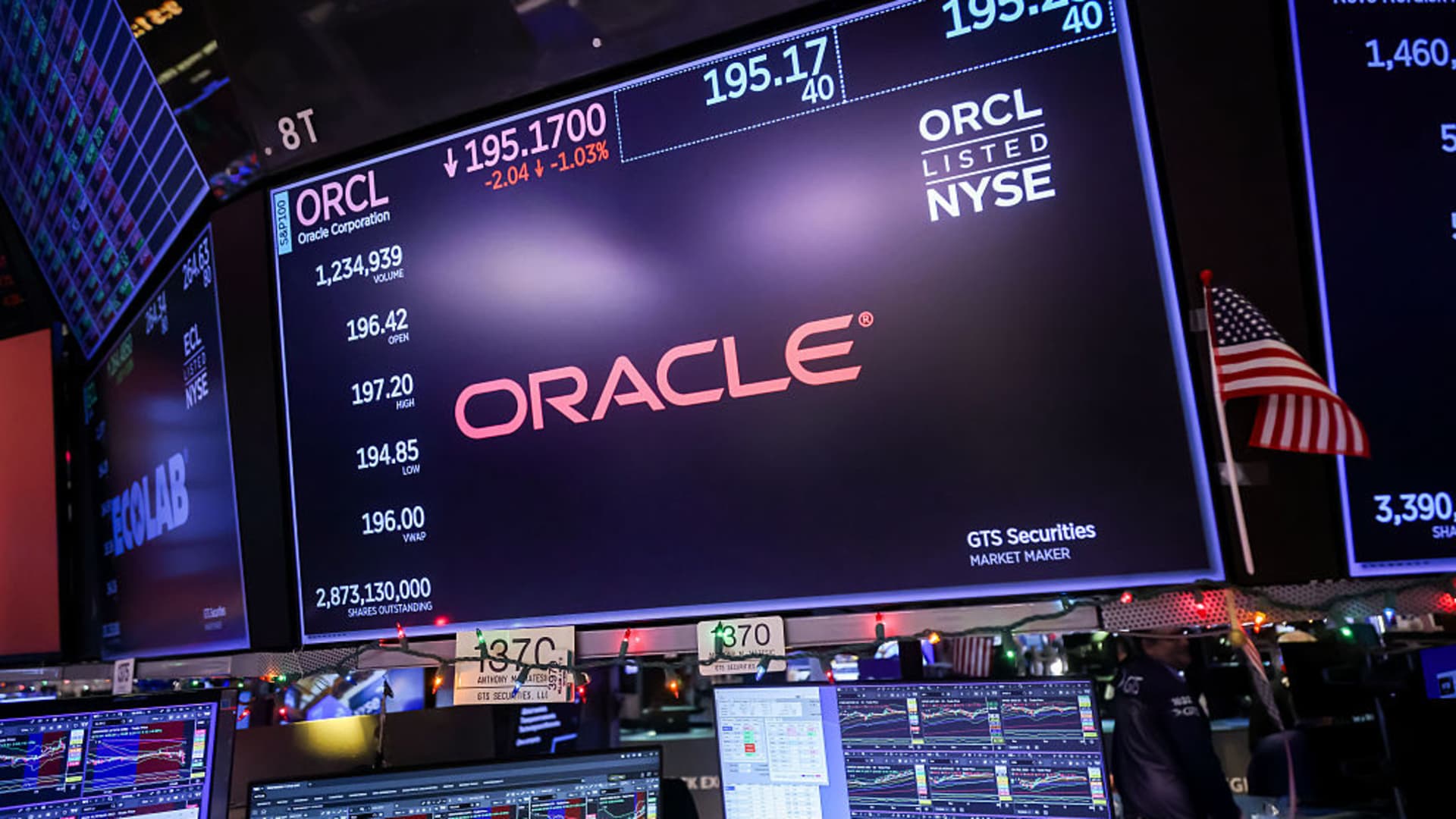
Oracle Cuts Thousands of Jobs to Support AI Infrastructure Development

- Layoff Announcement: Oracle has begun notifying its 162,000 employees about plans to cut thousands of jobs to free up cash flow for AI data center infrastructure development, which is expected to significantly reduce operating costs and enhance financial flexibility.
- Stock Price Reaction: Following the layoff news, Oracle's shares rose 2.6% in early trading, despite being down approximately 25% year-to-date, indicating a cautiously optimistic market response to the company's future strategy.
- Capital Expenditure Pressure: Oracle plans to raise up to $50 billion in 2025 through a mix of debt and equity to meet cloud service demand from clients, particularly from companies like Nvidia and Meta, reflecting strong market demand for AI infrastructure.
- Analyst Perspective: Barclays analysts noted that the layoffs will help free up cash flow and viewed this move as unsurprising, projecting that Oracle could triple its revenue over the next few years, despite lower employee productivity compared to competitors.
See More

Iran Threatens Attacks on U.S. Tech Firms

- Escalating Threats: The Islamic Revolutionary Guard Corps (IRGC) has declared intentions to attack 18 U.S. tech companies, including Nvidia, Apple, Microsoft, and Google, in retaliation for U.S. and Israeli strikes on Iran, indicating a significant escalation in regional tensions.
- Specific Attack Timeline: The IRGC warned that attacks would commence at 8 PM Tehran time on April 1, urging employees at these companies to evacuate immediately to safeguard their lives, highlighting the urgency and potential danger of the situation.
- Vulnerability of Tech Infrastructure: This threat follows Iranian strikes on AWS data centers in the Middle East, which caused outages in several apps and digital services in the UAE, underscoring the vulnerability of U.S. tech firms' infrastructure in the region and its impact on business operations.
- Corporate Response Strategies: Companies like Intel have stated that employee safety is their top priority and are implementing measures to protect their facilities in the Middle East, reflecting their adaptability to geopolitical risks and commitment to employee welfare.
See More

Iran's IRGC Threatens U.S. Tech Firms Amid Rising Tensions
- Expanded Threat Scope: Iran's Islamic Revolutionary Guard Corps (IRGC) has designated 18 U.S. tech companies, including Nvidia, Apple, Microsoft, and Google, as 'legitimate targets' in retaliation for U.S. and Israeli strikes on Iran, highlighting escalating regional tensions.
- Attack Timeline Set: The IRGC announced via Telegram that attacks on these companies would commence at 8 p.m. Tehran time on April 1, warning employees to evacuate workplaces immediately to safeguard their lives, indicating the urgency of their threats.
- Enhanced Security Measures: An Intel spokesperson stated that the safety of their team is the top priority, and the company is implementing measures to protect workers and facilities in the Middle East, reflecting tech firms' strategies in response to security threats.
- Significant Market Impact: As U.S. tech companies have increased investments in the Middle East, particularly in AI infrastructure, the IRGC's threats may compel these firms to reassess their operations and investment strategies in the region, potentially affecting future market positioning.
See More
The Iran Conflict May Persist: Current Investment Opportunities for Success.


- Current Market Status: The Nasdaq is currently in a correction, having dropped over 10% from its recent highs.
- Bear Market Concerns: There are increasing fears that the Nasdaq may soon enter a bear market, defined as a decline of 20%.
- Wall Street Perspective: Despite the downturn, there is a common belief on Wall Street that opportunities for profit exist in other sectors.
- Market Sentiment: The overall sentiment reflects anxiety about the tech-heavy index's performance amidst potential further declines.
See More
Iran Threatens Attacks on U.S. Tech Firms Including Oracle
- Incident Overview: Oracle's building in Dubai sustained minor damage from debris due to an aerial interception, with no injuries reported; however, this incident highlights escalating tensions in the Middle East that could impact Oracle's operational safety in the region.
- Threats to Tech Companies: Iran's Revolutionary Guard has designated 18 U.S. tech firms, including Oracle, as 'legitimate targets' in retaliation for U.S. and Israeli strikes, which raises the operational risks for these companies in the Middle East.
- Rising Cybersecurity Risks: As threats against tech companies escalate, risk management expert James Henderson notes that tech assets are now viewed as integral to the conflict, suggesting future attacks may target data centers and cloud platforms, increasing security vulnerabilities in the industry.
- Historical Context: Iran previously attacked Amazon Web Services data centers in early March, causing outages in various apps and digital services in the UAE, and a repeat of such incidents could severely impact Oracle and other tech firms' operations.
See More
GigaCloud Technology's Rating Rises to 96
- Rating Increase: GigaCloud Technology's IBD SmartSelect Composite Rating rose from 94 to 96, indicating an enhancement in the company's competitive edge and investment appeal in the market.
- Market Reaction: The rating upgrade may attract more investor attention, potentially driving up the company's stock price and boosting market confidence.
- Investor Confidence: The high rating reflects analysts' optimistic expectations regarding GigaCloud's future growth potential, which could facilitate increased capital inflow.
- Strategic Implications: This rating improvement signifies the company's ongoing advancements in technological innovation and market performance, helping to elevate its position within the industry.
See More
Oracle Cuts Thousands of Jobs to Support AI Infrastructure Development
- Layoff Announcement: Oracle has begun notifying its 162,000 employees about plans to cut thousands of jobs to free up cash flow for AI data center infrastructure development, which is expected to significantly reduce operating costs and enhance financial flexibility.
- Stock Price Reaction: Following the layoff news, Oracle's shares rose 2.6% in early trading, despite being down approximately 25% year-to-date, indicating a cautiously optimistic market response to the company's future strategy.
- Capital Expenditure Pressure: Oracle plans to raise up to $50 billion in 2025 through a mix of debt and equity to meet cloud service demand from clients, particularly from companies like Nvidia and Meta, reflecting strong market demand for AI infrastructure.
- Analyst Perspective: Barclays analysts noted that the layoffs will help free up cash flow and viewed this move as unsurprising, projecting that Oracle could triple its revenue over the next few years, despite lower employee productivity compared to competitors.
See More
Iran Threatens Attacks on U.S. Tech Firms
- Escalating Threats: The Islamic Revolutionary Guard Corps (IRGC) has declared intentions to attack 18 U.S. tech companies, including Nvidia, Apple, Microsoft, and Google, in retaliation for U.S. and Israeli strikes on Iran, indicating a significant escalation in regional tensions.
- Specific Attack Timeline: The IRGC warned that attacks would commence at 8 PM Tehran time on April 1, urging employees at these companies to evacuate immediately to safeguard their lives, highlighting the urgency and potential danger of the situation.
- Vulnerability of Tech Infrastructure: This threat follows Iranian strikes on AWS data centers in the Middle East, which caused outages in several apps and digital services in the UAE, underscoring the vulnerability of U.S. tech firms' infrastructure in the region and its impact on business operations.
- Corporate Response Strategies: Companies like Intel have stated that employee safety is their top priority and are implementing measures to protect their facilities in the Middle East, reflecting their adaptability to geopolitical risks and commitment to employee welfare.
See More
Iran's IRGC Threatens U.S. Tech Firms Amid Rising Tensions
- Expanded Threat Scope: Iran's Islamic Revolutionary Guard Corps (IRGC) has designated 18 U.S. tech companies, including Nvidia, Apple, Microsoft, and Google, as 'legitimate targets' in retaliation for U.S. and Israeli strikes on Iran, highlighting escalating regional tensions.
- Attack Timeline Set: The IRGC announced via Telegram that attacks on these companies would commence at 8 p.m. Tehran time on April 1, warning employees to evacuate workplaces immediately to safeguard their lives, indicating the urgency of their threats.
- Enhanced Security Measures: An Intel spokesperson stated that the safety of their team is the top priority, and the company is implementing measures to protect workers and facilities in the Middle East, reflecting tech firms' strategies in response to security threats.
- Significant Market Impact: As U.S. tech companies have increased investments in the Middle East, particularly in AI infrastructure, the IRGC's threats may compel these firms to reassess their operations and investment strategies in the region, potentially affecting future market positioning.
See More
The Iran Conflict May Persist: Current Investment Opportunities for Success.
- Current Market Status: The Nasdaq is currently in a correction, having dropped over 10% from its recent highs.
- Bear Market Concerns: There are increasing fears that the Nasdaq may soon enter a bear market, defined as a decline of 20%.
- Wall Street Perspective: Despite the downturn, there is a common belief on Wall Street that opportunities for profit exist in other sectors.
- Market Sentiment: The overall sentiment reflects anxiety about the tech-heavy index's performance amidst potential further declines.
See More