

Recent Changes Are Transforming Lululemon's Narrative
Analyst Sentiment: Lululemon athletica's Fair Value Estimate has been slightly reduced to $194.36 per share, reflecting a more cautious outlook among analysts, with mixed sentiments regarding the company's near-term recovery and growth prospects.
Bullish Perspectives: Some analysts, like BofA and TD Cowen, maintain positive ratings and see long-term growth potential despite lowering price targets, citing Lululemon's strong margins and historical execution as supportive factors.
Bearish Concerns: Other analysts, including Bernstein and Jefferies, have downgraded their ratings and price targets, expressing skepticism about the company's growth strategies and highlighting significant risks related to competition and market conditions.
Company Updates: Lululemon has updated its 2025 outlook, projecting modest revenue growth and earnings per share, while also engaging in share repurchases and securing a new credit facility to enhance capital flexibility amidst ongoing challenges.
Trade with 70% Backtested Accuracy
Analyst Views on LULU

About LULU
About the author


Nike Expected to Report Eighth Straight Quarter of Declining Profits


- Profit Decline: Nike is expected to report its eighth consecutive quarter of declining profits, with revenue rising only 1% in the first three quarters and earnings per share down 32% to $1.38, indicating significant operational challenges amid fierce competition and weak consumer spending.
- Margin Outlook: Although management anticipates a return to gross margin expansion by Q2 of fiscal 2027, the gross margin has fallen by 250 basis points to 41% due to tariff impacts and inventory clearance, which will continue to exert pressure on future profitability.
- Executive Transition Risk: CFO Matthew Friend will step down on August 17, replaced by David Denton, former CFO of Pfizer, and such management changes may signal internal issues within the company, prompting investors to remain cautious.
- Intensifying Market Competition: Nike faces increasing competition from brands like On Holding and Deckers, compounded by nationalistic consumer sentiment and declining wholesale demand in China, with revenue in Greater China expected to drop by 20%, further impacting the company's market share and growth prospects.

Nike Faces Sales Decline and Management Changes Ahead of Earnings Report
- Sales Decline: Nike's revenue has only risen 1% over the past three quarters, while profits have plummeted, with gross margins falling 250 basis points to 41%, indicating severe market challenges amid intense competition and weak consumer spending.
- Management Changes: CFO Matthew Friend will step down on August 17, replaced by former Pfizer CFO David Denton, raising investor concerns about the company's strategic direction, especially given its poor performance.
- Pessimistic Market Expectations: Nike anticipates a 2%-4% revenue decline in Q4, with Greater China expected to see a 20% drop due to reduced wholesale demand and marketplace reset actions, highlighting the company's struggles to regain growth.
- Dividend and Profit Pressure: Although Nike offers a nearly 4% dividend yield, the significant profit decline makes it challenging to fund the dividend entirely from earnings, necessitating a clear path to profit stabilization and growth to reassure investors about the dividend's safety and support stock recovery.
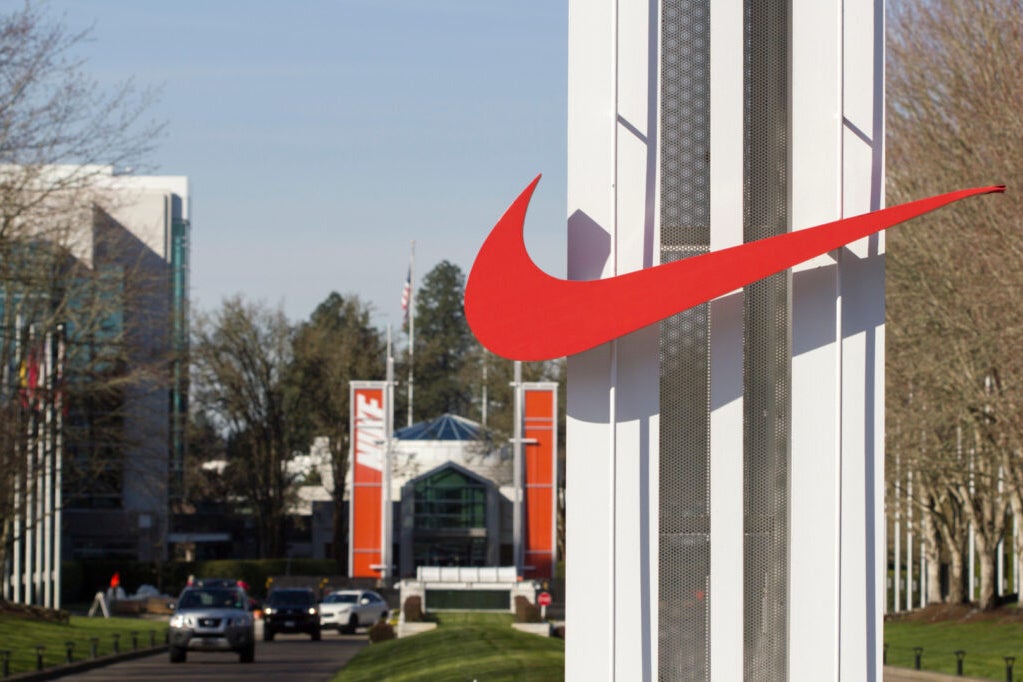
Nike and Lululemon Sales Outlook Comparison

- Nike Sales Recovery: Nike achieved flat sales in the third quarter of fiscal 2026, improving from a previous decline of 10%, although management still anticipates a full-year sales decline, indicating the company's potential to seek recovery amidst adversity.
- Lululemon Performance Fluctuations: Lululemon reported a 4% sales increase in the first quarter of fiscal 2026, but lowered its full-year guidance due to declining profitability and leadership changes, reflecting the challenges faced and a shake in market confidence.
- China Market Performance: Lululemon's sales in China increased by 30% year-over-year, while sales in the U.S. fell by 4%, indicating that its strong performance in international markets could be a key driver for future growth.
- Dividend Appeal: Nike's current dividend yield stands at 3.9%, and despite facing sales pressures, it has not suspended its payout, providing investors with stable cash flow and enhancing its attractiveness in the market.

Nike vs. Lululemon: A Value Investment Showdown
- Nike's Brand Power: Nike boasts the highest brand strength among global apparel brands, maintaining its top position in youth market surveys despite recent sales declines and stock price drops, indicating strong recovery potential.
- Signs of Sales Recovery: In the third quarter of fiscal 2026, Nike reported flat year-over-year sales, an improvement from previous declines of 10%, with management identifying a recovery path despite expectations for continued annual sales declines.
- Lululemon's Market Challenges: Lululemon achieved a 4% sales increase in the first quarter of fiscal 2026, but has lowered its full-year guidance due to declining profitability and negative attention from a proxy fight involving its founder, reflecting a lack of market confidence.
- Strength in China: Lululemon's sales in China surged 30% year-over-year, contrasting with a 4% decline in the U.S. market, highlighting its international growth potential compared to Nike's struggles.
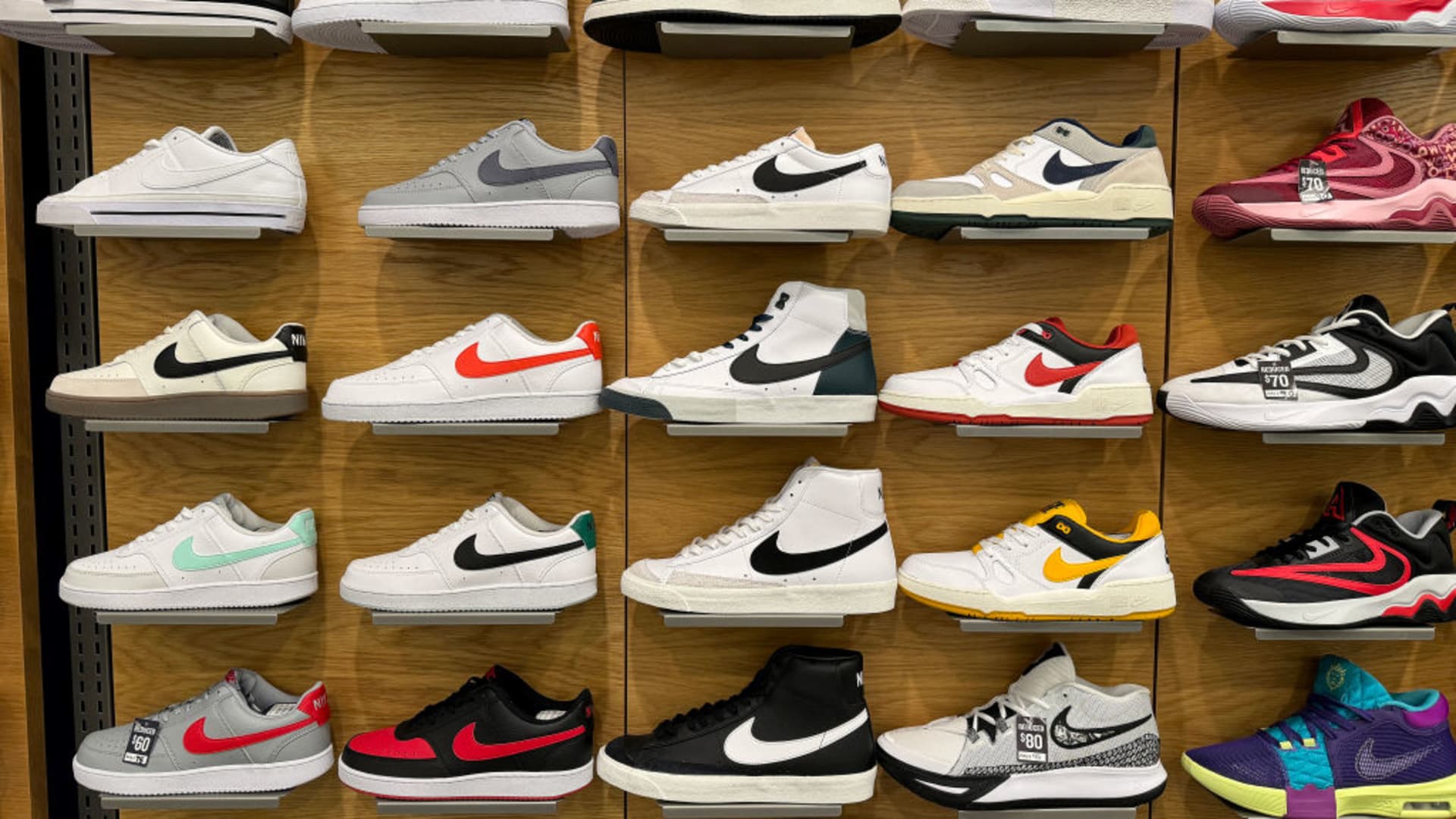
Nike vs. Lululemon: Market Competition Analysis
- Nike's Brand Power: Nike holds the highest brand power among global apparel brands according to Brand Finance's Brand Strength Index, maintaining its leadership in athletic wear despite recent sales declines and stock price drops, indicating potential for recovery.
- Sales Recovery Signs: In the third quarter of fiscal 2026, Nike reported flat year-over-year sales, an improvement from previous declines of 10%, with management still guiding for an overall decline for the year while seeking recovery through innovation and re-establishing ties with wholesalers.
- Lululemon's Market Challenges: Lululemon reported a 4% sales increase in the first quarter of fiscal 2026, but struggles with profitability and lowered guidance have led to a crisis of confidence, particularly following founder Chip Wilson's proxy fight that negatively impacted sales.
- Chinese Market Highlights: While Lululemon's U.S. sales fell by 4%, its sales in China surged by 30% year-over-year, showcasing its potential in the rapidly growing Asia-Pacific market, which serves as a significant advantage in its competition with Nike.

Lululemon Shareholders Approve Board Nominees, Clearing Path for CEO Transition
- Board Changes: Lululemon shareholders approved board nominees at the annual meeting, including former Levi Strauss CEO Chip Bergh, marking the end of a proxy contest with founder Chip Wilson and allowing incoming CEO Heidi O'Neill to focus on turnaround strategies.
- Leadership Challenges: Chip Wilson, who holds an 8.6% stake, has challenged Lululemon's leadership and strategic direction since late last year; as part of the settlement, he will refrain from public criticism for 18 months, aiming to stabilize governance.
- Competitive Pressure: As O'Neill prepares to take over in September, Lululemon faces increasing competition from rivals like Alo Yoga and Vuori, particularly as the company projects its first quarterly sales decline since the pandemic, indicating a tough market environment.
- Financial Warning: Lululemon has warned that higher discounting and tariff-related costs will weigh on margins, contributing to a roughly 46% decline in share price year-to-date, reflecting investor concerns about the company's future performance.
Nike Expected to Report Eighth Straight Quarter of Declining Profits
- Profit Decline: Nike is expected to report its eighth consecutive quarter of declining profits, with revenue rising only 1% in the first three quarters and earnings per share down 32% to $1.38, indicating significant operational challenges amid fierce competition and weak consumer spending.
- Margin Outlook: Although management anticipates a return to gross margin expansion by Q2 of fiscal 2027, the gross margin has fallen by 250 basis points to 41% due to tariff impacts and inventory clearance, which will continue to exert pressure on future profitability.
- Executive Transition Risk: CFO Matthew Friend will step down on August 17, replaced by David Denton, former CFO of Pfizer, and such management changes may signal internal issues within the company, prompting investors to remain cautious.
- Intensifying Market Competition: Nike faces increasing competition from brands like On Holding and Deckers, compounded by nationalistic consumer sentiment and declining wholesale demand in China, with revenue in Greater China expected to drop by 20%, further impacting the company's market share and growth prospects.
Nike Faces Sales Decline and Management Changes Ahead of Earnings Report
- Sales Decline: Nike's revenue has only risen 1% over the past three quarters, while profits have plummeted, with gross margins falling 250 basis points to 41%, indicating severe market challenges amid intense competition and weak consumer spending.
- Management Changes: CFO Matthew Friend will step down on August 17, replaced by former Pfizer CFO David Denton, raising investor concerns about the company's strategic direction, especially given its poor performance.
- Pessimistic Market Expectations: Nike anticipates a 2%-4% revenue decline in Q4, with Greater China expected to see a 20% drop due to reduced wholesale demand and marketplace reset actions, highlighting the company's struggles to regain growth.
- Dividend and Profit Pressure: Although Nike offers a nearly 4% dividend yield, the significant profit decline makes it challenging to fund the dividend entirely from earnings, necessitating a clear path to profit stabilization and growth to reassure investors about the dividend's safety and support stock recovery.
Nike and Lululemon Sales Outlook Comparison
- Nike Sales Recovery: Nike achieved flat sales in the third quarter of fiscal 2026, improving from a previous decline of 10%, although management still anticipates a full-year sales decline, indicating the company's potential to seek recovery amidst adversity.
- Lululemon Performance Fluctuations: Lululemon reported a 4% sales increase in the first quarter of fiscal 2026, but lowered its full-year guidance due to declining profitability and leadership changes, reflecting the challenges faced and a shake in market confidence.
- China Market Performance: Lululemon's sales in China increased by 30% year-over-year, while sales in the U.S. fell by 4%, indicating that its strong performance in international markets could be a key driver for future growth.
- Dividend Appeal: Nike's current dividend yield stands at 3.9%, and despite facing sales pressures, it has not suspended its payout, providing investors with stable cash flow and enhancing its attractiveness in the market.
Nike vs. Lululemon: A Value Investment Showdown
- Nike's Brand Power: Nike boasts the highest brand strength among global apparel brands, maintaining its top position in youth market surveys despite recent sales declines and stock price drops, indicating strong recovery potential.
- Signs of Sales Recovery: In the third quarter of fiscal 2026, Nike reported flat year-over-year sales, an improvement from previous declines of 10%, with management identifying a recovery path despite expectations for continued annual sales declines.
- Lululemon's Market Challenges: Lululemon achieved a 4% sales increase in the first quarter of fiscal 2026, but has lowered its full-year guidance due to declining profitability and negative attention from a proxy fight involving its founder, reflecting a lack of market confidence.
- Strength in China: Lululemon's sales in China surged 30% year-over-year, contrasting with a 4% decline in the U.S. market, highlighting its international growth potential compared to Nike's struggles.
Nike vs. Lululemon: Market Competition Analysis
- Nike's Brand Power: Nike holds the highest brand power among global apparel brands according to Brand Finance's Brand Strength Index, maintaining its leadership in athletic wear despite recent sales declines and stock price drops, indicating potential for recovery.
- Sales Recovery Signs: In the third quarter of fiscal 2026, Nike reported flat year-over-year sales, an improvement from previous declines of 10%, with management still guiding for an overall decline for the year while seeking recovery through innovation and re-establishing ties with wholesalers.
- Lululemon's Market Challenges: Lululemon reported a 4% sales increase in the first quarter of fiscal 2026, but struggles with profitability and lowered guidance have led to a crisis of confidence, particularly following founder Chip Wilson's proxy fight that negatively impacted sales.
- Chinese Market Highlights: While Lululemon's U.S. sales fell by 4%, its sales in China surged by 30% year-over-year, showcasing its potential in the rapidly growing Asia-Pacific market, which serves as a significant advantage in its competition with Nike.
Lululemon Shareholders Approve Board Nominees, Clearing Path for CEO Transition
- Board Changes: Lululemon shareholders approved board nominees at the annual meeting, including former Levi Strauss CEO Chip Bergh, marking the end of a proxy contest with founder Chip Wilson and allowing incoming CEO Heidi O'Neill to focus on turnaround strategies.
- Leadership Challenges: Chip Wilson, who holds an 8.6% stake, has challenged Lululemon's leadership and strategic direction since late last year; as part of the settlement, he will refrain from public criticism for 18 months, aiming to stabilize governance.
- Competitive Pressure: As O'Neill prepares to take over in September, Lululemon faces increasing competition from rivals like Alo Yoga and Vuori, particularly as the company projects its first quarterly sales decline since the pandemic, indicating a tough market environment.
- Financial Warning: Lululemon has warned that higher discounting and tariff-related costs will weigh on margins, contributing to a roughly 46% decline in share price year-to-date, reflecting investor concerns about the company's future performance.





