Recent Developments Are Changing the Narrative for GSK
GSK's Fair Value Estimate: Analysts have slightly increased GSK's fair value estimate from £18.07 to £18.27, reflecting cautious optimism amid ongoing valuation adjustments and market conditions.
Analyst Insights: JPMorgan raised GSK's price target to 1,500 GBp while maintaining an Underweight rating, indicating concerns about potential risks despite positive valuation changes.
Regulatory and Operational Developments: GSK is investing over $350 billion in U.S. manufacturing to adapt to trade policies, and has received FDA approval for a new cancer treatment, enhancing its market position.
Legal Challenges: AnaptysBio has initiated legal action against GSK, alleging breach of a collaboration agreement, which could affect future partnerships and innovation in the oncology sector.
Trade with 70% Backtested Accuracy
Analyst Views on GSK

About GSK
About the author

GSK Withdraws Autism Drug Application

- Application Withdrawal: GSK has requested the U.S. FDA to withdraw its application for leucovorin calcium, a drug previously touted by President Trump as a potential autism treatment, indicating the company's negative outlook on the drug's market potential.
- Market Stagnation: GSK has not marketed leucovorin calcium since 1999, suggesting a complete lack of commercial interest in the drug, which may impact its reputation in related therapeutic areas.
- FDA Approval Status: Although the FDA approved the drug for cerebral folate transport deficiency last month, it did not approve it for autism, reflecting regulatory caution regarding the drug's efficacy in treating autism.
- Company Statement: A GSK spokesperson stated that the company never intended to sell the drug again, further confirming its strategic shift away from leucovorin calcium towards other therapeutic areas.

Three Affordable Small-Cap Stocks That Deserve Another Look


P/E Ratio Overview: The price-to-earnings (P/E) ratio is a key metric for evaluating a company's valuation, with the average P/E ratio for S&P 500 stocks around 27x. Stocks with a P/E below 12x may offer value, often found among smaller companies that attract less institutional investment.
Innoviva's Unique Business Model: Innoviva, a biotechnology company, operates with a three-part business model and has shown strong revenue growth. It is becoming less reliant on royalty revenue, which has decreased from 72% to 60%, indicating diversification in its income sources.
Wendy's Challenges and Opportunities: Wendy's is facing declining sales and earnings, attributed to reduced consumer dining out. However, it is controlling its operations by shutting underperforming restaurants and showing solid international growth, alongside a high dividend yield of over 8%.
Nabors Industries and Oil Market Trends: Nabors Industries, an oil and gas drilling services company, is experiencing gains due to rising oil prices. Analysts are optimistic about its potential, although the stock's price targets suggest limited upside, making it a speculative pick in the current market.
New Rules for CDC Immunization Committee Selection Released

- New Regulation Implementation: The Department of Health and Human Services has released new rules for selecting members of the CDC's Advisory Committee on Immunization Practices (ACIP), replacing the invalidated appointments by a federal court to ensure transparency and fairness in the selection process.
- Court Ruling Impact: A Boston-based U.S. District Court has stayed the appointments of 13 ACIP members, emphasizing the need for rigorous screening in member selection, which may affect future vaccine policy formulation.
- Expanded Expertise Requirements: The renewed ACIP charter broadens the expertise required for individuals wishing to serve on the committee, aiming to incorporate specialists from various fields to enhance the committee's decision-making capabilities.
- Vaccine Coverage Implications: The recommendations made by ACIP are crucial for vaccine manufacturers, as their decisions directly influence the types and doses of vaccines Americans should receive, thereby impacting health insurance coverage.
GSK's Exdensur Approved in China for Nasal Polyps Treatment
- Drug Approval: GSK's Exdensur (depemokimab) has been approved in China as an additional treatment for adults with chronic sinus inflammation and nasal polyps who have not responded to standard steroid treatments or surgery, marking a significant expansion in the company's respiratory care offerings.
- Positive Market Reaction: Following the announcement, GSK's stock rose by 1.3% in London, indicating strong market confidence in the company's growth prospects in China, which is expected to drive future sales increases.
- Clinical Trial Validation: The approval is based on the ANCHOR trials, which demonstrated clinically meaningful and statistically significant improvements in nasal polyp size and nasal obstruction, further validating the drug's efficacy and safety profile.
- Respiratory Care Strategy: This approval follows China's recent authorization of Exdensur for severe asthma in patients aged 12 and older, highlighting GSK's proactive strategy to expand its influence in the Chinese respiratory care market and diversify its product portfolio.

GSK's Exdensur Approved in China for CRSwNP Treatment
- New Drug Approval: GSK plc announced that its drug Exdensur (depemokimab) has been approved by China's National Medical Products Administration as an add-on therapy with intranasal corticosteroids for adult patients with CRSwNP, addressing a significant treatment gap for those inadequately controlled by systemic corticosteroids and/or surgery.
- Clinical Trial Support: The approval is based on data from the ANCHOR-1 and ANCHOR-2 phase III trials, demonstrating Exdensur's efficacy in improving disease control for patients, thereby enhancing GSK's competitive position in the respiratory disease market.
- International Market Recognition: In addition to its approval in China, Exdensur has also been approved in the US for severe asthma treatment and in Japan, the EU, and the UK for both severe asthma and CRSwNP, indicating its global market potential.
- Market Reaction: As of the last trading session, GSK plc shares were priced at 2,097.00 pence, down 2.19% from the previous day, reflecting a cautious market sentiment regarding the new drug approval, which may impact investor confidence moving forward.
Impact of Trump's Tariffs One Year Later

- Widespread Tariff Impact: Trump's tariff policies have placed significant economic pressure on U.S. businesses over the past year, with approximately 80% to 85% of costs absorbed by companies, leading to reduced profits and increased consumer prices, thereby exacerbating overall economic uncertainty.
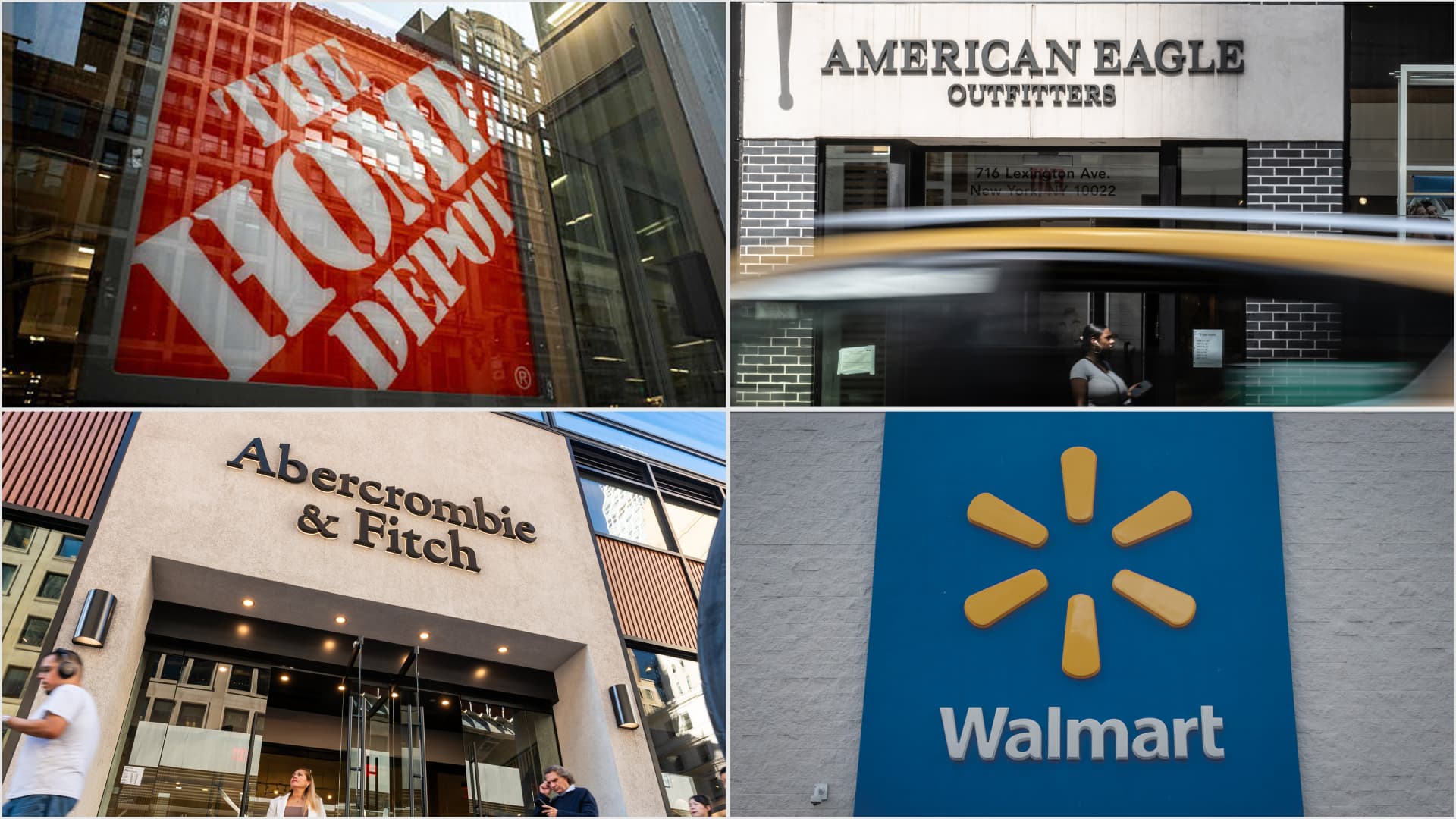
- Retail Sector Adaptation: While large retailers like Walmart have emerged relatively unscathed, smaller businesses have been severely impacted, with Home Depot aiming to limit purchases from any single country to 10% to reduce dependency and enhance supply chain flexibility.
- Automotive Industry Cost Surge: Automakers such as General Motors and Toyota are facing tariff impacts estimated at up to $9.5 billion, and although the Trump administration has taken steps to alleviate overlapping tariffs, overall costs remain significant, forcing companies to reassess their supply chain strategies.
- Pharmaceutical Sector Stability: Pharmaceutical companies have secured three-year tariff exemptions through pricing agreements with Trump, although new tariffs impose 100% on companies that do not reach agreements, the overall industry is still striving to increase investments in U.S. manufacturing.
GSK Withdraws Autism Drug Application
- Application Withdrawal: GSK has requested the U.S. FDA to withdraw its application for leucovorin calcium, a drug previously touted by President Trump as a potential autism treatment, indicating the company's negative outlook on the drug's market potential.
- Market Stagnation: GSK has not marketed leucovorin calcium since 1999, suggesting a complete lack of commercial interest in the drug, which may impact its reputation in related therapeutic areas.
- FDA Approval Status: Although the FDA approved the drug for cerebral folate transport deficiency last month, it did not approve it for autism, reflecting regulatory caution regarding the drug's efficacy in treating autism.
- Company Statement: A GSK spokesperson stated that the company never intended to sell the drug again, further confirming its strategic shift away from leucovorin calcium towards other therapeutic areas.
Three Affordable Small-Cap Stocks That Deserve Another Look
P/E Ratio Overview: The price-to-earnings (P/E) ratio is a key metric for evaluating a company's valuation, with the average P/E ratio for S&P 500 stocks around 27x. Stocks with a P/E below 12x may offer value, often found among smaller companies that attract less institutional investment.
Innoviva's Unique Business Model: Innoviva, a biotechnology company, operates with a three-part business model and has shown strong revenue growth. It is becoming less reliant on royalty revenue, which has decreased from 72% to 60%, indicating diversification in its income sources.
Wendy's Challenges and Opportunities: Wendy's is facing declining sales and earnings, attributed to reduced consumer dining out. However, it is controlling its operations by shutting underperforming restaurants and showing solid international growth, alongside a high dividend yield of over 8%.
Nabors Industries and Oil Market Trends: Nabors Industries, an oil and gas drilling services company, is experiencing gains due to rising oil prices. Analysts are optimistic about its potential, although the stock's price targets suggest limited upside, making it a speculative pick in the current market.
New Rules for CDC Immunization Committee Selection Released
- New Regulation Implementation: The Department of Health and Human Services has released new rules for selecting members of the CDC's Advisory Committee on Immunization Practices (ACIP), replacing the invalidated appointments by a federal court to ensure transparency and fairness in the selection process.
- Court Ruling Impact: A Boston-based U.S. District Court has stayed the appointments of 13 ACIP members, emphasizing the need for rigorous screening in member selection, which may affect future vaccine policy formulation.
- Expanded Expertise Requirements: The renewed ACIP charter broadens the expertise required for individuals wishing to serve on the committee, aiming to incorporate specialists from various fields to enhance the committee's decision-making capabilities.
- Vaccine Coverage Implications: The recommendations made by ACIP are crucial for vaccine manufacturers, as their decisions directly influence the types and doses of vaccines Americans should receive, thereby impacting health insurance coverage.
GSK's Exdensur Approved in China for Nasal Polyps Treatment
- Drug Approval: GSK's Exdensur (depemokimab) has been approved in China as an additional treatment for adults with chronic sinus inflammation and nasal polyps who have not responded to standard steroid treatments or surgery, marking a significant expansion in the company's respiratory care offerings.
- Positive Market Reaction: Following the announcement, GSK's stock rose by 1.3% in London, indicating strong market confidence in the company's growth prospects in China, which is expected to drive future sales increases.
- Clinical Trial Validation: The approval is based on the ANCHOR trials, which demonstrated clinically meaningful and statistically significant improvements in nasal polyp size and nasal obstruction, further validating the drug's efficacy and safety profile.
- Respiratory Care Strategy: This approval follows China's recent authorization of Exdensur for severe asthma in patients aged 12 and older, highlighting GSK's proactive strategy to expand its influence in the Chinese respiratory care market and diversify its product portfolio.
GSK's Exdensur Approved in China for CRSwNP Treatment
- New Drug Approval: GSK plc announced that its drug Exdensur (depemokimab) has been approved by China's National Medical Products Administration as an add-on therapy with intranasal corticosteroids for adult patients with CRSwNP, addressing a significant treatment gap for those inadequately controlled by systemic corticosteroids and/or surgery.
- Clinical Trial Support: The approval is based on data from the ANCHOR-1 and ANCHOR-2 phase III trials, demonstrating Exdensur's efficacy in improving disease control for patients, thereby enhancing GSK's competitive position in the respiratory disease market.
- International Market Recognition: In addition to its approval in China, Exdensur has also been approved in the US for severe asthma treatment and in Japan, the EU, and the UK for both severe asthma and CRSwNP, indicating its global market potential.
- Market Reaction: As of the last trading session, GSK plc shares were priced at 2,097.00 pence, down 2.19% from the previous day, reflecting a cautious market sentiment regarding the new drug approval, which may impact investor confidence moving forward.
Impact of Trump's Tariffs One Year Later
- Widespread Tariff Impact: Trump's tariff policies have placed significant economic pressure on U.S. businesses over the past year, with approximately 80% to 85% of costs absorbed by companies, leading to reduced profits and increased consumer prices, thereby exacerbating overall economic uncertainty.
- Retail Sector Adaptation: While large retailers like Walmart have emerged relatively unscathed, smaller businesses have been severely impacted, with Home Depot aiming to limit purchases from any single country to 10% to reduce dependency and enhance supply chain flexibility.
- Automotive Industry Cost Surge: Automakers such as General Motors and Toyota are facing tariff impacts estimated at up to $9.5 billion, and although the Trump administration has taken steps to alleviate overlapping tariffs, overall costs remain significant, forcing companies to reassess their supply chain strategies.
- Pharmaceutical Sector Stability: Pharmaceutical companies have secured three-year tariff exemptions through pricing agreements with Trump, although new tariffs impose 100% on companies that do not reach agreements, the overall industry is still striving to increase investments in U.S. manufacturing.