Middle East Airspace Conflict Disrupts Flights
Written by Emily J. Thompson, Senior Investment Analyst
Updated: 1 hour ago
0mins
Source: seekingalpha
- Flight Service Suspension: As U.S. and Israeli strikes on Iran escalated, major airlines in the UAE, Qatar, and Israel suspended flights, causing widespread disruptions in one of the world's busiest airspaces and affecting thousands of passengers' travel plans.
- UAE Airspace Closure: Following the UAE's airspace closure, Emirates faced disruptions on multiple routes from Dubai International Airport, urging passengers to check flight statuses online, showcasing the airline's crisis management capabilities.
- Israeli Flight Cessation: With Israel closing its airspace, airlines like Delta, United, and Air France grounded flights to and from Tel Aviv, forcing rerouting of planes and returning passengers at Ben Gurion International Airport, highlighting the operational challenges faced by airlines in conflict zones.
- Route Adjustments and Delays: Virgin Atlantic canceled its flight from London Heathrow to Dubai and announced avoidance of Iraqi airspace, potentially leading to delays for flights to India, the Maldives, and Saudi Arabia, reflecting airlines' strategic route adjustments in response to geopolitical tensions.
Trade with 70% Backtested Accuracy
Stop guessing "Should I Buy DAL?" and start using high-conviction signals backed by rigorous historical data.
Sign up today to access powerful investing tools and make smarter, data-driven decisions.
Analyst Views on DAL
Wall Street analysts forecast DAL stock price to rise
18 Analyst Rating
18 Buy
0 Hold
0 Sell
Strong Buy
Current: 70.510

Low
77.00
Averages
83.50
High
90.00
Current: 70.510
Low
77.00
Averages
83.50
High
90.00
About DAL
Delta Air Lines, Inc. provides scheduled air transportation for passengers and cargo throughout the United States and around the world. The Company has hubs and markets in Amsterdam, Atlanta, Bogota, Boston, Detroit, Lima, London-Heathrow, Los Angeles, Mexico City, Minneapolis-St. Paul, New York-JFK and LaGuardia, Paris-Charles de Gaulle, Salt Lake City, Santiago (Chile), Sao Paulo, Seattle, Seoul-Incheon, and Tokyo. Its segments include Airline and Refinery. Its airline segment is managed as a single business unit that provides scheduled air transportation for passengers and cargo throughout the United States and around the world and includes its loyalty program, as well as other ancillary businesses. Its refinery segment operates for the benefit of the airline segment by providing jet fuel to the airline segment from its own production and through jet fuel obtained through agreements with third parties. The refinery's production consists of jet fuel as well as non-jet fuel products.
About the author

Emily J. Thompson
Emily J. Thompson, a Chartered Financial Analyst (CFA) with 12 years in investment research, graduated with honors from the Wharton School. Specializing in industrial and technology stocks, she provides in-depth analysis for Intellectia’s earnings and market brief reports.
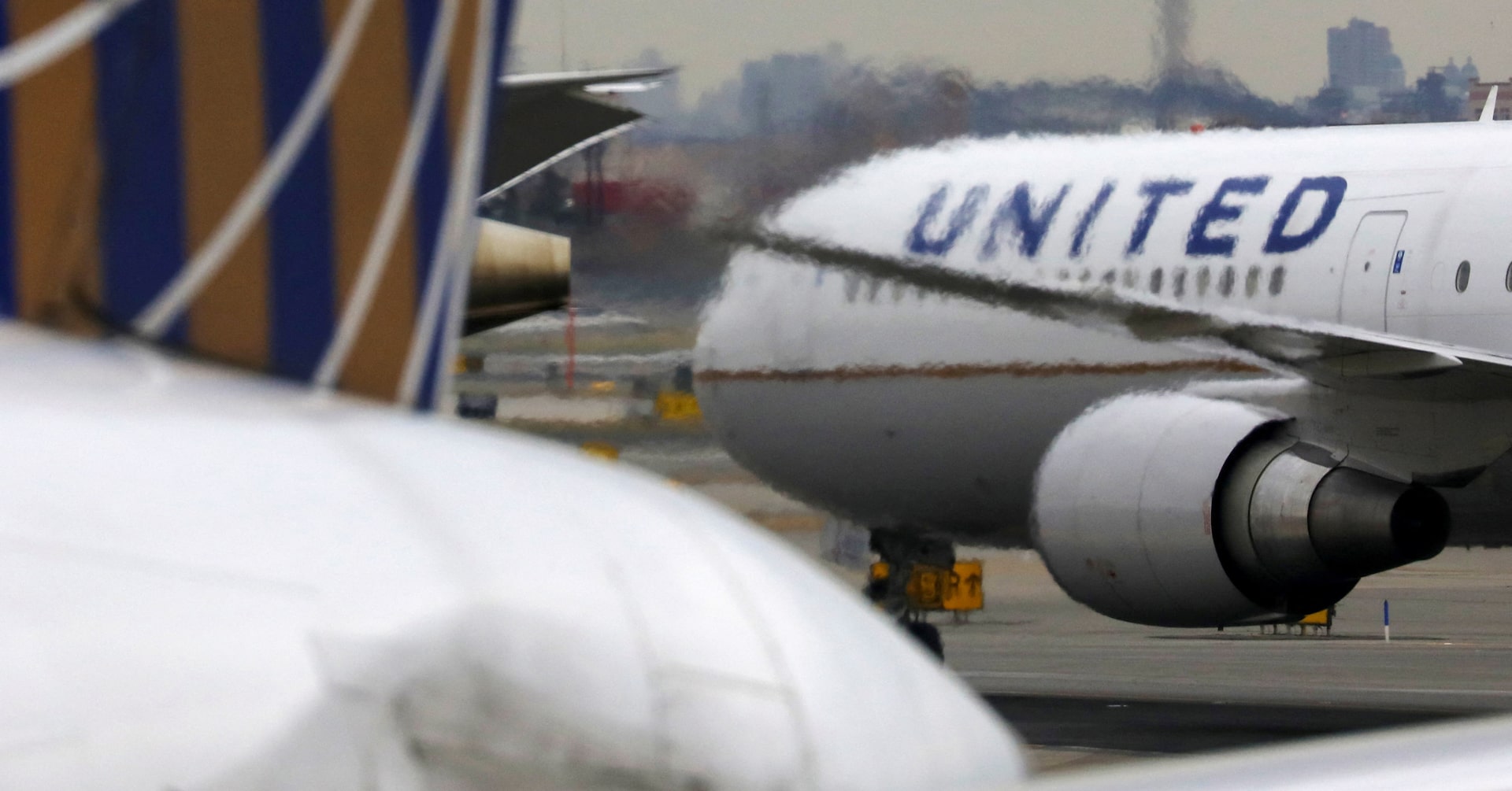
Delta Air Lines Orders 34 More Airbus A321neo Jets

- Fleet Renewal Strategy: Delta Air Lines announced the purchase of 34 additional Airbus A321neo jets, marking its third aircraft order in less than six weeks, demonstrating the company's commitment to refreshing its fleet for improved fuel efficiency and more premium seating.
- Total Order Commitment: This latest order raises Delta's total commitment for the A321neo to 189 aircraft, with 92 currently in service and 97 firm orders, along with options for an additional 36 jets, solidifying its market position.
- Fuel Efficiency Advantage: The A321neo offers the lowest unit cost among Delta's narrowbody jets and is 20%-30% more fuel-efficient than the aircraft it replaces, which will significantly reduce operational costs and enhance profitability.
- Enhanced Market Competitiveness: By increasing the number of first-class and extra-legroom seats, Delta enhances customer experience in the narrowbody market, which is expected to attract more premium travelers and strengthen its competitive edge.
See More
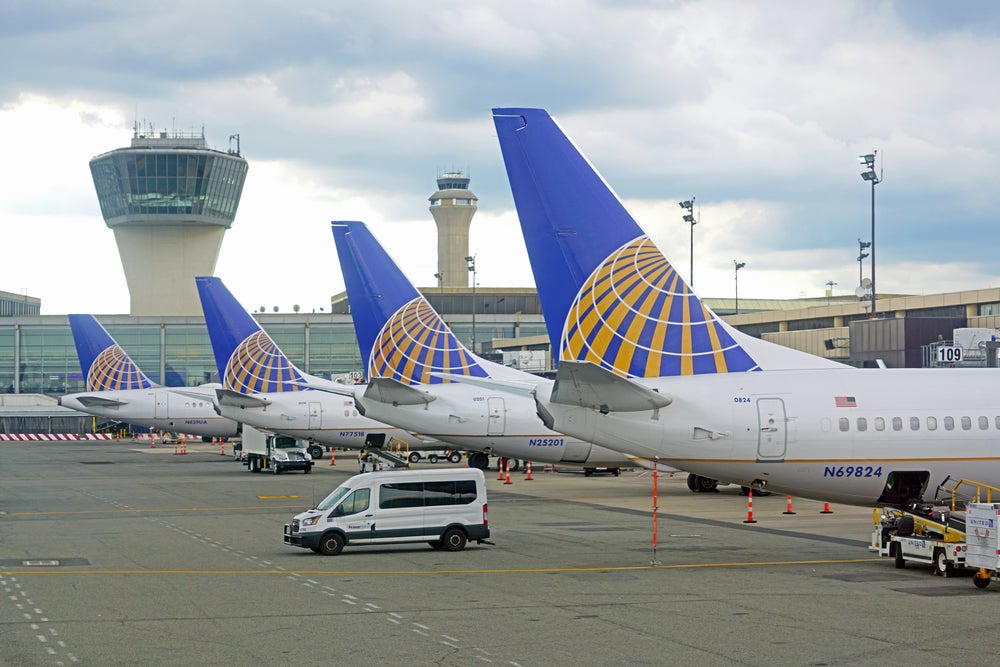
Middle East Airspace Conflict Disrupts Flights

- Flight Service Suspension: As U.S. and Israeli strikes on Iran escalated, major airlines in the UAE, Qatar, and Israel suspended flights, causing widespread disruptions in one of the world's busiest airspaces and affecting thousands of passengers' travel plans.
- UAE Airspace Closure: Following the UAE's airspace closure, Emirates faced disruptions on multiple routes from Dubai International Airport, urging passengers to check flight statuses online, showcasing the airline's crisis management capabilities.
- Israeli Flight Cessation: With Israel closing its airspace, airlines like Delta, United, and Air France grounded flights to and from Tel Aviv, forcing rerouting of planes and returning passengers at Ben Gurion International Airport, highlighting the operational challenges faced by airlines in conflict zones.
- Route Adjustments and Delays: Virgin Atlantic canceled its flight from London Heathrow to Dubai and announced avoidance of Iraqi airspace, potentially leading to delays for flights to India, the Maldives, and Saudi Arabia, reflecting airlines' strategic route adjustments in response to geopolitical tensions.
See More
US Stocks Decline on Friday, Bank Stocks Plummet


- Market Decline: The S&P 500 index closed down 0.43% on Friday, with the Dow Jones Industrial Average falling 1.05% and the Nasdaq 100 down 0.30%, reflecting heightened investor concerns over the disruptive potential of AI, which has negatively impacted market confidence.
- Bank Stocks Plummet: The collapse of UK private lender Market Financial Solutions Ltd raised fears of rising defaults, leading to significant declines in bank stocks, with Morgan Stanley and Goldman Sachs both down over 7%, indicating instability within the financial sector.
- Economic Data Impact: The US January PPI rose 0.5% month-over-month, exceeding expectations of 0.3%, while the Chicago PMI unexpectedly increased to 57.7, demonstrating economic resilience, although market speculation regarding Fed rate cuts was dampened.
- Rising Oil Prices Pressure: WTI crude oil prices surged over 2% to a 7-month high due to President Trump's pessimistic remarks on Iranian nuclear negotiations, exacerbating geopolitical risks that could further impact airline profits, leading to declines in related stocks.
See More

US Stocks Decline as AI Disrupts Markets
- Market Weakness: The S&P 500 index fell by 0.61%, the Dow Jones Industrial Average dropped by 1.17%, and the Nasdaq 100 index decreased by 0.41%, reflecting investor concerns over the disruptive potential of AI, which has put overall market sentiment under pressure.
- Producer Prices Rise: The US January Producer Price Index (PPI) increased by 0.5% month-over-month and 2.9% year-over-year, exceeding expectations, indicating rising inflationary pressures that could influence the Fed's interest rate decisions and increase market uncertainty.
- Strong Economic Data: Despite the market downturn, the February Chicago PMI unexpectedly rose to 57.7, signaling signs of economic expansion, which may alleviate some investor concerns about a slowdown in economic growth.
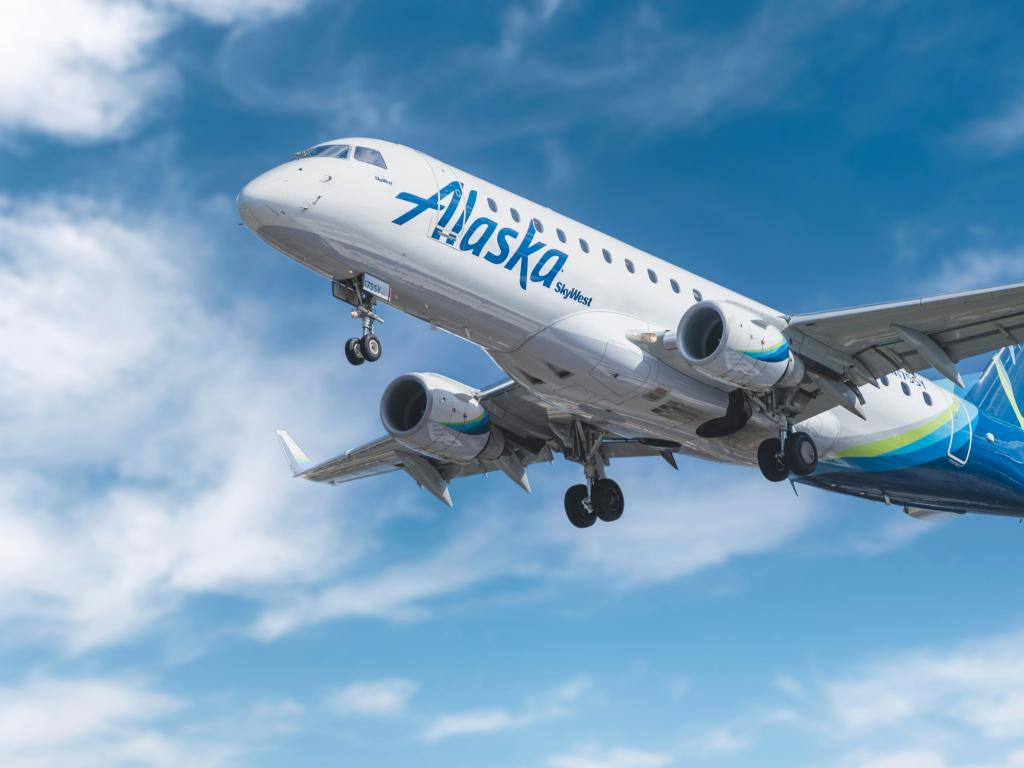
- Airline Stocks Under Pressure: With WTI crude oil prices reaching a 6.5-month high, airline stocks are generally declining, with United Airlines down over 8%, reflecting the potential threat of rising fuel costs on airline profitability.
See More

United Airlines and Delta Shares Decline: Understanding the Struggles Facing Airlines.


- Stock Performance: Shares of United Airlines Holdings and Delta Air Lines experienced a significant decline on Friday.
- Market Influences: The drop in airline stocks is attributed to escalating geopolitical tensions and increasing oil prices.
See More

U.S. Airline Sector Expected to Hit Record Profits in 2026

- Profit Growth: According to the International Air Transport Association (IATA), the U.S. airline sector is projected to achieve a net profit of $41 billion in 2026, up from $39.5 billion in 2025, marking a new industry record.
- Operating Profit Increase: The operating profits for the airline industry are expected to rise from $67 billion to $72.8 billion in 2026, with operating margins increasing from 6.6% to 6.9%, indicating enhanced overall profitability across the sector.
- Challenges and Opportunities: Despite increased cash flow, net profit margins are expected to remain at 3.9%, with net profit per passenger forecasted at $7.90, below the 2023 high of $8.50, highlighting the need for cautious investment amid high operating costs.
- AI Integration: With 97% of airlines planning or already integrating AI technology, particularly in maintenance and operations, this move is expected to enhance efficiency and provide new growth momentum for future profitability.
See More
Delta Air Lines Orders 34 More Airbus A321neo Jets
- Fleet Renewal Strategy: Delta Air Lines announced the purchase of 34 additional Airbus A321neo jets, marking its third aircraft order in less than six weeks, demonstrating the company's commitment to refreshing its fleet for improved fuel efficiency and more premium seating.
- Total Order Commitment: This latest order raises Delta's total commitment for the A321neo to 189 aircraft, with 92 currently in service and 97 firm orders, along with options for an additional 36 jets, solidifying its market position.
- Fuel Efficiency Advantage: The A321neo offers the lowest unit cost among Delta's narrowbody jets and is 20%-30% more fuel-efficient than the aircraft it replaces, which will significantly reduce operational costs and enhance profitability.
- Enhanced Market Competitiveness: By increasing the number of first-class and extra-legroom seats, Delta enhances customer experience in the narrowbody market, which is expected to attract more premium travelers and strengthen its competitive edge.
See More
Middle East Airspace Conflict Disrupts Flights
- Flight Service Suspension: As U.S. and Israeli strikes on Iran escalated, major airlines in the UAE, Qatar, and Israel suspended flights, causing widespread disruptions in one of the world's busiest airspaces and affecting thousands of passengers' travel plans.
- UAE Airspace Closure: Following the UAE's airspace closure, Emirates faced disruptions on multiple routes from Dubai International Airport, urging passengers to check flight statuses online, showcasing the airline's crisis management capabilities.
- Israeli Flight Cessation: With Israel closing its airspace, airlines like Delta, United, and Air France grounded flights to and from Tel Aviv, forcing rerouting of planes and returning passengers at Ben Gurion International Airport, highlighting the operational challenges faced by airlines in conflict zones.
- Route Adjustments and Delays: Virgin Atlantic canceled its flight from London Heathrow to Dubai and announced avoidance of Iraqi airspace, potentially leading to delays for flights to India, the Maldives, and Saudi Arabia, reflecting airlines' strategic route adjustments in response to geopolitical tensions.
See More
US Stocks Decline on Friday, Bank Stocks Plummet
- Market Decline: The S&P 500 index closed down 0.43% on Friday, with the Dow Jones Industrial Average falling 1.05% and the Nasdaq 100 down 0.30%, reflecting heightened investor concerns over the disruptive potential of AI, which has negatively impacted market confidence.
- Bank Stocks Plummet: The collapse of UK private lender Market Financial Solutions Ltd raised fears of rising defaults, leading to significant declines in bank stocks, with Morgan Stanley and Goldman Sachs both down over 7%, indicating instability within the financial sector.
- Economic Data Impact: The US January PPI rose 0.5% month-over-month, exceeding expectations of 0.3%, while the Chicago PMI unexpectedly increased to 57.7, demonstrating economic resilience, although market speculation regarding Fed rate cuts was dampened.
- Rising Oil Prices Pressure: WTI crude oil prices surged over 2% to a 7-month high due to President Trump's pessimistic remarks on Iranian nuclear negotiations, exacerbating geopolitical risks that could further impact airline profits, leading to declines in related stocks.
See More
US Stocks Decline as AI Disrupts Markets
- Market Weakness: The S&P 500 index fell by 0.61%, the Dow Jones Industrial Average dropped by 1.17%, and the Nasdaq 100 index decreased by 0.41%, reflecting investor concerns over the disruptive potential of AI, which has put overall market sentiment under pressure.
- Producer Prices Rise: The US January Producer Price Index (PPI) increased by 0.5% month-over-month and 2.9% year-over-year, exceeding expectations, indicating rising inflationary pressures that could influence the Fed's interest rate decisions and increase market uncertainty.
- Strong Economic Data: Despite the market downturn, the February Chicago PMI unexpectedly rose to 57.7, signaling signs of economic expansion, which may alleviate some investor concerns about a slowdown in economic growth.
- Airline Stocks Under Pressure: With WTI crude oil prices reaching a 6.5-month high, airline stocks are generally declining, with United Airlines down over 8%, reflecting the potential threat of rising fuel costs on airline profitability.
See More
United Airlines and Delta Shares Decline: Understanding the Struggles Facing Airlines.
- Stock Performance: Shares of United Airlines Holdings and Delta Air Lines experienced a significant decline on Friday.
- Market Influences: The drop in airline stocks is attributed to escalating geopolitical tensions and increasing oil prices.
See More
U.S. Airline Sector Expected to Hit Record Profits in 2026
- Profit Growth: According to the International Air Transport Association (IATA), the U.S. airline sector is projected to achieve a net profit of $41 billion in 2026, up from $39.5 billion in 2025, marking a new industry record.
- Operating Profit Increase: The operating profits for the airline industry are expected to rise from $67 billion to $72.8 billion in 2026, with operating margins increasing from 6.6% to 6.9%, indicating enhanced overall profitability across the sector.
- Challenges and Opportunities: Despite increased cash flow, net profit margins are expected to remain at 3.9%, with net profit per passenger forecasted at $7.90, below the 2023 high of $8.50, highlighting the need for cautious investment amid high operating costs.
- AI Integration: With 97% of airlines planning or already integrating AI technology, particularly in maintenance and operations, this move is expected to enhance efficiency and provide new growth momentum for future profitability.
See More