Halper Sadeh LLC Encourages CIVI, QRVO, CCRD Shareholders to Contact the Firm to Discuss Their Rights
Investigation Announcement: Halper Sadeh LLC is investigating potential violations of federal securities laws and breaches of fiduciary duties related to the sales of Civitas Resources, Qorvo, and CoreCard, urging shareholders to act quickly to enforce their rights.
Shareholder Rights: The firm offers to represent shareholders on a contingent fee basis, meaning no upfront legal fees, and encourages them to contact the firm for free consultations regarding their legal options.
Potential Outcomes: The investigation may seek increased compensation for shareholders, additional disclosures, or other forms of relief related to the proposed transactions.
Firm's Background: Halper Sadeh LLC has a history of representing investors globally, recovering funds for those affected by securities fraud and corporate misconduct, and implementing corporate reforms.
Trade with 70% Backtested Accuracy
Analyst Views on QRVO

About QRVO
About the author


QORVO Reports Adjusted Gross Margin of 52.6% for Q4
- Financial Performance: The adjusted gross margin stands at 52.6%, indicating a strong profitability level for the company.
- Market Position: The company continues to maintain a competitive edge in its industry, reflected in its financial metrics.
QORVO Reports Q4 Revenue of $808.3 Million, Exceeding IBES Estimate of $800.6 Million
- Q4 Revenue: The reported revenue for Q4 is USD 808.3 million.
- Comparison to Estimates: This figure exceeds the estimated revenue of USD 800.6 million.
QORVO Reports Q4 Earnings Per Share of USD 0.32
- Market Overview: The stock market is experiencing fluctuations, with notable movements in various sectors.
- Economic Indicators: Recent economic data suggests a slight increase in inflation rates, impacting investor sentiment.
- Corporate Earnings: Several major companies have reported their quarterly earnings, showing mixed results that influence market trends.
- Global Events: Ongoing geopolitical tensions are affecting market stability and investor confidence.
Qorvo Set to Announce Q4 Earnings on May 5th
- Earnings Announcement: Qorvo is set to release its Q4 earnings on May 5th after market close, with consensus EPS estimate at $1.21, reflecting a 14.8% year-over-year decline, and revenue estimate at $801.76 million, down 7.8% year-over-year, indicating challenges ahead for the company.
- Historical Performance: Over the past two years, Qorvo has consistently beaten both EPS and revenue estimates, achieving a 100% success rate, which underscores the company's stability in financial forecasting and market confidence.
- Estimate Revisions: In the last three months, EPS estimates have seen one upward revision and 15 downward adjustments, while revenue estimates experienced no upward revisions and 16 downward adjustments, reflecting a cautious market outlook on the company's future performance.
- Market Analysis Trends: Recently, Barclays upgraded Qorvo and Skyworks Solutions, while Mizuho downgraded Qorvo due to smartphone market weakness, highlighting the divergence in market sentiment regarding the company's prospects.
Skyworks Surpasses Q2 Expectations Amid Market Drop

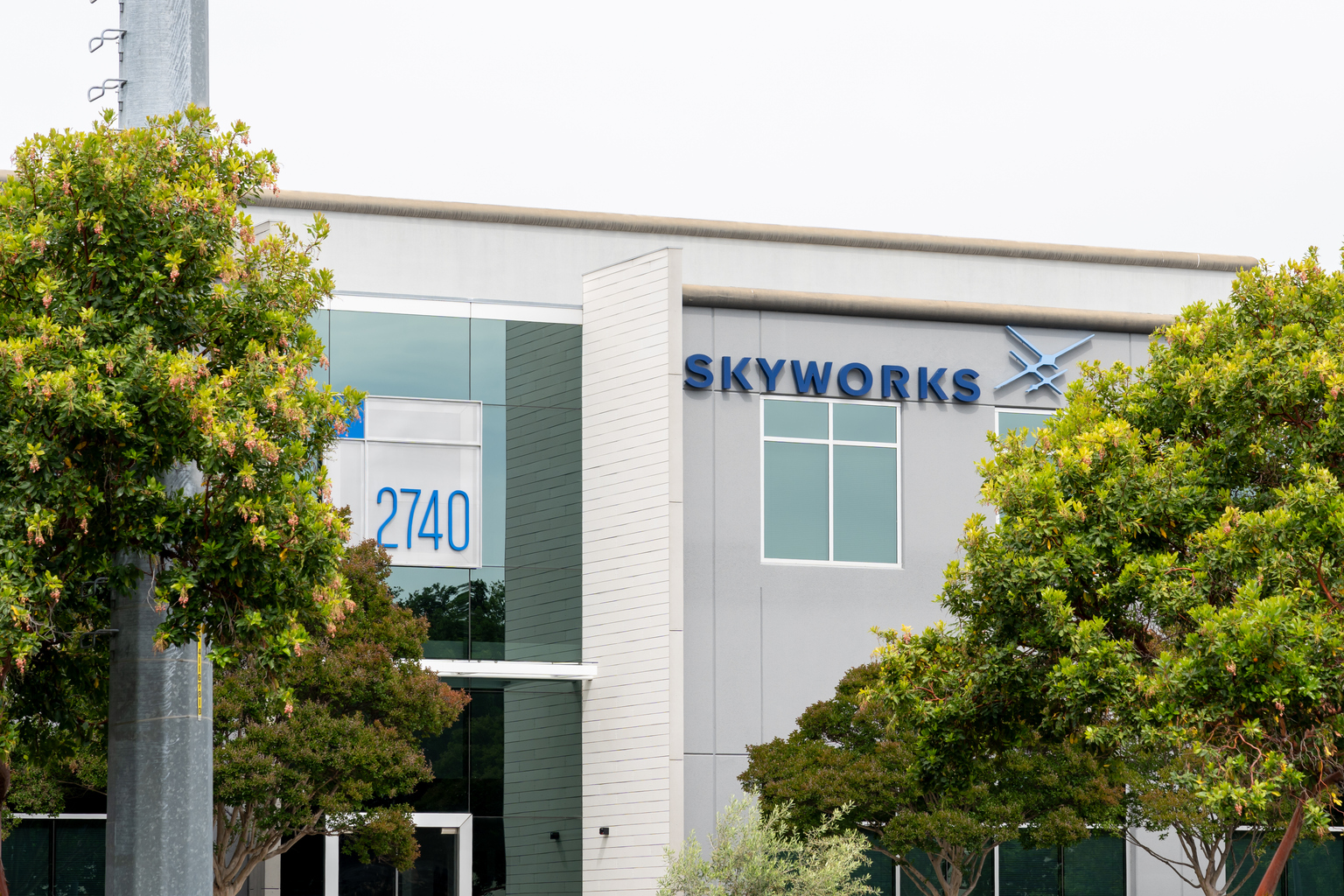
- Earnings Beat: Skyworks Solutions reported a non-GAAP EPS of $1.15 for Q2 2026, exceeding expectations by $0.11, with revenue of $944 million surpassing estimates by $42.21 million, although the stock fell 13% in early trading.
- Significant Design Win: The company secured a multigenerational design win with a leading Android OEM, projected to generate over $1 billion in revenue through 2030, validating its technology differentiation and expanding footprint in premium AI-enabled devices.
- Acquisition Progress: CEO Philip Brace expressed optimism about the Qorvo acquisition potentially closing ahead of schedule in late 2026, despite formal guidance indicating early 2027, with anticipated synergies exceeding $500 million.
- Market Outlook Adjustments: Despite strong mobile performance, RBC and Morgan Stanley raised their price targets to $72 and $76 respectively, while analysts cautioned that tight memory supply could pose challenges to smartphone unit growth.

Qorvo Earnings Preview: Revenue Expected to Decline
- Earnings Release Preview: Qorvo is set to report earnings after market close this Tuesday, with analysts expecting a year-on-year revenue decline of 7.9%, aligning with the 7.6% drop recorded in the same quarter last year, indicating cautious market sentiment regarding the company's future performance.
- Strong Previous Quarter: Last quarter, Qorvo reported revenues of $993 million, an 8.4% year-on-year increase, not only beating analyst expectations but also showing a solid performance in adjusted operating income, highlighting the company's competitive position in the market.
- Stable Analyst Expectations: Over the past 30 days, analysts covering Qorvo have generally reaffirmed their estimates, suggesting confidence in the company's ability to maintain stability heading into earnings, despite the uncertain market environment.
- Positive Market Sentiment: In the processors and graphics chips sector, investor sentiment has been optimistic, with related stocks averaging a 34.9% increase over the past month, while Qorvo has also risen 17.2%, reflecting market expectations for its future performance.
QORVO Reports Adjusted Gross Margin of 52.6% for Q4
- Financial Performance: The adjusted gross margin stands at 52.6%, indicating a strong profitability level for the company.
- Market Position: The company continues to maintain a competitive edge in its industry, reflected in its financial metrics.
QORVO Reports Q4 Revenue of $808.3 Million, Exceeding IBES Estimate of $800.6 Million
- Q4 Revenue: The reported revenue for Q4 is USD 808.3 million.
- Comparison to Estimates: This figure exceeds the estimated revenue of USD 800.6 million.
QORVO Reports Q4 Earnings Per Share of USD 0.32
- Market Overview: The stock market is experiencing fluctuations, with notable movements in various sectors.
- Economic Indicators: Recent economic data suggests a slight increase in inflation rates, impacting investor sentiment.
- Corporate Earnings: Several major companies have reported their quarterly earnings, showing mixed results that influence market trends.
- Global Events: Ongoing geopolitical tensions are affecting market stability and investor confidence.
Qorvo Set to Announce Q4 Earnings on May 5th
- Earnings Announcement: Qorvo is set to release its Q4 earnings on May 5th after market close, with consensus EPS estimate at $1.21, reflecting a 14.8% year-over-year decline, and revenue estimate at $801.76 million, down 7.8% year-over-year, indicating challenges ahead for the company.
- Historical Performance: Over the past two years, Qorvo has consistently beaten both EPS and revenue estimates, achieving a 100% success rate, which underscores the company's stability in financial forecasting and market confidence.
- Estimate Revisions: In the last three months, EPS estimates have seen one upward revision and 15 downward adjustments, while revenue estimates experienced no upward revisions and 16 downward adjustments, reflecting a cautious market outlook on the company's future performance.
- Market Analysis Trends: Recently, Barclays upgraded Qorvo and Skyworks Solutions, while Mizuho downgraded Qorvo due to smartphone market weakness, highlighting the divergence in market sentiment regarding the company's prospects.
Skyworks Surpasses Q2 Expectations Amid Market Drop
- Earnings Beat: Skyworks Solutions reported a non-GAAP EPS of $1.15 for Q2 2026, exceeding expectations by $0.11, with revenue of $944 million surpassing estimates by $42.21 million, although the stock fell 13% in early trading.
- Significant Design Win: The company secured a multigenerational design win with a leading Android OEM, projected to generate over $1 billion in revenue through 2030, validating its technology differentiation and expanding footprint in premium AI-enabled devices.
- Acquisition Progress: CEO Philip Brace expressed optimism about the Qorvo acquisition potentially closing ahead of schedule in late 2026, despite formal guidance indicating early 2027, with anticipated synergies exceeding $500 million.
- Market Outlook Adjustments: Despite strong mobile performance, RBC and Morgan Stanley raised their price targets to $72 and $76 respectively, while analysts cautioned that tight memory supply could pose challenges to smartphone unit growth.
Qorvo Earnings Preview: Revenue Expected to Decline
- Earnings Release Preview: Qorvo is set to report earnings after market close this Tuesday, with analysts expecting a year-on-year revenue decline of 7.9%, aligning with the 7.6% drop recorded in the same quarter last year, indicating cautious market sentiment regarding the company's future performance.
- Strong Previous Quarter: Last quarter, Qorvo reported revenues of $993 million, an 8.4% year-on-year increase, not only beating analyst expectations but also showing a solid performance in adjusted operating income, highlighting the company's competitive position in the market.
- Stable Analyst Expectations: Over the past 30 days, analysts covering Qorvo have generally reaffirmed their estimates, suggesting confidence in the company's ability to maintain stability heading into earnings, despite the uncertain market environment.
- Positive Market Sentiment: In the processors and graphics chips sector, investor sentiment has been optimistic, with related stocks averaging a 34.9% increase over the past month, while Qorvo has also risen 17.2%, reflecting market expectations for its future performance.