Halliburton Q1 2026 Earnings Call Insights
Written by Emily J. Thompson, Senior Investment Analyst
Updated: 6 days ago
0mins
Should l Buy HAL?
Source: seekingalpha
- Revenue and Profit Performance: Halliburton reported total revenue of $5.4 billion with an operating margin of 13% in Q1, and despite the impact of Middle Eastern conflicts, the company anticipates mid- to high-single-digit revenue growth for the full year, showcasing strong performance in the Latin American market.
- Strategic Acquisitions and Market Expansion: The company successfully acquired Sekal, a global leader in rig automation, and secured a multibillion-dollar integrated completion services contract in Argentina, marking the first deployment of ZEUS electric fracturing services outside North America, thereby enhancing its competitive position.
- Future Outlook and Risk Management: Management anticipates Q2 earnings per share will be impacted by Middle East-related pressures, estimating an effect of $0.07 to $0.09 per share, while emphasizing a focus on returns rather than market share to navigate short-term demand signal changes.
- Shareholder Returns and Financial Health: Q1 earnings per share were $0.55, exceeding analyst expectations, and the company repurchased $100 million of its common stock during the quarter, demonstrating a continued commitment to shareholder returns despite cost pressures from the Middle East conflict.
Trade with 70% Backtested Accuracy
Stop guessing "Should I Buy HAL?" and start using high-conviction signals backed by rigorous historical data.
Sign up today to access powerful investing tools and make smarter, data-driven decisions.
Analyst Views on HAL
Wall Street analysts forecast HAL stock price to fall
18 Analyst Rating
12 Buy
6 Hold
0 Sell
Moderate Buy
Current: 40.130

Low
28.00
Averages
32.31
High
39.00
Current: 40.130
Low
28.00
Averages
32.31
High
39.00
About HAL
Halliburton Company is a provider of products and services to the energy industry. The Company operates through two segments: Completion and Production and the Drilling and Evaluation. The Completion and Production segment delivers cementing, stimulation, specialty chemicals, intervention, pressure control, artificial lift, and completion products and services. The segment consists of artificial lift, cementing, completion tools, multi-chem, pipeline and process services, production enhancement, and production solutions. The Drilling and Evaluation segment provides field and reservoir modeling, drilling fluids, evaluation and precise wellbore placement solutions that enable customers to model, measure, drill, and optimize their well construction activities. Its product service lines include Baroid, drill bits and services, Halliburton project management, landmark software and services, Sperry drilling, testing and subsea and wireline and perforating.
About the author

Emily J. Thompson
Emily J. Thompson, a Chartered Financial Analyst (CFA) with 12 years in investment research, graduated with honors from the Wharton School. Specializing in industrial and technology stocks, she provides in-depth analysis for Intellectia’s earnings and market brief reports.
Greenland Energy Offers 17.5 Million Shares at Discounted Price

- Capital Raising: Greenland Energy is offering 17.5 million shares at $4 each, aiming to raise approximately $70 million, representing a 26% discount to Monday's closing price of $5.41, indicating market concerns about the company's outlook.
- Investor Sentiment: Retail sentiment on Stocktwits shifted from 'extremely bullish' to 'bullish', with message volumes soaring 14,800%, reflecting mixed opinions on the offering, as some investors felt the pricing was too low.
- Drilling Agreement: Greenland Energy signed a deal with Halliburton to support its drilling campaign in the Jameson Land Basin, covering consulting, logistics, and full well services, which is expected to enhance the company's development in this high-potential area.
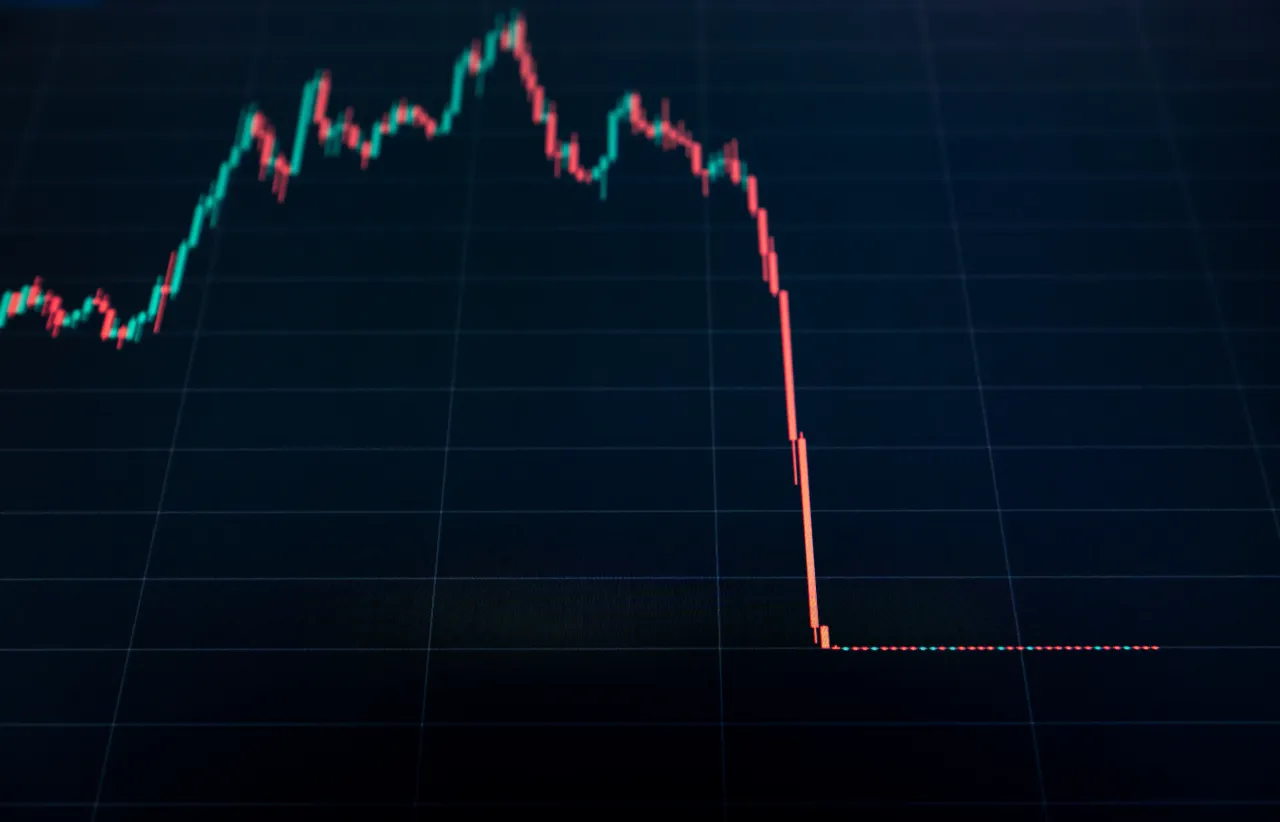
- Stock Price Decline: Following the financing announcement, Greenland Energy shares plummeted over 30% and approached all-time lows in pre-market trading, demonstrating a lack of investor confidence, with the stock down 39% year-to-date.
See More

Greenland Energy Partners with Halliburton for Arctic Operations
- Stock Fluctuation: Greenland Energy (GLND) saw its stock surge by 27% in early trading on Monday before pulling back, reflecting a mix of initial market optimism regarding its agreement with Halliburton (HAL) and subsequent uncertainties.
- Strategic Partnership: The agreement provides integrated consulting services and logistical management for Greenland Energy's onshore exploration activities in the Jameson Basin, ensuring best-in-class rig performance and subsurface technology, marking a key component of the company's Arctic operations strategy.
- Exploration Timeline: Following over a year of logistical planning and site preparation, Greenland Energy expects to drill its first two wells in 2026, demonstrating the company's long-term growth potential and market confidence in the region.
- Geographical Advantage: The Jameson Basin spans approximately 2 million acres and includes multiple identified targets supported by seismic data, indicating a rich resource potential that could drive significant growth for the company in the future.
See More
HALLIBURTON CO: JEFFERIES INCREASES TARGET PRICE FROM $39 TO $47
- Price Increase Announcement: Halliburton has raised its target price for shares from $39 to $47.
- Market Impact: This adjustment reflects a positive outlook on Halliburton's performance and potential growth in the market.
See More

Oilfield Services Companies Anticipate Increased Investment
- Rising Global Investment Demand: SLB and Baker Hughes anticipate significant increases in oil and gas exploration and production investments in North America due to tighter global supplies from the Middle East conflict, particularly in liquefied natural gas projects to meet rising demand.
- Middle East Revenue Decline: SLB reported a 10% drop in revenue from the Middle East and Asia to $2.69 billion in Q1, primarily impacted by Qatar's force majeure and security issues in Iraq, with expectations of a 6 to 8 cents per share decrease in Q2 earnings.
- Stock Price Recovery: Baker Hughes shares rose to $68.61, the highest since 2007, while SLB shares increased to $56.55, reflecting market optimism regarding future investment prospects in the oilfield services sector.
- Infrastructure Repair Demand: Analysts expect a resurgence in industry activity as the conflict subsides, with Rystad Energy projecting repair costs could reach $58 billion, indicating strong growth years in 2027 and 2028 driven by changes in oil market fundamentals.
See More

Analysts Adjust Ratings on Tech Stocks Amid Market Volatility
- NVIDIA Upgrade: Hunting Alphas has upgraded NVIDIA (NVDA) to Buy, citing an attractive valuation discount as the AI supercycle begins, with strong GPU pricing power expected to support aggressive investments in new products.
- 3M Upgrade: Bay Area Ideas upgraded 3M (MMM) from Hold to Buy, viewing a forward P/E of 17x as a reasonable entry point, with potential catalysts like the Madison Fire & Rescue acquisition enhancing the long-term outlook despite mixed near-term fundamentals.
- Halliburton Downgrade: Zoltan Ban downgraded Halliburton (HAL) to Hold, noting that while Q1 results were resilient, the stock's valuation limits further upside, requiring an improved external environment for significant price increases.
- Amazon Downgrade: JR Research downgraded Amazon (AMZN) to Hold, arguing that while AWS and AI monetization are strong, the current 32x forward earnings valuation reflects these positives, with free cash flow volatility posing significant risks.
See More

Strait of Hormuz Reopening Could Take Six Months

- Sustained High Oil Prices: The closure of the Strait of Hormuz results in a daily global economic loss of 10 to 15 million barrels of oil, leading to expectations that oil prices will remain above $90, significantly boosting oil company profitability, with ExxonMobil estimating an additional $700 million in annual earnings for every $1 increase in oil prices.
- Increased Capital Budgets: U.S. oil companies are expected to raise their capital budgets to drill more wells, as Halliburton has noted signs of a recovery in North American drilling activity, with customers seeking to complete more wells, which will enhance revenue and margins for oilfield service companies.
- Production Recovery Challenges: Even if the Strait of Hormuz reopens following a peace deal, it could take months for the Navy to clear mines and for oil companies to restore production from shut-in wells, indicating that oil prices will remain high long after the war ends, further enhancing oil company profitability.
- Emerging Investment Opportunities: Given the high oil prices, investors can capitalize on this opportunity by investing in oil giants like ExxonMobil, oilfield service leaders such as Halliburton, or oil ETFs, as these companies are likely to benefit from high prices and increase investments in new wells.
See More
Greenland Energy Offers 17.5 Million Shares at Discounted Price
- Capital Raising: Greenland Energy is offering 17.5 million shares at $4 each, aiming to raise approximately $70 million, representing a 26% discount to Monday's closing price of $5.41, indicating market concerns about the company's outlook.
- Investor Sentiment: Retail sentiment on Stocktwits shifted from 'extremely bullish' to 'bullish', with message volumes soaring 14,800%, reflecting mixed opinions on the offering, as some investors felt the pricing was too low.
- Drilling Agreement: Greenland Energy signed a deal with Halliburton to support its drilling campaign in the Jameson Land Basin, covering consulting, logistics, and full well services, which is expected to enhance the company's development in this high-potential area.
- Stock Price Decline: Following the financing announcement, Greenland Energy shares plummeted over 30% and approached all-time lows in pre-market trading, demonstrating a lack of investor confidence, with the stock down 39% year-to-date.
See More
Greenland Energy Partners with Halliburton for Arctic Operations
- Stock Fluctuation: Greenland Energy (GLND) saw its stock surge by 27% in early trading on Monday before pulling back, reflecting a mix of initial market optimism regarding its agreement with Halliburton (HAL) and subsequent uncertainties.
- Strategic Partnership: The agreement provides integrated consulting services and logistical management for Greenland Energy's onshore exploration activities in the Jameson Basin, ensuring best-in-class rig performance and subsurface technology, marking a key component of the company's Arctic operations strategy.
- Exploration Timeline: Following over a year of logistical planning and site preparation, Greenland Energy expects to drill its first two wells in 2026, demonstrating the company's long-term growth potential and market confidence in the region.
- Geographical Advantage: The Jameson Basin spans approximately 2 million acres and includes multiple identified targets supported by seismic data, indicating a rich resource potential that could drive significant growth for the company in the future.
See More
HALLIBURTON CO: JEFFERIES INCREASES TARGET PRICE FROM $39 TO $47
- Price Increase Announcement: Halliburton has raised its target price for shares from $39 to $47.
- Market Impact: This adjustment reflects a positive outlook on Halliburton's performance and potential growth in the market.
See More
Oilfield Services Companies Anticipate Increased Investment
- Rising Global Investment Demand: SLB and Baker Hughes anticipate significant increases in oil and gas exploration and production investments in North America due to tighter global supplies from the Middle East conflict, particularly in liquefied natural gas projects to meet rising demand.
- Middle East Revenue Decline: SLB reported a 10% drop in revenue from the Middle East and Asia to $2.69 billion in Q1, primarily impacted by Qatar's force majeure and security issues in Iraq, with expectations of a 6 to 8 cents per share decrease in Q2 earnings.
- Stock Price Recovery: Baker Hughes shares rose to $68.61, the highest since 2007, while SLB shares increased to $56.55, reflecting market optimism regarding future investment prospects in the oilfield services sector.
- Infrastructure Repair Demand: Analysts expect a resurgence in industry activity as the conflict subsides, with Rystad Energy projecting repair costs could reach $58 billion, indicating strong growth years in 2027 and 2028 driven by changes in oil market fundamentals.
See More
Analysts Adjust Ratings on Tech Stocks Amid Market Volatility
- NVIDIA Upgrade: Hunting Alphas has upgraded NVIDIA (NVDA) to Buy, citing an attractive valuation discount as the AI supercycle begins, with strong GPU pricing power expected to support aggressive investments in new products.
- 3M Upgrade: Bay Area Ideas upgraded 3M (MMM) from Hold to Buy, viewing a forward P/E of 17x as a reasonable entry point, with potential catalysts like the Madison Fire & Rescue acquisition enhancing the long-term outlook despite mixed near-term fundamentals.
- Halliburton Downgrade: Zoltan Ban downgraded Halliburton (HAL) to Hold, noting that while Q1 results were resilient, the stock's valuation limits further upside, requiring an improved external environment for significant price increases.
- Amazon Downgrade: JR Research downgraded Amazon (AMZN) to Hold, arguing that while AWS and AI monetization are strong, the current 32x forward earnings valuation reflects these positives, with free cash flow volatility posing significant risks.
See More
Strait of Hormuz Reopening Could Take Six Months
- Sustained High Oil Prices: The closure of the Strait of Hormuz results in a daily global economic loss of 10 to 15 million barrels of oil, leading to expectations that oil prices will remain above $90, significantly boosting oil company profitability, with ExxonMobil estimating an additional $700 million in annual earnings for every $1 increase in oil prices.
- Increased Capital Budgets: U.S. oil companies are expected to raise their capital budgets to drill more wells, as Halliburton has noted signs of a recovery in North American drilling activity, with customers seeking to complete more wells, which will enhance revenue and margins for oilfield service companies.
- Production Recovery Challenges: Even if the Strait of Hormuz reopens following a peace deal, it could take months for the Navy to clear mines and for oil companies to restore production from shut-in wells, indicating that oil prices will remain high long after the war ends, further enhancing oil company profitability.
- Emerging Investment Opportunities: Given the high oil prices, investors can capitalize on this opportunity by investing in oil giants like ExxonMobil, oilfield service leaders such as Halliburton, or oil ETFs, as these companies are likely to benefit from high prices and increase investments in new wells.
See More