Guess, JinkoSolar, and SAIC: Strong Income Stocks to Consider
Written by Emily J. Thompson, Senior Investment Analyst
Updated: Jan 14 2026
0mins

Source: NASDAQ.COM
- Guess, Inc. Earnings Estimate Rise: Over the past 60 days, Guess, Inc. has seen its current year earnings estimate increase by 5.6%, indicating strong growth potential in the lifestyle and apparel sector, which is likely to drive stock price appreciation.
- Guess, Inc. Dividend Yield: The company boasts a dividend yield of 5.4%, significantly higher than the industry average of 0.0%, making it an attractive option for income-seeking investors and enhancing its market appeal.
- JinkoSolar Earnings Estimate Surge: JinkoSolar has experienced a 39.3% increase in its current year earnings estimate over the past 60 days, reflecting robust performance and demand in the solar energy sector, which is expected to propel future growth.
- JinkoSolar Dividend Yield: The company currently offers a dividend yield of 4.4%, also above the industry average of 0.0%, further solidifying its attractiveness as an income investment choice.
Trade with 70% Backtested Accuracy
Stop guessing "Should I Buy JKS?" and start using high-conviction signals backed by rigorous historical data.
Sign up today to access powerful investing tools and make smarter, data-driven decisions.
Analyst Views on JKS
Wall Street analysts forecast JKS stock price to rise
4 Analyst Rating
0 Buy
2 Hold
2 Sell
Moderate Sell
Current: 17.310

Low
20.00
Averages
23.33
High
25.00
Current: 17.310
Low
20.00
Averages
23.33
High
25.00
About JKS
JinkoSolar Holding Co Ltd is a holding company principally engaged in photovoltaic (PV) industry. The Company builds a vertically integrated solar power product value chain, manufacturing from silicon wafers to solar modules. The Company’s main products comprise silicon wafers, solar cells and solar modules. The Company sells its solar modules under JinkoSolar brand. The Company is also engaged in solar power generation and solar system engineering procurement construction (EPC) services. The Company mainly operates its businesses in the domestic and overseas markets.
About the author

Emily J. Thompson
Emily J. Thompson, a Chartered Financial Analyst (CFA) with 12 years in investment research, graduated with honors from the Wharton School. Specializing in industrial and technology stocks, she provides in-depth analysis for Intellectia’s earnings and market brief reports.
JinkoSolar Announces $1.50 Dividend per ADS, 15.4% Increase
- Dividend Increase: JinkoSolar has declared a $1.50 dividend per ADS, marking a 15.4% increase from the previous $1.30, which reflects the company's confidence in its long-term growth prospects and commitment to shareholder value.
- Payment Schedule: The dividend is payable on July 9, with a record date of June 22 and an ex-dividend date also set for June 22, ensuring shareholders receive their returns promptly.
- Management Confidence: CEO Xiande Li stated that the capital return demonstrates the company's confidence in JinkoSolar's long-term outlook, aiming to deliver sustainable value to its shareholders.
- Market Impact: The announcement of this dividend may enhance investor confidence in JinkoSolar, further solidifying its position in the renewable energy market and attracting more long-term investors.
See More
JinkoSolar Declares Cash Dividend of $0.375 per Share
- Dividend Announcement: JinkoSolar's board has declared a cash dividend of $0.375 per ordinary share, amounting to approximately $78.5 million in total, reflecting the company's confidence in its long-term growth and commitment to shareholder value.
- Shareholder Eligibility: Holders of ordinary shares or American Depositary Shares as of the close of trading on June 22, 2026, will be entitled to the dividend, enhancing investor trust and attractiveness towards the company.
- Dividend Payment Timeline: The dividend is expected to be paid around July 9, 2026, ensuring timely returns for shareholders, which will bolster the company's image and credibility in the capital markets.
- Strategic Growth Outlook: The CEO indicated that JinkoSolar is shifting from scale and price competition to a focus on quality and value, leveraging advanced technology and a deepened global footprint to capture future sustainable growth opportunities.
See More
JinkoSolar Declares Cash Dividend of $0.375 per Share
- Dividend Announcement: JinkoSolar's board declares a cash dividend of $0.375 per ordinary share, totaling approximately $78.5 million, reflecting the company's confidence in its long-term prospects and commitment to shareholder value.
- Shareholder Eligibility: Holders of ordinary shares or American Depositary Shares as of the close of trading on June 22, 2026, will be entitled to the dividend, enhancing investor trust and encouraging stock retention.
- Dividend Payment Timeline: The dividend is expected to be paid around July 9, 2026, which will improve shareholders' cash flow and increase the company's attractiveness in the capital markets.
- Strategic Growth Confidence: CEO Xiande Li emphasized a shift from scale and price competition to a focus on quality and value, indicating JinkoSolar's potential for long-term growth and its leadership position in the clean energy sector.
See More
JinkoSolar Plans to Build 1 GW Data Center
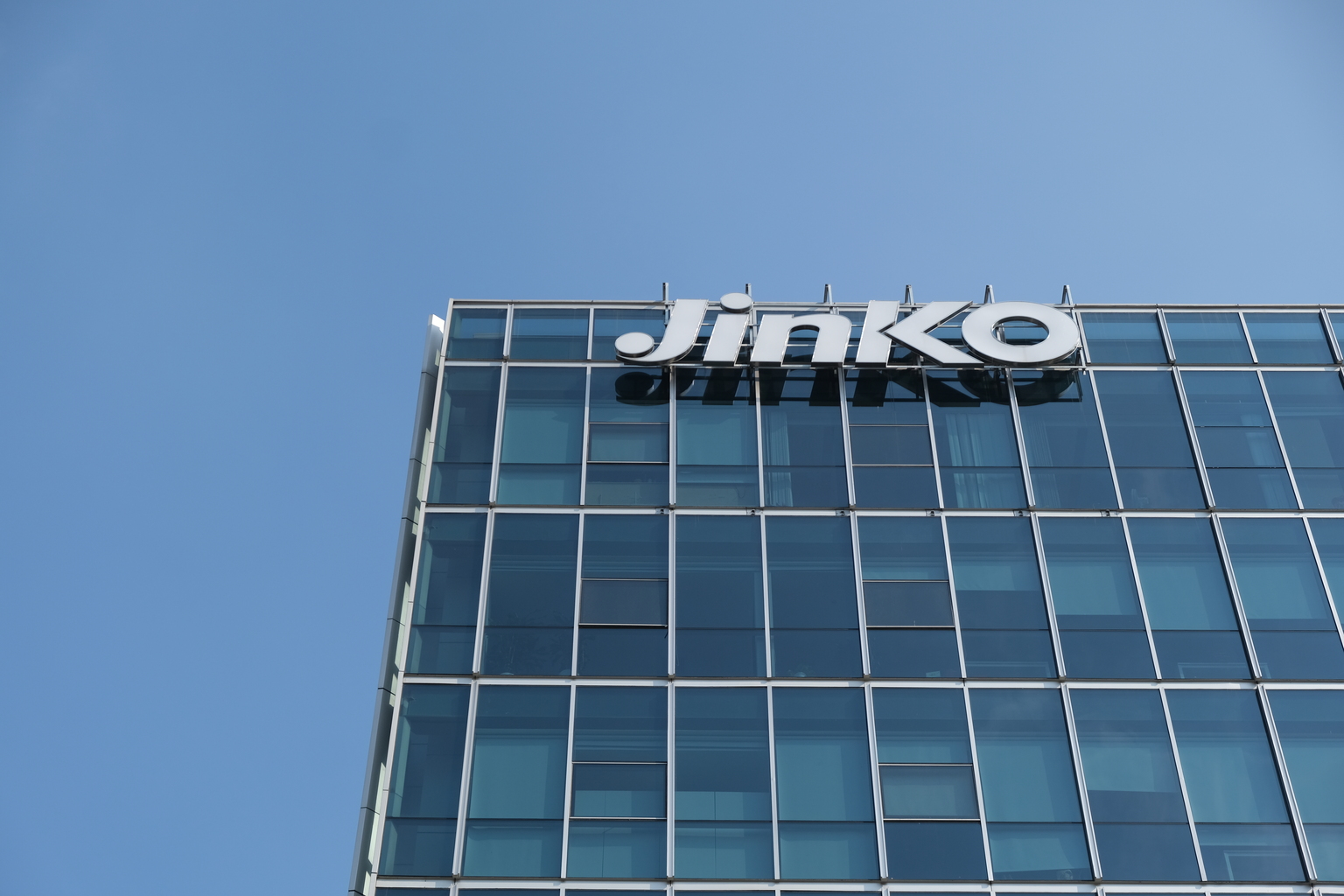
- Data Center Initiative: JinkoSolar plans to construct a 1 GW data center covering 530,000 square meters in Zhongwei, western China, with construction set to begin this year and completion targeted by 2028 to meet rising AI demand.
- Policy Alignment: This project aligns with the Chinese government's March policy document introducing the concept of 'computing power coordination,' highlighting Jinko's leadership in this emerging sector and potentially opening new growth avenues for the company.
- Financing and Partnerships: Multiple banks, including China Construction Bank and CTBC Bank, are reportedly considering financing the project, while Jinko is also exploring joint venture opportunities with external investors to enhance funding support and market competitiveness.
- Strategic Business Shift: Jinko's decision to operate the data center aims to stabilize earnings by transitioning from an electricity supplier to a demand management company, focusing on securing long-term contracts and maintaining pricing advantages to adapt to market dynamics.
See More
JinkoSolar Under Investigation for Securities Fraud
- Financial Loss Disclosure: JinkoSolar reported a non-cash impairment charge exceeding $200 million in its Q4 2025 financial results on April 16, 2026, leading to a GAAP loss of $214.5 million, indicating a severe deterioration in financial health that could undermine investor confidence.
- Contradictory Executive Statements: The financial results starkly contrast with positive statements made by JinkoSolar's executives during the earnings call on November 17, 2025, regarding Q3 performance, potentially raising legal liability concerns over the company's disclosures and trust issues.
- Significant Stock Price Drop: Following the earnings report, JinkoSolar's American Depositary Receipt (ADR) price fell by $2.88, or 11.89%, closing at $21.34 per ADR, reflecting market pessimism regarding the company's future outlook.
- Legal Investigation Initiated: Pomerantz LLP is investigating JinkoSolar and certain officers for securities fraud and other unlawful business practices, which may lead to class action lawsuits, further exacerbating the legal risks and financial pressures faced by the company.
See More
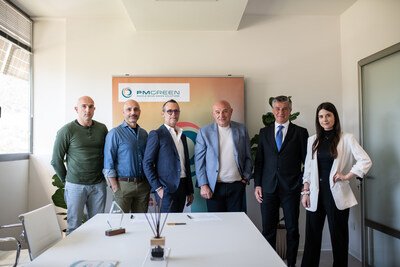
JinkoSolar Signs 1 GW Agreement with PM Green
- Strategic Partnership Agreement: JinkoSolar's agreement with PM Green encompasses a total collaboration capacity of 1 GW, including a 200 MW order of high-efficiency Tiger Neo 3.0 photovoltaic modules aimed at supporting large-scale project development across several strategic markets.
- Supply of High-Efficiency Technology: Under the terms of the agreement, JinkoSolar will supply PM Green with 200 MW of Tiger Neo 3.0 modules, recognized for their high performance and reliability, which is expected to significantly enhance project sustainability and efficiency.
- Strengthened Market Trust: The partnership has evolved over years, reflecting mutual growth in the European market, with leaders from both companies stating that this trust and innovative capability will further strengthen their collaboration.
- Commitment to Sustainability: The agreement underscores both companies' commitment to global decarbonization goals, promoting the adoption of clean energy, and contributing to the construction of a more sustainable future.
See More
JinkoSolar Announces $1.50 Dividend per ADS, 15.4% Increase
- Dividend Increase: JinkoSolar has declared a $1.50 dividend per ADS, marking a 15.4% increase from the previous $1.30, which reflects the company's confidence in its long-term growth prospects and commitment to shareholder value.
- Payment Schedule: The dividend is payable on July 9, with a record date of June 22 and an ex-dividend date also set for June 22, ensuring shareholders receive their returns promptly.
- Management Confidence: CEO Xiande Li stated that the capital return demonstrates the company's confidence in JinkoSolar's long-term outlook, aiming to deliver sustainable value to its shareholders.
- Market Impact: The announcement of this dividend may enhance investor confidence in JinkoSolar, further solidifying its position in the renewable energy market and attracting more long-term investors.
See More
JinkoSolar Declares Cash Dividend of $0.375 per Share
- Dividend Announcement: JinkoSolar's board has declared a cash dividend of $0.375 per ordinary share, amounting to approximately $78.5 million in total, reflecting the company's confidence in its long-term growth and commitment to shareholder value.
- Shareholder Eligibility: Holders of ordinary shares or American Depositary Shares as of the close of trading on June 22, 2026, will be entitled to the dividend, enhancing investor trust and attractiveness towards the company.
- Dividend Payment Timeline: The dividend is expected to be paid around July 9, 2026, ensuring timely returns for shareholders, which will bolster the company's image and credibility in the capital markets.
- Strategic Growth Outlook: The CEO indicated that JinkoSolar is shifting from scale and price competition to a focus on quality and value, leveraging advanced technology and a deepened global footprint to capture future sustainable growth opportunities.
See More
JinkoSolar Declares Cash Dividend of $0.375 per Share
- Dividend Announcement: JinkoSolar's board declares a cash dividend of $0.375 per ordinary share, totaling approximately $78.5 million, reflecting the company's confidence in its long-term prospects and commitment to shareholder value.
- Shareholder Eligibility: Holders of ordinary shares or American Depositary Shares as of the close of trading on June 22, 2026, will be entitled to the dividend, enhancing investor trust and encouraging stock retention.
- Dividend Payment Timeline: The dividend is expected to be paid around July 9, 2026, which will improve shareholders' cash flow and increase the company's attractiveness in the capital markets.
- Strategic Growth Confidence: CEO Xiande Li emphasized a shift from scale and price competition to a focus on quality and value, indicating JinkoSolar's potential for long-term growth and its leadership position in the clean energy sector.
See More
JinkoSolar Plans to Build 1 GW Data Center
- Data Center Initiative: JinkoSolar plans to construct a 1 GW data center covering 530,000 square meters in Zhongwei, western China, with construction set to begin this year and completion targeted by 2028 to meet rising AI demand.
- Policy Alignment: This project aligns with the Chinese government's March policy document introducing the concept of 'computing power coordination,' highlighting Jinko's leadership in this emerging sector and potentially opening new growth avenues for the company.
- Financing and Partnerships: Multiple banks, including China Construction Bank and CTBC Bank, are reportedly considering financing the project, while Jinko is also exploring joint venture opportunities with external investors to enhance funding support and market competitiveness.
- Strategic Business Shift: Jinko's decision to operate the data center aims to stabilize earnings by transitioning from an electricity supplier to a demand management company, focusing on securing long-term contracts and maintaining pricing advantages to adapt to market dynamics.
See More
JinkoSolar Under Investigation for Securities Fraud
- Financial Loss Disclosure: JinkoSolar reported a non-cash impairment charge exceeding $200 million in its Q4 2025 financial results on April 16, 2026, leading to a GAAP loss of $214.5 million, indicating a severe deterioration in financial health that could undermine investor confidence.
- Contradictory Executive Statements: The financial results starkly contrast with positive statements made by JinkoSolar's executives during the earnings call on November 17, 2025, regarding Q3 performance, potentially raising legal liability concerns over the company's disclosures and trust issues.
- Significant Stock Price Drop: Following the earnings report, JinkoSolar's American Depositary Receipt (ADR) price fell by $2.88, or 11.89%, closing at $21.34 per ADR, reflecting market pessimism regarding the company's future outlook.
- Legal Investigation Initiated: Pomerantz LLP is investigating JinkoSolar and certain officers for securities fraud and other unlawful business practices, which may lead to class action lawsuits, further exacerbating the legal risks and financial pressures faced by the company.
See More
JinkoSolar Signs 1 GW Agreement with PM Green
- Strategic Partnership Agreement: JinkoSolar's agreement with PM Green encompasses a total collaboration capacity of 1 GW, including a 200 MW order of high-efficiency Tiger Neo 3.0 photovoltaic modules aimed at supporting large-scale project development across several strategic markets.
- Supply of High-Efficiency Technology: Under the terms of the agreement, JinkoSolar will supply PM Green with 200 MW of Tiger Neo 3.0 modules, recognized for their high performance and reliability, which is expected to significantly enhance project sustainability and efficiency.
- Strengthened Market Trust: The partnership has evolved over years, reflecting mutual growth in the European market, with leaders from both companies stating that this trust and innovative capability will further strengthen their collaboration.
- Commitment to Sustainability: The agreement underscores both companies' commitment to global decarbonization goals, promoting the adoption of clean energy, and contributing to the construction of a more sustainable future.
See More