Google Quantum AI Expands Neutral Atom Quantum Computing Research
Google Quantum AI is expanding its quantum computing research to include neutral atom quantum computing, which uses individual atoms as qubits, alongside superconducting. The company said in a blog post, "At Google Quantum AI, our mission has always been clear: build quantum computing for otherwise unsolvable problems. For over a decade, we have pioneered the development of superconducting quantum bits, achieving milestones like beyond-classical performance, error correction and verifiable quantum advantage that once seemed decades away. We are now increasingly confident that commercially relevant quantum computers based on superconducting technology will become available by the end of this decade. Today, we are excited to share that Google Quantum AI is expanding our quantum computing effort to include neutral atom quantum computing, which uses individual atoms as qubits. Google will accelerate our timeline to near-term milestones and broaden our impact by exploiting the complementary strengths of two modalities. Superconducting qubits have already scaled to circuits with millions of gate and measurement cycles, where each cycle takes just a microsecond. Neutral atoms, meanwhile, have scaled to arrays with about ten thousand qubits. They make up for their slower cycle times - measured in milliseconds - with a flexible, any-to-any connectivity graph that allows for efficient algorithms and error-correcting codes. The road ahead reflects these distinct starting points: an outstanding challenge for neutral atoms remains demonstrating deep circuits with many cycles, while the next task for the superconducting modality is to demonstrate computing architectures with tens of thousands of qubits. In expert jargon, we often say that superconducting processors are easier to scale in the time dimension, while neutral atoms are easier to scale in the space dimension. Investing in both approaches increases our ability to deliver on our mission, sooner. By advancing both, we cross-pollinate research and engineering breakthroughs, and can deliver access to versatile platforms tailored to different types of problems. Our neutral atoms program is built on three critical pillars: Quantum Error Correction: Adapting error correction to the connectivity of neutral atom arrays, resulting in low space and time overheads for fault-tolerant architectures. Modeling and Simulation: Utilizing Google's world-class compute resources and model-based design to simulate hardware architectures, optimize error budgets and refine component targets. Experimental Hardware Development: Realizing the hardware capabilities to manipulate atomic qubits at application scale with fault-tolerant performance..."
Trade with 70% Backtested Accuracy
Analyst Views on GOOG

About GOOG
About the author

First AI-Generated Feature Film to Premiere at 2026 Tribeca Film Festival

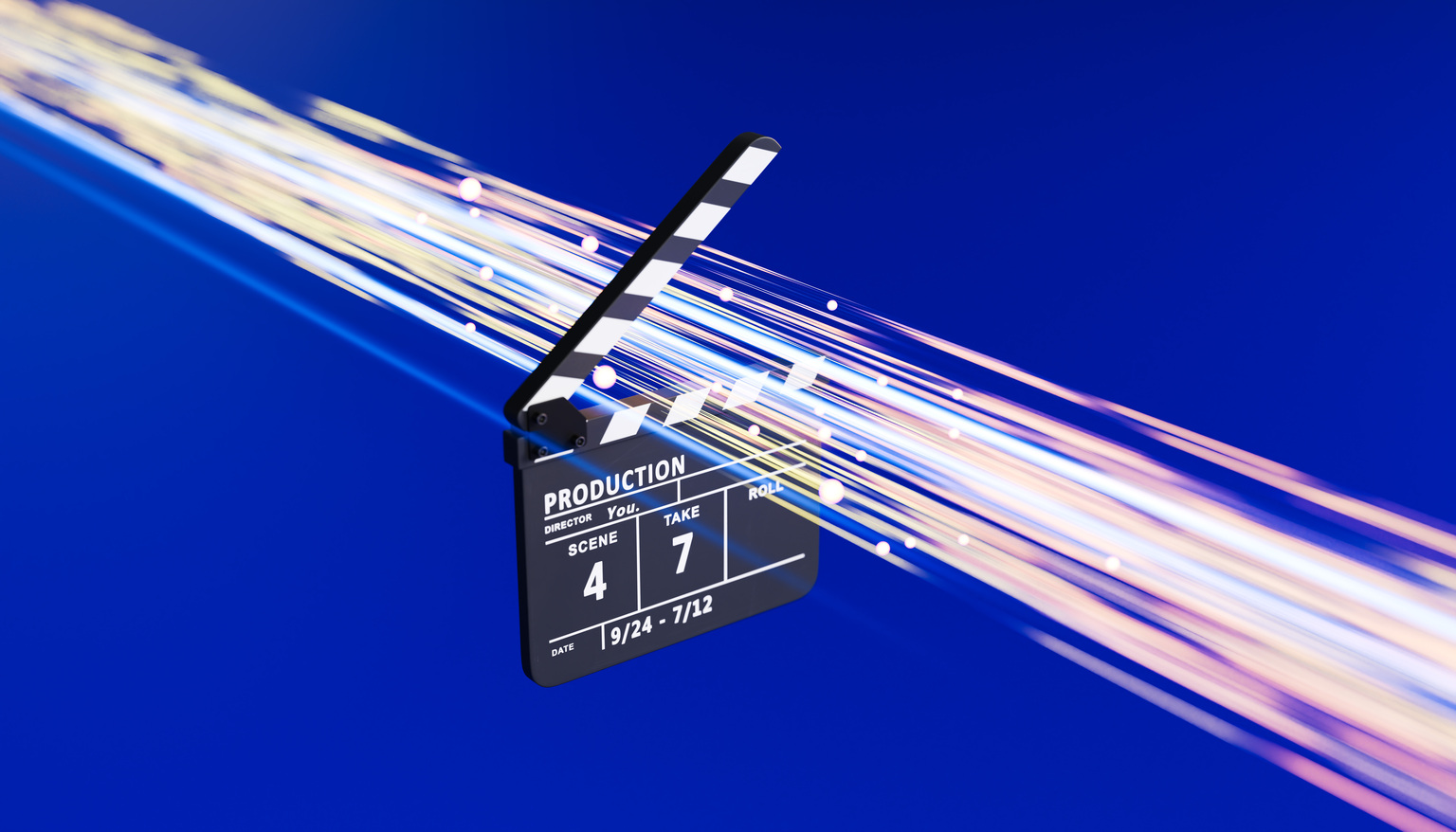
- Film Premiere: The first entirely AI-generated feature film, 'Dreams of Violets,' will debut at the Tribeca Film Festival on June 10, 2026, marking a significant moment as AI-generated live-action films gain recognition in major film festivals, potentially reshaping industry perceptions of AI creativity.
- Production Cost and Time: Produced by Fountain O and directed by Ash Koosha, the film took approximately three months and cost around $2,000 to create, utilizing tools like Anthropic's Claude AI and Kling AI, showcasing the potential and cost-effectiveness of AI in filmmaking.
- Story Background: The narrative follows five Iranians meeting in a Tehran alley, focusing on their execution under a theocratic regime, particularly through the eyes of a 10-year-old boy with cerebral palsy, aiming to create a memorial for families who cannot speak out.
- Director's Motivation: Koosha emphasized that the film exists to witness the dead and to ensure that families inside Iran are not forgotten, asserting that this project is not merely a technological exercise but a memorial for an event that remains inaccessible to him.
Buffett's Succession Sparks New Strategy at Berkshire Hathaway


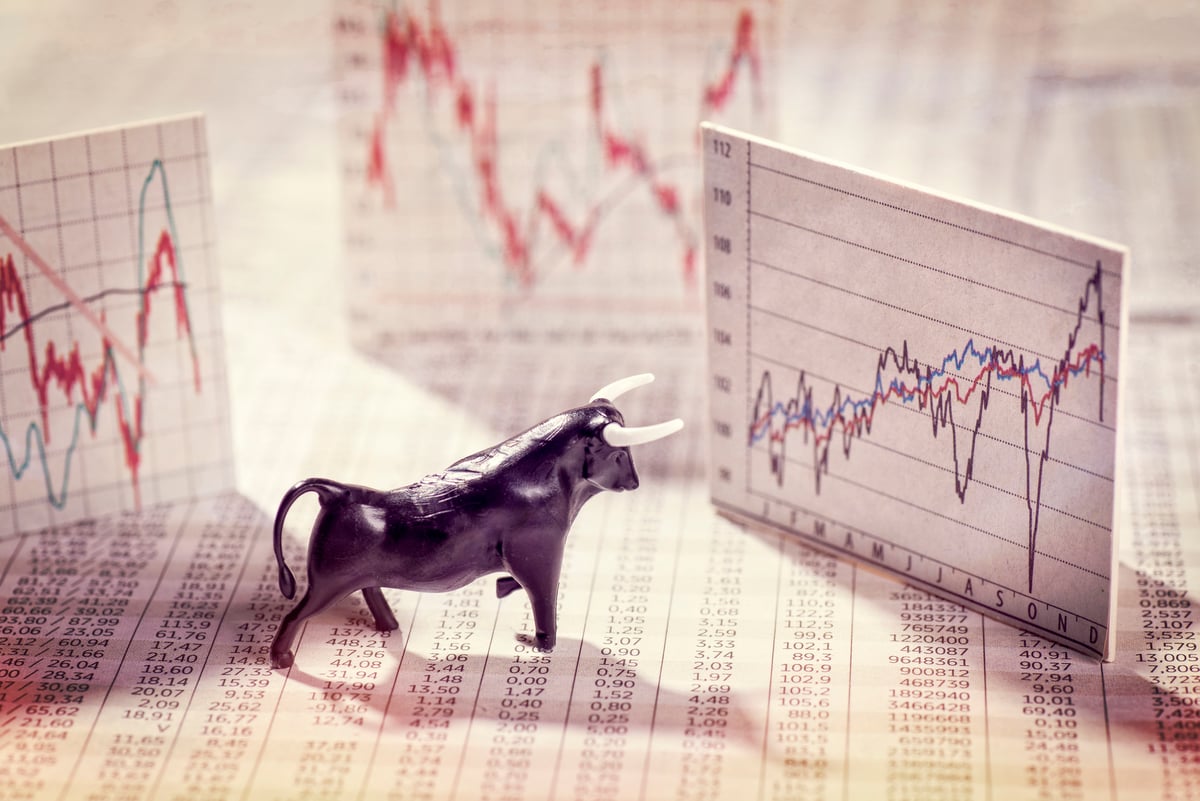
- Leadership Transition: Warren Buffett stepped down as CEO of Berkshire Hathaway in December 2025, handing over to Greg Abel, who previously served as vice chairman of non-insurance operations, which is expected to drive strategic transformation and enhance market competitiveness.
- Portfolio Adjustment: Abel has tripled the company's stake in Alphabet to nearly 7%, indicating a significant increase in investment within its $332 billion portfolio, which could yield substantial returns for the company.
- AI Chip Market Strategy: Alphabet has been developing TPU chips since 2015 and recently launched its 8th generation TPUs, which are expected to attract demand from AI companies, particularly through partnerships with Anthropic and Meta, potentially generating tens of billions in revenue for Alphabet.
- Strong Financial Performance: Alphabet reported a 22% year-over-year revenue increase to $109.8 billion in Q1, with operating income soaring 39% to $39.6 billion, reflecting margin expansion in its cloud computing segment, and analysts expect a 16% annual growth over the next three years, indicating the stock is slightly undervalued.
Alphabet Expands TPU Market to Compete with Nvidia
- Market Expansion Strategy: Alphabet plans to allow select customers to deploy TPUs directly in their data centers, aiming to expand its market share by meeting the demands of AI labs and capital markets firms, particularly in the context of competing with Nvidia.
- Strong Financial Performance: Alphabet reported a 22% year-over-year revenue increase to $109.8 billion in Q1, with operating income soaring 39% to $39.6 billion, indicating that strong demand for TPUs and AI models is driving profitability in its cloud computing segment.
- Future Growth Potential: Analyst Gil Luria estimates that TPUs could capture 20% of the AI accelerator market over time, which would make Alphabet's custom chip business worth $900 billion, although Nvidia is expected to remain the market leader.
- Investor Considerations: Despite Alphabet's current share price of $386, Wall Street's target price of $430 implies an 11% upside, and analysts generally view the stock as slightly undervalued, with expected annual growth of 16% over the next three years.

Analysis of Investment Potential in U.S. Mega Cap Growth ETF


- High Market Concentration: The CRSP U.S. Total Market Index comprises 3,498 companies, yet the top 59 account for 70% of total market capitalization, indicating extreme wealth concentration that may lead to concentrated investment risks.
- Strong ETF Performance: The Vanguard Mega Cap Growth ETF has delivered a compound annual return of 13.6% since its inception in 2007, significantly outperforming the S&P 500's 10.3%, highlighting its robust performance in long-term investments.
- AI Revolution Driving Growth: Companies like Nvidia, Apple, Alphabet, and Microsoft have driven a median return of 236% through innovations in AI, underscoring their significance within the ETF and attractiveness to investors.
- Need for Risk Management: Despite the Vanguard ETF's strong performance, its high concentration in just 59 stocks necessitates that investors consider incorporating it into a diversified portfolio to mitigate potential downside risks.
Q1 Earnings Strong, AI Investments Continue to Surge

- Earnings Highlights: According to FactSet, 84% of S&P 500 companies exceeded earnings expectations in Q1, resulting in a year-over-year profit growth of 27.7%, indicating resilience in the economy and strong corporate profitability.
- Google Ad Revenue Growth: Alphabet reported a 19% year-over-year revenue growth in Q1, with advertising revenue increasing over 15%, suggesting that advertisers remain aggressive in their spending on Google Ads, reflecting its high cost-effectiveness even in uncertain economic conditions.
- Meta User Growth Slowdown: Meta's Q1 revenue reached $56.3 billion, surpassing expectations, but daily active user growth slowed to only 4%, the lowest in years, leading to investor concerns about future AI investments, with capital expenditures expected to rise to between $125 billion and $145 billion.
- Nvidia's Strong Performance: Nvidia reported Q1 revenue of $81.6 billion, an 85% year-over-year increase, with earnings per share of $1.87, exceeding expectations, showcasing robust growth in its data center business and projecting a continued revenue growth potential of 95% for the upcoming quarter.
Vanguard Mega Cap Growth ETF's Market Performance
- Portfolio Concentration: The Vanguard Mega Cap Growth ETF holds 59 of America's largest growth companies, with its top four positions (Nvidia, Apple, Alphabet, and Microsoft) valued over $17 trillion, representing a staggering 45.8% of the entire portfolio, highlighting extreme wealth concentration that may increase investment risks.
- AI-Driven Growth: Since the early 2023 surge of OpenAI's ChatGPT application, which amassed over 100 million users, the AI boom has provided significant growth momentum for the Vanguard ETF, with the top four companies delivering a median return of 236%, making them a key source of upside for the ETF.
- Long-Term Return Performance: Since its inception in 2007, the Vanguard Mega Cap Growth ETF has achieved a compound annual return of 13.6%, comfortably outpacing the S&P 500's 10.3% during the same period, indicating its potential in long-term investments while also emphasizing the need for careful risk management.
- Diversification Recommendation: Despite the Vanguard ETF's strong performance, its high concentration in tech stocks suggests that investors should consider including it in a diversified portfolio to mitigate potential downside risks, especially given the uncertainties facing the tech sector.
First AI-Generated Feature Film to Premiere at 2026 Tribeca Film Festival
- Film Premiere: The first entirely AI-generated feature film, 'Dreams of Violets,' will debut at the Tribeca Film Festival on June 10, 2026, marking a significant moment as AI-generated live-action films gain recognition in major film festivals, potentially reshaping industry perceptions of AI creativity.
- Production Cost and Time: Produced by Fountain O and directed by Ash Koosha, the film took approximately three months and cost around $2,000 to create, utilizing tools like Anthropic's Claude AI and Kling AI, showcasing the potential and cost-effectiveness of AI in filmmaking.
- Story Background: The narrative follows five Iranians meeting in a Tehran alley, focusing on their execution under a theocratic regime, particularly through the eyes of a 10-year-old boy with cerebral palsy, aiming to create a memorial for families who cannot speak out.
- Director's Motivation: Koosha emphasized that the film exists to witness the dead and to ensure that families inside Iran are not forgotten, asserting that this project is not merely a technological exercise but a memorial for an event that remains inaccessible to him.
Buffett's Succession Sparks New Strategy at Berkshire Hathaway
- Leadership Transition: Warren Buffett stepped down as CEO of Berkshire Hathaway in December 2025, handing over to Greg Abel, who previously served as vice chairman of non-insurance operations, which is expected to drive strategic transformation and enhance market competitiveness.
- Portfolio Adjustment: Abel has tripled the company's stake in Alphabet to nearly 7%, indicating a significant increase in investment within its $332 billion portfolio, which could yield substantial returns for the company.
- AI Chip Market Strategy: Alphabet has been developing TPU chips since 2015 and recently launched its 8th generation TPUs, which are expected to attract demand from AI companies, particularly through partnerships with Anthropic and Meta, potentially generating tens of billions in revenue for Alphabet.
- Strong Financial Performance: Alphabet reported a 22% year-over-year revenue increase to $109.8 billion in Q1, with operating income soaring 39% to $39.6 billion, reflecting margin expansion in its cloud computing segment, and analysts expect a 16% annual growth over the next three years, indicating the stock is slightly undervalued.
Alphabet Expands TPU Market to Compete with Nvidia
- Market Expansion Strategy: Alphabet plans to allow select customers to deploy TPUs directly in their data centers, aiming to expand its market share by meeting the demands of AI labs and capital markets firms, particularly in the context of competing with Nvidia.
- Strong Financial Performance: Alphabet reported a 22% year-over-year revenue increase to $109.8 billion in Q1, with operating income soaring 39% to $39.6 billion, indicating that strong demand for TPUs and AI models is driving profitability in its cloud computing segment.
- Future Growth Potential: Analyst Gil Luria estimates that TPUs could capture 20% of the AI accelerator market over time, which would make Alphabet's custom chip business worth $900 billion, although Nvidia is expected to remain the market leader.
- Investor Considerations: Despite Alphabet's current share price of $386, Wall Street's target price of $430 implies an 11% upside, and analysts generally view the stock as slightly undervalued, with expected annual growth of 16% over the next three years.
Analysis of Investment Potential in U.S. Mega Cap Growth ETF
- High Market Concentration: The CRSP U.S. Total Market Index comprises 3,498 companies, yet the top 59 account for 70% of total market capitalization, indicating extreme wealth concentration that may lead to concentrated investment risks.
- Strong ETF Performance: The Vanguard Mega Cap Growth ETF has delivered a compound annual return of 13.6% since its inception in 2007, significantly outperforming the S&P 500's 10.3%, highlighting its robust performance in long-term investments.
- AI Revolution Driving Growth: Companies like Nvidia, Apple, Alphabet, and Microsoft have driven a median return of 236% through innovations in AI, underscoring their significance within the ETF and attractiveness to investors.
- Need for Risk Management: Despite the Vanguard ETF's strong performance, its high concentration in just 59 stocks necessitates that investors consider incorporating it into a diversified portfolio to mitigate potential downside risks.
Q1 Earnings Strong, AI Investments Continue to Surge
- Earnings Highlights: According to FactSet, 84% of S&P 500 companies exceeded earnings expectations in Q1, resulting in a year-over-year profit growth of 27.7%, indicating resilience in the economy and strong corporate profitability.
- Google Ad Revenue Growth: Alphabet reported a 19% year-over-year revenue growth in Q1, with advertising revenue increasing over 15%, suggesting that advertisers remain aggressive in their spending on Google Ads, reflecting its high cost-effectiveness even in uncertain economic conditions.
- Meta User Growth Slowdown: Meta's Q1 revenue reached $56.3 billion, surpassing expectations, but daily active user growth slowed to only 4%, the lowest in years, leading to investor concerns about future AI investments, with capital expenditures expected to rise to between $125 billion and $145 billion.
- Nvidia's Strong Performance: Nvidia reported Q1 revenue of $81.6 billion, an 85% year-over-year increase, with earnings per share of $1.87, exceeding expectations, showcasing robust growth in its data center business and projecting a continued revenue growth potential of 95% for the upcoming quarter.
Vanguard Mega Cap Growth ETF's Market Performance
- Portfolio Concentration: The Vanguard Mega Cap Growth ETF holds 59 of America's largest growth companies, with its top four positions (Nvidia, Apple, Alphabet, and Microsoft) valued over $17 trillion, representing a staggering 45.8% of the entire portfolio, highlighting extreme wealth concentration that may increase investment risks.
- AI-Driven Growth: Since the early 2023 surge of OpenAI's ChatGPT application, which amassed over 100 million users, the AI boom has provided significant growth momentum for the Vanguard ETF, with the top four companies delivering a median return of 236%, making them a key source of upside for the ETF.
- Long-Term Return Performance: Since its inception in 2007, the Vanguard Mega Cap Growth ETF has achieved a compound annual return of 13.6%, comfortably outpacing the S&P 500's 10.3% during the same period, indicating its potential in long-term investments while also emphasizing the need for careful risk management.
- Diversification Recommendation: Despite the Vanguard ETF's strong performance, its high concentration in tech stocks suggests that investors should consider including it in a diversified portfolio to mitigate potential downside risks, especially given the uncertainties facing the tech sector.