Goldman Sachs Raises Amazon Price Target to $300
Written by Emily J. Thompson, Senior Investment Analyst
Updated: Jan 14 2026
0mins


Source: CNBC
- Amazon Price Target Increase: Goldman Sachs raised Amazon's price target from $290 to $300, anticipating that its Q4 earnings report will reflect similar positive narratives as seen in Q3, thereby boosting market confidence in its future growth.
- Nvidia Overweight Rating Maintained: Wells Fargo reiterated its overweight rating on Nvidia, citing its strong competitive positioning in gaming GPUs and significant growth opportunities in AI, data centers, and HPC, which are expected to drive future revenue.
- Rivian Rating Downgrade: UBS downgraded Rivian from neutral to sell with a price target of $15, indicating that market expectations for the company are too high, leading to an unfavorable risk/reward scenario.
- CNH Industrial Upgrade: Goldman Sachs upgraded CNH Industrial from neutral to buy, noting a turnaround in the construction equipment market, which may benefit from a rebound in U.S. residential construction, highlighting the company's growth potential.
Trade with 70% Backtested Accuracy
Stop guessing "Should I Buy AMZN?" and start using high-conviction signals backed by rigorous historical data.
Sign up today to access powerful investing tools and make smarter, data-driven decisions.
Analyst Views on AMZN
Wall Street analysts forecast AMZN stock price to rise
44 Analyst Rating
41 Buy
3 Hold
0 Sell
Strong Buy
Current: 237.500

Low
175.00
Averages
280.01
High
325.00
Current: 237.500
Low
175.00
Averages
280.01
High
325.00
About AMZN
Amazon.com, Inc. provides a range of products and services to customers. The products offered through its stores include merchandise and content it has purchased for resale and products offered by third-party sellers. The Company’s segments include North America, International and Amazon Web Services (AWS). It serves consumers through its online and physical stores and focuses on selection, price, and convenience. Customers access its offerings through its websites, mobile apps, Alexa, devices, streaming, and physically visiting its stores. It also manufactures and sells electronic devices, including Kindle, Fire tablet, Fire TV, Echo, Ring, Blink, and eero, and develops and produces media content. It serves developers and enterprises of all sizes, including start-ups, government agencies, and academic institutions, through AWS, which offers a set of on-demand technology services, including compute, storage, database, analytics, and machine learning, and other services.
About the author

Emily J. Thompson
Emily J. Thompson, a Chartered Financial Analyst (CFA) with 12 years in investment research, graduated with honors from the Wharton School. Specializing in industrial and technology stocks, she provides in-depth analysis for Intellectia’s earnings and market brief reports.

Amazon's Data Center Investments Show Massive Potential

- Investment Return Potential: Amazon's investments in data centers are expected to yield massive returns, with AWS contributing 59% of profits despite the stock rising only about 7% in 2026, indicating strong profitability.
- Cloud Computing Growth: AWS's revenue growth of 28% in Q1 marks its best performance in nearly four years, significantly outpacing the 19% and 12% growth in international and North American commerce, highlighting the rapid expansion of its cloud business.
- AI Investment: Amazon is spending $200 billion on artificial intelligence, with CEO Andy Jassy noting that as computing power increases, customer demand rises, suggesting a multi-year growth cycle ahead.
- Valuation Attractiveness: Amazon's operating cash flow valuation is at a historical low, trading at 17 times compared to 32 times for Apple and 26 times for Alphabet, making it an attractive buying opportunity right now.
See More

Opportunities and Challenges in UPS's Transformation

- Revenue and Cost Trends: UPS is experiencing falling revenues alongside rising costs, severely impacting profitability; however, this is part of a significant corporate overhaul aimed at creating a leaner and more profitable operation.
- Customer Strategy Adjustment: By proactively reducing package deliveries for high-volume, low-margin customers like Amazon, UPS may see short-term revenue impacts, but this strategy is expected to enhance revenue per package, aligning with long-term profitability goals.
- Future Outlook: The company anticipates a turning point in the second half of 2026; although the stock is still over 50% below its 2022 peak, the potential for recovery remains significant as reforms take hold.
- Industry Position and Growth Potential: With its massive infrastructure, UPS holds a strong position in the delivery industry, and as e-commerce continues to grow, the importance of package delivery will increase, positioning UPS to capitalize on these opportunities post-reform.
See More
UPS's Business Overhaul Signals Brighter Future
- Business Overhaul Progress: UPS is undergoing a significant corporate overhaul, and while short-term spending is increasing, it is expected to reach an inflection point in the second half of 2026, enhancing profitability and improving financial health.
- Customer Strategy Adjustment: By proactively reducing reliance on high-volume, low-margin customers like Amazon, UPS is experiencing short-term revenue declines, but this strategy is aimed at increasing revenue per package and enhancing long-term profitability.
- Strong Market Position: As an industry leader, UPS is well-positioned with its massive infrastructure and the ongoing growth in e-commerce, suggesting it will continue to maintain a strong market position and capitalize on growth opportunities in package delivery over the next decade.
- Stock Price Recovery Potential: Although UPS's stock is still over 50% below its 2022 peak, it has started to rebound recently, indicating market confidence in its future development, making it a compelling time for investors to consider buying in.
See More
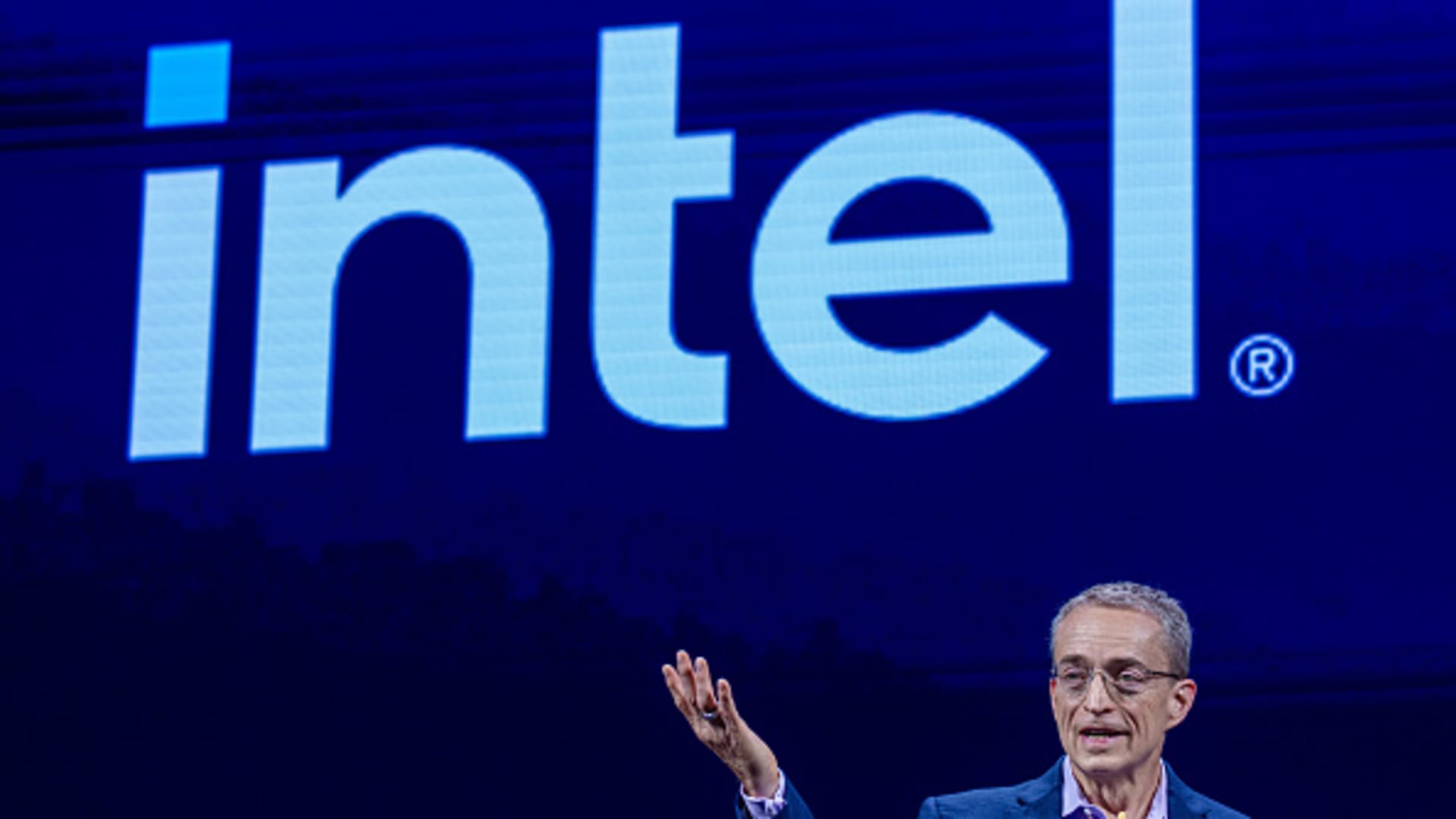
Intel Stock Hits All-Time High Amid Apple Collaboration


- Stock Surge: Intel's stock surged 10.75% to an all-time high of $134.12 after President Trump announced a potential collaboration with Apple, indicating a renewed market confidence in Intel's foundry comeback.
- Foundry Revenue Growth: Intel's foundry segment generated $5.4 billion in revenue in Q1, up 16% year-over-year, although only $174 million came from external customers, highlighting the need for Intel to expand its external client base.
- Competitive Landscape: Despite Intel's resurgence, TSMC maintains about 70% of the foundry market, with Q1 revenue rising 41% to $35.9 billion, underscoring its dominance in advanced manufacturing technology.
- Future Outlook: Intel's CEO anticipates early design commitments from external customers by the second half of 2026, which could bolster long-term growth, but the company still faces significant competitive pressures in the market.
See More
Intel's Foundry Business Gains Traction with Apple Chip Agreement
- Collaboration with Apple: Intel's reported chipmaking agreement with Apple, although unconfirmed, has driven the stock to an all-time high on Thursday, reflecting market confidence in Intel's turnaround efforts.
- Revenue Growth: Intel's foundry segment generated $5.4 billion in revenue in Q1, a 16% year-over-year increase, yet only $174 million came from external customers, indicating a heavy reliance on internal production that needs to shift towards external client acquisition.
- Intensifying Market Competition: Taiwan Semiconductor controls 70% of the pure-play foundry market and over 90% of advanced process production, presenting a significant challenge for Intel as it seeks to penetrate TSMC's dominant position despite improvements in its manufacturing capabilities.
- Future Outlook: Intel's CEO anticipates early design commitments from external customers by the second half of 2026, and successfully attracting more clients could significantly enhance its foundry business's long-term growth and market share.
See More

Hyperscalers Face Hardware Bottlenecks Amid Chip Shortages


- Chip Shortage Impact: The dominance of SK Hynix, Samsung, and Micron in the high-bandwidth memory (HBM) market has created severe hardware bottlenecks for hyperscalers, impacting their capital expenditures and growth plans.
- Meta's Ad Reliance: Meta's reliance on an advertising revenue model restricts its market perception, and despite its significant cloud business potential, the lack of supporting business has led to a 12.55% decline in its stock year-to-date.
- Capital Equipment Companies' Edge: Companies like Applied Materials, Lam Research, and KLA Corp play a crucial role in the supply chain, but despite strong demand, they cannot meet the hyperscalers' needs in the short term, affecting their growth outlook.
- Intensifying Market Competition: As Amazon collaborates with Marvell and Broadcom to develop custom AI chips, competition among hyperscalers intensifies, with future profitability becoming a focal point for market observers.
See More
Amazon's Data Center Investments Show Massive Potential
- Investment Return Potential: Amazon's investments in data centers are expected to yield massive returns, with AWS contributing 59% of profits despite the stock rising only about 7% in 2026, indicating strong profitability.
- Cloud Computing Growth: AWS's revenue growth of 28% in Q1 marks its best performance in nearly four years, significantly outpacing the 19% and 12% growth in international and North American commerce, highlighting the rapid expansion of its cloud business.
- AI Investment: Amazon is spending $200 billion on artificial intelligence, with CEO Andy Jassy noting that as computing power increases, customer demand rises, suggesting a multi-year growth cycle ahead.
- Valuation Attractiveness: Amazon's operating cash flow valuation is at a historical low, trading at 17 times compared to 32 times for Apple and 26 times for Alphabet, making it an attractive buying opportunity right now.
See More
Opportunities and Challenges in UPS's Transformation
- Revenue and Cost Trends: UPS is experiencing falling revenues alongside rising costs, severely impacting profitability; however, this is part of a significant corporate overhaul aimed at creating a leaner and more profitable operation.
- Customer Strategy Adjustment: By proactively reducing package deliveries for high-volume, low-margin customers like Amazon, UPS may see short-term revenue impacts, but this strategy is expected to enhance revenue per package, aligning with long-term profitability goals.
- Future Outlook: The company anticipates a turning point in the second half of 2026; although the stock is still over 50% below its 2022 peak, the potential for recovery remains significant as reforms take hold.
- Industry Position and Growth Potential: With its massive infrastructure, UPS holds a strong position in the delivery industry, and as e-commerce continues to grow, the importance of package delivery will increase, positioning UPS to capitalize on these opportunities post-reform.
See More
UPS's Business Overhaul Signals Brighter Future
- Business Overhaul Progress: UPS is undergoing a significant corporate overhaul, and while short-term spending is increasing, it is expected to reach an inflection point in the second half of 2026, enhancing profitability and improving financial health.
- Customer Strategy Adjustment: By proactively reducing reliance on high-volume, low-margin customers like Amazon, UPS is experiencing short-term revenue declines, but this strategy is aimed at increasing revenue per package and enhancing long-term profitability.
- Strong Market Position: As an industry leader, UPS is well-positioned with its massive infrastructure and the ongoing growth in e-commerce, suggesting it will continue to maintain a strong market position and capitalize on growth opportunities in package delivery over the next decade.
- Stock Price Recovery Potential: Although UPS's stock is still over 50% below its 2022 peak, it has started to rebound recently, indicating market confidence in its future development, making it a compelling time for investors to consider buying in.
See More
Intel Stock Hits All-Time High Amid Apple Collaboration
- Stock Surge: Intel's stock surged 10.75% to an all-time high of $134.12 after President Trump announced a potential collaboration with Apple, indicating a renewed market confidence in Intel's foundry comeback.
- Foundry Revenue Growth: Intel's foundry segment generated $5.4 billion in revenue in Q1, up 16% year-over-year, although only $174 million came from external customers, highlighting the need for Intel to expand its external client base.
- Competitive Landscape: Despite Intel's resurgence, TSMC maintains about 70% of the foundry market, with Q1 revenue rising 41% to $35.9 billion, underscoring its dominance in advanced manufacturing technology.
- Future Outlook: Intel's CEO anticipates early design commitments from external customers by the second half of 2026, which could bolster long-term growth, but the company still faces significant competitive pressures in the market.
See More
Intel's Foundry Business Gains Traction with Apple Chip Agreement
- Collaboration with Apple: Intel's reported chipmaking agreement with Apple, although unconfirmed, has driven the stock to an all-time high on Thursday, reflecting market confidence in Intel's turnaround efforts.
- Revenue Growth: Intel's foundry segment generated $5.4 billion in revenue in Q1, a 16% year-over-year increase, yet only $174 million came from external customers, indicating a heavy reliance on internal production that needs to shift towards external client acquisition.
- Intensifying Market Competition: Taiwan Semiconductor controls 70% of the pure-play foundry market and over 90% of advanced process production, presenting a significant challenge for Intel as it seeks to penetrate TSMC's dominant position despite improvements in its manufacturing capabilities.
- Future Outlook: Intel's CEO anticipates early design commitments from external customers by the second half of 2026, and successfully attracting more clients could significantly enhance its foundry business's long-term growth and market share.
See More
Hyperscalers Face Hardware Bottlenecks Amid Chip Shortages
- Chip Shortage Impact: The dominance of SK Hynix, Samsung, and Micron in the high-bandwidth memory (HBM) market has created severe hardware bottlenecks for hyperscalers, impacting their capital expenditures and growth plans.
- Meta's Ad Reliance: Meta's reliance on an advertising revenue model restricts its market perception, and despite its significant cloud business potential, the lack of supporting business has led to a 12.55% decline in its stock year-to-date.
- Capital Equipment Companies' Edge: Companies like Applied Materials, Lam Research, and KLA Corp play a crucial role in the supply chain, but despite strong demand, they cannot meet the hyperscalers' needs in the short term, affecting their growth outlook.
- Intensifying Market Competition: As Amazon collaborates with Marvell and Broadcom to develop custom AI chips, competition among hyperscalers intensifies, with future profitability becoming a focal point for market observers.
See More