Global Commercial Space Launch Market to Quadruple by 2034
Written by Emily J. Thompson, Senior Investment Analyst
Updated: 3 days ago
0mins

Should l Buy NOC?
Source: Globenewswire
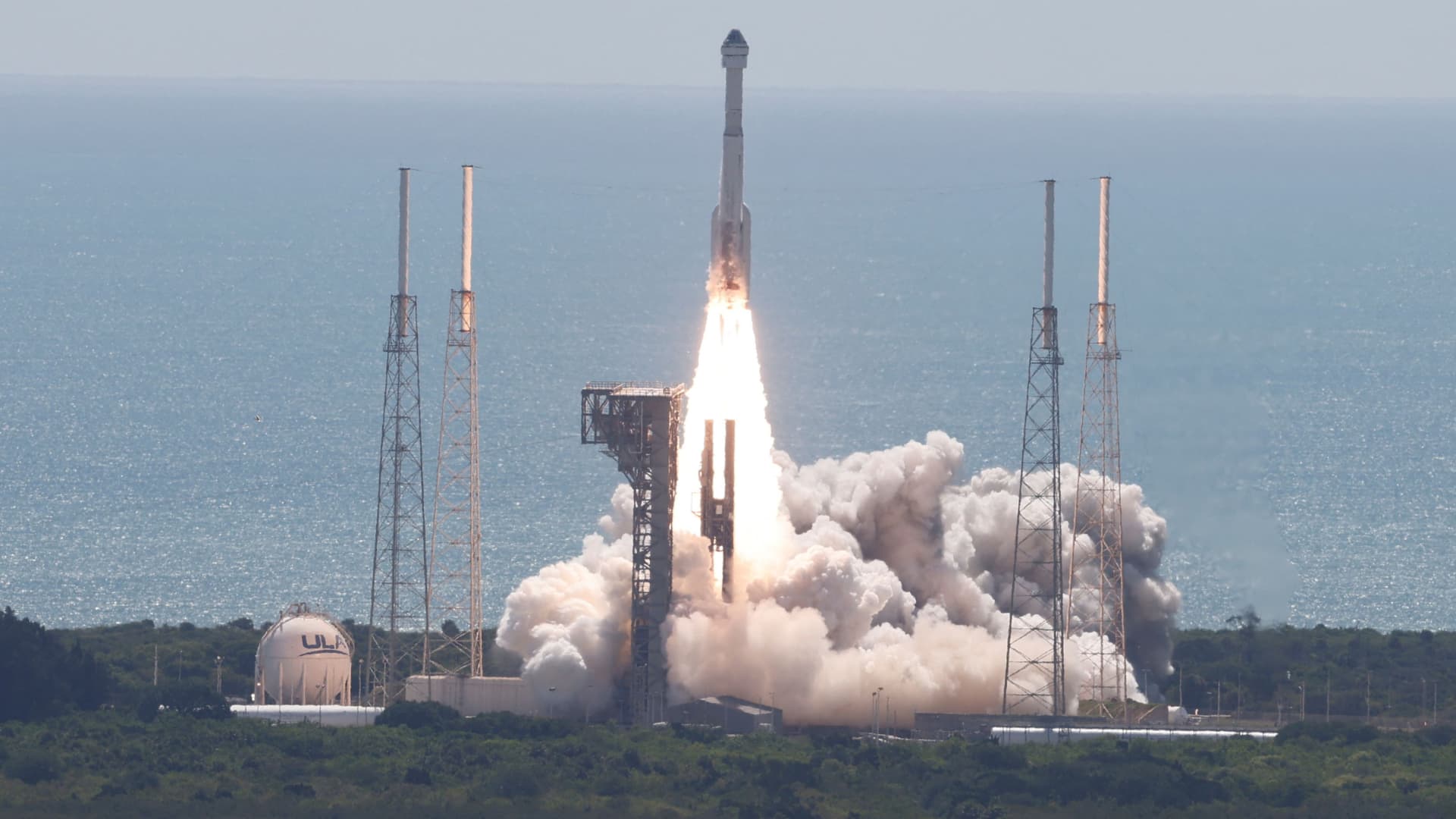
- Market Growth Potential: The global commercial space launch market is projected to grow from $8.2 billion in 2024 to $31.9 billion by 2034, nearly quadrupling, which reflects the accelerating demand for small satellites and presents significant opportunities for related companies.
- Increased Defense Spending: Congress approved an $839 billion defense budget for fiscal 2026, including $4 billion for missile warning and tracking satellites and $13.4 billion for integrating space and missile defense systems, highlighting the emphasis on space technology for national security.
- Leadership Change: Starfighters Space appointed Tim Franta as CEO, marking the company's transition into its commercialization era; Franta brings over 20 years of experience in space commercialization, which will drive the company's technological and market advancements.
- Technical Milestones: Starfighters Space completed subsonic and supersonic wind tunnel testing for STARLAUNCH 1, validating design maturity, and is expected to conduct a Critical Design Review in the coming weeks, further enhancing its space launch capabilities.
Trade with 70% Backtested Accuracy
Stop guessing "Should I Buy NOC?" and start using high-conviction signals backed by rigorous historical data.
Sign up today to access powerful investing tools and make smarter, data-driven decisions.
Analyst Views on NOC
Wall Street analysts forecast NOC stock price to fall
13 Analyst Rating
10 Buy
3 Hold
0 Sell
Strong Buy
Current: 710.900

Low
630.00
Averages
684.08
High
770.00
Current: 710.900
Low
630.00
Averages
684.08
High
770.00
About NOC
Northrop Grumman Corporation is a global aerospace and defense technology company. Its segments include Aeronautics Systems, Defense Systems, Mission Systems, and Space Systems. Aeronautics Systems is engaged in the design, development, production, integration, sustainment and modernization of military aircraft systems for the United States Air Force, the United States Navy, other United States government agencies, and international customers. Defense Systems is engaged in the design, engineering, development, integration, and manufacturing of deterrent systems, advanced tactical weapons, and missile defense solutions. Mission Systems is a provider of mission solutions and multifunction systems. Its products and services include command, control, communications and computers, and reconnaissance (C4ISR) systems. Space Systems delivers end-to-end mission solutions through the design, development, integration, production and operation of space, missile defense, and launch systems.
About the author

Emily J. Thompson
Emily J. Thompson, a Chartered Financial Analyst (CFA) with 12 years in investment research, graduated with honors from the Wharton School. Specializing in industrial and technology stocks, she provides in-depth analysis for Intellectia’s earnings and market brief reports.

Northrop Grumman Accelerates B-21 Production Agreement

- Production Capacity Boost: Northrop Grumman's agreement with the U.S. Air Force will utilize $4.5 billion in funding to increase annual B-21 production capacity by 25%, significantly shortening delivery timelines and enhancing the company's competitiveness in the defense market.
- Increased Capital Expenditure: To achieve this accelerated production, an estimated additional $2 billion to $3 billion in capital expenditures will be required, spread over the years 2026 to 2029, which will have a long-term impact on the company's cash flow.
- Free Cash Flow Outlook: UBS analysis indicates that under accelerated production scenarios, free cash flow could see approximately 5% upside in 2030 and beyond, although pricing remains uncertain, leading to potential profitability risks.
- Strategic Implications: The acceleration agreement increases the likelihood of stronger free cash flow in 2030 and beyond, and successfully addressing pricing and capital expenditure recovery issues could positively impact Northrop Grumman's long-term returns.
See More
Trump Discusses Potential Military Action Against Iran

- Military Action Possibility: Trump stated that while he would prefer not to use U.S. military force against Iran, he acknowledged that “sometimes you have to,” indicating a serious concern over Iran's nuclear program that could escalate regional tensions.
- Negotiation Failure: Expressing frustration over Iran's non-compliance with U.S. demands, Trump emphasized that “they cannot have nuclear weapons,” reflecting a hardline stance that may impact future diplomatic relations.
- Escalating Security Risks: The U.S. Embassy in Jerusalem authorized non-emergency personnel and their families to leave Israel, highlighting the current tension and potentially causing investor concerns regarding security in the Middle East.
- Diplomatic Efforts: Omani Foreign Minister's planned meeting with U.S. officials aims to avert war with Iran, indicating that while the U.S. seeks diplomatic solutions, it must still navigate the risks of potential military conflict.
See More
OpenAI Faces Off with Pentagon Over AI Usage


- AI Usage Boundaries: OpenAI CEO Sam Altman reiterated in an internal memo that AI should not be used for mass surveillance or autonomous lethal weapons, emphasizing that humans must remain involved in high-stakes automated decisions, which aligns with competitor Anthropic's stance, showcasing a consensus on ethical AI usage within the industry.
- Negotiations with Pentagon: Anthropic faces pressure from the Pentagon to decide by Friday whether to allow its AI models to be used without limitations in all lawful cases, despite its desire for assurances that its technology won't be used for fully autonomous weapons or domestic surveillance, with the outcome potentially impacting its future business direction.
- Employee Support and Solidarity: Prior to Altman's memo, around 70 OpenAI employees signed an open letter on social media in support of Anthropic, aiming to create a shared understanding and solidarity in the face of pressure from the Pentagon, reflecting a strong internal focus on ethical and safety concerns.
- Contracts and Technical Safeguards: OpenAI was awarded a $200 million contract by the Pentagon last year, allowing its models to be used in non-classified cases, and Altman stated that the company would strive to reach an agreement with the Pentagon to deploy its models in classified environments in a manner consistent with its principles, ensuring technical safety and compliance.
See More

Drones Emerge as Fastest-Growing Investment in Defense Sector


- Massive Market Potential: Oppenheimer forecasts the drone market to grow from $45 billion to $400 billion, with global military spending likely to double in the next decade, highlighting the critical role of drones in defense.
- Technological Transformation: The rapid advancement of drone technology is reshaping warfare, with analysts noting that the Ukraine conflict showcases the advantages of low-cost drones in surveillance and precision strikes, driving modernization of military equipment.
- Investment Opportunities: Analyst Timothy Horan recommends Ondas as a leading drone platform in the lower-skies market, expecting the company to achieve high ROI through integration with ground robots, thus boosting market share.
- Intensifying Market Competition: Oppenheimer emphasizes that future competition in drones will be a
See More
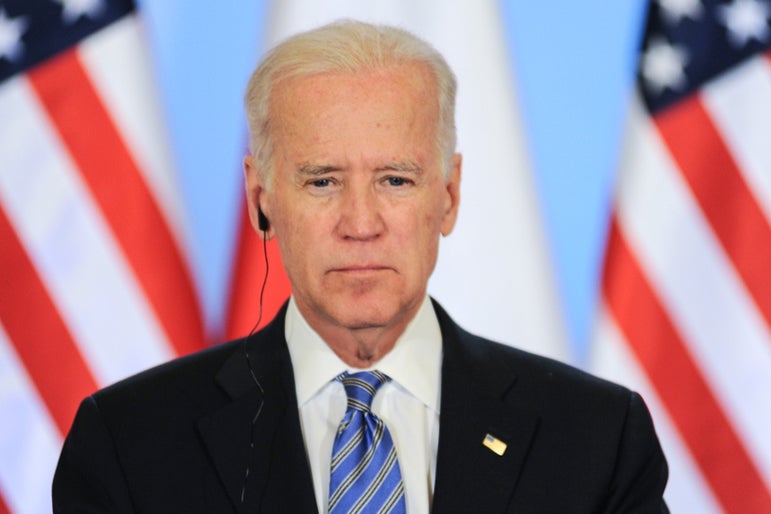
Rubio to Visit Israel to Discuss Iran and Regional Issues
- Rubio's Visit: U.S. Secretary of State Marco Rubio is set to visit Israel on Monday and Tuesday to discuss various regional priorities, including Iran, highlighting the U.S. commitment to Middle Eastern stability.
- Iran Tensions: The visit comes amid escalating concerns that the U.S. may take military action against Iran, with Rubio's trip aimed at using diplomatic channels to ease regional tensions.
- Mediation Efforts: Omani Foreign Minister Badr Al Busaidi is meeting with Vice President JD Vance to engage in previously unreported talks to prevent war with Iran, indicating the U.S.'s proactive stance in seeking peaceful resolutions.
- Peace Plan Implementation: Rubio will also address the progress of President Trump's 20-Point Peace Plan, underscoring the U.S.'s role in facilitating the peace process between Israel and Palestine.
See More
Pentagon's Standoff with Anthropic Over AI Integration Intensifies
- Pentagon Pressure: Defense Secretary Pete Hegseth demanded that Anthropic loosen certain safeguards on its AI models for military use, which Anthropic refused, highlighting the escalating tension between government and private firms over AI deployment.
- Significant Contract Value: In July, the Pentagon awarded contracts worth up to $200 million each to Anthropic and three other companies to develop frontier AI capabilities tied to national security, indicating a deepening reliance on commercial AI technology.
- Shift in Control: As AI technology rapidly evolves, private companies are becoming the primary drivers of frontier capabilities, diminishing government control over technology development, which could impact the effectiveness of national security decision-making.
- Risks and Opportunities: Experts warn that reliance on externally developed AI could introduce new risks, such as system failures or unavailability during military operations, emphasizing the need for a robust public-private partnership to enhance national security.
See More
Northrop Grumman Accelerates B-21 Production Agreement
- Production Capacity Boost: Northrop Grumman's agreement with the U.S. Air Force will utilize $4.5 billion in funding to increase annual B-21 production capacity by 25%, significantly shortening delivery timelines and enhancing the company's competitiveness in the defense market.
- Increased Capital Expenditure: To achieve this accelerated production, an estimated additional $2 billion to $3 billion in capital expenditures will be required, spread over the years 2026 to 2029, which will have a long-term impact on the company's cash flow.
- Free Cash Flow Outlook: UBS analysis indicates that under accelerated production scenarios, free cash flow could see approximately 5% upside in 2030 and beyond, although pricing remains uncertain, leading to potential profitability risks.
- Strategic Implications: The acceleration agreement increases the likelihood of stronger free cash flow in 2030 and beyond, and successfully addressing pricing and capital expenditure recovery issues could positively impact Northrop Grumman's long-term returns.
See More
Trump Discusses Potential Military Action Against Iran
- Military Action Possibility: Trump stated that while he would prefer not to use U.S. military force against Iran, he acknowledged that “sometimes you have to,” indicating a serious concern over Iran's nuclear program that could escalate regional tensions.
- Negotiation Failure: Expressing frustration over Iran's non-compliance with U.S. demands, Trump emphasized that “they cannot have nuclear weapons,” reflecting a hardline stance that may impact future diplomatic relations.
- Escalating Security Risks: The U.S. Embassy in Jerusalem authorized non-emergency personnel and their families to leave Israel, highlighting the current tension and potentially causing investor concerns regarding security in the Middle East.
- Diplomatic Efforts: Omani Foreign Minister's planned meeting with U.S. officials aims to avert war with Iran, indicating that while the U.S. seeks diplomatic solutions, it must still navigate the risks of potential military conflict.
See More
OpenAI Faces Off with Pentagon Over AI Usage
- AI Usage Boundaries: OpenAI CEO Sam Altman reiterated in an internal memo that AI should not be used for mass surveillance or autonomous lethal weapons, emphasizing that humans must remain involved in high-stakes automated decisions, which aligns with competitor Anthropic's stance, showcasing a consensus on ethical AI usage within the industry.
- Negotiations with Pentagon: Anthropic faces pressure from the Pentagon to decide by Friday whether to allow its AI models to be used without limitations in all lawful cases, despite its desire for assurances that its technology won't be used for fully autonomous weapons or domestic surveillance, with the outcome potentially impacting its future business direction.
- Employee Support and Solidarity: Prior to Altman's memo, around 70 OpenAI employees signed an open letter on social media in support of Anthropic, aiming to create a shared understanding and solidarity in the face of pressure from the Pentagon, reflecting a strong internal focus on ethical and safety concerns.
- Contracts and Technical Safeguards: OpenAI was awarded a $200 million contract by the Pentagon last year, allowing its models to be used in non-classified cases, and Altman stated that the company would strive to reach an agreement with the Pentagon to deploy its models in classified environments in a manner consistent with its principles, ensuring technical safety and compliance.
See More
Drones Emerge as Fastest-Growing Investment in Defense Sector
- Massive Market Potential: Oppenheimer forecasts the drone market to grow from $45 billion to $400 billion, with global military spending likely to double in the next decade, highlighting the critical role of drones in defense.
- Technological Transformation: The rapid advancement of drone technology is reshaping warfare, with analysts noting that the Ukraine conflict showcases the advantages of low-cost drones in surveillance and precision strikes, driving modernization of military equipment.
- Investment Opportunities: Analyst Timothy Horan recommends Ondas as a leading drone platform in the lower-skies market, expecting the company to achieve high ROI through integration with ground robots, thus boosting market share.
- Intensifying Market Competition: Oppenheimer emphasizes that future competition in drones will be a
See More
Rubio to Visit Israel to Discuss Iran and Regional Issues
- Rubio's Visit: U.S. Secretary of State Marco Rubio is set to visit Israel on Monday and Tuesday to discuss various regional priorities, including Iran, highlighting the U.S. commitment to Middle Eastern stability.
- Iran Tensions: The visit comes amid escalating concerns that the U.S. may take military action against Iran, with Rubio's trip aimed at using diplomatic channels to ease regional tensions.
- Mediation Efforts: Omani Foreign Minister Badr Al Busaidi is meeting with Vice President JD Vance to engage in previously unreported talks to prevent war with Iran, indicating the U.S.'s proactive stance in seeking peaceful resolutions.
- Peace Plan Implementation: Rubio will also address the progress of President Trump's 20-Point Peace Plan, underscoring the U.S.'s role in facilitating the peace process between Israel and Palestine.
See More
Pentagon's Standoff with Anthropic Over AI Integration Intensifies
- Pentagon Pressure: Defense Secretary Pete Hegseth demanded that Anthropic loosen certain safeguards on its AI models for military use, which Anthropic refused, highlighting the escalating tension between government and private firms over AI deployment.
- Significant Contract Value: In July, the Pentagon awarded contracts worth up to $200 million each to Anthropic and three other companies to develop frontier AI capabilities tied to national security, indicating a deepening reliance on commercial AI technology.
- Shift in Control: As AI technology rapidly evolves, private companies are becoming the primary drivers of frontier capabilities, diminishing government control over technology development, which could impact the effectiveness of national security decision-making.
- Risks and Opportunities: Experts warn that reliance on externally developed AI could introduce new risks, such as system failures or unavailability during military operations, emphasizing the need for a robust public-private partnership to enhance national security.
See More