Gilead Sciences Declares $0.82 Quarterly Dividend
Written by Emily J. Thompson, Senior Investment Analyst
Updated: Feb 11 2026
0mins
Should l Buy GILD?
Source: seekingalpha
- Quarterly Dividend Declaration: Gilead Sciences has declared a quarterly dividend of $0.82 per share, consistent with previous distributions, reflecting the company's stable cash flow and profitability, which helps bolster investor confidence.
- Dividend Yield: The forward yield of 2.23% offers relative attractiveness in the current market environment, potentially appealing to income-seeking investors looking for reliable returns.
- Shareholder Record Dates: The dividend will be payable on March 30, with a record date of March 13 and an ex-dividend date also on March 13, ensuring shareholders receive their earnings promptly, which may enhance shareholder loyalty to the company.
- Future Growth Outlook: Despite disappointing EPS guidance for 2026, Gilead anticipates a 6% growth in HIV sales and a target of $800 million for Yeztugo, indicating a proactive strategy in launching new products.
Trade with 70% Backtested Accuracy
Stop guessing "Should I Buy GILD?" and start using high-conviction signals backed by rigorous historical data.
Sign up today to access powerful investing tools and make smarter, data-driven decisions.
Analyst Views on GILD
Wall Street analysts forecast GILD stock price to fall
19 Analyst Rating
16 Buy
3 Hold
0 Sell
Strong Buy
Current: 140.300

Low
105.00
Averages
137.88
High
154.00
Current: 140.300
Low
105.00
Averages
137.88
High
154.00
About GILD
Gilead Sciences, Inc. is a biopharmaceutical company. It is engaged in advancing medicines to prevent and treat life-threatening diseases, including HIV, viral hepatitis, COVID-19, cancer, and inflammation. It is focused on discovering, developing, and delivering medicines to address unmet medical needs in virology, oncology, and other therapeutic areas. Its portfolio of marketed products includes Biktarvy, Genvoya, Descovy, Complera/Eviplera, Symtuza, Truvada, Stribild, Sunlenca, Epclusa, Vemlidy, Harvoni, Viread, Livdelzi, Veklury, Yescarta, Tecartus, Trodelvy, AmBisome, and Letairis. Its product candidates include Bulevirtide, Lenacapavir, Axicabtagene ciloleucel, Sacituzumab govitecan-hziy, and others. It also develops the HB-400 program and the HB-500 program. It develops therapies that are intended to provide functional cures for hepatitis B virus and human immunodeficiency virus-1. It has a cancer program, namely TREX1. It operates in more than 35 countries worldwide.
About the author

Emily J. Thompson
Emily J. Thompson, a Chartered Financial Analyst (CFA) with 12 years in investment research, graduated with honors from the Wharton School. Specializing in industrial and technology stocks, she provides in-depth analysis for Intellectia’s earnings and market brief reports.
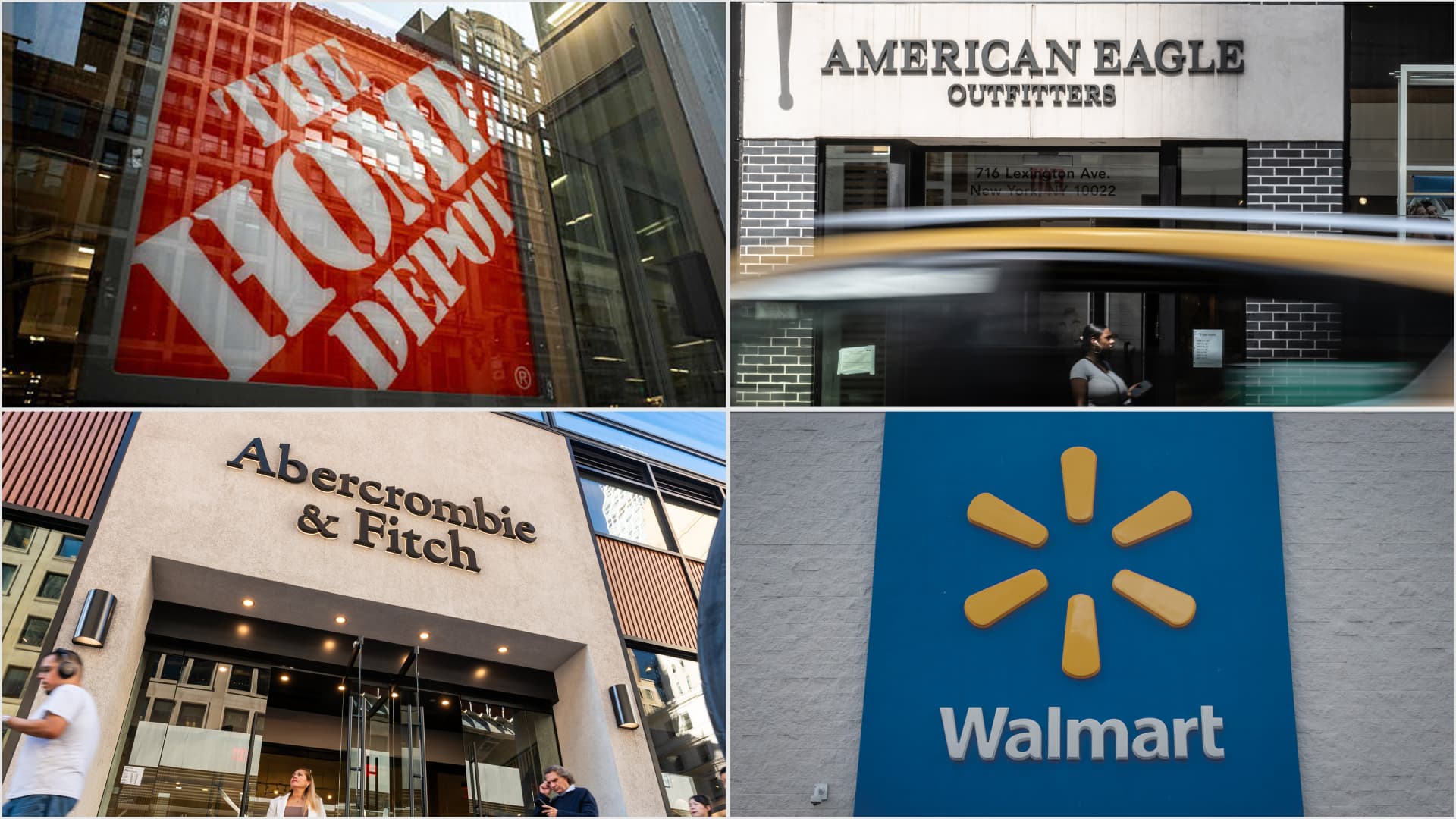
Impact of Trump's Tariffs One Year Later

- Widespread Tariff Impact: Trump's tariff policies have placed significant economic pressure on U.S. businesses over the past year, with approximately 80% to 85% of costs absorbed by companies, leading to reduced profits and increased consumer prices, thereby exacerbating overall economic uncertainty.
- Retail Sector Adaptation: While large retailers like Walmart have emerged relatively unscathed, smaller businesses have been severely impacted, with Home Depot aiming to limit purchases from any single country to 10% to reduce dependency and enhance supply chain flexibility.
- Automotive Industry Cost Surge: Automakers such as General Motors and Toyota are facing tariff impacts estimated at up to $9.5 billion, and although the Trump administration has taken steps to alleviate overlapping tariffs, overall costs remain significant, forcing companies to reassess their supply chain strategies.
- Pharmaceutical Sector Stability: Pharmaceutical companies have secured three-year tariff exemptions through pricing agreements with Trump, although new tariffs impose 100% on companies that do not reach agreements, the overall industry is still striving to increase investments in U.S. manufacturing.
See More
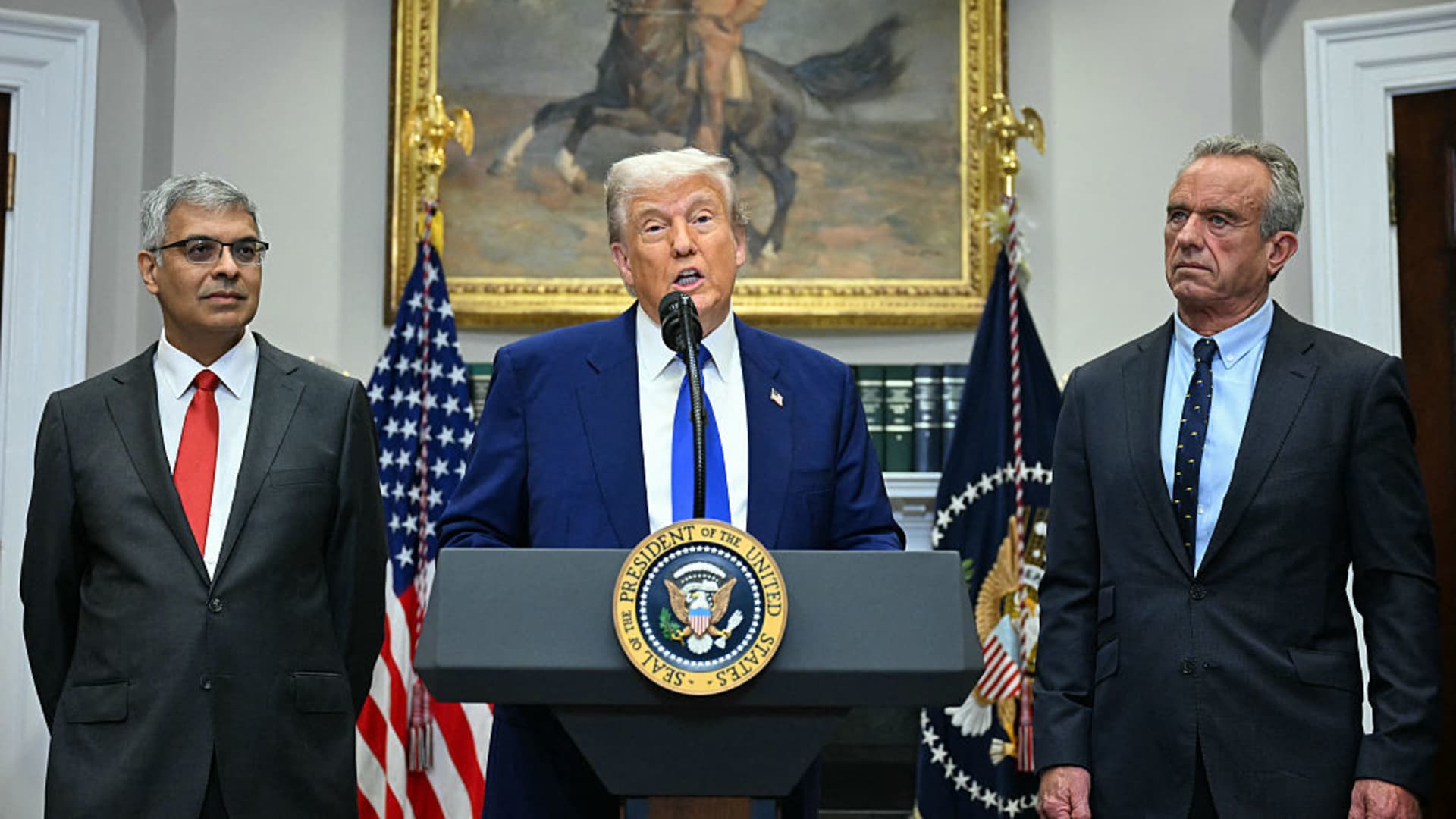
Trump Administration Plans 100% Tariffs on Imported Pharmaceuticals

- Tariff Policy Shift: The Trump administration is preparing to impose tariffs of up to 100% on branded drugs from companies that have not negotiated price reductions, potentially impacting major pharmaceutical firms like Eli Lilly, Pfizer, and Novo Nordisk, thereby increasing price volatility in the drug market.
- Manufacturing Incentives: Drugmakers can reduce or avoid tariffs by relocating production to the U.S. or negotiating deals with the administration, aiming to stimulate domestic manufacturing and potentially leading to a resurgence of investments in the pharmaceutical sector.
- Tariff Implementation Details: The draft proposal includes a 20% tariff for companies planning to onshore production, escalating to 100% in four years, which could significantly influence the long-term strategic positioning of the pharmaceutical industry.
- National Security Considerations: The tariff proposal stems from a Commerce Department investigation that identified certain pharmaceutical imports as a national security risk, highlighting the government's heightened focus on the security of drug supply chains.
See More
Market Watch: Oil Price Surge and Stock Market Turmoil

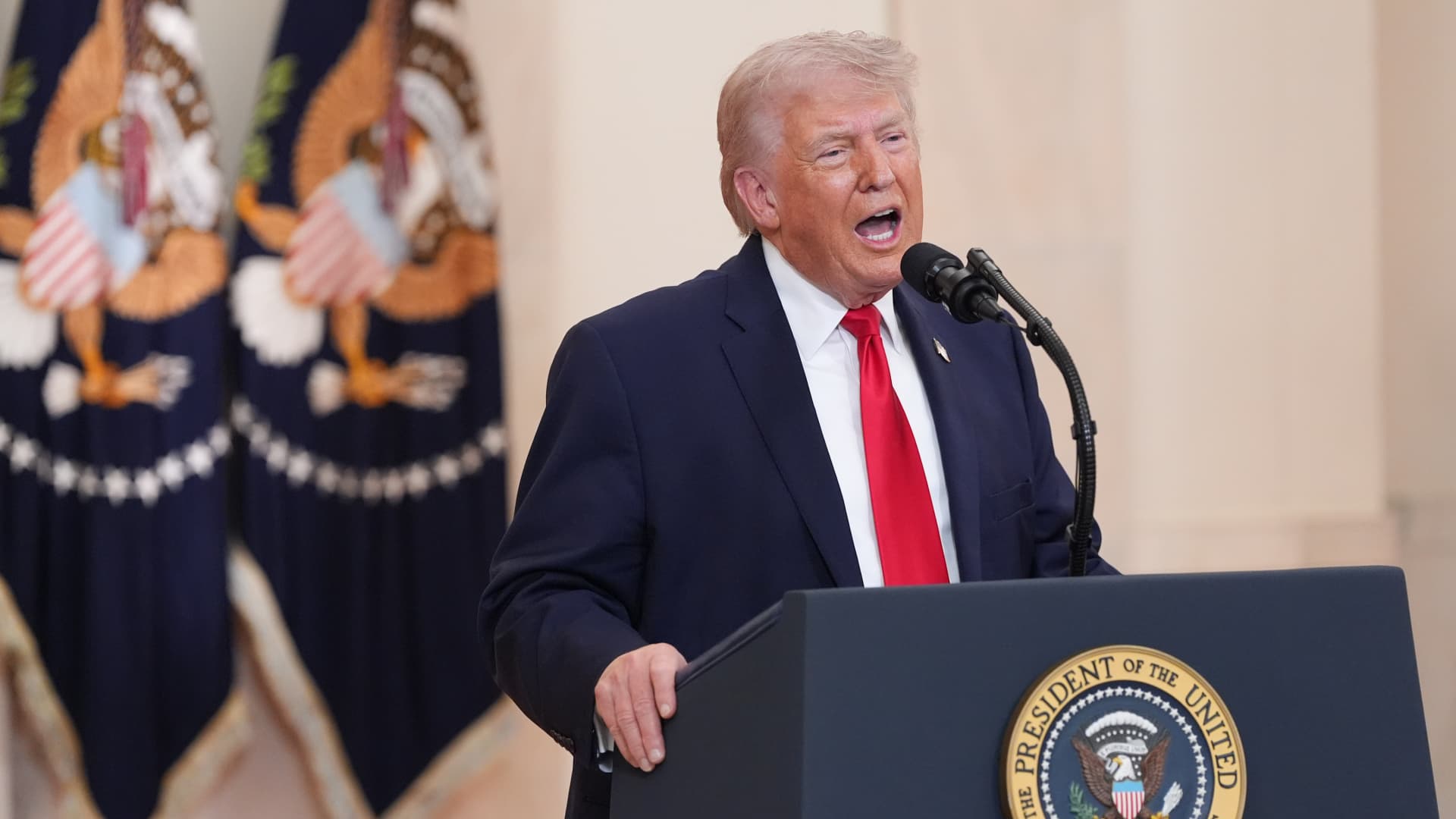
- Oil Price Surge Impact: Following President Trump's address on the Iran war, which raised escalation concerns, U.S. crude benchmark WTI surged 9% to $109 a barrel, putting downward pressure on the stock market and negatively affecting investor sentiment.
- Bank of America Upgrades Vale: Bank of America upgraded Vale from hold to buy, suggesting that now is an attractive entry point for investors in the iron ore producer, despite Vale's stock dropping nearly 7% since the Iran conflict began, while iron ore prices have risen about 8%.
- Wix's Outlook Downgraded: UBS downgraded Wix from buy to hold, with analysts believing its 2026 outlook indicates a slowdown in core business growth from 12% last year to 8% this year, and despite efforts to integrate AI capabilities, the company remains vulnerable to disruption by AI.
- Cheniere Energy Price Target Increased: Citigroup raised Cheniere Energy's price target from $280 to $330 while reiterating its buy rating, as supply disruptions in the Middle East could benefit U.S. LNG exports long-term, with shares up about 17% since the war began.
See More

Gilead Extends Tender Offer Deadline for Arcellx


- Tender Offer Extension: Gilead Sciences has extended the expiration date of its tender offer for Arcellx to April 24 at 5 PM ET, a strategic move that reflects the company's ongoing commitment to the acquisition amidst market dynamics.
- Tendered Shares Status: As of March 31 at 5 PM, only about 7.5% of Arcellx's outstanding shares have been tendered, indicating a cautious market sentiment that could impact the overall success of the acquisition.
- Deal Size and Terms: The acquisition is valued at up to $7.8 billion, with Gilead offering $115 per share in cash and a contingent value right of $5 per share, a structure that may incentivize more shareholders to participate in the tender offer.
- Board Approval and Expected Closure: The deal has been approved by the boards of both companies and is expected to close in Q2, demonstrating confidence in the transaction's prospects and positioning Gilead for further expansion in the biotechnology sector.
See More

Investment Opportunities Amid Market Turmoil
- WM's Steady Growth: Waste Management (WM) owns 257 landfills and 482 transfer stations by the end of 2025, and despite Middle East tensions, WM's dividends have increased for 23 consecutive years, with the latest hike of 14.5% rapidly boosting investor yield.
- Cash Flow and Investment: WM expects a 30% growth in free cash flow this year, driven by a $1.4 billion investment in automation, utilizing AI technology to enhance waste processing efficiency, which is likely to further strengthen its dividend safety and growth potential.
- GILD's R&D Investment: Gilead Sciences (GILD) spent $5.7 billion on R&D, representing 20% of its revenue, and the new AI research center in California is expected to enhance drug development efficiency, potentially shortening time to market.
- Dividend Growth Potential: Although GILD's current dividend yield is 2.7%, the recent 50% increase indicates strong growth potential, and a 10% rise in free cash flow to $3.1 billion easily covers its $1 billion dividend payout, suggesting the market has yet to fully recognize its AI-driven potential.
See More

Galapagos Enters Binding Agreement with Gilead for Acquisition

- Acquisition Agreement Details: Under the binding framework agreement with Gilead, Galapagos will receive 50% of the total acquisition consideration, amounting to $1.675 billion in upfront payments and any contingent milestone payments, highlighting its strategic significance in the biotech sector.
- Flexible Capital Utilization: The agreement allows Galapagos to deploy at least $500 million of its cash independently, including up to $150 million for share buybacks, enhancing its capital management flexibility and market confidence.
- Intellectual Property Licensing: The framework includes licenses for certain intellectual property rights related to Ouro's research programs, enabling Galapagos to acquire nearly all of Ouro's operational assets, thereby enriching its product pipeline, particularly in autoimmune disease projects.
- Potential Milestone Earnings: Galapagos is eligible for up to $100 million in milestone payments upon Gilead's initiation of registrational trials for gamgertamig, and will receive tiered royalties of 20-23% on net sales post-commercialization, indicating significant future revenue growth potential.
See More
Impact of Trump's Tariffs One Year Later
- Widespread Tariff Impact: Trump's tariff policies have placed significant economic pressure on U.S. businesses over the past year, with approximately 80% to 85% of costs absorbed by companies, leading to reduced profits and increased consumer prices, thereby exacerbating overall economic uncertainty.
- Retail Sector Adaptation: While large retailers like Walmart have emerged relatively unscathed, smaller businesses have been severely impacted, with Home Depot aiming to limit purchases from any single country to 10% to reduce dependency and enhance supply chain flexibility.
- Automotive Industry Cost Surge: Automakers such as General Motors and Toyota are facing tariff impacts estimated at up to $9.5 billion, and although the Trump administration has taken steps to alleviate overlapping tariffs, overall costs remain significant, forcing companies to reassess their supply chain strategies.
- Pharmaceutical Sector Stability: Pharmaceutical companies have secured three-year tariff exemptions through pricing agreements with Trump, although new tariffs impose 100% on companies that do not reach agreements, the overall industry is still striving to increase investments in U.S. manufacturing.
See More
Trump Administration Plans 100% Tariffs on Imported Pharmaceuticals
- Tariff Policy Shift: The Trump administration is preparing to impose tariffs of up to 100% on branded drugs from companies that have not negotiated price reductions, potentially impacting major pharmaceutical firms like Eli Lilly, Pfizer, and Novo Nordisk, thereby increasing price volatility in the drug market.
- Manufacturing Incentives: Drugmakers can reduce or avoid tariffs by relocating production to the U.S. or negotiating deals with the administration, aiming to stimulate domestic manufacturing and potentially leading to a resurgence of investments in the pharmaceutical sector.
- Tariff Implementation Details: The draft proposal includes a 20% tariff for companies planning to onshore production, escalating to 100% in four years, which could significantly influence the long-term strategic positioning of the pharmaceutical industry.
- National Security Considerations: The tariff proposal stems from a Commerce Department investigation that identified certain pharmaceutical imports as a national security risk, highlighting the government's heightened focus on the security of drug supply chains.
See More
Market Watch: Oil Price Surge and Stock Market Turmoil
- Oil Price Surge Impact: Following President Trump's address on the Iran war, which raised escalation concerns, U.S. crude benchmark WTI surged 9% to $109 a barrel, putting downward pressure on the stock market and negatively affecting investor sentiment.
- Bank of America Upgrades Vale: Bank of America upgraded Vale from hold to buy, suggesting that now is an attractive entry point for investors in the iron ore producer, despite Vale's stock dropping nearly 7% since the Iran conflict began, while iron ore prices have risen about 8%.
- Wix's Outlook Downgraded: UBS downgraded Wix from buy to hold, with analysts believing its 2026 outlook indicates a slowdown in core business growth from 12% last year to 8% this year, and despite efforts to integrate AI capabilities, the company remains vulnerable to disruption by AI.
- Cheniere Energy Price Target Increased: Citigroup raised Cheniere Energy's price target from $280 to $330 while reiterating its buy rating, as supply disruptions in the Middle East could benefit U.S. LNG exports long-term, with shares up about 17% since the war began.
See More
Gilead Extends Tender Offer Deadline for Arcellx
- Tender Offer Extension: Gilead Sciences has extended the expiration date of its tender offer for Arcellx to April 24 at 5 PM ET, a strategic move that reflects the company's ongoing commitment to the acquisition amidst market dynamics.
- Tendered Shares Status: As of March 31 at 5 PM, only about 7.5% of Arcellx's outstanding shares have been tendered, indicating a cautious market sentiment that could impact the overall success of the acquisition.
- Deal Size and Terms: The acquisition is valued at up to $7.8 billion, with Gilead offering $115 per share in cash and a contingent value right of $5 per share, a structure that may incentivize more shareholders to participate in the tender offer.
- Board Approval and Expected Closure: The deal has been approved by the boards of both companies and is expected to close in Q2, demonstrating confidence in the transaction's prospects and positioning Gilead for further expansion in the biotechnology sector.
See More
Investment Opportunities Amid Market Turmoil
- WM's Steady Growth: Waste Management (WM) owns 257 landfills and 482 transfer stations by the end of 2025, and despite Middle East tensions, WM's dividends have increased for 23 consecutive years, with the latest hike of 14.5% rapidly boosting investor yield.
- Cash Flow and Investment: WM expects a 30% growth in free cash flow this year, driven by a $1.4 billion investment in automation, utilizing AI technology to enhance waste processing efficiency, which is likely to further strengthen its dividend safety and growth potential.
- GILD's R&D Investment: Gilead Sciences (GILD) spent $5.7 billion on R&D, representing 20% of its revenue, and the new AI research center in California is expected to enhance drug development efficiency, potentially shortening time to market.
- Dividend Growth Potential: Although GILD's current dividend yield is 2.7%, the recent 50% increase indicates strong growth potential, and a 10% rise in free cash flow to $3.1 billion easily covers its $1 billion dividend payout, suggesting the market has yet to fully recognize its AI-driven potential.
See More
Galapagos Enters Binding Agreement with Gilead for Acquisition
- Acquisition Agreement Details: Under the binding framework agreement with Gilead, Galapagos will receive 50% of the total acquisition consideration, amounting to $1.675 billion in upfront payments and any contingent milestone payments, highlighting its strategic significance in the biotech sector.
- Flexible Capital Utilization: The agreement allows Galapagos to deploy at least $500 million of its cash independently, including up to $150 million for share buybacks, enhancing its capital management flexibility and market confidence.
- Intellectual Property Licensing: The framework includes licenses for certain intellectual property rights related to Ouro's research programs, enabling Galapagos to acquire nearly all of Ouro's operational assets, thereby enriching its product pipeline, particularly in autoimmune disease projects.
- Potential Milestone Earnings: Galapagos is eligible for up to $100 million in milestone payments upon Gilead's initiation of registrational trials for gamgertamig, and will receive tiered royalties of 20-23% on net sales post-commercialization, indicating significant future revenue growth potential.
See More