GF Securities Raises Texas Instruments Price Target to $270 Following Strong Q1 Results
Written by Emily J. Thompson, Senior Investment Analyst
Updated: 1 hour ago
0mins
Should l Buy TXN?
Source: seekingalpha
- Price Target Increase: GF Securities raised Texas Instruments' (TXN) price target from $220 to $270 while maintaining a Buy rating, reflecting the company's strong Q1 performance that exceeded expectations, showcasing robust industrial recovery and stabilization in the automotive sector.
- Significant Industrial Growth: Analysts noted that the industrial segment grew over 30% year-over-year and more than 20% quarter-over-quarter, with demand strength broadening across a wider set of end markets, indicating an enhanced market position for the company in multiple sectors.
- Data Center Driving Growth: Data center revenue surged approximately 90% year-over-year and over 25% quarter-over-quarter, primarily driven by AI-related power demand, demonstrating sustained momentum and expected to lead future growth.
- Cash Flow Improvement: Inventory levels declined quarter-over-quarter, and capital expenditure guidance remained below recent peaks, supporting a recovery in free cash flow, with management emphasizing stable pricing, indicating a combination of cyclical recovery in core markets and increasing contributions from AI-driven demand.
Trade with 70% Backtested Accuracy
Stop guessing "Should I Buy TXN?" and start using high-conviction signals backed by rigorous historical data.
Sign up today to access powerful investing tools and make smarter, data-driven decisions.
Analyst Views on TXN
Wall Street analysts forecast TXN stock price to fall
20 Analyst Rating
10 Buy
5 Hold
5 Sell
Hold
Current: 282.230

Low
125.00
Averages
193.53
High
245.00
Current: 282.230
Low
125.00
Averages
193.53
High
245.00
About TXN
Texas Instruments Incorporated is engaged in the design and manufacture of semiconductors. The Company operates through two segments, which include Analog and Embedded Processing. Its Analog segment semiconductors are used to manage power in all electronic equipment by converting, distributing, storing, discharging, isolating, and measuring electrical energy. It consists of two products, which include Power and Signal Chain. The Analog segment includes product lines, such as Power and Signal Chain. Power includes products that help customers manage power in electronic systems. Signal Chain products include amplifiers, data converters, interface products, motor drives, clocks, logic, and sensing products. Its portfolio is designed to manage power requirements across different voltage levels. The Embedded Processing segment products are designed to handle specific tasks and can be optimized for various combinations of performance, power, and cost, depending on the application.
About the author

Emily J. Thompson
Emily J. Thompson, a Chartered Financial Analyst (CFA) with 12 years in investment research, graduated with honors from the Wharton School. Specializing in industrial and technology stocks, she provides in-depth analysis for Intellectia’s earnings and market brief reports.
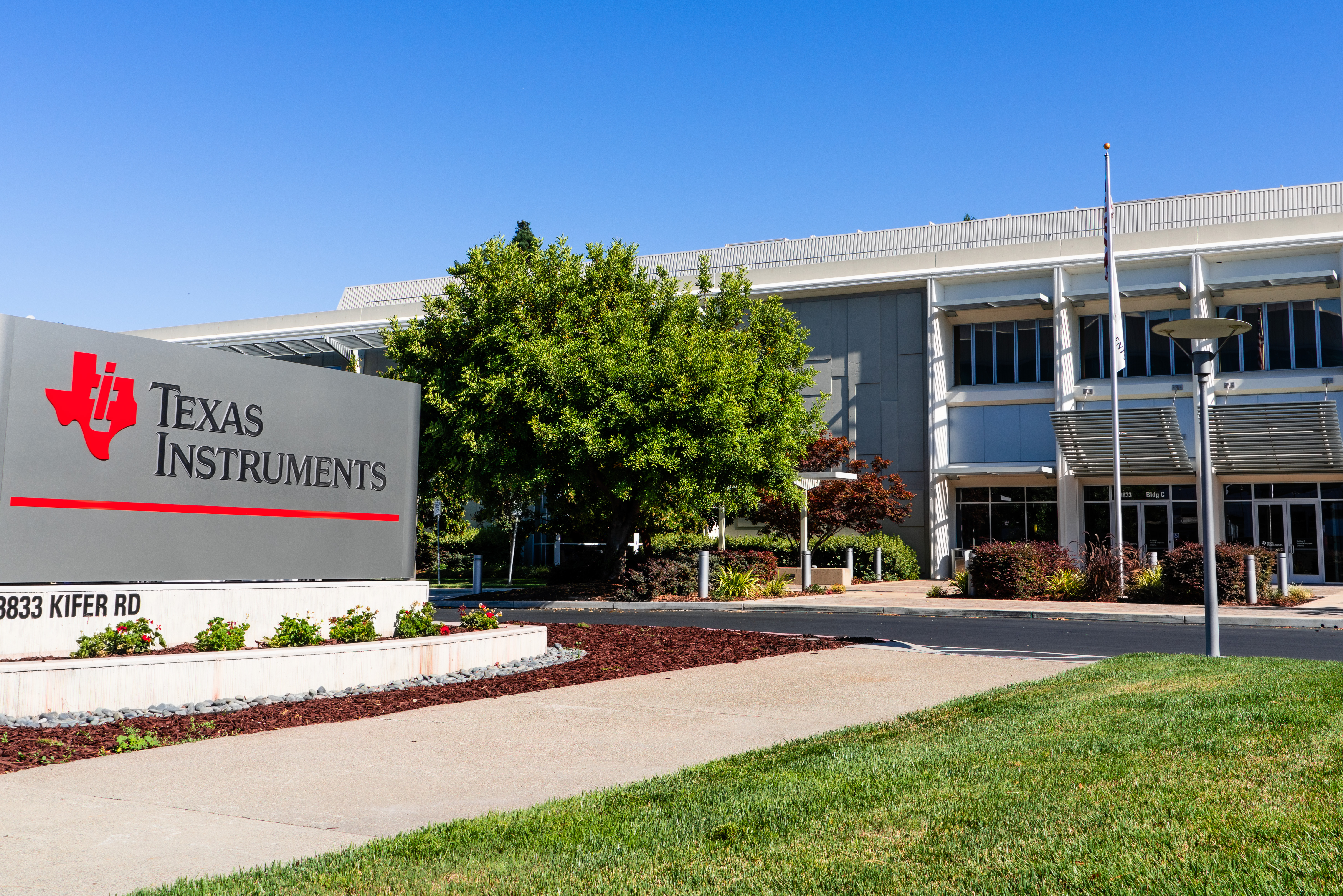
GF Securities Raises Texas Instruments Price Target to $270 Following Strong Q1 Results

- Price Target Increase: GF Securities raised Texas Instruments' (TXN) price target from $220 to $270 while maintaining a Buy rating, reflecting the company's strong Q1 performance that exceeded expectations, showcasing robust industrial recovery and stabilization in the automotive sector.
- Significant Industrial Growth: Analysts noted that the industrial segment grew over 30% year-over-year and more than 20% quarter-over-quarter, with demand strength broadening across a wider set of end markets, indicating an enhanced market position for the company in multiple sectors.
- Data Center Driving Growth: Data center revenue surged approximately 90% year-over-year and over 25% quarter-over-quarter, primarily driven by AI-related power demand, demonstrating sustained momentum and expected to lead future growth.
- Cash Flow Improvement: Inventory levels declined quarter-over-quarter, and capital expenditure guidance remained below recent peaks, supporting a recovery in free cash flow, with management emphasizing stable pricing, indicating a combination of cyclical recovery in core markets and increasing contributions from AI-driven demand.
See More
Semiconductor Stocks Overbought Amid Market Rally

- Semiconductor Surge: Semiconductor stocks emerged as a focal point for investors this week, with the S&P 500 and Nasdaq rising 0.55% and 1.50% respectively, pushing the market to new highs and reflecting strong optimism in the sector.
- Overbought Indicators: CNBC Pro's analysis identified stocks with a 14-day RSI above 70 as overbought, indicating potential pullback risks, particularly as the iShares Semiconductor ETF (SOXX) posted an 11.04% gain this week, showcasing robust enthusiasm for chipmakers.
- Earnings Drive: Texas Instruments reported first-quarter earnings that exceeded expectations, highlighting strong demand for its analog chips, which significantly boosted its stock price and reinforced market confidence in the semiconductor industry.
- Narrowing Market Leadership: Cameron Dawson, Chief Investment Officer at NewEdge Wealth, noted that market leadership is increasingly concentrated in the semiconductor sector, indicating a sustained rise in investor focus on this industry, which may impact the performance of other sectors.
See More

Texas Instruments and IBM Earnings Analysis

- Texas Instruments Performance: Texas Instruments reported a 90% year-over-year increase in data center revenue, driving overall sales up 19% to $4.82 billion, surpassing estimates by 7%, indicating strong positioning in the AI data center market.
- Profitability Surge: The company's earnings per share rose 31% year-over-year to $1.68, exceeding expectations by 22%, showcasing significant profitability gains in its rapidly growing analog and embedded processing segments.
- IBM Software Slowdown: IBM's Q1 sales increased 9% year-over-year to $15.91 billion, but software revenue growth of 11% fell short of the previous quarter's 14%, raising concerns about future growth in its software business.
- Diverging Market Outlook: Texas Instruments gained market favor by raising its Q2 revenue and EPS outlook, while IBM's unchanged full-year guidance sparked caution among investors, reflecting contrasting dynamics between the semiconductor and software sectors.
See More

Nasdaq Composite Index Hits Record High Amid Ceasefire Talks

- Nasdaq Performance: The Nasdaq Composite Index rose 1.6% to close at a record 24,836.60 on Friday, reflecting positive market sentiment amid ongoing U.S.-Iran ceasefire negotiations, which bolstered investor confidence.
- Semiconductor Rally: Intel's stock surged by 24% following a blockbuster first-quarter report, leading the market on Friday and indicating a robust recovery in the semiconductor sector, which is critical for tech growth.
- Weekly Gainers: Top performers this week included Arm Holdings (+40.20%), AMD (+24.57%), and Texas Instruments (+20.49%), whose strong results contributed significantly to the Nasdaq's upward momentum, highlighting the tech sector's resilience.
- Sector Divergence: Despite the strong performance of tech stocks, declines were noted across various sectors including communications, technology, and industrials, indicating a complex market sentiment that investors should monitor closely for sector-specific trends.
See More

Texas Instruments and Intel Stocks Surge Amid AI Boom

- Texas Instruments Strong Performance: Texas Instruments reported a 19% year-over-year revenue increase to $4.8 billion in Q1, with a 31% rise in earnings per share to $1.68, showcasing robust recovery in industrial and data center markets, particularly with data center revenue soaring nearly 90%, laying a solid foundation for future growth.
- Management's Optimistic Outlook: The company expects Q2 revenue between $5.0 billion and $5.4 billion, with earnings per share projected at $1.77 to $2.05, indicating significant sequential growth potential amid a recovering market, although the CEO expressed caution regarding the sustainability of demand.
- Intel's Surprising Turnaround: Intel's Q1 revenue reached $13.6 billion, up 7% year-over-year, significantly exceeding prior guidance, with adjusted earnings per share at $0.29, reflecting strong growth in its data center and AI sectors, particularly for Xeon server CPUs, where demand continues to outstrip supply.
- Market Pricing Risks: Despite excellent performance from both companies, their high price-to-earnings ratios—around 47 for Texas Instruments and over 100 for Intel—suggest that market expectations for future growth are already priced in, prompting investors to approach potential stock price fluctuations with caution.
See More

Meta Strikes Major Chip Deal with AWS to Enhance AI Infrastructure

- Infrastructure Investment: Meta has signed a three-year deal with AWS to deploy hundreds of thousands of Graviton chips, aiming to enhance AI performance with an expected 60% better energy efficiency than traditional systems, showcasing Meta's strategic commitment to AI.
- Workforce Adjustment: Despite the massive infrastructure investment, Meta announced a 10% workforce reduction, indicating a shift in capital allocation from human resources to high-performance silicon, reflecting the company's focus on future technology demands.
- Intensifying Market Competition: This move by Meta comes as competitors like Alphabet and Microsoft accelerate their internal hardware development, highlighting the urgency for Meta to secure computing capacity, which could reshape the industry landscape.
- CPU Renaissance: Intel has noted that central processors are re-emerging as the foundation for AI, and Meta's choice of Graviton chips over specialized accelerators indicates confidence in general-purpose processors, potentially driving growth across the semiconductor sector.
See More
GF Securities Raises Texas Instruments Price Target to $270 Following Strong Q1 Results
- Price Target Increase: GF Securities raised Texas Instruments' (TXN) price target from $220 to $270 while maintaining a Buy rating, reflecting the company's strong Q1 performance that exceeded expectations, showcasing robust industrial recovery and stabilization in the automotive sector.
- Significant Industrial Growth: Analysts noted that the industrial segment grew over 30% year-over-year and more than 20% quarter-over-quarter, with demand strength broadening across a wider set of end markets, indicating an enhanced market position for the company in multiple sectors.
- Data Center Driving Growth: Data center revenue surged approximately 90% year-over-year and over 25% quarter-over-quarter, primarily driven by AI-related power demand, demonstrating sustained momentum and expected to lead future growth.
- Cash Flow Improvement: Inventory levels declined quarter-over-quarter, and capital expenditure guidance remained below recent peaks, supporting a recovery in free cash flow, with management emphasizing stable pricing, indicating a combination of cyclical recovery in core markets and increasing contributions from AI-driven demand.
See More
Semiconductor Stocks Overbought Amid Market Rally
- Semiconductor Surge: Semiconductor stocks emerged as a focal point for investors this week, with the S&P 500 and Nasdaq rising 0.55% and 1.50% respectively, pushing the market to new highs and reflecting strong optimism in the sector.
- Overbought Indicators: CNBC Pro's analysis identified stocks with a 14-day RSI above 70 as overbought, indicating potential pullback risks, particularly as the iShares Semiconductor ETF (SOXX) posted an 11.04% gain this week, showcasing robust enthusiasm for chipmakers.
- Earnings Drive: Texas Instruments reported first-quarter earnings that exceeded expectations, highlighting strong demand for its analog chips, which significantly boosted its stock price and reinforced market confidence in the semiconductor industry.
- Narrowing Market Leadership: Cameron Dawson, Chief Investment Officer at NewEdge Wealth, noted that market leadership is increasingly concentrated in the semiconductor sector, indicating a sustained rise in investor focus on this industry, which may impact the performance of other sectors.
See More
Texas Instruments and IBM Earnings Analysis
- Texas Instruments Performance: Texas Instruments reported a 90% year-over-year increase in data center revenue, driving overall sales up 19% to $4.82 billion, surpassing estimates by 7%, indicating strong positioning in the AI data center market.
- Profitability Surge: The company's earnings per share rose 31% year-over-year to $1.68, exceeding expectations by 22%, showcasing significant profitability gains in its rapidly growing analog and embedded processing segments.
- IBM Software Slowdown: IBM's Q1 sales increased 9% year-over-year to $15.91 billion, but software revenue growth of 11% fell short of the previous quarter's 14%, raising concerns about future growth in its software business.
- Diverging Market Outlook: Texas Instruments gained market favor by raising its Q2 revenue and EPS outlook, while IBM's unchanged full-year guidance sparked caution among investors, reflecting contrasting dynamics between the semiconductor and software sectors.
See More
Nasdaq Composite Index Hits Record High Amid Ceasefire Talks
- Nasdaq Performance: The Nasdaq Composite Index rose 1.6% to close at a record 24,836.60 on Friday, reflecting positive market sentiment amid ongoing U.S.-Iran ceasefire negotiations, which bolstered investor confidence.
- Semiconductor Rally: Intel's stock surged by 24% following a blockbuster first-quarter report, leading the market on Friday and indicating a robust recovery in the semiconductor sector, which is critical for tech growth.
- Weekly Gainers: Top performers this week included Arm Holdings (+40.20%), AMD (+24.57%), and Texas Instruments (+20.49%), whose strong results contributed significantly to the Nasdaq's upward momentum, highlighting the tech sector's resilience.
- Sector Divergence: Despite the strong performance of tech stocks, declines were noted across various sectors including communications, technology, and industrials, indicating a complex market sentiment that investors should monitor closely for sector-specific trends.
See More
Texas Instruments and Intel Stocks Surge Amid AI Boom
- Texas Instruments Strong Performance: Texas Instruments reported a 19% year-over-year revenue increase to $4.8 billion in Q1, with a 31% rise in earnings per share to $1.68, showcasing robust recovery in industrial and data center markets, particularly with data center revenue soaring nearly 90%, laying a solid foundation for future growth.
- Management's Optimistic Outlook: The company expects Q2 revenue between $5.0 billion and $5.4 billion, with earnings per share projected at $1.77 to $2.05, indicating significant sequential growth potential amid a recovering market, although the CEO expressed caution regarding the sustainability of demand.
- Intel's Surprising Turnaround: Intel's Q1 revenue reached $13.6 billion, up 7% year-over-year, significantly exceeding prior guidance, with adjusted earnings per share at $0.29, reflecting strong growth in its data center and AI sectors, particularly for Xeon server CPUs, where demand continues to outstrip supply.
- Market Pricing Risks: Despite excellent performance from both companies, their high price-to-earnings ratios—around 47 for Texas Instruments and over 100 for Intel—suggest that market expectations for future growth are already priced in, prompting investors to approach potential stock price fluctuations with caution.
See More
Meta Strikes Major Chip Deal with AWS to Enhance AI Infrastructure
- Infrastructure Investment: Meta has signed a three-year deal with AWS to deploy hundreds of thousands of Graviton chips, aiming to enhance AI performance with an expected 60% better energy efficiency than traditional systems, showcasing Meta's strategic commitment to AI.
- Workforce Adjustment: Despite the massive infrastructure investment, Meta announced a 10% workforce reduction, indicating a shift in capital allocation from human resources to high-performance silicon, reflecting the company's focus on future technology demands.
- Intensifying Market Competition: This move by Meta comes as competitors like Alphabet and Microsoft accelerate their internal hardware development, highlighting the urgency for Meta to secure computing capacity, which could reshape the industry landscape.
- CPU Renaissance: Intel has noted that central processors are re-emerging as the foundation for AI, and Meta's choice of Graviton chips over specialized accelerators indicates confidence in general-purpose processors, potentially driving growth across the semiconductor sector.
See More