

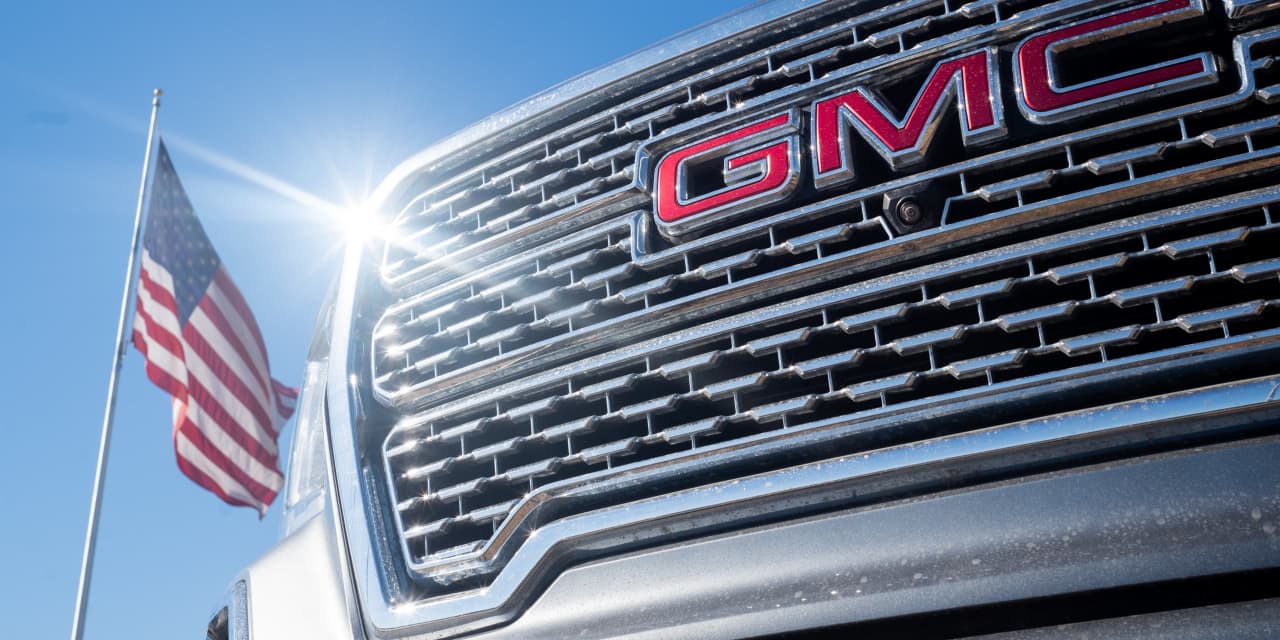
General Motors May Abandon LFP Battery Plans
Written by Emily J. Thompson, Senior Investment Analyst
Updated: 1 hour ago
0mins

Source: Newsfilter
- Battery Technology Shift: GM's battery technology chief indicated a potential abandonment of lower-cost iron-based battery plans in favor of lithium manganese-rich (LMR) batteries, which can store more energy at the same weight and size, despite similar production costs to lithium iron phosphate (LFP).
- Production Plan Adjustment: The Tennessee factory will begin LFP cell production this month, but these cells are intended for energy storage systems rather than electric vehicles, highlighting a significant shift in GM's battery strategy.
- Market Competitive Pressure: This decision may create a notable divergence from competitors like Tesla and Ford, who have widely adopted LFP batteries in their EVs to cut costs, potentially impacting GM's market positioning.
- Technical Challenges and Outlook: While LMR batteries offer advantages in reducing reliance on critical minerals, S&P Global noted that technical challenges mean mass adoption is not expected soon, which could affect GM's competitive edge in the EV market.
Trade with 70% Backtested Accuracy
Stop guessing "Should I Buy GM?" and start using high-conviction signals backed by rigorous historical data.
Sign up today to access powerful investing tools and make smarter, data-driven decisions.
Analyst Views on GM
Wall Street analysts forecast GM stock price to rise
19 Analyst Rating
14 Buy
4 Hold
1 Sell
Moderate Buy
Current: 83.760

Low
57.00
Averages
95.06
High
122.00
Current: 83.760
Low
57.00
Averages
95.06
High
122.00
About GM
General Motors Company designs, builds and sells trucks, crossovers, cars and automobile parts and provides software-enabled services and subscriptions worldwide. The Company's segments include GMNA, GMI and GM Financial. Its GM North America (GMNA) and GM International (GMI) segment develop, manufacture and/or markets vehicles under the Buick, Cadillac, Chevrolet and GMC brands. The Company's GM Financial segment provides automotive financing and related services. The Company is also focused on investing in electric vehicles (EVs) and autonomous vehicles (Avs), software-enabled services and subscriptions and new business opportunities. The Company's portfolio includes OnStar, GM Energy, GM Insurance, GM Genuine Parts, and the GM Company Store. Its OnStar portfolio offers safety, connectivity and hands-free driver assistance technologies. Its GM Energy provides Home EV Charging, Public EV Charging, Vehicle-To-Home and Energy Storage services.
About the author

Emily J. Thompson
Emily J. Thompson, a Chartered Financial Analyst (CFA) with 12 years in investment research, graduated with honors from the Wharton School. Specializing in industrial and technology stocks, she provides in-depth analysis for Intellectia’s earnings and market brief reports.
General Motors May Abandon LFP Battery Plans

- Battery Technology Shift: GM's battery technology chief indicated a potential abandonment of lower-cost iron-based battery plans in favor of lithium manganese-rich (LMR) batteries, which can store more energy at the same weight and size, despite similar production costs to lithium iron phosphate (LFP).
- Production Plan Adjustment: The Tennessee factory will begin LFP cell production this month, but these cells are intended for energy storage systems rather than electric vehicles, highlighting a significant shift in GM's battery strategy.
- Market Competitive Pressure: This decision may create a notable divergence from competitors like Tesla and Ford, who have widely adopted LFP batteries in their EVs to cut costs, potentially impacting GM's market positioning.
- Technical Challenges and Outlook: While LMR batteries offer advantages in reducing reliance on critical minerals, S&P Global noted that technical challenges mean mass adoption is not expected soon, which could affect GM's competitive edge in the EV market.
See More

Novelis Restarts Production at Key New York Facility for Ford
- Production Resumption: Novelis announced on Wednesday that it has restarted operations at its Oswego, New York facility, which is critical for Ford's F-150 pickup line, after months of downtime due to two fires, helping to alleviate pressure on Ford's lowered 2025 profit forecast caused by aluminum supply bottlenecks.
- Customer Collaboration: Novelis stated it is working closely with customers to ramp up supply, particularly Ford, which is a major consumer as its F-series trucks predominantly use aluminum bodies, meaning the resumption of production will directly impact Ford's production capacity and market supply.
- Financial Impact: The supply bottlenecks caused by the fires have led Ford to flag charges of up to $2 billion, while Novelis reported a loss of approximately $437 million in the fourth quarter, highlighting the vulnerability of the aluminum supply chain and its significant impact on automakers.
- Global Production Adjustments: During the downtime of the New York plant, Novelis relied on its facilities in South Korea and Europe to compensate for production losses, a strategy that alleviated short-term pressures but also underscored the complexity of global supply chains and the degree of reliance on a single facility.
See More

Intuitive Machines Loses Lunar Vehicle Contract, Shares Plummet

- Contract Loss Impact: Intuitive Machines' failure to secure the lunar vehicle contract from NASA resulted in a 33% drop in its stock price last week, significantly shaking investor confidence and raising concerns about its future prospects.
- NASA's New Partnerships: NASA awarded contracts worth $219 million to Astrolab and $220 million to Lunar Outpost, indicating a preference for emerging companies, which could potentially affect Intuitive's market position.
- Future Opportunity Outlook: Although Intuitive Machines missed out on the initial $439 million in contracts, NASA has budgeted $4.6 billion for the LTV project, suggesting that there may be more opportunities for additional vendors as the Moon Base efforts progress.
- Market Reaction Analysis: The rapid decline in Intuitive Machines' stock price following the contract loss has severely impacted market confidence in its long-term prospects, prompting investors to closely monitor future bidding opportunities and NASA's subsequent plans.
See More
NASA Selects Astrolab and Lunar Outpost for Lunar Rover Contracts
- Contract Awards: NASA awarded contracts worth $219 million to Astrolab and $220 million to Lunar Outpost for lunar rovers, unexpectedly excluding Intuitive Machines, which resulted in a 33% sell-off in its stock last week, reflecting market concerns about its future prospects.
- Rover Design Features: Astrolab's CLV-1 lunar vehicle can carry two astronauts or 1.6 metric tons of supplies with a top speed of 6 mph, while Lunar Outpost's Pegasus rover features manual, remote, and autonomous driving modes, reaching speeds of 9 mph, with an expected lifespan of one year and a travel range of 560 miles.
- Future Plans and Timeline: Both companies are set to design, build, and test their rovers over the next 18 months, aiming for readiness by December 2027, when they will be launched to the moon via Blue Origin rockets to participate in the 2028 Artemis IV mission.
- Opportunities for Intuitive Machines: Although Intuitive Machines missed out on the initial contracts, NASA has allocated $4.6 billion for the LTV project, indicating potential future opportunities through on-ramp competitions, suggesting that its role in lunar exploration is not yet over.
See More
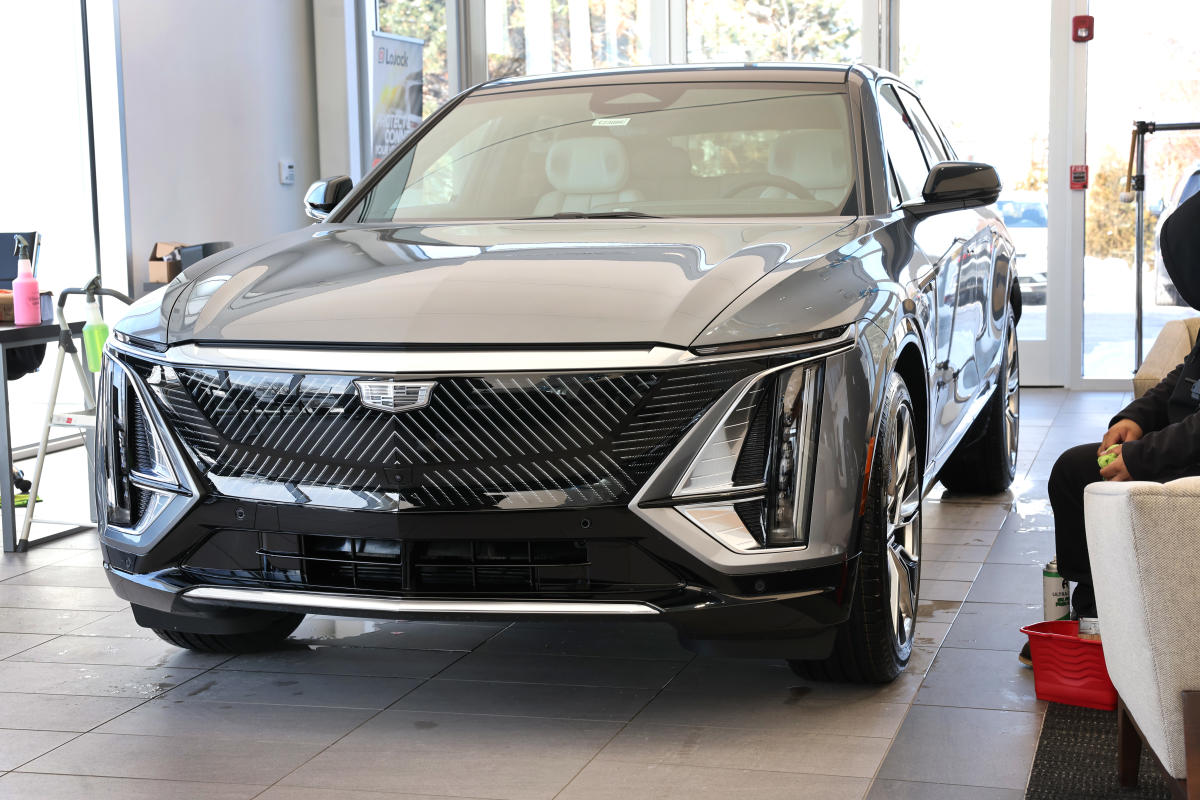
General Motors Expands into Energy Storage Market
- Market Expansion Strategy: General Motors has unveiled a series of initiatives through its GM Energy division aimed at supplying energy storage systems to utilities, commercial customers, and data center operators, demonstrating its ambition in the rapidly growing energy storage market.
- Collaborative Technology Development: GM has partnered with Peak Energy to develop next-generation sodium-ion battery cells specifically for grid-scale energy storage, with expectations to begin supplying customers after 2028, which lowers deployment costs and enhances market competitiveness.
- Battery Recycling and Repurposing: GM's collaboration with Redwood Materials focuses on battery recycling and second-life applications, allowing the company to deploy both new and repurposed batteries in energy storage projects, thereby improving resource efficiency.
- EV Charging Simplification: GM introduced an
See More
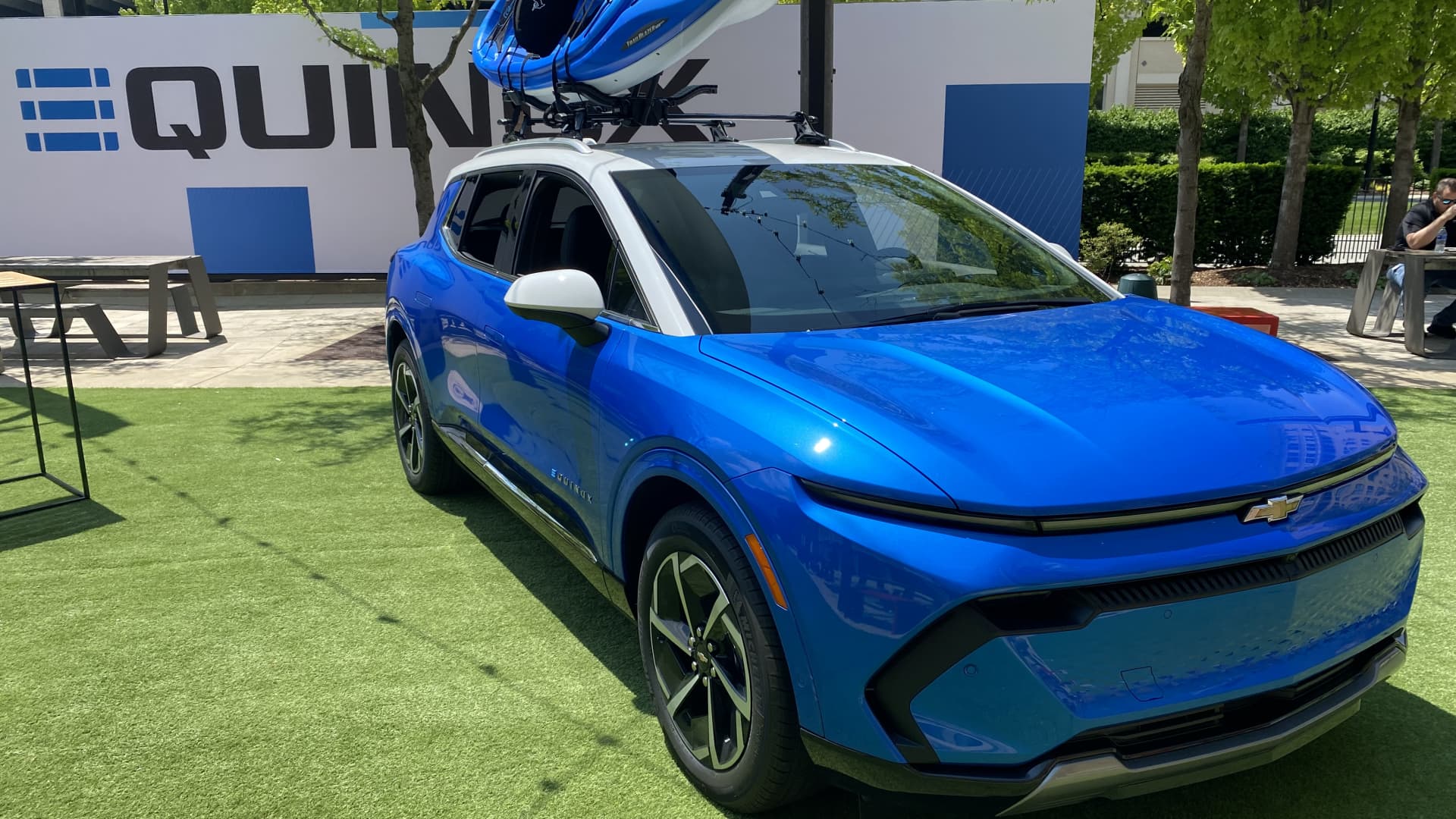
General Motors Unveils Bidirectional EVs for Home Power Supply
- Bidirectional EV Innovation: General Motors' bidirectional-capable EVs, when paired with home energy systems, can sustain a household for days during localized grid failures, significantly enhancing energy security and emergency preparedness.
- Grid Support Capability: These EVs and energy systems are engineered to support vehicle-to-grid power flow, with GM integrating bidirectional capability as a foundational standard across its entire portfolio, thereby strengthening its competitive position in the EV market.
- Large-Scale Storage System Development: GM is developing batteries for large-scale energy storage systems for utilities and major power users, leveraging connected EVs to feed power back into local residential grids, contributing to grid stability.
- Future EV Deployment Plans: By 2030, GM projects to operate a fleet of 130,000 EVs in Northern California, with over 52,000 systematically participating in grid-balancing protocols, showcasing the company's forward-looking approach to grid solutions.
See More
General Motors May Abandon LFP Battery Plans
- Battery Technology Shift: GM's battery technology chief indicated a potential abandonment of lower-cost iron-based battery plans in favor of lithium manganese-rich (LMR) batteries, which can store more energy at the same weight and size, despite similar production costs to lithium iron phosphate (LFP).
- Production Plan Adjustment: The Tennessee factory will begin LFP cell production this month, but these cells are intended for energy storage systems rather than electric vehicles, highlighting a significant shift in GM's battery strategy.
- Market Competitive Pressure: This decision may create a notable divergence from competitors like Tesla and Ford, who have widely adopted LFP batteries in their EVs to cut costs, potentially impacting GM's market positioning.
- Technical Challenges and Outlook: While LMR batteries offer advantages in reducing reliance on critical minerals, S&P Global noted that technical challenges mean mass adoption is not expected soon, which could affect GM's competitive edge in the EV market.
See More
Novelis Restarts Production at Key New York Facility for Ford
- Production Resumption: Novelis announced on Wednesday that it has restarted operations at its Oswego, New York facility, which is critical for Ford's F-150 pickup line, after months of downtime due to two fires, helping to alleviate pressure on Ford's lowered 2025 profit forecast caused by aluminum supply bottlenecks.
- Customer Collaboration: Novelis stated it is working closely with customers to ramp up supply, particularly Ford, which is a major consumer as its F-series trucks predominantly use aluminum bodies, meaning the resumption of production will directly impact Ford's production capacity and market supply.
- Financial Impact: The supply bottlenecks caused by the fires have led Ford to flag charges of up to $2 billion, while Novelis reported a loss of approximately $437 million in the fourth quarter, highlighting the vulnerability of the aluminum supply chain and its significant impact on automakers.
- Global Production Adjustments: During the downtime of the New York plant, Novelis relied on its facilities in South Korea and Europe to compensate for production losses, a strategy that alleviated short-term pressures but also underscored the complexity of global supply chains and the degree of reliance on a single facility.
See More
Intuitive Machines Loses Lunar Vehicle Contract, Shares Plummet
- Contract Loss Impact: Intuitive Machines' failure to secure the lunar vehicle contract from NASA resulted in a 33% drop in its stock price last week, significantly shaking investor confidence and raising concerns about its future prospects.
- NASA's New Partnerships: NASA awarded contracts worth $219 million to Astrolab and $220 million to Lunar Outpost, indicating a preference for emerging companies, which could potentially affect Intuitive's market position.
- Future Opportunity Outlook: Although Intuitive Machines missed out on the initial $439 million in contracts, NASA has budgeted $4.6 billion for the LTV project, suggesting that there may be more opportunities for additional vendors as the Moon Base efforts progress.
- Market Reaction Analysis: The rapid decline in Intuitive Machines' stock price following the contract loss has severely impacted market confidence in its long-term prospects, prompting investors to closely monitor future bidding opportunities and NASA's subsequent plans.
See More
NASA Selects Astrolab and Lunar Outpost for Lunar Rover Contracts
- Contract Awards: NASA awarded contracts worth $219 million to Astrolab and $220 million to Lunar Outpost for lunar rovers, unexpectedly excluding Intuitive Machines, which resulted in a 33% sell-off in its stock last week, reflecting market concerns about its future prospects.
- Rover Design Features: Astrolab's CLV-1 lunar vehicle can carry two astronauts or 1.6 metric tons of supplies with a top speed of 6 mph, while Lunar Outpost's Pegasus rover features manual, remote, and autonomous driving modes, reaching speeds of 9 mph, with an expected lifespan of one year and a travel range of 560 miles.
- Future Plans and Timeline: Both companies are set to design, build, and test their rovers over the next 18 months, aiming for readiness by December 2027, when they will be launched to the moon via Blue Origin rockets to participate in the 2028 Artemis IV mission.
- Opportunities for Intuitive Machines: Although Intuitive Machines missed out on the initial contracts, NASA has allocated $4.6 billion for the LTV project, indicating potential future opportunities through on-ramp competitions, suggesting that its role in lunar exploration is not yet over.
See More
General Motors Expands into Energy Storage Market
- Market Expansion Strategy: General Motors has unveiled a series of initiatives through its GM Energy division aimed at supplying energy storage systems to utilities, commercial customers, and data center operators, demonstrating its ambition in the rapidly growing energy storage market.
- Collaborative Technology Development: GM has partnered with Peak Energy to develop next-generation sodium-ion battery cells specifically for grid-scale energy storage, with expectations to begin supplying customers after 2028, which lowers deployment costs and enhances market competitiveness.
- Battery Recycling and Repurposing: GM's collaboration with Redwood Materials focuses on battery recycling and second-life applications, allowing the company to deploy both new and repurposed batteries in energy storage projects, thereby improving resource efficiency.
- EV Charging Simplification: GM introduced an
See More
General Motors Unveils Bidirectional EVs for Home Power Supply
- Bidirectional EV Innovation: General Motors' bidirectional-capable EVs, when paired with home energy systems, can sustain a household for days during localized grid failures, significantly enhancing energy security and emergency preparedness.
- Grid Support Capability: These EVs and energy systems are engineered to support vehicle-to-grid power flow, with GM integrating bidirectional capability as a foundational standard across its entire portfolio, thereby strengthening its competitive position in the EV market.
- Large-Scale Storage System Development: GM is developing batteries for large-scale energy storage systems for utilities and major power users, leveraging connected EVs to feed power back into local residential grids, contributing to grid stability.
- Future EV Deployment Plans: By 2030, GM projects to operate a fleet of 130,000 EVs in Northern California, with over 52,000 systematically participating in grid-balancing protocols, showcasing the company's forward-looking approach to grid solutions.
See More




