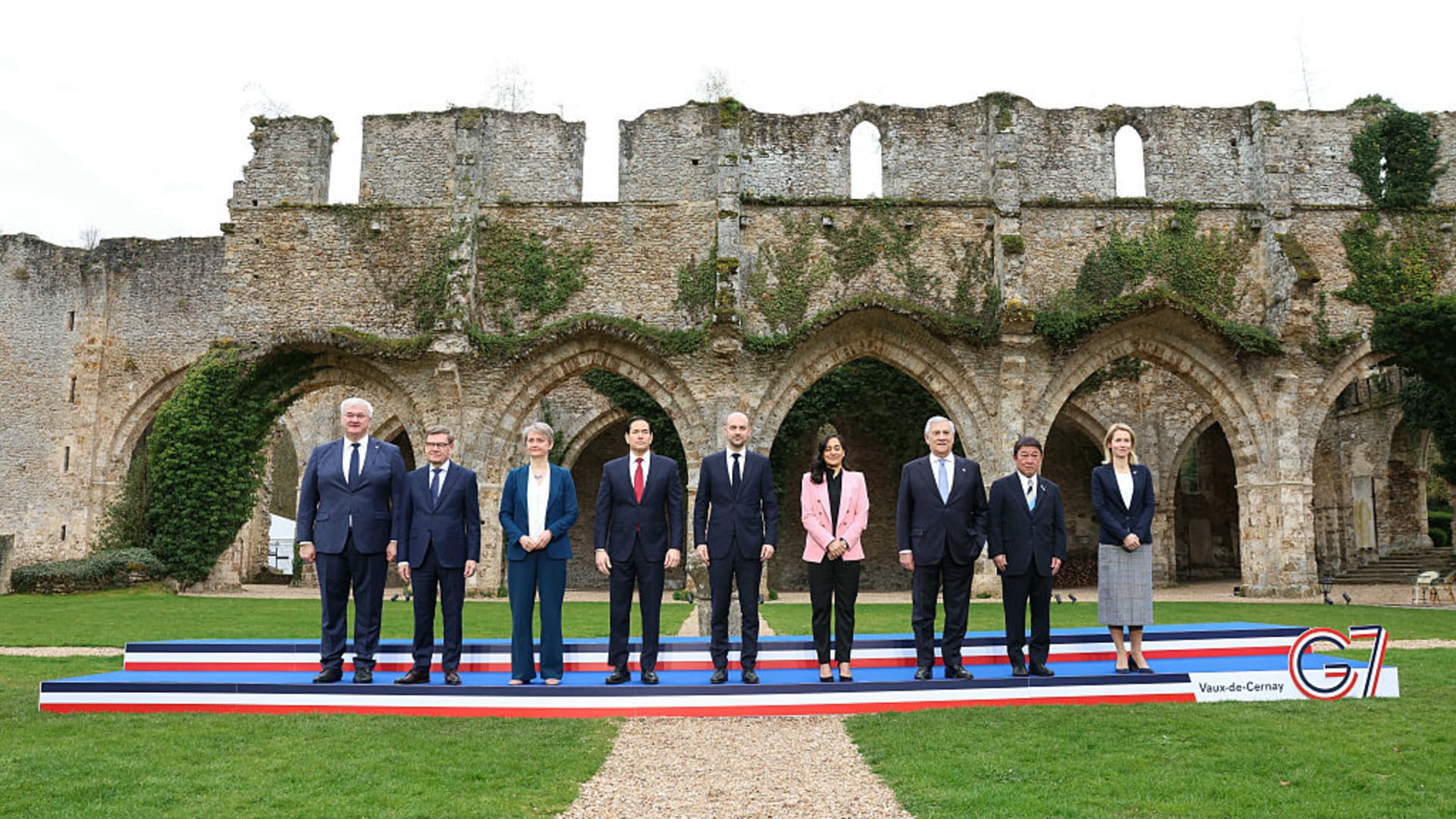
G7 Foreign Ministers Urge Diplomatic Solutions for Iran War
Written by Emily J. Thompson, Senior Investment Analyst
Updated: 1 hour ago
0mins
Should l Buy CAAS?
Source: CNBC
- Frequent Meetings: The G7 has convened at the ministerial level four times since the onset of the Iran war, yet the lack of actionable outcomes highlights the fatigue and ineffectiveness of member nations in addressing the crisis.
- Energy Market Volatility: Since the first virtual meeting on March 9, energy markets have experienced significant fluctuations, with oil prices witnessing some of the largest single-day increases since the Ukraine war began in 2022, indicating market uncertainty about future developments.
- Call for Diplomatic Solutions: EU foreign policy chief Kaja Kallas stressed the need for a diplomatic resolution to the Iran war, while Germany's foreign minister pointed out that a lack of communication complicates coordinated efforts, reflecting a pressing demand for peaceful solutions among nations.
- G7 Summit Controversy: The upcoming G7 leaders' summit in June has sparked controversy due to the exclusion of South Africa, which perceives this as a result of U.S. pressure, illustrating the internal divisions and external tensions facing the G7.
Trade with 70% Backtested Accuracy
Stop guessing "Should I Buy CAAS?" and start using high-conviction signals backed by rigorous historical data.
Sign up today to access powerful investing tools and make smarter, data-driven decisions.
Analyst Views on CAAS
About CAAS
China Automotive Systems Inc is a holding company principally engaged in the manufacture and sale of automotive systems and components. The Company’s main products include rack and pinion power steering, integral power steering, electronic power steering and manual steering, steering columns, steering oil pumps and steering hoses. The Company's major customers include FAW Group, Dongfeng Auto Group Co., Ltd, BYD Auto Co., Ltd, as well as Stellar Group and Ford Motor Company in North America. The Company primarily operates its businesses in the domestic and overseas markets.
About the author

Emily J. Thompson
Emily J. Thompson, a Chartered Financial Analyst (CFA) with 12 years in investment research, graduated with honors from the Wharton School. Specializing in industrial and technology stocks, she provides in-depth analysis for Intellectia’s earnings and market brief reports.
G7 Foreign Ministers Urge Diplomatic Solutions for Iran War

- Frequent Meetings: The G7 has convened at the ministerial level four times since the onset of the Iran war, yet the lack of actionable outcomes highlights the fatigue and ineffectiveness of member nations in addressing the crisis.
- Energy Market Volatility: Since the first virtual meeting on March 9, energy markets have experienced significant fluctuations, with oil prices witnessing some of the largest single-day increases since the Ukraine war began in 2022, indicating market uncertainty about future developments.
- Call for Diplomatic Solutions: EU foreign policy chief Kaja Kallas stressed the need for a diplomatic resolution to the Iran war, while Germany's foreign minister pointed out that a lack of communication complicates coordinated efforts, reflecting a pressing demand for peaceful solutions among nations.
- G7 Summit Controversy: The upcoming G7 leaders' summit in June has sparked controversy due to the exclusion of South Africa, which perceives this as a result of U.S. pressure, illustrating the internal divisions and external tensions facing the G7.
See More
China's Industrial Profits Surge 15.2% Amid Economic Recovery

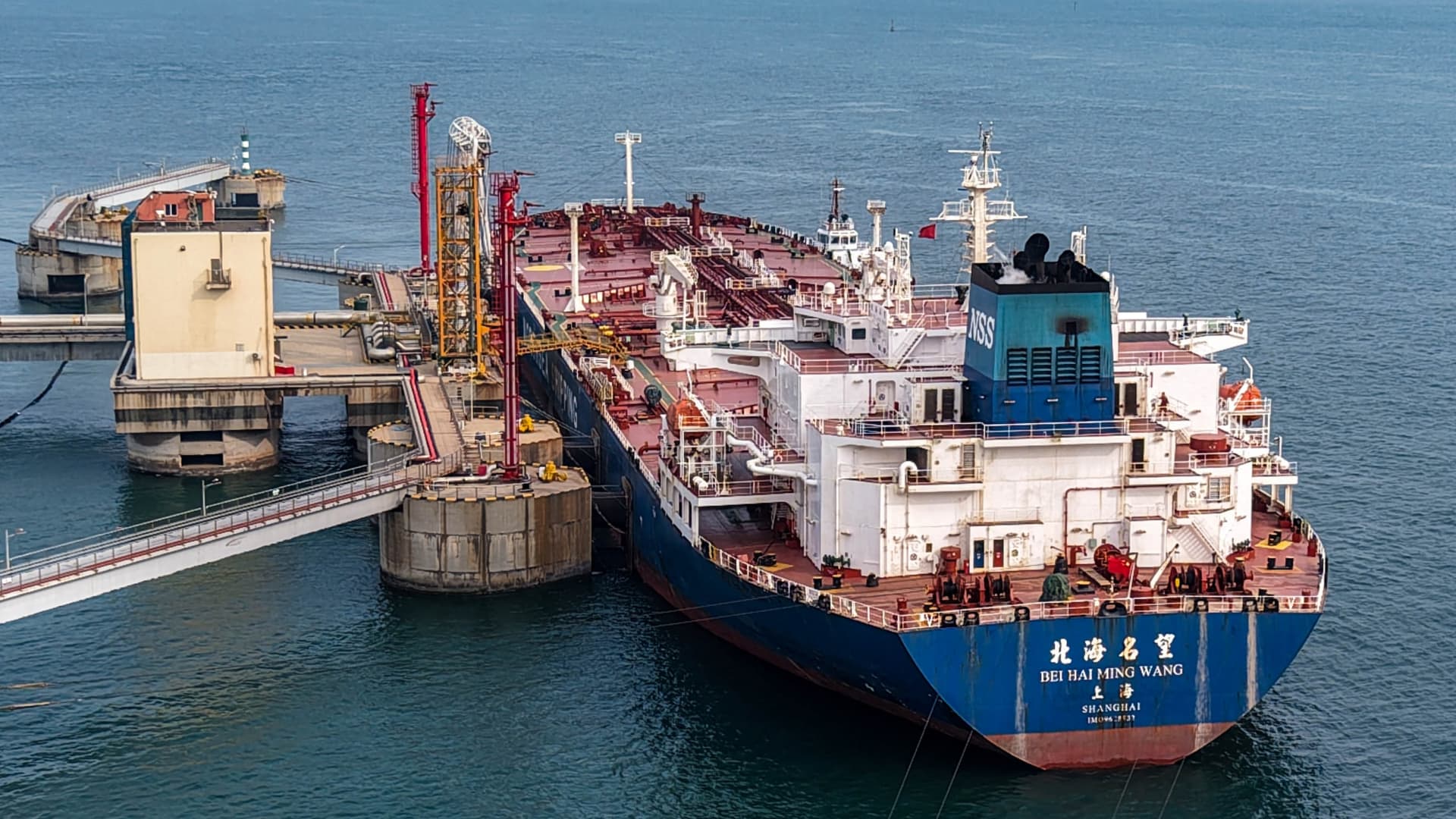
- Industrial Profit Recovery: According to the National Bureau of Statistics, China's industrial profits surged 15.2% year-on-year in January-February 2026, continuing the strong rebound from a 5.3% increase in December 2025, indicating significant improvement in corporate profitability amid government efforts to address industrial overcapacity and weak consumer demand.
- Annual Profit Growth: In 2025, China's industrial profits rose by 0.6% year-on-year, ending three consecutive years of decline, reflecting the effectiveness of government measures to curb aggressive price competition and boost exports, thereby enhancing corporate market confidence.
- Energy Price Adjustments: In response to disruptions in oil shipments from the Middle East, the Chinese government raised retail gasoline and diesel prices earlier this week, although the increase was moderated to about half of the normal level to cushion the impact on consumers, demonstrating a cautious approach amid global energy market volatility.
- Market Resilience: Despite soaring global oil prices, China's massive oil reserves and alternative energy sources are expected to mitigate the impact less than in other countries, indicating the resilience and adaptability of the Chinese economy in facing external shocks.
See More

GPS Disruptions Surge Amid Middle East Conflict

- Surge in GPS Disruptions: Following the U.S. and Israel's pre-emptive strikes against Iran on February 28, GPS disruptions have surged in the Middle East, with over 1,100 vessels experiencing AIS signal interference within the first 24 hours, affecting maritime, aviation, and land transportation while exposing vulnerabilities in the American-made satellite navigation system.
- Reasons for Interference: Analysts suggest that Gulf states may be jamming satellite navigation signals to protect critical infrastructure from drone and missile attacks, a tactic increasingly common in modern warfare, as evidenced by similar disruptions following Russia's invasion of Ukraine in 2022.
- Impact on Shipping: Despite the significant reduction in shipping activity due to the blockage of the Strait of Hormuz, foreign-flagged vessels from countries like China and India still have transit rights, making accurate positioning data crucial for avoiding collisions and grounding risks in the narrow strait, which measures only 21 miles (33 km) at its narrowest point.
- Emerging Technology Trends: As GPS signal jamming intensifies, industry experts highlight the vulnerabilities of satellite navigation systems, noting that modern chips can receive signals from multiple global navigation systems, with Iran potentially utilizing China's BeiDou, posing a challenge to U.S. strategic dominance in global navigation.
See More

Ikea's Expansion Plans in India Amid Global Sales Slowdown


- Market Expansion Goals: Ikea aims to open around 30 new stores in India over the next five years, building on its current six stores, which will include a mix of large and small formats as well as pick-up points for online deliveries, targeting the rapidly growing Indian furniture market.
- Local Sourcing Increase: Currently, 30% of Ikea's sales in India come from locally sourced materials, with plans to increase this to 50% by 2030, enhancing supply chain efficiency and reducing costs while supporting local economic development.
- Market Potential Analysis: According to IBEF, India's furniture and home décor market is projected to exceed $25 billion by 2024 and reach $40.8 billion by 2033, while Ikea forecasts the market will hit $48 billion by 2030, reflecting its optimistic outlook on market opportunities.
- Profitability Expectations: Despite a decline in global retail sales over the past two years, Ikea's sales in India rose by approximately 6% in the fiscal year ending August 2025, with expectations for the Indian operations to become profitable by fiscal year 2028, demonstrating strong confidence in long-term investments in this market.
See More
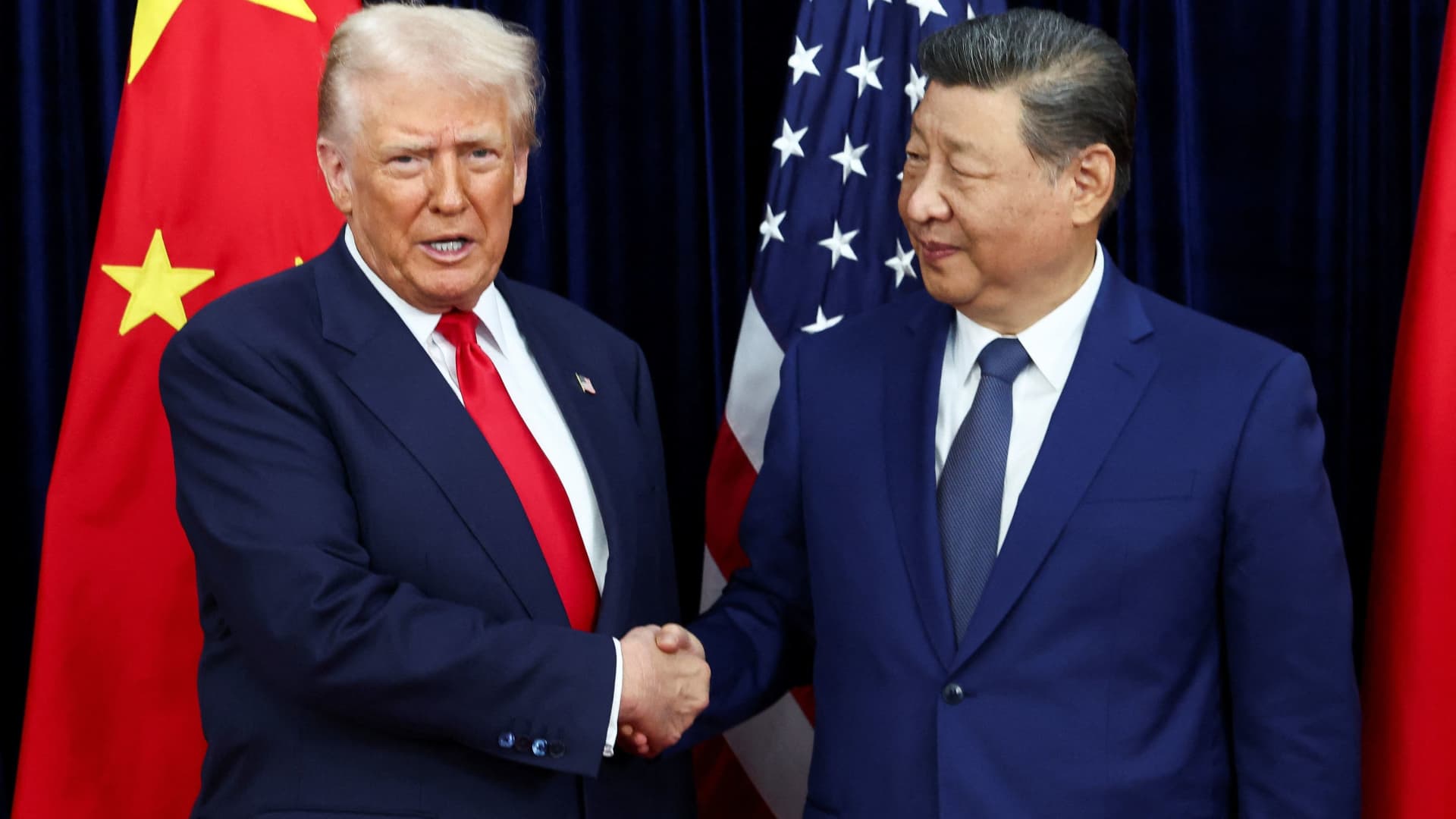
Trump and Xi Meeting Postponed to May

- Meeting Rescheduled: The bilateral meeting between Trump and Xi, initially set for late March to early April, has been postponed to May 14-15, reflecting strategic adjustments due to the ongoing Iran war, which may impact the future development of U.S.-China relations.
- Historic Visit Plans: Trump and First Lady Melania Trump will host Xi and Madame Peng Liyuan in Washington, D.C., with a date to be announced, aiming to strengthen the personal rapport between the two leaders, potentially paving the way for future diplomatic negotiations.
- War Impact Assessment: The Trump administration anticipates the Iran war will last around five weeks, although officials have provided varying timelines, which could influence U.S.-China diplomatic interactions, especially in the lead-up to the meeting preparations.
- Preparation Progress: Trump stated on social media that U.S. representatives are “finalizing preparations for these Historic Visits,” indicating the administration's emphasis on the upcoming meeting, which may affect market expectations regarding U.S.-China relations.
See More
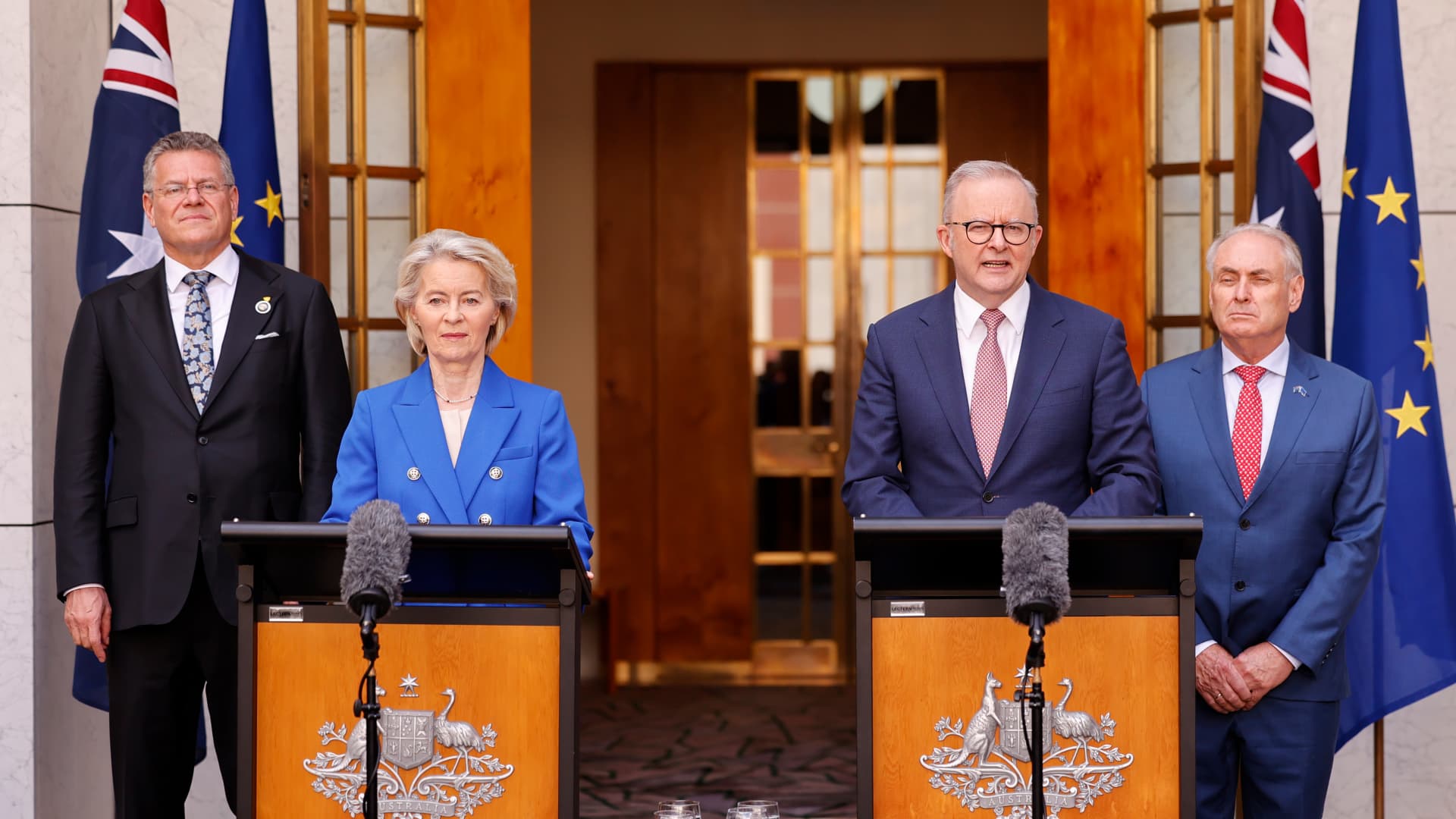
EU and Australia Reach Major Trade Agreement


- Tariff Reductions: The newly reached trade agreement will see the EU eliminate around 98% of tariffs on Australian goods, including wine, dairy, and seafood, while Australia will remove tariffs on over 99% of EU goods, significantly boosting bilateral trade.
- Export Growth Expectations: EU exports to Australia are projected to grow by up to 33% over the next decade, with annual export value reaching €17.7 billion ($20.5 billion), further enhancing the EU's economic influence in the Asia-Pacific region.
- Critical Mineral Supply Assurance: The agreement secures EU access to critical raw materials from Australia, such as aluminum, lithium, and manganese, which are vital for the EU's economic security amid rising global geopolitical uncertainties.
- Investment Growth Potential: According to the Australian government, investment from the EU is expected to increase by over 87%, solidifying the EU's position as Australia's second-largest source of foreign investment and fostering deeper economic integration between the two regions.
See More
G7 Foreign Ministers Urge Diplomatic Solutions for Iran War
- Frequent Meetings: The G7 has convened at the ministerial level four times since the onset of the Iran war, yet the lack of actionable outcomes highlights the fatigue and ineffectiveness of member nations in addressing the crisis.
- Energy Market Volatility: Since the first virtual meeting on March 9, energy markets have experienced significant fluctuations, with oil prices witnessing some of the largest single-day increases since the Ukraine war began in 2022, indicating market uncertainty about future developments.
- Call for Diplomatic Solutions: EU foreign policy chief Kaja Kallas stressed the need for a diplomatic resolution to the Iran war, while Germany's foreign minister pointed out that a lack of communication complicates coordinated efforts, reflecting a pressing demand for peaceful solutions among nations.
- G7 Summit Controversy: The upcoming G7 leaders' summit in June has sparked controversy due to the exclusion of South Africa, which perceives this as a result of U.S. pressure, illustrating the internal divisions and external tensions facing the G7.
See More
China's Industrial Profits Surge 15.2% Amid Economic Recovery
- Industrial Profit Recovery: According to the National Bureau of Statistics, China's industrial profits surged 15.2% year-on-year in January-February 2026, continuing the strong rebound from a 5.3% increase in December 2025, indicating significant improvement in corporate profitability amid government efforts to address industrial overcapacity and weak consumer demand.
- Annual Profit Growth: In 2025, China's industrial profits rose by 0.6% year-on-year, ending three consecutive years of decline, reflecting the effectiveness of government measures to curb aggressive price competition and boost exports, thereby enhancing corporate market confidence.
- Energy Price Adjustments: In response to disruptions in oil shipments from the Middle East, the Chinese government raised retail gasoline and diesel prices earlier this week, although the increase was moderated to about half of the normal level to cushion the impact on consumers, demonstrating a cautious approach amid global energy market volatility.
- Market Resilience: Despite soaring global oil prices, China's massive oil reserves and alternative energy sources are expected to mitigate the impact less than in other countries, indicating the resilience and adaptability of the Chinese economy in facing external shocks.
See More
GPS Disruptions Surge Amid Middle East Conflict
- Surge in GPS Disruptions: Following the U.S. and Israel's pre-emptive strikes against Iran on February 28, GPS disruptions have surged in the Middle East, with over 1,100 vessels experiencing AIS signal interference within the first 24 hours, affecting maritime, aviation, and land transportation while exposing vulnerabilities in the American-made satellite navigation system.
- Reasons for Interference: Analysts suggest that Gulf states may be jamming satellite navigation signals to protect critical infrastructure from drone and missile attacks, a tactic increasingly common in modern warfare, as evidenced by similar disruptions following Russia's invasion of Ukraine in 2022.
- Impact on Shipping: Despite the significant reduction in shipping activity due to the blockage of the Strait of Hormuz, foreign-flagged vessels from countries like China and India still have transit rights, making accurate positioning data crucial for avoiding collisions and grounding risks in the narrow strait, which measures only 21 miles (33 km) at its narrowest point.
- Emerging Technology Trends: As GPS signal jamming intensifies, industry experts highlight the vulnerabilities of satellite navigation systems, noting that modern chips can receive signals from multiple global navigation systems, with Iran potentially utilizing China's BeiDou, posing a challenge to U.S. strategic dominance in global navigation.
See More
Ikea's Expansion Plans in India Amid Global Sales Slowdown
- Market Expansion Goals: Ikea aims to open around 30 new stores in India over the next five years, building on its current six stores, which will include a mix of large and small formats as well as pick-up points for online deliveries, targeting the rapidly growing Indian furniture market.
- Local Sourcing Increase: Currently, 30% of Ikea's sales in India come from locally sourced materials, with plans to increase this to 50% by 2030, enhancing supply chain efficiency and reducing costs while supporting local economic development.
- Market Potential Analysis: According to IBEF, India's furniture and home décor market is projected to exceed $25 billion by 2024 and reach $40.8 billion by 2033, while Ikea forecasts the market will hit $48 billion by 2030, reflecting its optimistic outlook on market opportunities.
- Profitability Expectations: Despite a decline in global retail sales over the past two years, Ikea's sales in India rose by approximately 6% in the fiscal year ending August 2025, with expectations for the Indian operations to become profitable by fiscal year 2028, demonstrating strong confidence in long-term investments in this market.
See More
Trump and Xi Meeting Postponed to May
- Meeting Rescheduled: The bilateral meeting between Trump and Xi, initially set for late March to early April, has been postponed to May 14-15, reflecting strategic adjustments due to the ongoing Iran war, which may impact the future development of U.S.-China relations.
- Historic Visit Plans: Trump and First Lady Melania Trump will host Xi and Madame Peng Liyuan in Washington, D.C., with a date to be announced, aiming to strengthen the personal rapport between the two leaders, potentially paving the way for future diplomatic negotiations.
- War Impact Assessment: The Trump administration anticipates the Iran war will last around five weeks, although officials have provided varying timelines, which could influence U.S.-China diplomatic interactions, especially in the lead-up to the meeting preparations.
- Preparation Progress: Trump stated on social media that U.S. representatives are “finalizing preparations for these Historic Visits,” indicating the administration's emphasis on the upcoming meeting, which may affect market expectations regarding U.S.-China relations.
See More
EU and Australia Reach Major Trade Agreement
- Tariff Reductions: The newly reached trade agreement will see the EU eliminate around 98% of tariffs on Australian goods, including wine, dairy, and seafood, while Australia will remove tariffs on over 99% of EU goods, significantly boosting bilateral trade.
- Export Growth Expectations: EU exports to Australia are projected to grow by up to 33% over the next decade, with annual export value reaching €17.7 billion ($20.5 billion), further enhancing the EU's economic influence in the Asia-Pacific region.
- Critical Mineral Supply Assurance: The agreement secures EU access to critical raw materials from Australia, such as aluminum, lithium, and manganese, which are vital for the EU's economic security amid rising global geopolitical uncertainties.
- Investment Growth Potential: According to the Australian government, investment from the EU is expected to increase by over 87%, solidifying the EU's position as Australia's second-largest source of foreign investment and fostering deeper economic integration between the two regions.
See More