From Favorites to Longshots: Introducing the Key Contenders in Missouri's Sports Betting Competition

Launch of Legal Sports Betting: Missouri will launch legal sports betting statewide on December 1, 2024, with an expected first-year handle of $3.5 billion to $4.0 billion, driven by competitive online markets and aggressive promotions from major brands.
Licensing and Market Access: The Missouri Gaming Commission will oversee up to 14 online licenses and numerous retail licenses, with major players like DraftKings, FanDuel, and BetMGM expected to lead the market, leveraging partnerships with local teams and casinos.
Key Players and Strategies: DraftKings and Circa Sports hold untethered licenses, allowing them to operate without casino partnerships, while FanDuel is anticipated to dominate market share through its national presence and innovative betting options.
Emerging Competitors: Other notable entrants include bet365, Fanatics, and Underdog Sports, each employing unique strategies such as merchandise integration and modern tech to enhance user experience in the competitive landscape.
Trade with 70% Backtested Accuracy
Analyst Views on DKNG

About DKNG
About the author


DraftKings Plans Online Betting Launch in Alberta, Canada

- Market Expansion Plan: DraftKings (DKNG) intends to launch its online sports betting and casino products in Alberta on the anticipated universal launch date of July 13, contingent on obtaining necessary licensing and regulatory approvals, thereby increasing its operational provinces in Canada to two and expanding its market reach.
- North American Market Positioning: Alberta will become the 34th jurisdiction in North America where DraftKings offers online sports betting and the seventh with online casino services, highlighting the company's strategic positioning in the rapidly growing online gambling market.
- Population Advantage: With a population of over 5 million, Alberta represents a larger market than Los Angeles and is close in size to Colorado, providing DraftKings with a significant customer base that is expected to drive user growth and revenue enhancement.
- World Cup Opportunity: DraftKings VP Greg Karamitis noted that the anticipated launch aligns with the World Cup hosted in North America, presenting an exciting opportunity for sports fans in Alberta to engage with their platform, thereby enhancing market appeal.
U.S. Stocks Edge Up as PepsiCo and TSMC Shine


- PepsiCo's Quarter Performance: PepsiCo achieved its first volume growth in North American food business in two years, with CEO Ramon Laguarta addressing the industry's threat from GLP-1 weight-loss drugs, leading to a 1% rise in shares, demonstrating the company's resilience and adaptability in a competitive consumer goods market.
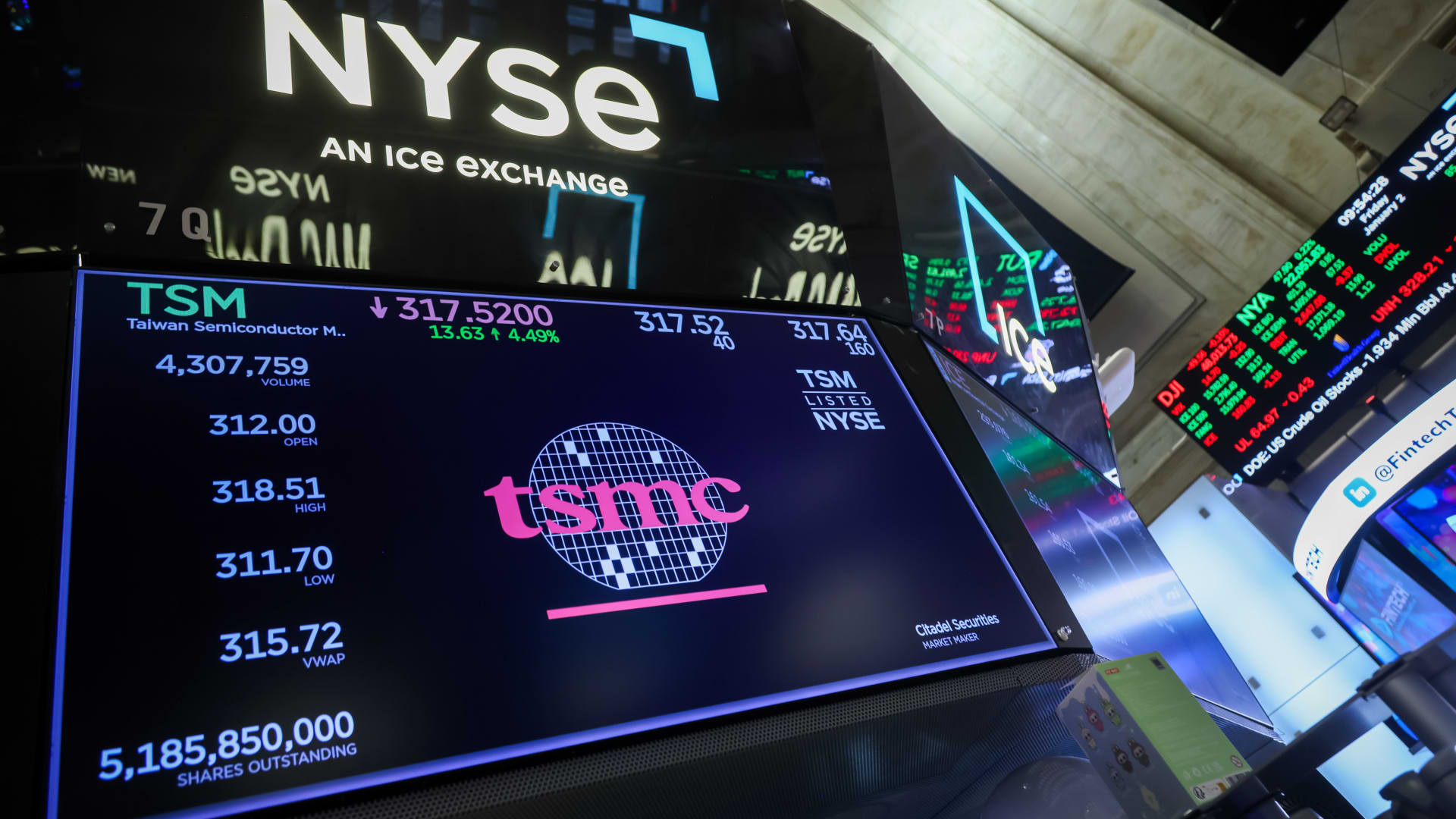
- TSMC Profit Surge: TSMC reported a 58% year-over-year profit increase, despite facing challenges with shortages of industrial gases; management noted a 'little bit softer' memory pricing, indicating ongoing demand and competitive pressures in advanced chip manufacturing that could impact future profitability.
- J.B. Hunt Transport Services: J.B. Hunt indicated the start of a new cycle with positive demand signals, reporting a first-quarter earnings beat and a 1% premarket share increase, reflecting potential growth opportunities in the transportation sector.
- Analyst Rating Changes: JPMorgan downgraded Corning to hold and cut its price target from $175 to $115, citing the need for greater earnings visibility to support stock upside, indicating a cautious market outlook on the company's future performance.

Thoroughbred Association Warns Against Prediction Markets for Horse Racing

- Legal Compliance Warning: The National Thoroughbred Racing Association has publicly warned that prediction markets should not offer bets on the Kentucky Derby or any other horse races in the U.S., arguing that such activities violate federal law and undermine the regulated pari-mutuel system, highlighting the importance of legal compliance.
- Industry Impact Analysis: NTRA CEO Tom Rooney emphasized that wagering on horse racing is governed by the Interstate Horseracing Act of 1978, not federal commodities laws, and any contracts bypassing this act would conflict with public interest, potentially leading to industry chaos.
- Revenue Diversion Risk: Allowing prediction markets like Polymarket and Kalshi to take Derby-related bets could significantly divert betting revenue away from the traditional pari-mutuel system, impacting racetracks, horsemen, and state tax streams, which rely on this income.
- Derby Week Betting Data: Last year, total Derby Day wagering reached $349 million, and total Derby Week handle hit $473.9 million, both all-time highs, demonstrating the significant economic impact of the event on related businesses such as Churchill Downs Incorporated.
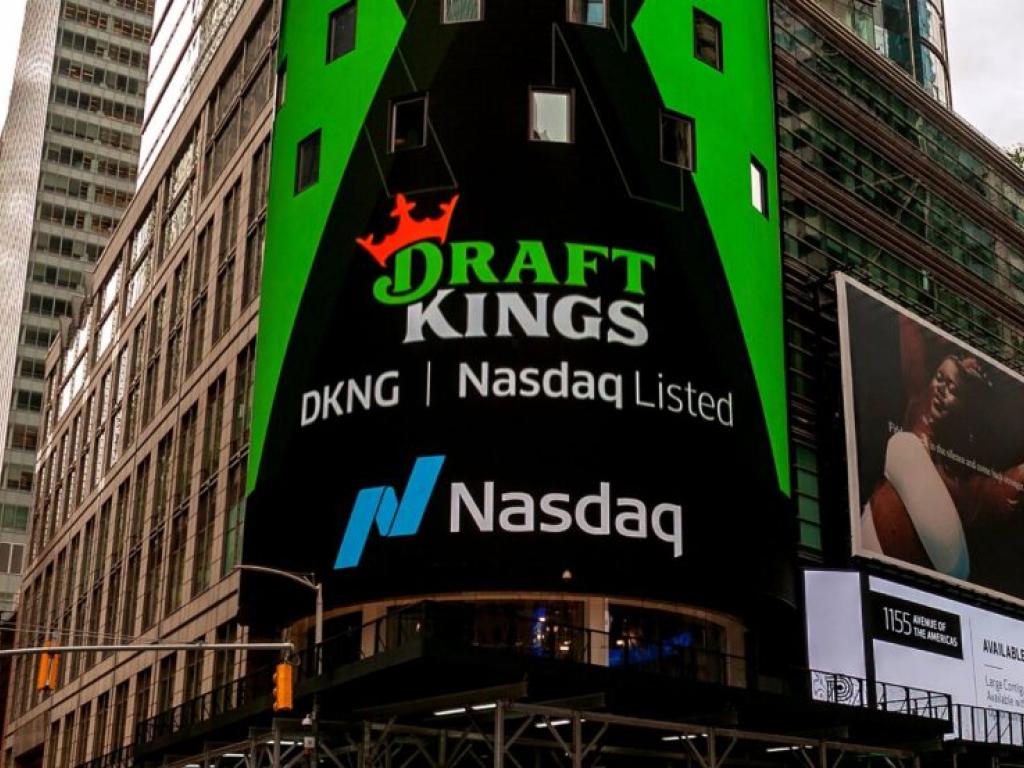
DRAFTKINGS INC: BARCLAYS LOWERS TARGET PRICE FROM $37 TO $33
- Barclays Adjusts Price Target: Barclays has reduced its price target for a specific stock from $37 to $33.
- Market Implications: This adjustment may reflect changing market conditions or company performance expectations.

E.l.f. Beauty and RH Brand Expansion Opportunities


- E.l.f. Beauty Growth Potential: E.l.f. Beauty's acquisition of celebrity Hailey Bieber's Rhode brand is expected to drive sales growth, with Rhode generating over $200 million in annual sales, allowing E.l.f. to leverage its influencer marketing strategy to expand product lines and distribution channels.
- DraftKings Market Competition: DraftKings faces threats from prediction markets; however, the company has launched a new super app integrating sports betting, online gaming, and prediction markets, with EBITDA margins projected to rise from 10% last year to 30% by 2030, indicating strong profitability growth potential.
- RH Brand Expansion Strategy: RH has introduced a new brand, RH Estates, aimed at catering to the luxury home market, which is expected to become its largest growth and highest-margin business in the future, as the company actively expands into international markets despite challenges in the furniture industry.
- Consumer Stock Investment Opportunities: Despite economic fluctuations impacting consumer stocks, several stocks have dropped nearly 50%, including E.l.f. Beauty and DraftKings, presenting investors with opportunities to seek long-term investments and capture potential market rebounds.

Consumer Stocks Down 50% Present Attractive Buying Opportunities
- E.l.f. Beauty Acquisition: E.l.f. Beauty's acquisition of Hailey Bieber's Rhode brand, which has over $200 million in annual sales, is expected to drive strong growth through influencer marketing and product portfolio expansion, further solidifying its position in the mass cosmetics market.
- DraftKings Market Response: DraftKings has launched a super app that integrates sports betting, online gaming, and prediction markets, and despite facing competition from prediction markets, it anticipates EBITDA margins will rise from 10% to 30% by 2030, indicating significant future profitability potential.
- RH Furniture Expansion: RH has achieved revenue growth in the furniture sector despite tariffs and market challenges, turning free cash flow positive last year, and plans to expand its luxury furniture market with the introduction of the RH Estates brand, which is expected to become its largest growth and highest-margin business.
- Market Timing Opportunity: With consumer stocks down over 50%, investors can find long-term investment opportunities in companies like E.l.f., DraftKings, and RH, leveraging their potential for market recovery and growth prospects.
DraftKings Plans Online Betting Launch in Alberta, Canada
- Market Expansion Plan: DraftKings (DKNG) intends to launch its online sports betting and casino products in Alberta on the anticipated universal launch date of July 13, contingent on obtaining necessary licensing and regulatory approvals, thereby increasing its operational provinces in Canada to two and expanding its market reach.
- North American Market Positioning: Alberta will become the 34th jurisdiction in North America where DraftKings offers online sports betting and the seventh with online casino services, highlighting the company's strategic positioning in the rapidly growing online gambling market.
- Population Advantage: With a population of over 5 million, Alberta represents a larger market than Los Angeles and is close in size to Colorado, providing DraftKings with a significant customer base that is expected to drive user growth and revenue enhancement.
- World Cup Opportunity: DraftKings VP Greg Karamitis noted that the anticipated launch aligns with the World Cup hosted in North America, presenting an exciting opportunity for sports fans in Alberta to engage with their platform, thereby enhancing market appeal.
U.S. Stocks Edge Up as PepsiCo and TSMC Shine
- PepsiCo's Quarter Performance: PepsiCo achieved its first volume growth in North American food business in two years, with CEO Ramon Laguarta addressing the industry's threat from GLP-1 weight-loss drugs, leading to a 1% rise in shares, demonstrating the company's resilience and adaptability in a competitive consumer goods market.
- TSMC Profit Surge: TSMC reported a 58% year-over-year profit increase, despite facing challenges with shortages of industrial gases; management noted a 'little bit softer' memory pricing, indicating ongoing demand and competitive pressures in advanced chip manufacturing that could impact future profitability.
- J.B. Hunt Transport Services: J.B. Hunt indicated the start of a new cycle with positive demand signals, reporting a first-quarter earnings beat and a 1% premarket share increase, reflecting potential growth opportunities in the transportation sector.
- Analyst Rating Changes: JPMorgan downgraded Corning to hold and cut its price target from $175 to $115, citing the need for greater earnings visibility to support stock upside, indicating a cautious market outlook on the company's future performance.
Thoroughbred Association Warns Against Prediction Markets for Horse Racing
- Legal Compliance Warning: The National Thoroughbred Racing Association has publicly warned that prediction markets should not offer bets on the Kentucky Derby or any other horse races in the U.S., arguing that such activities violate federal law and undermine the regulated pari-mutuel system, highlighting the importance of legal compliance.
- Industry Impact Analysis: NTRA CEO Tom Rooney emphasized that wagering on horse racing is governed by the Interstate Horseracing Act of 1978, not federal commodities laws, and any contracts bypassing this act would conflict with public interest, potentially leading to industry chaos.
- Revenue Diversion Risk: Allowing prediction markets like Polymarket and Kalshi to take Derby-related bets could significantly divert betting revenue away from the traditional pari-mutuel system, impacting racetracks, horsemen, and state tax streams, which rely on this income.
- Derby Week Betting Data: Last year, total Derby Day wagering reached $349 million, and total Derby Week handle hit $473.9 million, both all-time highs, demonstrating the significant economic impact of the event on related businesses such as Churchill Downs Incorporated.
DRAFTKINGS INC: BARCLAYS LOWERS TARGET PRICE FROM $37 TO $33
- Barclays Adjusts Price Target: Barclays has reduced its price target for a specific stock from $37 to $33.
- Market Implications: This adjustment may reflect changing market conditions or company performance expectations.
E.l.f. Beauty and RH Brand Expansion Opportunities
- E.l.f. Beauty Growth Potential: E.l.f. Beauty's acquisition of celebrity Hailey Bieber's Rhode brand is expected to drive sales growth, with Rhode generating over $200 million in annual sales, allowing E.l.f. to leverage its influencer marketing strategy to expand product lines and distribution channels.
- DraftKings Market Competition: DraftKings faces threats from prediction markets; however, the company has launched a new super app integrating sports betting, online gaming, and prediction markets, with EBITDA margins projected to rise from 10% last year to 30% by 2030, indicating strong profitability growth potential.
- RH Brand Expansion Strategy: RH has introduced a new brand, RH Estates, aimed at catering to the luxury home market, which is expected to become its largest growth and highest-margin business in the future, as the company actively expands into international markets despite challenges in the furniture industry.
- Consumer Stock Investment Opportunities: Despite economic fluctuations impacting consumer stocks, several stocks have dropped nearly 50%, including E.l.f. Beauty and DraftKings, presenting investors with opportunities to seek long-term investments and capture potential market rebounds.
Consumer Stocks Down 50% Present Attractive Buying Opportunities
- E.l.f. Beauty Acquisition: E.l.f. Beauty's acquisition of Hailey Bieber's Rhode brand, which has over $200 million in annual sales, is expected to drive strong growth through influencer marketing and product portfolio expansion, further solidifying its position in the mass cosmetics market.
- DraftKings Market Response: DraftKings has launched a super app that integrates sports betting, online gaming, and prediction markets, and despite facing competition from prediction markets, it anticipates EBITDA margins will rise from 10% to 30% by 2030, indicating significant future profitability potential.
- RH Furniture Expansion: RH has achieved revenue growth in the furniture sector despite tariffs and market challenges, turning free cash flow positive last year, and plans to expand its luxury furniture market with the introduction of the RH Estates brand, which is expected to become its largest growth and highest-margin business.
- Market Timing Opportunity: With consumer stocks down over 50%, investors can find long-term investment opportunities in companies like E.l.f., DraftKings, and RH, leveraging their potential for market recovery and growth prospects.