Foxconn Expands Collaboration with NVIDIA for Robotaxi Development
Written by Emily J. Thompson, Senior Investment Analyst
Updated: 40 minutes ago
0mins
Source: Newsfilter
- Strategic Collaboration Expansion: Foxconn is expanding its partnership with NVIDIA to develop and deploy level 4 robotaxi fleets in Taiwan, starting in Kaohsiung, with a planned launch in 2028, highlighting Taiwan's significant role in the global autonomous mobility ecosystem.
- Technology Platform Integration: NVIDIA's DRIVE Hyperion platform provides the global transportation industry with a safe and scalable level 4-ready foundation, combining high-performance computing and multimodal sensors to facilitate the commercialization of autonomous driving technology.
- Market Expansion Plans: VinFast is collaborating with Autobrains to introduce level 4 vehicles built on NVIDIA DRIVE Hyperion to the Southeast Asian market, aiming to achieve affordable autonomous driving solutions through technological partnerships that address the region's dynamic traffic environments.
- Global Footprint: Uber is set to launch a robotaxi program in Europe based on NVIDIA DRIVE Hyperion, further expanding its influence in the global ride-hailing network, leveraging Autobrains' AI technology to enhance the scalability of level 4 autonomous driving.
Trade with 70% Backtested Accuracy
Stop guessing "Should I Buy NVDA?" and start using high-conviction signals backed by rigorous historical data.
Sign up today to access powerful investing tools and make smarter, data-driven decisions.
Analyst Views on NVDA
Wall Street analysts forecast NVDA stock price to rise
41 Analyst Rating
39 Buy
1 Hold
1 Sell
Strong Buy
Current: 214.250

Low
200.00
Averages
264.97
High
352.00
Current: 214.250
Low
200.00
Averages
264.97
High
352.00
About NVDA
NVIDIA Corporation is an artificial intelligence (AI) infrastructure company. The Company is engaged in accelerated computing to help solve the challenging computational problems. Its segments include Compute & Networking and Graphics. The Compute & Networking segment includes its Data Center accelerated computing and networking platforms and AI solutions and software, and automotive platforms and autonomous and electric vehicle solutions, including software. The Graphics segment includes GeForce GPUs for gaming and personal computers (PCs), and Quadro/NVIDIA RTX GPUs for enterprise workstation graphics. Its technology stack includes the foundational NVIDIA CUDA development platform that runs on all NVIDIA GPUs, as well as hundreds of domain-specific software libraries, frameworks, algorithms, software development kits (SDKs), and application programming interfaces (APIs). Its platforms address four markets, which include Data Center, Gaming, Professional Visualization, and Automotive.
About the author

Emily J. Thompson
Emily J. Thompson, a Chartered Financial Analyst (CFA) with 12 years in investment research, graduated with honors from the Wharton School. Specializing in industrial and technology stocks, she provides in-depth analysis for Intellectia’s earnings and market brief reports.

NVIDIA Launches DSX Platform to Redefine AI Factories

- Platform Innovation: NVIDIA's launch of the DSX platform integrates open-source and modular software, providing a comprehensive playbook for AI factory design, deployment, and operations, aimed at accelerating production and enhancing overall operational efficiency by reducing token costs.
- New Software Release: The DSX MaxLPS software combines 45-degree liquid cooling with in-rack optimization technologies, enabling a 40% increase in token performance within a fixed power budget, significantly lowering operational costs and improving GPU utilization.
- Ecosystem Expansion: NVIDIA is partnering with leading Taiwanese system manufacturers to drive the development of the DSX ecosystem, ensuring extreme co-design for AI factories, facilitating rapid deployment and operation on a global scale.
- Market Responsiveness: The introduction of the DSX platform allows infrastructure builders to simulate the entire factory before investment, validating performance to reduce risk and enhance market responsiveness, further solidifying NVIDIA's leadership position in the AI sector.
See More

Uber and Autobrains Launch Robotaxi Program in Munich

- Strategic Collaboration: Uber and Autobrains announced a partnership on Monday to launch a robotaxi program in Munich, integrating Uber's ride-hailing platform with Autobrains' autonomous driving intelligence, marking a significant advancement in the autonomous driving sector.
- Technological Integration: The project will leverage Nvidia Drive's level 4 Hyperion platform to support scalable autonomous mobility, expected to enhance Uber's competitiveness in the commercial ride-hailing market and drive technological advancements in the industry.
- Market Expansion Potential: Munich will serve as the first deployment city for the robotaxi program, establishing an OEM-agnostic model aimed at scaling autonomous ride-hailing across various vehicle platforms and urban markets.
- Regulatory Approval Outlook: The implementation of this plan is pending regulatory approval, and successful deployment will lay the groundwork for Uber to promote autonomous ride-hailing services globally, further strengthening its market position.
See More

Corporate Earnings Disconnected from Economic Reality

- Earnings Beat Expectations: Approximately 84% of S&P 500 companies exceeded analysts' earnings-per-share (EPS) estimates in Q1, showcasing their success in cost control and efficiency improvements despite a challenging economic backdrop.
- Cost Protection Measures: Many large corporations have implemented cost-cutting, automation, and streamlined supply chains over the past few years to protect margins, and these measures have persisted even as inflation moderated, enhancing their resilience against economic pressures.
- Consumer Spending Resilience: While consumer spending has slowed, U.S. retail sales still exceeded $757 billion in April, with unemployment remaining at 4.3%, indicating that consumers continue to spend on travel, entertainment, and technology, supporting certain sectors of the economy.
- Strong Tech Performance: Major tech companies like Microsoft and Nvidia continue to benefit from AI-related spending and cloud infrastructure demand, with Microsoft reporting an 18% revenue growth, significantly impacting overall S&P 500 earnings results.
See More

Corporate Earnings Show Disconnect from Economic Reality
- Earnings Growth Drivers: Despite a challenging economic environment, 84% of S&P 500 companies exceeded analysts' earnings expectations in Q1, showcasing their success in cost-cutting and efficiency improvements, indicating a significant enhancement in large corporations' ability to protect margins.
- Consumer Spending Resilience: Although consumer spending has slowed, U.S. retail sales still exceeded $757 billion in April, with unemployment remaining low at 4.3%, indicating that consumers continue to spend actively on travel, entertainment, and technology, supporting profitability in related sectors.
- Tech-Driven Growth: Major tech companies like Microsoft and Nvidia benefit from AI-related spending and cloud infrastructure demand, with Microsoft reporting an 18% revenue growth and Nvidia's data center revenue nearly doubling year-over-year, highlighting the tech sector's importance in overall earnings results.
- Economic Outlook Uncertainty: While the current earnings season shows strong performance, economic activity remains weak, with a sluggish housing market and high borrowing costs, suggesting that the gap between corporate earnings and the broader economy may narrow in the future, especially if consumer spending weakens further.
See More
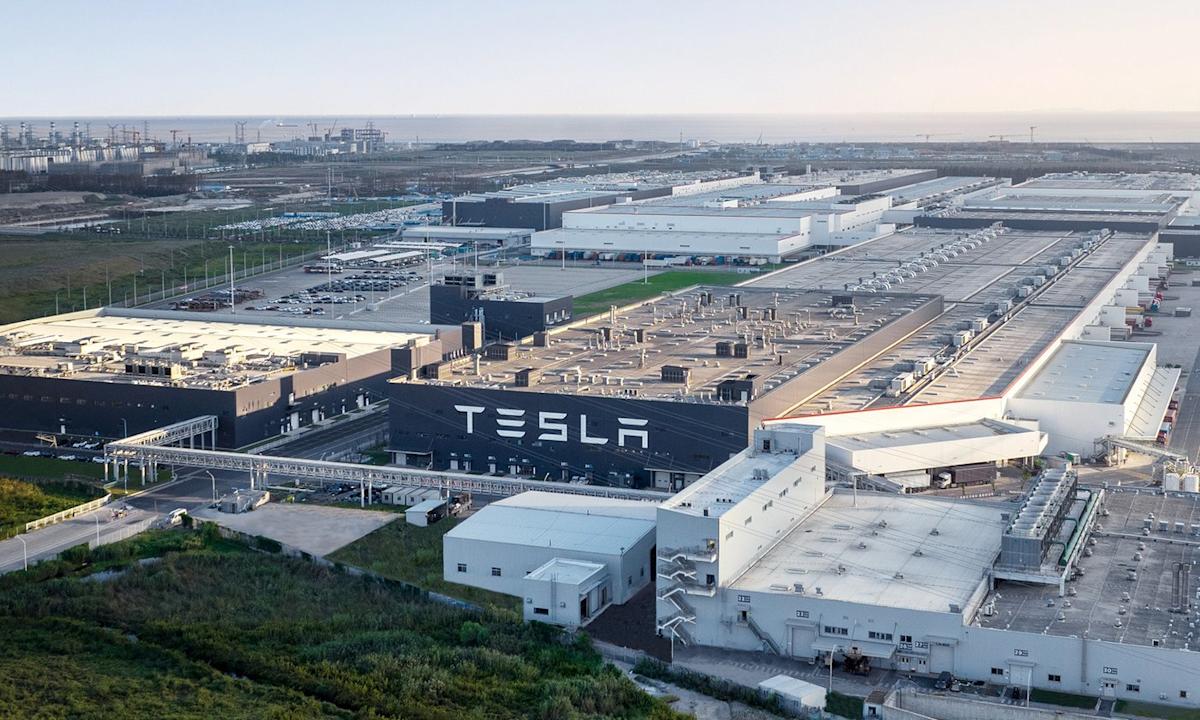
Analysis of the Pros and Cons of a Tesla-SpaceX Merger

- Potential Merger Benefits: A merger between Tesla and SpaceX could enhance supply chain security by jointly developing the Terafab semiconductor manufacturing plant, thereby reducing reliance on Asian foundries and strengthening both companies' competitiveness in the EV and AI sectors.
- Investor Concerns: The merger may contradict current industrial trends where many large companies opt to split for market focus, and Tesla investors prefer the company to concentrate on long-term gains from robotaxis and full self-driving software.
- Independence in Financing: Tesla does not need to rely on a merger with SpaceX for funding, as future robotaxi revenues are expected to sufficiently support its investment plans, and a merger could tie shareholders to SpaceX's massive capital expenditures.
- Future Development Outlook: Tesla investors are more likely to prefer the company to execute on plans for scaling up robotaxi rollouts and commercial production of Optimus in 2026, rather than diluting the impact of these significant events through a merger.
See More

Runway Expands to London as New European HQ


- Major Investment Plan: Runway plans to invest over $200 million into the U.K. AI ecosystem by the end of 2028, demonstrating strong confidence in the London market and commitment to future growth.
- New Headquarters Establishment: By making London its new European headquarters, Runway aims to be closer to major clients like BBC, Fremantle, and WPP, thereby enhancing collaboration and driving business growth.
- Talent Attraction: The co-founder of Runway emphasized London's exceptional talent pool, making it an ideal location for expansion, with expectations to further grow across Europe and enhance the company's global competitiveness.
- Industry Impact: Runway's new London hub will drive pioneering research in world models, facilitating breakthroughs across industries such as film, gaming, science, and robotics, further solidifying London’s position as a global AI innovation center.
See More
NVIDIA Launches DSX Platform to Redefine AI Factories
- Platform Innovation: NVIDIA's launch of the DSX platform integrates open-source and modular software, providing a comprehensive playbook for AI factory design, deployment, and operations, aimed at accelerating production and enhancing overall operational efficiency by reducing token costs.
- New Software Release: The DSX MaxLPS software combines 45-degree liquid cooling with in-rack optimization technologies, enabling a 40% increase in token performance within a fixed power budget, significantly lowering operational costs and improving GPU utilization.
- Ecosystem Expansion: NVIDIA is partnering with leading Taiwanese system manufacturers to drive the development of the DSX ecosystem, ensuring extreme co-design for AI factories, facilitating rapid deployment and operation on a global scale.
- Market Responsiveness: The introduction of the DSX platform allows infrastructure builders to simulate the entire factory before investment, validating performance to reduce risk and enhance market responsiveness, further solidifying NVIDIA's leadership position in the AI sector.
See More
Uber and Autobrains Launch Robotaxi Program in Munich
- Strategic Collaboration: Uber and Autobrains announced a partnership on Monday to launch a robotaxi program in Munich, integrating Uber's ride-hailing platform with Autobrains' autonomous driving intelligence, marking a significant advancement in the autonomous driving sector.
- Technological Integration: The project will leverage Nvidia Drive's level 4 Hyperion platform to support scalable autonomous mobility, expected to enhance Uber's competitiveness in the commercial ride-hailing market and drive technological advancements in the industry.
- Market Expansion Potential: Munich will serve as the first deployment city for the robotaxi program, establishing an OEM-agnostic model aimed at scaling autonomous ride-hailing across various vehicle platforms and urban markets.
- Regulatory Approval Outlook: The implementation of this plan is pending regulatory approval, and successful deployment will lay the groundwork for Uber to promote autonomous ride-hailing services globally, further strengthening its market position.
See More
Corporate Earnings Disconnected from Economic Reality
- Earnings Beat Expectations: Approximately 84% of S&P 500 companies exceeded analysts' earnings-per-share (EPS) estimates in Q1, showcasing their success in cost control and efficiency improvements despite a challenging economic backdrop.
- Cost Protection Measures: Many large corporations have implemented cost-cutting, automation, and streamlined supply chains over the past few years to protect margins, and these measures have persisted even as inflation moderated, enhancing their resilience against economic pressures.
- Consumer Spending Resilience: While consumer spending has slowed, U.S. retail sales still exceeded $757 billion in April, with unemployment remaining at 4.3%, indicating that consumers continue to spend on travel, entertainment, and technology, supporting certain sectors of the economy.
- Strong Tech Performance: Major tech companies like Microsoft and Nvidia continue to benefit from AI-related spending and cloud infrastructure demand, with Microsoft reporting an 18% revenue growth, significantly impacting overall S&P 500 earnings results.
See More
Corporate Earnings Show Disconnect from Economic Reality
- Earnings Growth Drivers: Despite a challenging economic environment, 84% of S&P 500 companies exceeded analysts' earnings expectations in Q1, showcasing their success in cost-cutting and efficiency improvements, indicating a significant enhancement in large corporations' ability to protect margins.
- Consumer Spending Resilience: Although consumer spending has slowed, U.S. retail sales still exceeded $757 billion in April, with unemployment remaining low at 4.3%, indicating that consumers continue to spend actively on travel, entertainment, and technology, supporting profitability in related sectors.
- Tech-Driven Growth: Major tech companies like Microsoft and Nvidia benefit from AI-related spending and cloud infrastructure demand, with Microsoft reporting an 18% revenue growth and Nvidia's data center revenue nearly doubling year-over-year, highlighting the tech sector's importance in overall earnings results.
- Economic Outlook Uncertainty: While the current earnings season shows strong performance, economic activity remains weak, with a sluggish housing market and high borrowing costs, suggesting that the gap between corporate earnings and the broader economy may narrow in the future, especially if consumer spending weakens further.
See More
Analysis of the Pros and Cons of a Tesla-SpaceX Merger
- Potential Merger Benefits: A merger between Tesla and SpaceX could enhance supply chain security by jointly developing the Terafab semiconductor manufacturing plant, thereby reducing reliance on Asian foundries and strengthening both companies' competitiveness in the EV and AI sectors.
- Investor Concerns: The merger may contradict current industrial trends where many large companies opt to split for market focus, and Tesla investors prefer the company to concentrate on long-term gains from robotaxis and full self-driving software.
- Independence in Financing: Tesla does not need to rely on a merger with SpaceX for funding, as future robotaxi revenues are expected to sufficiently support its investment plans, and a merger could tie shareholders to SpaceX's massive capital expenditures.
- Future Development Outlook: Tesla investors are more likely to prefer the company to execute on plans for scaling up robotaxi rollouts and commercial production of Optimus in 2026, rather than diluting the impact of these significant events through a merger.
See More
Runway Expands to London as New European HQ
- Major Investment Plan: Runway plans to invest over $200 million into the U.K. AI ecosystem by the end of 2028, demonstrating strong confidence in the London market and commitment to future growth.
- New Headquarters Establishment: By making London its new European headquarters, Runway aims to be closer to major clients like BBC, Fremantle, and WPP, thereby enhancing collaboration and driving business growth.
- Talent Attraction: The co-founder of Runway emphasized London's exceptional talent pool, making it an ideal location for expansion, with expectations to further grow across Europe and enhance the company's global competitiveness.
- Industry Impact: Runway's new London hub will drive pioneering research in world models, facilitating breakthroughs across industries such as film, gaming, science, and robotics, further solidifying London’s position as a global AI innovation center.
See More