

Ford Upgrades to Overweight as $19.5B EV Asset Write-Down Refocuses Strategy
Written by Emily J. Thompson, Senior Investment Analyst
Updated: Jan 09 2026
0mins

Source: Benzinga
- EV Strategy Shift: Ford's decision to partner with Renault and write down $19.5 billion in EV assets is seen as a strategic refocus on its most profitable segments, which could enhance overall profitability.
- Rating Upgrade: Piper Sandler analyst Alexander Potter upgraded Ford's rating from Neutral to Overweight while raising the price target from $11 to $16, reflecting an optimistic outlook on the company's future profitability.
- Earnings Forecast Increase: The analyst expects Ford to achieve earnings of $1.95 per share, surpassing the market consensus of $1.77 per share, indicating potential in reducing warranty spending and optimizing product mix.
- Stock Price Movement: Although Ford's shares declined by 0.94% to $14.26 at publication, the analyst's positive rating could drive a rebound in stock price, boosting investor confidence.
Trade with 70% Backtested Accuracy
Stop guessing "Should I Buy F?" and start using high-conviction signals backed by rigorous historical data.
Sign up today to access powerful investing tools and make smarter, data-driven decisions.
Analyst Views on F
Wall Street analysts forecast F stock price to rise
14 Analyst Rating
3 Buy
10 Hold
1 Sell
Hold
Current: 13.360

Low
11.00
Averages
13.65
High
16.00
Current: 13.360
Low
11.00
Averages
13.65
High
16.00
About F
Ford Motor Company develops and delivers Ford trucks, sport utility vehicles, commercial vans and cars, and Lincoln luxury vehicles, along with connected services, including BlueCruise (ADAS) and security. The Company's segments include Ford Blue, Ford Model e, Ford Pro, and Ford Credit. The Ford Blue segment primarily includes the sale of Ford and Lincoln internal combustion engine (ICE) and hybrid vehicles, service parts, accessories, and digital services for retail customers. The Ford Model e segment primarily includes the sale of its electric vehicles, service parts, accessories, and digital services for retail customers. The Ford Pro segment primarily includes the sale of Ford and Lincoln vehicles, service parts, accessories, and services for commercial, government, and rental customers. The Ford Credit segment consists of the Ford Credit business on a consolidated basis, which is primarily vehicle-related financing and leasing activities. Its vehicle brands are Ford and Lincoln.
About the author

Emily J. Thompson
Emily J. Thompson, a Chartered Financial Analyst (CFA) with 12 years in investment research, graduated with honors from the Wharton School. Specializing in industrial and technology stocks, she provides in-depth analysis for Intellectia’s earnings and market brief reports.
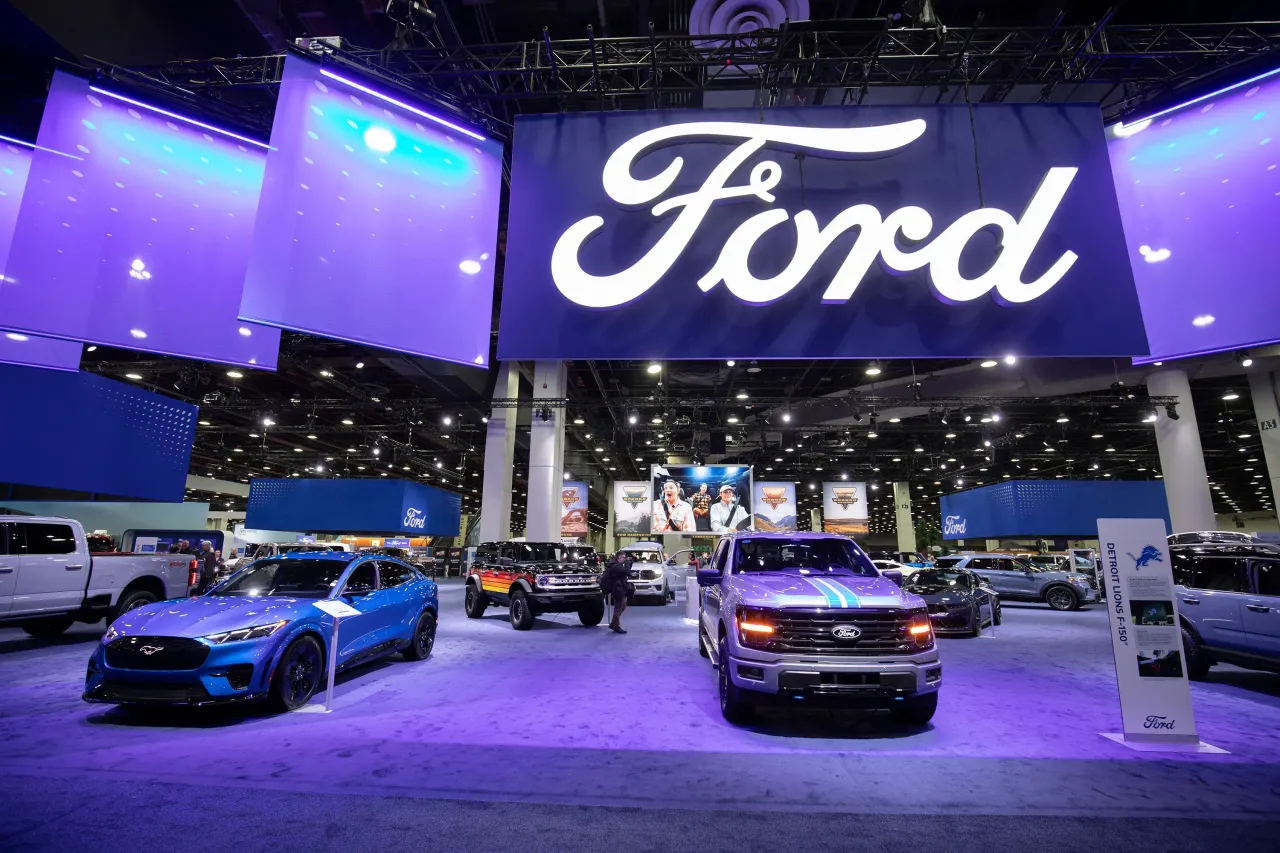
Micron and Ford Sign Long-Term Supply Agreement


- Agreement Signing: Micron and Ford have signed a long-term agreement to ensure a reliable supply of memory and storage solutions for Ford's next-generation vehicles, with Ford CEO Jim Farley emphasizing the need for a strong domestic supply chain to build high-volume vehicles in the U.S.
- Production Capacity Commitment: The pact includes Micron's commitment to expand production capacity to support Ford's manufacturing needs over many years, which will help ensure consistent support for Ford as vehicles become more intelligent and data-heavy.
- Positive Market Reaction: Following the announcement of the agreement, shares of Micron (MU) rose approximately 2% while Ford (F) shares increased by 4%, indicating a positive market response and reflecting investor confidence in future supply chain stability.
- Industry Context Analysis: Amid a shortage of memory chips driven by explosive demand from artificial intelligence, this agreement provides greater supply certainty for automakers like Ford and GM, helping them mitigate the impacts of past semiconductor shortages on production.
See More
IBM's Price Target Increase Drives Stock Surge


- IBM Price Target Increase: Bank of America raised IBM's price target from $315 to $330, anticipating a modest increase in the company's F26 guidance, which propelled the stock up over 3%, reflecting market optimism about IBM's future performance.
- O'Reilly Acquisition Moves: O'Reilly Automotive's shares fell more than 7% as it plans a cash bid for Genuine Parts' auto parts business, although D.A. Davidson reiterated a buy rating with a $114 price target, indicating cautious market sentiment regarding the potential benefits of the deal.
- Semiconductor Stocks Surge: Goldman Sachs lifted its 12-month price targets for Teradyne and AMD to $465 and $640 respectively, leading to stock increases of 4% and nearly 8%, highlighting strong demand and growth expectations in the semiconductor sector.
- Micron and Ford Partnership: Micron Technology's stock rose nearly 3% after announcing a long-term agreement with Ford to supply memory and storage platforms for next-gen vehicles, showcasing strategic collaboration potential in the electric vehicle market.
See More

Micron Signs Long-Term Strategic Agreement with Ford
- Strategic Customer Agreement: Micron Technology has signed a long-term Strategic Customer Agreement with Ford to supply memory and storage solutions, which is expected to enhance Micron's market share in the automotive sector and solidify its position in the rapidly growing smart vehicle market.
- Capacity Expansion: Micron is expanding its advanced DRAM production capabilities at its Manassas, Virginia facility to meet the increasing demand for memory in the automotive industry, which is anticipated to boost overall production capacity and reduce costs, thereby enhancing competitiveness.
- Positive Market Reaction: Micron's shares rose approximately 4% in premarket trading, indicating a positive investor response to the agreement, while Ford's stock also saw a slight increase, reflecting market optimism about the prospects of the collaboration.
- Long-Term Collaboration Outlook: Micron's CEO stated that as vehicles become more intelligent and data-intensive, the long-term supply of memory and storage solutions becomes increasingly critical, and this partnership will provide ongoing support for Ford's next-generation vehicle production, likely driving Micron's future business growth.
See More

Ferrari's Luce Unveiling Leads to Stock Sell-Off

- First EV Launch: Following the unveiling of its first full electric vehicle, the Luce, Ferrari's stock dropped 6% on launch day; however, CEO Benedetto Vigna confirmed that orders extend to the end of 2027, indicating strong market demand for the new model.
- Positive Chinese Market Response: The Luce, priced at approximately $586,000 in China, sold out its entire allocation immediately, suggesting high acceptance of Ferrari's electric vehicle in this market, despite negative online feedback.
- Market Recovery Signs: Although the stock fell on the day of the launch, it rebounded over 10% in the following trading days, reflecting investor confidence in the Luce's future performance, a phenomenon that has historical precedent.
- Resilience in Luxury Market: Ferrari's operating margins significantly exceed those of its competitors, highlighting its resilience against economic downturns and industry cyclicality, continuing to attract attention from high-end consumers.
See More
Ferrari's Luce Electric Vehicle Launch Sparks Controversy
- Strong Market Reaction: Following the May launch of Ferrari's first all-electric vehicle, the Luce, despite facing design controversies and negative online feedback, CEO Benedetto Vigna confirmed that orders are extending into 2027, indicating strong demand and trust in the Ferrari brand among customers.
- Sales Surge in China: With a starting price of approximately $586,000, all allocations of the Luce were sold out immediately in China, and although there are reports that Ferrari may still be accepting orders, this reflects the strong demand for high-end electric vehicles and the allure of the Ferrari brand in that market.
- Stock Price Analysis: While Ferrari's stock dropped 6% on the day of the Luce's unveiling, it rebounded over 10% in subsequent trading days, demonstrating investor confidence in the company's future prospects, particularly in the transition to electric vehicles.
- Lessons from History: Ferrari's shift to electric vehicles mirrors successful transitions seen with Ford and Lamborghini, where initial backlash did not hinder long-term success, suggesting that investors should focus on Ferrari's growth potential in the evolving automotive landscape.
See More

Ford Transitions to Battery Energy Storage Systems

- Ford's Battery Storage Transition: Ford Motor Company is repurposing its Kentucky manufacturing facility to produce 20 GWh of battery energy storage systems, aiming for first deliveries by late 2027, which will enhance its competitive position in the battery market while addressing the energy needs of data centers and utilities.
- FuelCell Energy Sales Surge: FuelCell Energy's sales pipeline is 90% related to data centers, with a 267% increase in the second quarter compared to the first, indicating a positive impact from the AI spending supercycle, although the company still faces operational losses and shareholder equity dilution risks.
- Fluence Partners with Nvidia: Fluence Energy has partnered with Nvidia to integrate its battery storage systems into Nvidia's AI factories, providing quick-to-deploy system management that aims to enhance power supply efficiency for data centers, despite increasing market competition, the partnership with Nvidia presents significant growth potential.
- Surge in AI Infrastructure Investment: Global hyperscale data centers are set to invest up to $700 billion in infrastructure in 2023, driving demand for battery storage and clean energy solutions, with companies like Ford and FuelCell Energy actively seeking to establish a foothold in this rapidly growing market.
See More
Micron and Ford Sign Long-Term Supply Agreement
- Agreement Signing: Micron and Ford have signed a long-term agreement to ensure a reliable supply of memory and storage solutions for Ford's next-generation vehicles, with Ford CEO Jim Farley emphasizing the need for a strong domestic supply chain to build high-volume vehicles in the U.S.
- Production Capacity Commitment: The pact includes Micron's commitment to expand production capacity to support Ford's manufacturing needs over many years, which will help ensure consistent support for Ford as vehicles become more intelligent and data-heavy.
- Positive Market Reaction: Following the announcement of the agreement, shares of Micron (MU) rose approximately 2% while Ford (F) shares increased by 4%, indicating a positive market response and reflecting investor confidence in future supply chain stability.
- Industry Context Analysis: Amid a shortage of memory chips driven by explosive demand from artificial intelligence, this agreement provides greater supply certainty for automakers like Ford and GM, helping them mitigate the impacts of past semiconductor shortages on production.
See More
IBM's Price Target Increase Drives Stock Surge
- IBM Price Target Increase: Bank of America raised IBM's price target from $315 to $330, anticipating a modest increase in the company's F26 guidance, which propelled the stock up over 3%, reflecting market optimism about IBM's future performance.
- O'Reilly Acquisition Moves: O'Reilly Automotive's shares fell more than 7% as it plans a cash bid for Genuine Parts' auto parts business, although D.A. Davidson reiterated a buy rating with a $114 price target, indicating cautious market sentiment regarding the potential benefits of the deal.
- Semiconductor Stocks Surge: Goldman Sachs lifted its 12-month price targets for Teradyne and AMD to $465 and $640 respectively, leading to stock increases of 4% and nearly 8%, highlighting strong demand and growth expectations in the semiconductor sector.
- Micron and Ford Partnership: Micron Technology's stock rose nearly 3% after announcing a long-term agreement with Ford to supply memory and storage platforms for next-gen vehicles, showcasing strategic collaboration potential in the electric vehicle market.
See More
Micron Signs Long-Term Strategic Agreement with Ford
- Strategic Customer Agreement: Micron Technology has signed a long-term Strategic Customer Agreement with Ford to supply memory and storage solutions, which is expected to enhance Micron's market share in the automotive sector and solidify its position in the rapidly growing smart vehicle market.
- Capacity Expansion: Micron is expanding its advanced DRAM production capabilities at its Manassas, Virginia facility to meet the increasing demand for memory in the automotive industry, which is anticipated to boost overall production capacity and reduce costs, thereby enhancing competitiveness.
- Positive Market Reaction: Micron's shares rose approximately 4% in premarket trading, indicating a positive investor response to the agreement, while Ford's stock also saw a slight increase, reflecting market optimism about the prospects of the collaboration.
- Long-Term Collaboration Outlook: Micron's CEO stated that as vehicles become more intelligent and data-intensive, the long-term supply of memory and storage solutions becomes increasingly critical, and this partnership will provide ongoing support for Ford's next-generation vehicle production, likely driving Micron's future business growth.
See More
Ferrari's Luce Unveiling Leads to Stock Sell-Off
- First EV Launch: Following the unveiling of its first full electric vehicle, the Luce, Ferrari's stock dropped 6% on launch day; however, CEO Benedetto Vigna confirmed that orders extend to the end of 2027, indicating strong market demand for the new model.
- Positive Chinese Market Response: The Luce, priced at approximately $586,000 in China, sold out its entire allocation immediately, suggesting high acceptance of Ferrari's electric vehicle in this market, despite negative online feedback.
- Market Recovery Signs: Although the stock fell on the day of the launch, it rebounded over 10% in the following trading days, reflecting investor confidence in the Luce's future performance, a phenomenon that has historical precedent.
- Resilience in Luxury Market: Ferrari's operating margins significantly exceed those of its competitors, highlighting its resilience against economic downturns and industry cyclicality, continuing to attract attention from high-end consumers.
See More
Ferrari's Luce Electric Vehicle Launch Sparks Controversy
- Strong Market Reaction: Following the May launch of Ferrari's first all-electric vehicle, the Luce, despite facing design controversies and negative online feedback, CEO Benedetto Vigna confirmed that orders are extending into 2027, indicating strong demand and trust in the Ferrari brand among customers.
- Sales Surge in China: With a starting price of approximately $586,000, all allocations of the Luce were sold out immediately in China, and although there are reports that Ferrari may still be accepting orders, this reflects the strong demand for high-end electric vehicles and the allure of the Ferrari brand in that market.
- Stock Price Analysis: While Ferrari's stock dropped 6% on the day of the Luce's unveiling, it rebounded over 10% in subsequent trading days, demonstrating investor confidence in the company's future prospects, particularly in the transition to electric vehicles.
- Lessons from History: Ferrari's shift to electric vehicles mirrors successful transitions seen with Ford and Lamborghini, where initial backlash did not hinder long-term success, suggesting that investors should focus on Ferrari's growth potential in the evolving automotive landscape.
See More
Ford Transitions to Battery Energy Storage Systems
- Ford's Battery Storage Transition: Ford Motor Company is repurposing its Kentucky manufacturing facility to produce 20 GWh of battery energy storage systems, aiming for first deliveries by late 2027, which will enhance its competitive position in the battery market while addressing the energy needs of data centers and utilities.
- FuelCell Energy Sales Surge: FuelCell Energy's sales pipeline is 90% related to data centers, with a 267% increase in the second quarter compared to the first, indicating a positive impact from the AI spending supercycle, although the company still faces operational losses and shareholder equity dilution risks.
- Fluence Partners with Nvidia: Fluence Energy has partnered with Nvidia to integrate its battery storage systems into Nvidia's AI factories, providing quick-to-deploy system management that aims to enhance power supply efficiency for data centers, despite increasing market competition, the partnership with Nvidia presents significant growth potential.
- Surge in AI Infrastructure Investment: Global hyperscale data centers are set to invest up to $700 billion in infrastructure in 2023, driving demand for battery storage and clean energy solutions, with companies like Ford and FuelCell Energy actively seeking to establish a foothold in this rapidly growing market.
See More





