

Ford Reenters Sedan Market to Meet Consumer Demand
Written by Emily J. Thompson, Senior Investment Analyst
Updated: 1 hour ago
0mins
Source: Fool
- Market Demand Shift: With rising consumer demand for more affordable vehicles, Ford plans to launch five new models priced below $40,000, including a traditional four-door sedan, aiming to re-enter the sedan market to align with market trends.
- Electrification Strategy: The new sedan is likely to be developed on Ford's Universal EV Platform, which will significantly reduce production costs and enhance profitability, enabling Ford to achieve better margins in historically challenging price ranges.
- Profitability Improvement Goals: Ford aims to increase its adjusted EBIT margin to 8% by 2029, up from an expected 3.6% in 2025, indicating the company's strategy to improve financial performance by phasing out less profitable models and scaling up EV production.
- Long-term Investment Outlook: Ford's strategic shift not only addresses the market demand for sedans but also enhances competitiveness by lowering structural costs, which is a positive signal for long-term investors, indicating future profit potential.
Trade with 70% Backtested Accuracy
Stop guessing "Should I Buy F?" and start using high-conviction signals backed by rigorous historical data.
Sign up today to access powerful investing tools and make smarter, data-driven decisions.
Analyst Views on F
Wall Street analysts forecast F stock price to fall
14 Analyst Rating
3 Buy
10 Hold
1 Sell
Hold
Current: 14.950

Low
11.00
Averages
13.65
High
16.00
Current: 14.950
Low
11.00
Averages
13.65
High
16.00
About F
Ford Motor Company develops and delivers Ford trucks, sport utility vehicles, commercial vans and cars, and Lincoln luxury vehicles, along with connected services, including BlueCruise (ADAS) and security. The Company's segments include Ford Blue, Ford Model e, Ford Pro, and Ford Credit. The Ford Blue segment primarily includes the sale of Ford and Lincoln internal combustion engine (ICE) and hybrid vehicles, service parts, accessories, and digital services for retail customers. The Ford Model e segment primarily includes the sale of its electric vehicles, service parts, accessories, and digital services for retail customers. The Ford Pro segment primarily includes the sale of Ford and Lincoln vehicles, service parts, accessories, and services for commercial, government, and rental customers. The Ford Credit segment consists of the Ford Credit business on a consolidated basis, which is primarily vehicle-related financing and leasing activities. Its vehicle brands are Ford and Lincoln.
About the author

Emily J. Thompson
Emily J. Thompson, a Chartered Financial Analyst (CFA) with 12 years in investment research, graduated with honors from the Wharton School. Specializing in industrial and technology stocks, she provides in-depth analysis for Intellectia’s earnings and market brief reports.

Ford's Return to Sedans Amid Affordability Crisis

- Market Demand Shift: With average new car prices in the U.S. nearing $50,000, Ford is re-entering the sedan market by planning to launch five new vehicles priced below $40,000, addressing consumer demand for more affordable options and enhancing market competitiveness.
- Profitability Goals: Ford aims to achieve an adjusted EBIT margin of 8% by 2029, a significant increase from 3.6% in 2025, indicating the company's strategy to phase out less profitable models while leveraging its Universal EV Platform to reduce costs and improve profitability.
- Product Portfolio Adjustment: Ford plans to introduce a traditional four-door sedan, potentially built on its all-electric platform, which not only lowers production costs but also offers more attractive products in a competitive market, further enhancing brand appeal.
- Strategic Investment Focus: Ford's strategic emphasis is on launching more cost-effective electric vehicle models to adapt to market changes, ensuring long-term profitability and market share while meeting consumer demands.
See More
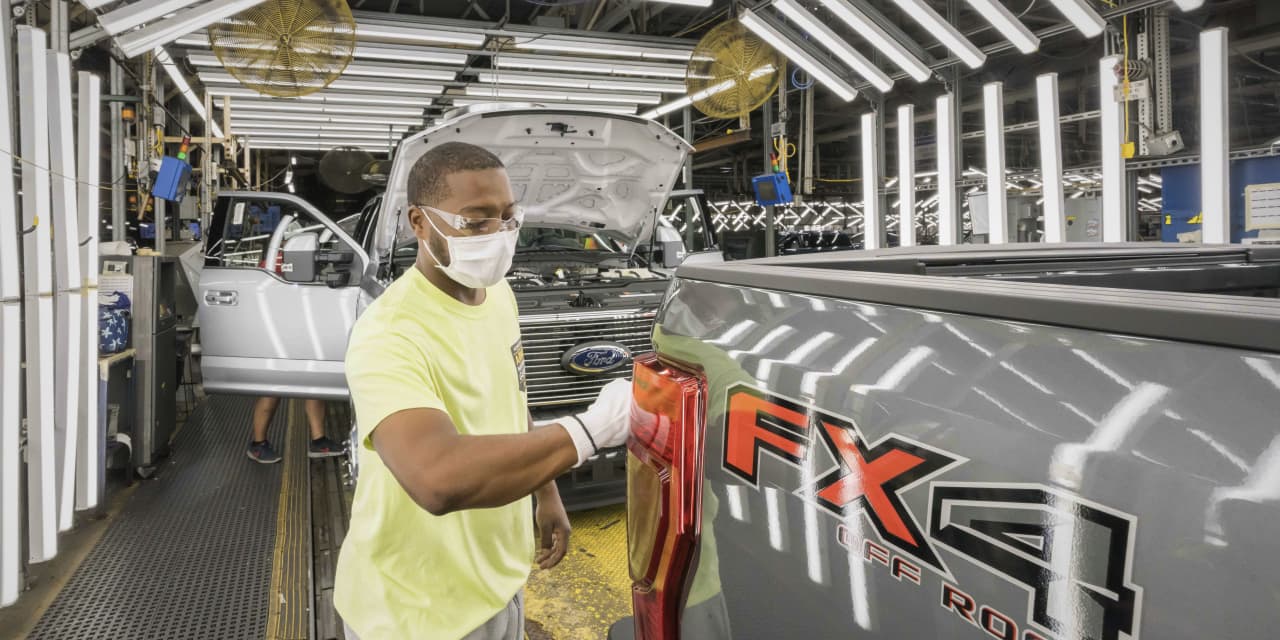
Ford Reenters Sedan Market to Meet Consumer Demand
- Market Demand Shift: With rising consumer demand for more affordable vehicles, Ford plans to launch five new models priced below $40,000, including a traditional four-door sedan, aiming to re-enter the sedan market to align with market trends.
- Electrification Strategy: The new sedan is likely to be developed on Ford's Universal EV Platform, which will significantly reduce production costs and enhance profitability, enabling Ford to achieve better margins in historically challenging price ranges.
- Profitability Improvement Goals: Ford aims to increase its adjusted EBIT margin to 8% by 2029, up from an expected 3.6% in 2025, indicating the company's strategy to improve financial performance by phasing out less profitable models and scaling up EV production.
- Long-term Investment Outlook: Ford's strategic shift not only addresses the market demand for sedans but also enhances competitiveness by lowering structural costs, which is a positive signal for long-term investors, indicating future profit potential.
See More

Ford Recalls 548,463 Vehicles Due to Console Issue
- Large Recall: Ford is recalling 548,463 vehicles in the U.S., specifically 2018-2024 Ford Expeditions, indicating significant challenges in quality control that may impact consumer confidence.
- Safety Risks: The chrome plating on the center console may bubble and peel over time, resulting in sharp edges that increase the risk of injury to passengers, highlighting deficiencies in Ford's product design and material selection.
- Supplier Accountability: The issue stems from a supplier's failure to adhere to Ford's specifications during the manufacturing of the center console chrome trim, revealing potential gaps in Ford's supply chain management and quality oversight, which could lead to more recalls in the future.
- Free Repair Commitment: Ford has committed to having dealers inspect and replace the affected center consoles at no charge, which, while helping to alleviate consumer concerns, will take time to restore brand image and customer trust.
See More
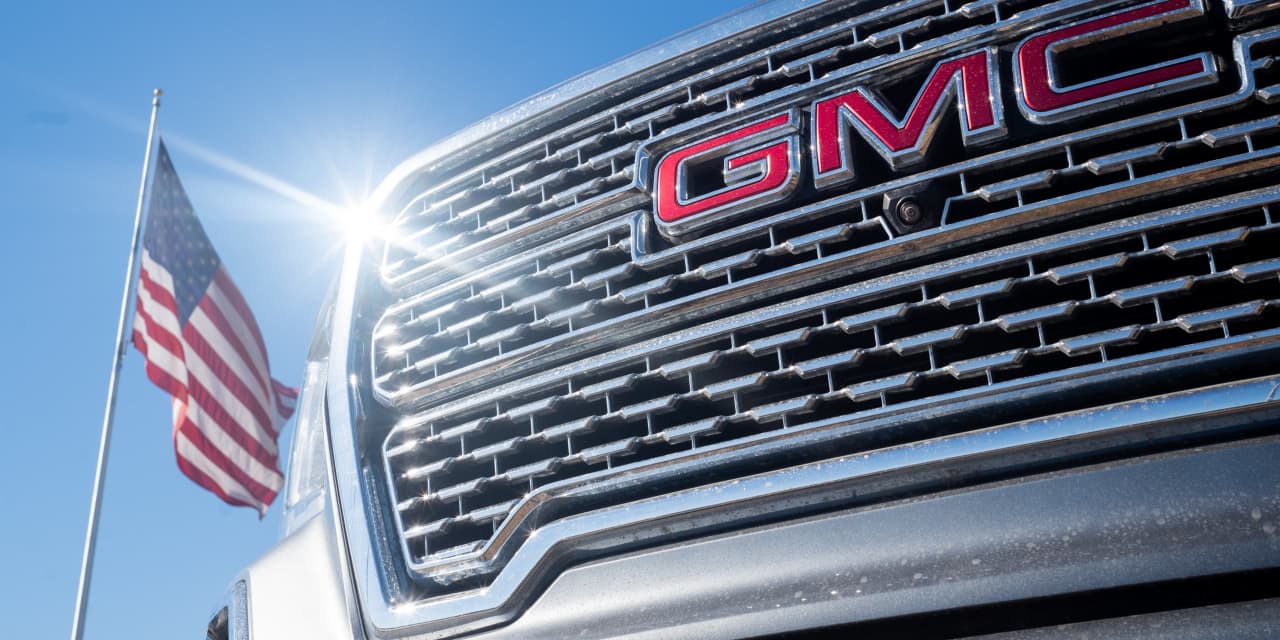
General Motors May Abandon LFP Battery Plans

- Battery Technology Shift: GM's battery technology chief indicated a potential abandonment of lower-cost iron-based battery plans in favor of lithium manganese-rich (LMR) batteries, which can store more energy at the same weight and size, despite similar production costs to lithium iron phosphate (LFP).
- Production Plan Adjustment: The Tennessee factory will begin LFP cell production this month, but these cells are intended for energy storage systems rather than electric vehicles, highlighting a significant shift in GM's battery strategy.
- Market Competitive Pressure: This decision may create a notable divergence from competitors like Tesla and Ford, who have widely adopted LFP batteries in their EVs to cut costs, potentially impacting GM's market positioning.
- Technical Challenges and Outlook: While LMR batteries offer advantages in reducing reliance on critical minerals, S&P Global noted that technical challenges mean mass adoption is not expected soon, which could affect GM's competitive edge in the EV market.
See More
Novelis Restarts Production at Key New York Facility for Ford
- Production Resumption: Novelis announced on Wednesday that it has restarted operations at its Oswego, New York facility, which is critical for Ford's F-150 pickup line, after months of downtime due to two fires, helping to alleviate pressure on Ford's lowered 2025 profit forecast caused by aluminum supply bottlenecks.
- Customer Collaboration: Novelis stated it is working closely with customers to ramp up supply, particularly Ford, which is a major consumer as its F-series trucks predominantly use aluminum bodies, meaning the resumption of production will directly impact Ford's production capacity and market supply.
- Financial Impact: The supply bottlenecks caused by the fires have led Ford to flag charges of up to $2 billion, while Novelis reported a loss of approximately $437 million in the fourth quarter, highlighting the vulnerability of the aluminum supply chain and its significant impact on automakers.
- Global Production Adjustments: During the downtime of the New York plant, Novelis relied on its facilities in South Korea and Europe to compensate for production losses, a strategy that alleviated short-term pressures but also underscored the complexity of global supply chains and the degree of reliance on a single facility.
See More

GM Partners with Peak Energy to Develop Sodium-Ion Batteries

- Strategic Partnership: General Motors (GM) has announced a strategic partnership with startup Peak Energy to develop and manufacture next-generation sodium-ion battery cells for grid-scale energy storage, marking a significant expansion of GM's battery technology applications beyond electric vehicles.
- Technological Innovation: The collaboration will leverage GM's Michigan battery labs to develop sodium-ion cells, which Peak Energy will integrate into its proprietary passively cooled storage systems, promising a 20% cost reduction and over 99% uptime, enhancing the reliability of energy storage solutions.
- Market Outlook: This initiative not only signifies GM's repurposing of battery technology but also indicates a diversified investment in the energy storage market, particularly in the area of EV battery recycling, thereby strengthening its competitive position in the industry.
- Investor Sentiment: On Stocktwits, retail sentiment around GM shifted from 'neutral' to 'bullish', reflecting investor optimism regarding GM's entry into the energy storage sector, with GM's stock gaining over 3% this year.
See More
Ford's Return to Sedans Amid Affordability Crisis
- Market Demand Shift: With average new car prices in the U.S. nearing $50,000, Ford is re-entering the sedan market by planning to launch five new vehicles priced below $40,000, addressing consumer demand for more affordable options and enhancing market competitiveness.
- Profitability Goals: Ford aims to achieve an adjusted EBIT margin of 8% by 2029, a significant increase from 3.6% in 2025, indicating the company's strategy to phase out less profitable models while leveraging its Universal EV Platform to reduce costs and improve profitability.
- Product Portfolio Adjustment: Ford plans to introduce a traditional four-door sedan, potentially built on its all-electric platform, which not only lowers production costs but also offers more attractive products in a competitive market, further enhancing brand appeal.
- Strategic Investment Focus: Ford's strategic emphasis is on launching more cost-effective electric vehicle models to adapt to market changes, ensuring long-term profitability and market share while meeting consumer demands.
See More
Ford Reenters Sedan Market to Meet Consumer Demand
- Market Demand Shift: With rising consumer demand for more affordable vehicles, Ford plans to launch five new models priced below $40,000, including a traditional four-door sedan, aiming to re-enter the sedan market to align with market trends.
- Electrification Strategy: The new sedan is likely to be developed on Ford's Universal EV Platform, which will significantly reduce production costs and enhance profitability, enabling Ford to achieve better margins in historically challenging price ranges.
- Profitability Improvement Goals: Ford aims to increase its adjusted EBIT margin to 8% by 2029, up from an expected 3.6% in 2025, indicating the company's strategy to improve financial performance by phasing out less profitable models and scaling up EV production.
- Long-term Investment Outlook: Ford's strategic shift not only addresses the market demand for sedans but also enhances competitiveness by lowering structural costs, which is a positive signal for long-term investors, indicating future profit potential.
See More
Ford Recalls 548,463 Vehicles Due to Console Issue
- Large Recall: Ford is recalling 548,463 vehicles in the U.S., specifically 2018-2024 Ford Expeditions, indicating significant challenges in quality control that may impact consumer confidence.
- Safety Risks: The chrome plating on the center console may bubble and peel over time, resulting in sharp edges that increase the risk of injury to passengers, highlighting deficiencies in Ford's product design and material selection.
- Supplier Accountability: The issue stems from a supplier's failure to adhere to Ford's specifications during the manufacturing of the center console chrome trim, revealing potential gaps in Ford's supply chain management and quality oversight, which could lead to more recalls in the future.
- Free Repair Commitment: Ford has committed to having dealers inspect and replace the affected center consoles at no charge, which, while helping to alleviate consumer concerns, will take time to restore brand image and customer trust.
See More
General Motors May Abandon LFP Battery Plans
- Battery Technology Shift: GM's battery technology chief indicated a potential abandonment of lower-cost iron-based battery plans in favor of lithium manganese-rich (LMR) batteries, which can store more energy at the same weight and size, despite similar production costs to lithium iron phosphate (LFP).
- Production Plan Adjustment: The Tennessee factory will begin LFP cell production this month, but these cells are intended for energy storage systems rather than electric vehicles, highlighting a significant shift in GM's battery strategy.
- Market Competitive Pressure: This decision may create a notable divergence from competitors like Tesla and Ford, who have widely adopted LFP batteries in their EVs to cut costs, potentially impacting GM's market positioning.
- Technical Challenges and Outlook: While LMR batteries offer advantages in reducing reliance on critical minerals, S&P Global noted that technical challenges mean mass adoption is not expected soon, which could affect GM's competitive edge in the EV market.
See More
Novelis Restarts Production at Key New York Facility for Ford
- Production Resumption: Novelis announced on Wednesday that it has restarted operations at its Oswego, New York facility, which is critical for Ford's F-150 pickup line, after months of downtime due to two fires, helping to alleviate pressure on Ford's lowered 2025 profit forecast caused by aluminum supply bottlenecks.
- Customer Collaboration: Novelis stated it is working closely with customers to ramp up supply, particularly Ford, which is a major consumer as its F-series trucks predominantly use aluminum bodies, meaning the resumption of production will directly impact Ford's production capacity and market supply.
- Financial Impact: The supply bottlenecks caused by the fires have led Ford to flag charges of up to $2 billion, while Novelis reported a loss of approximately $437 million in the fourth quarter, highlighting the vulnerability of the aluminum supply chain and its significant impact on automakers.
- Global Production Adjustments: During the downtime of the New York plant, Novelis relied on its facilities in South Korea and Europe to compensate for production losses, a strategy that alleviated short-term pressures but also underscored the complexity of global supply chains and the degree of reliance on a single facility.
See More
GM Partners with Peak Energy to Develop Sodium-Ion Batteries
- Strategic Partnership: General Motors (GM) has announced a strategic partnership with startup Peak Energy to develop and manufacture next-generation sodium-ion battery cells for grid-scale energy storage, marking a significant expansion of GM's battery technology applications beyond electric vehicles.
- Technological Innovation: The collaboration will leverage GM's Michigan battery labs to develop sodium-ion cells, which Peak Energy will integrate into its proprietary passively cooled storage systems, promising a 20% cost reduction and over 99% uptime, enhancing the reliability of energy storage solutions.
- Market Outlook: This initiative not only signifies GM's repurposing of battery technology but also indicates a diversified investment in the energy storage market, particularly in the area of EV battery recycling, thereby strengthening its competitive position in the industry.
- Investor Sentiment: On Stocktwits, retail sentiment around GM shifted from 'neutral' to 'bullish', reflecting investor optimism regarding GM's entry into the energy storage sector, with GM's stock gaining over 3% this year.
See More





