Flex LNG Extends Contracts for Two Vessels to 2032
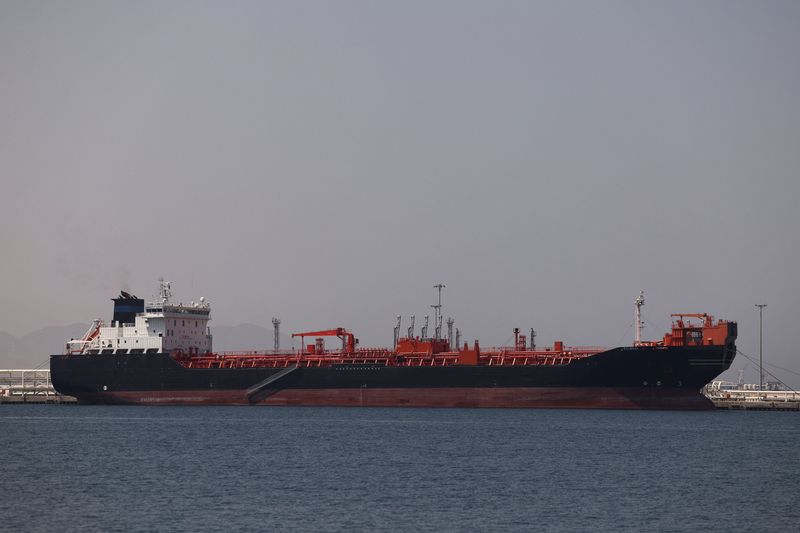
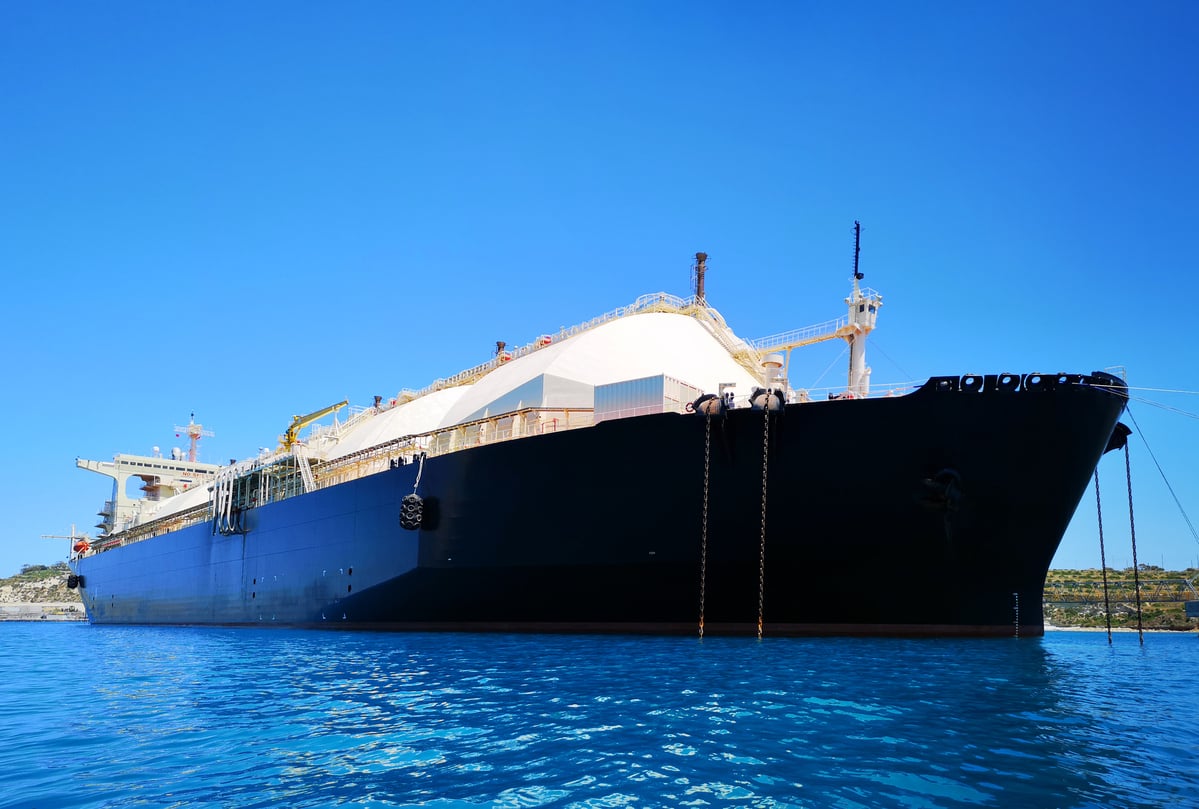
Flex LNG announced the exercise of contract extensions for two ships and provide an update on the fleet status. The company has received notice from the charterer, a supermajor, of the vessels Flex Resolute and Flex Courageous of the charterer's exercise of the second extension option of 730 days under the original time charter contracts for the period Q1 2027 to Q1 2029 for both ships. As communicated on November 7, 2024, the Charterer extended the original contracts, which comprised of three firm years plus two two-year extension options, by adding a further three firm years for the period Q1 2029 to Q1 2032. The Charterer also holds additional extension options of up to seven years per vessel from 2032. With this announcement, both vessels will be employed on firm contract with the supermajor until minimum Q1 2032. Following the exercise of these options, our firm contract backlog is 53 years and may increase to 74 years if the charterers exercise the extension options. With reference to the press release of November 29, 2024, the company informed that Flex Constellation commenced the 15-year time charter contract in March with a large Asian utility and asset backed LNG trader. Thus, Flex Constellation will now be on firm contract until minimum 2041. Marius Foss, CEO of Flex LNG Management AS, commented: "We are pleased that the charterer of Flex Resolute and Flex Courageous acknowledge our high-quality service of safe and reliable operation whereby the charterer has again exercised extension options for both ships. Consequently, the ships are now on firm contract to minimum 2032. Equally, we are pleased to confirm that Flex Constellation has been delivered to the charterer and commenced the 15-year time charter contract. We look forward to providing safe and reliable transportation of LNG for the Asian based charterer until minimum 2041. Currently, the energy markets in general, and gas markets specifically, are experiencing significant volatility following the ongoing conflict in Iran and the implications for LNG export from the Gulf States. We continue trading our three open vessels into what is presently a firm spot market, supported by natural gas price dynamics that incentivize longer sailing distances. However, the market conditions may shift rapidly. The restart of existing LNG export capacity in the Middle East and the re-opening of the Strait of Hormuz remain highly uncertain at present."
Trade with 70% Backtested Accuracy
Analyst Views on FLNG


No data
About FLNG
About the author


Analysis of NDIV ETF's Dual Income Strategy
- Dual Income Sources: The NDIV ETF targets over 10% annualized total income by combining high-dividend energy and natural resource stocks with covered call options, appealing to investors seeking commodity exposure without sacrificing yield.
- Distribution History Volatility: Monthly distributions ranged from $0.11 to $0.17 in 2024 and 2025, while February and March 2026 saw spikes to $0.27 and $0.30, reflecting income fluctuations directly tied to energy market volatility.
- Commodity Volatility Dependency: NDIV's income is contingent on market volatility; while the covered call strategy enhances income during high volatility, it also introduces uncertainty regarding dividends from holdings like Petrobras and LyondellBasell.
- Price Performance and Yield: NDIV shares have appreciated approximately 34% year-to-date and about 44% over the past year, indicating that investors have captured significant capital gains alongside income, with a current dividend yield near 5%.
Investment Protection Strategies Amid Persian Gulf Conflict

- Oil and Gas Stock Opportunities: Amid the ongoing conflict in the Persian Gulf, companies like Devon Energy and Diamondback Energy, focused on U.S. oil production, present attractive investment options due to rising oil prices, especially considering pre-conflict price levels, making them ideal for risk management.
- Refining Sector Benefits: With the 3-2-1 crack spread soaring from $20 at the start of the year to $54, refining companies like Valero Energy and PBF Energy are set to benefit from this trend, provided that demand for transportation products does not suffer due to high prices.
- LNG Supply Gap: The International Energy Agency notes that 34% of global crude oil trade and 20% of LNG trade pass through the Strait of Hormuz, with companies like Woodside Energy and Cheniere Energy positioned to fill the supply gap created by the blockade, particularly for Asian markets.
- Shipping and Fertilizer Sector Outlook: Flex LNG is poised to benefit from increased LNG shipping demand, while CF Industries, as a U.S.-focused fertilizer producer, will leverage its manufacturing facilities in the West and U.S. gas supply to fill the global fertilizer flow gap.

Oil and Gas Sector Benefits from Supply Chain Disruptions
- Supply Chain Impact: Ongoing conflicts in the Persian Gulf are likely to benefit oil, LNG, refining, shipping, and fertilizer companies, particularly U.S. producers and exporters, who are expected to outperform due to supply chain shifts.
- Widening Crack Spread: The 3-2-1 crack spread has surged from under $20 at the start of the year to over $54, which is advantageous for refiners like Valero Energy and PBF Energy, who are likely to continue outperforming the market in a high-price environment.
- LNG Supply Gap Filling: Companies like Woodside Energy, Cheniere Energy, and Equinor are positioned to fill the LNG supply gap created by the Strait blockade, with Cheniere expanding its export capacity expected to ramp up production imminently.
- Fertilizer Producers Benefit: Approximately one-third of global seaborne fertilizer flows through the Strait of Hormuz, and U.S.-focused CF Industries will benefit from its manufacturing facilities in the West and access to domestic gas supplies, enhancing its market competitiveness.

Impact of Strait of Hormuz Closure on Oil Prices
- Crude Supply Tightness: The IEA reports that 25% of global seaborne oil flows through the Strait of Hormuz, and the prospect of its closure has driven oil prices up, prompting investors to consider U.S. companies like Devon Energy and Diamondback Energy to mitigate supply risks and secure capital returns.
- LNG Trade Disruption: Approximately 20% of global LNG trade passes through the Strait, and its closure will lead to rising prices worldwide, particularly impacting Europe; investors might look to Norway's Equinor and Australia's Woodside Energy to fill the supply gap in Asia.
- Refining Profit Surge: Refining stocks such as PBF Energy and Valero Energy have seen significant gains in 2026, with the 3-2-1 crack spread soaring from $20 at the start of the year to over $58, indicating that Asian refiners are facing higher crude procurement costs due to product shortages from the Gulf.
- Fertilizer Price Surge: The blockade of the Strait has stranded many fertilizer-laden ships, causing prices to soar and severely impacting Asian and African countries reliant on Gulf fertilizers; investors are turning to U.S. producers like CF Industries to navigate the tightening global fertilizer supply situation.

Closure of Strait of Hormuz Disrupts Global Energy Markets
- Oil Price Surge: The International Energy Agency reports that 25% of the world's seaborne oil flows through the Strait of Hormuz, and its closure has led to a sharp increase in oil prices, destabilizing global energy markets, particularly affecting import-dependent nations.
- LNG Trade Disruption: Approximately 20% of global LNG trade passes through the Strait, and Iran's threats to energy infrastructure create uncertainty in LNG supply, potentially driving up global prices, especially pressuring the European market.
- Refining Sector Gains: Due to crude oil supply shortages, the refining crack spread has skyrocketed from $20 at the beginning of the year to $58, significantly boosting stocks of refining companies like PBF Energy and Valero Energy, indicating strong profit potential in the current market environment.
- Fertilizer Price Increases: The blockade of the Strait has left many fertilizer-laden ships stranded, causing fertilizer prices to soar, which poses a significant challenge for Asian and African countries reliant on Gulf fertilizers, prompting investors to focus on U.S. producers like CF Industries.
Flex LNG Secures New Charter Agreement for Flex Aurora, Potentially Extending to 8 Years
- New Charter Agreement: Flex LNG has signed a new two-year Time Charter Agreement with a Supermajor, with options to extend up to eight years, reflecting strong demand and confidence in the LNG shipping market.
- Increased Contract Backlog: The new contract boosts Flex LNG's total contract backlog to a minimum of 55 years, potentially rising to 82 years if all options are exercised, significantly enhancing the company's revenue stability and growth prospects.
- Market Dynamics Analysis: With the new contract in place, Flex Aurora will operate alongside other vessels in the currently firm spot market, expected to positively impact earnings in Q2 2026, showcasing the company's adaptability amid market volatility.
- Cautious Future Outlook: Despite the positive implications of the new contract, Flex LNG remains vigilant regarding the high volatility in LNG shipping and energy markets, indicating potential revisions to its full-year guidance for 2026 to address uncertainties.
Analysis of NDIV ETF's Dual Income Strategy
- Dual Income Sources: The NDIV ETF targets over 10% annualized total income by combining high-dividend energy and natural resource stocks with covered call options, appealing to investors seeking commodity exposure without sacrificing yield.
- Distribution History Volatility: Monthly distributions ranged from $0.11 to $0.17 in 2024 and 2025, while February and March 2026 saw spikes to $0.27 and $0.30, reflecting income fluctuations directly tied to energy market volatility.
- Commodity Volatility Dependency: NDIV's income is contingent on market volatility; while the covered call strategy enhances income during high volatility, it also introduces uncertainty regarding dividends from holdings like Petrobras and LyondellBasell.
- Price Performance and Yield: NDIV shares have appreciated approximately 34% year-to-date and about 44% over the past year, indicating that investors have captured significant capital gains alongside income, with a current dividend yield near 5%.
Investment Protection Strategies Amid Persian Gulf Conflict
- Oil and Gas Stock Opportunities: Amid the ongoing conflict in the Persian Gulf, companies like Devon Energy and Diamondback Energy, focused on U.S. oil production, present attractive investment options due to rising oil prices, especially considering pre-conflict price levels, making them ideal for risk management.
- Refining Sector Benefits: With the 3-2-1 crack spread soaring from $20 at the start of the year to $54, refining companies like Valero Energy and PBF Energy are set to benefit from this trend, provided that demand for transportation products does not suffer due to high prices.
- LNG Supply Gap: The International Energy Agency notes that 34% of global crude oil trade and 20% of LNG trade pass through the Strait of Hormuz, with companies like Woodside Energy and Cheniere Energy positioned to fill the supply gap created by the blockade, particularly for Asian markets.
- Shipping and Fertilizer Sector Outlook: Flex LNG is poised to benefit from increased LNG shipping demand, while CF Industries, as a U.S.-focused fertilizer producer, will leverage its manufacturing facilities in the West and U.S. gas supply to fill the global fertilizer flow gap.
Oil and Gas Sector Benefits from Supply Chain Disruptions
- Supply Chain Impact: Ongoing conflicts in the Persian Gulf are likely to benefit oil, LNG, refining, shipping, and fertilizer companies, particularly U.S. producers and exporters, who are expected to outperform due to supply chain shifts.
- Widening Crack Spread: The 3-2-1 crack spread has surged from under $20 at the start of the year to over $54, which is advantageous for refiners like Valero Energy and PBF Energy, who are likely to continue outperforming the market in a high-price environment.
- LNG Supply Gap Filling: Companies like Woodside Energy, Cheniere Energy, and Equinor are positioned to fill the LNG supply gap created by the Strait blockade, with Cheniere expanding its export capacity expected to ramp up production imminently.
- Fertilizer Producers Benefit: Approximately one-third of global seaborne fertilizer flows through the Strait of Hormuz, and U.S.-focused CF Industries will benefit from its manufacturing facilities in the West and access to domestic gas supplies, enhancing its market competitiveness.
Impact of Strait of Hormuz Closure on Oil Prices
- Crude Supply Tightness: The IEA reports that 25% of global seaborne oil flows through the Strait of Hormuz, and the prospect of its closure has driven oil prices up, prompting investors to consider U.S. companies like Devon Energy and Diamondback Energy to mitigate supply risks and secure capital returns.
- LNG Trade Disruption: Approximately 20% of global LNG trade passes through the Strait, and its closure will lead to rising prices worldwide, particularly impacting Europe; investors might look to Norway's Equinor and Australia's Woodside Energy to fill the supply gap in Asia.
- Refining Profit Surge: Refining stocks such as PBF Energy and Valero Energy have seen significant gains in 2026, with the 3-2-1 crack spread soaring from $20 at the start of the year to over $58, indicating that Asian refiners are facing higher crude procurement costs due to product shortages from the Gulf.
- Fertilizer Price Surge: The blockade of the Strait has stranded many fertilizer-laden ships, causing prices to soar and severely impacting Asian and African countries reliant on Gulf fertilizers; investors are turning to U.S. producers like CF Industries to navigate the tightening global fertilizer supply situation.
Closure of Strait of Hormuz Disrupts Global Energy Markets
- Oil Price Surge: The International Energy Agency reports that 25% of the world's seaborne oil flows through the Strait of Hormuz, and its closure has led to a sharp increase in oil prices, destabilizing global energy markets, particularly affecting import-dependent nations.
- LNG Trade Disruption: Approximately 20% of global LNG trade passes through the Strait, and Iran's threats to energy infrastructure create uncertainty in LNG supply, potentially driving up global prices, especially pressuring the European market.
- Refining Sector Gains: Due to crude oil supply shortages, the refining crack spread has skyrocketed from $20 at the beginning of the year to $58, significantly boosting stocks of refining companies like PBF Energy and Valero Energy, indicating strong profit potential in the current market environment.
- Fertilizer Price Increases: The blockade of the Strait has left many fertilizer-laden ships stranded, causing fertilizer prices to soar, which poses a significant challenge for Asian and African countries reliant on Gulf fertilizers, prompting investors to focus on U.S. producers like CF Industries.
Flex LNG Secures New Charter Agreement for Flex Aurora, Potentially Extending to 8 Years
- New Charter Agreement: Flex LNG has signed a new two-year Time Charter Agreement with a Supermajor, with options to extend up to eight years, reflecting strong demand and confidence in the LNG shipping market.
- Increased Contract Backlog: The new contract boosts Flex LNG's total contract backlog to a minimum of 55 years, potentially rising to 82 years if all options are exercised, significantly enhancing the company's revenue stability and growth prospects.
- Market Dynamics Analysis: With the new contract in place, Flex Aurora will operate alongside other vessels in the currently firm spot market, expected to positively impact earnings in Q2 2026, showcasing the company's adaptability amid market volatility.
- Cautious Future Outlook: Despite the positive implications of the new contract, Flex LNG remains vigilant regarding the high volatility in LNG shipping and energy markets, indicating potential revisions to its full-year guidance for 2026 to address uncertainties.