Five AI Giants Rising in the Server CPU Market
Written by Emily J. Thompson, Senior Investment Analyst
Updated: 6 days ago
0mins
Source: NASDAQ.COM
- Market Growth Potential: According to Bofa Global Research, the total addressable market for server CPUs is projected to grow from $35 billion in 2025 to over $170 billion by 2030, indicating strong demand for AI infrastructure and future growth potential.
- AMD Performance Boost: In Q1 2026, AMD's data center revenue rose 57% year-over-year to $5.8 billion, driven by increased EPYC and Instinct shipments, with expectations for server CPU revenue to grow over 70% year-over-year in Q2, showcasing the company's strong performance in AI.
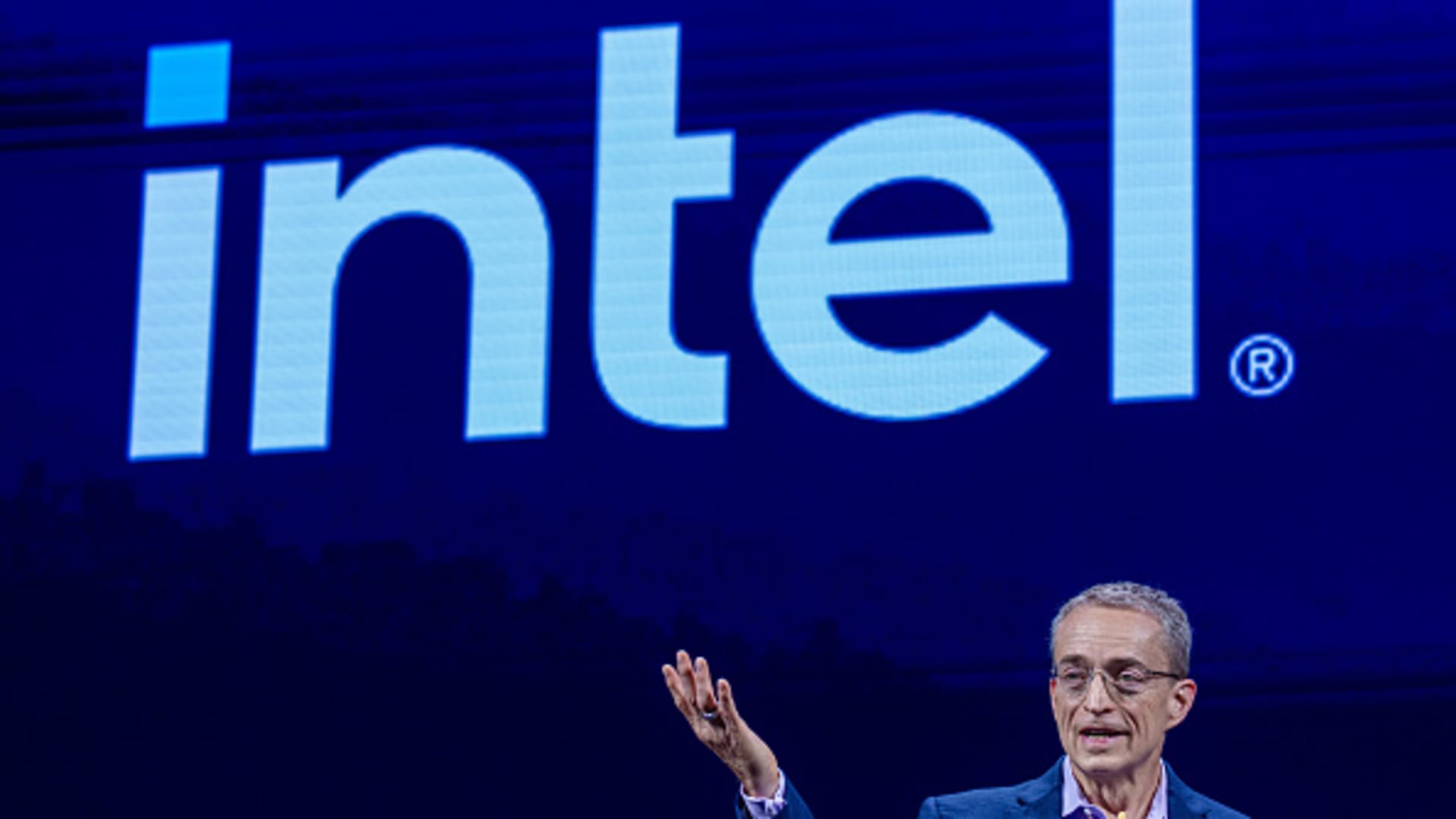
- Intel Product Launch: Intel's launch of the Core Ultra series and Xeon 6+ processors in 2026 aims to enhance performance for AI PCs and edge solutions, expected to increase the company's market share in the rapidly growing edge AI sector.
- NVIDIA Innovation Breakthrough: NVIDIA's new AI superchip, Vera Rubin, is expected to deliver 10 times the performance of its predecessor, with shipments planned for the second half of 2026, further solidifying its leadership position in the AI CPU market.
Trade with 70% Backtested Accuracy
Stop guessing "Should I Buy INTC?" and start using high-conviction signals backed by rigorous historical data.
Sign up today to access powerful investing tools and make smarter, data-driven decisions.
Analyst Views on INTC
Wall Street analysts forecast INTC stock price to fall
29 Analyst Rating
5 Buy
19 Hold
5 Sell
Hold
Current: 140.940

Low
20.00
Averages
39.30
High
52.00
Current: 140.940
Low
20.00
Averages
39.30
High
52.00
About INTC
Intel Corporation is a global designer and manufacturer of semiconductor products. The Company's segments include Intel Products, Intel Foundry, and All Other. Its Intel Products comprise Client Computing Group (CCG) and Data Center and AI (DCAI). CCG delivers platforms and processors that power PCs and edge devices, enabling enhanced performance, connectivity and user experience for consumer and commercial markets with capabilities that also support retail, industrial robotics and AI ecosystems at the edge. DCAI delivers workload-optimized solutions based upon its x86 architecture for data centers, including CPUs, AI accelerators, NICs, IPUs and custom ASICs, enabling performance and scalability for cloud, enterprise, telecommunication and HPC environments. The Intel Foundry segment comprises technology development, manufacturing and foundry services, developing new semiconductor process technologies and advanced packaging technologies. All Other segments include Mobileye and Other.
About the author

Emily J. Thompson
Emily J. Thompson, a Chartered Financial Analyst (CFA) with 12 years in investment research, graduated with honors from the Wharton School. Specializing in industrial and technology stocks, she provides in-depth analysis for Intellectia’s earnings and market brief reports.
Intel's Resurgence in the AI Era

- Stock Price Momentum: Intel's stock has surged by 263% this year, primarily driven by strategic investments from Nvidia and the U.S. government, which not only boosts market confidence but also enhances the company's competitive edge in the AI sector.
- Growing CPU Demand: As agentic AI workloads increase, Intel's legacy CPU business is becoming increasingly relevant, expected to drive demand for its server CPUs and position the company favorably within the AI infrastructure landscape.
- Foundry Business Improvement: Intel's foundry business generated $5.4 billion in revenue in Q1, a 16% year-over-year increase, and although external foundry revenue remains small, its nearly sixfold annual growth indicates rising demand for its leading-edge process nodes.
- Shifting Market Dynamics: With the mass adoption of AI applications, Intel's balanced demand for CPUs and GPUs may provide a competitive advantage, particularly in attracting more customers by reducing reliance on overseas foundry partners.
See More

Asian Tech Stocks Rebound Led by Semiconductors


- Semiconductor Stocks Rebound: South Korea's semiconductor giants Samsung Electronics and SK Hynix saw their shares rise over 9% and 4% respectively, indicating a recovery after both experienced declines exceeding 12% on Tuesday, reflecting renewed investor confidence in the semiconductor sector.
- Market Index Recovery: The Kospi index in South Korea rebounded over 3% after a 10% drop, suggesting a reassessment of technology stocks by investors, which may indicate a short-term correction rather than a deterioration in fundamentals.
- Japanese Tech Stocks Follow Suit: Japan's technology sector also experienced gains, with Advantest rising 0.6%, SoftBank Group up 1.5%, and laser equipment manufacturer Lasertec increasing by 0.3%, demonstrating a broader recovery trend in regional tech stocks that enhances market optimism.
- Analyst Outlook Positive: Dan Ives from Wedbush Securities noted that recent channel checks indicated strong enterprise AI demand trends, arguing that the pullback in South Korean tech stocks is more likely a brief pause following nearly 100% gains in the Kospi this year, rather than a sign of weakening fundamentals.
See More

US Stocks Plunge Sharply, Tech Sector Hit Hard


- Market Sell-off: The S&P 500 fell 1.44%, the Dow Jones Industrial Average dipped 0.09%, and the Nasdaq 100 plummeted 3.29%, reflecting investor concerns over high valuations in tech stocks, leading to diminished market confidence.
- Asian Market Impact: Japan's Nikkei index dropped over 3%, while South Korea's Kospi index plummeted more than 10%, with foreign investors offloading over $2.5 billion in Kospi shares, indicating a global bearish sentiment towards tech stocks.
- Mixed Manufacturing Data: The US June manufacturing PMI unexpectedly rose to 55.7, surpassing expectations, indicating economic resilience; however, the Richmond Fed's manufacturing survey current conditions fell to 4, below the expected 8, suggesting uncertainty in economic recovery.
- Bond Market Reaction: Amid the stock sell-off, the 10-year T-note yield fell to 4.493%, while the 10-year breakeven inflation rate dropped to a 6-month low of 2.210%, reflecting increased demand for safe-haven assets.
See More
Nvidia Backs Three Strong Investment Picks

- Intel's Recovery Potential: After receiving investments from Nvidia and the U.S. government, Intel is gradually regaining its market position, with a significant deal to produce chips for Apple, which could enhance its competitive edge in the semiconductor industry.
- CoreWeave's Rapid Growth: CoreWeave achieved a remarkable 112% revenue growth in its AI cloud computing platform, with expectations of 147% growth this year, and despite currently being unprofitable, its backlog of nearly $100 billion indicates strong market demand.
- Nebius's Astonishing Growth: Nebius reported a staggering 684% revenue increase in Q1, with projections of 550% growth by 2026, highlighting its immense potential in the AI cloud computing space, further bolstered by Nvidia's investment.
- Nvidia's Investment Confidence: As a major client of Nvidia, the success of CoreWeave and Nebius not only reflects the booming AI market but also underscores Nvidia's strategic foresight in selecting investment targets, potentially yielding substantial returns for investors.
See More
Intel Secures Major Deal with Apple, Boosting Growth Prospects
- Intel Client Expansion: Intel has secured a deal to produce chips for Apple, marking its first major client acquisition after losing its dominant market position, which could help restore its competitive edge and attract further investments.
- CoreWeave's Rapid Growth: CoreWeave's cloud computing platform achieved a remarkable 112% revenue growth in Q1, with projections of 147% growth for 2023, indicating strong demand in the AI sector, although it remains unprofitable, its future potential is significant.
- Nebius's Astonishing Growth: Nebius reported a staggering 684% revenue increase in Q1, with expectations of 550% growth by 2026, showcasing its robust performance in the AI cloud computing market, bolstered by Nvidia's investment, enhancing its competitive position.
- Nvidia's Investment Confidence: Nvidia's investments in Intel, CoreWeave, and Nebius signal strong confidence in these companies, particularly against the backdrop of surging demand for AI computing resources, providing a compelling investment signal for investors.
See More

Nvidia's Investment in Three Promising Stocks
- Nvidia's Investment Portfolio: As the largest company globally, Nvidia's investment portfolio includes seven stocks, with Intel, CoreWeave, and Nebius identified as strong investment options, reflecting Nvidia's confidence and potentially attracting more investor interest.
- Intel's Recovery Potential: After receiving investments from Nvidia and the U.S. government, Intel is gradually regaining its market position, and a recent chip manufacturing deal with Apple could help it reclaim market share, making it a stock worth considering.
- CoreWeave's Rapid Growth: CoreWeave has achieved a remarkable 112% revenue growth in its AI cloud computing platform, with expectations of 147% growth in 2023; despite currently being unprofitable, its massive market demand and potential profitability make it a focal point for investors.
- Nebius's Astonishing Growth: Nebius reported a staggering 684% revenue growth in Q1, with projections of 550% growth in 2026, and Nvidia's investment allows it to access new hardware first, enhancing its competitive edge in the AI sector.
See More
Intel's Resurgence in the AI Era
- Stock Price Momentum: Intel's stock has surged by 263% this year, primarily driven by strategic investments from Nvidia and the U.S. government, which not only boosts market confidence but also enhances the company's competitive edge in the AI sector.
- Growing CPU Demand: As agentic AI workloads increase, Intel's legacy CPU business is becoming increasingly relevant, expected to drive demand for its server CPUs and position the company favorably within the AI infrastructure landscape.
- Foundry Business Improvement: Intel's foundry business generated $5.4 billion in revenue in Q1, a 16% year-over-year increase, and although external foundry revenue remains small, its nearly sixfold annual growth indicates rising demand for its leading-edge process nodes.
- Shifting Market Dynamics: With the mass adoption of AI applications, Intel's balanced demand for CPUs and GPUs may provide a competitive advantage, particularly in attracting more customers by reducing reliance on overseas foundry partners.
See More
Asian Tech Stocks Rebound Led by Semiconductors
- Semiconductor Stocks Rebound: South Korea's semiconductor giants Samsung Electronics and SK Hynix saw their shares rise over 9% and 4% respectively, indicating a recovery after both experienced declines exceeding 12% on Tuesday, reflecting renewed investor confidence in the semiconductor sector.
- Market Index Recovery: The Kospi index in South Korea rebounded over 3% after a 10% drop, suggesting a reassessment of technology stocks by investors, which may indicate a short-term correction rather than a deterioration in fundamentals.
- Japanese Tech Stocks Follow Suit: Japan's technology sector also experienced gains, with Advantest rising 0.6%, SoftBank Group up 1.5%, and laser equipment manufacturer Lasertec increasing by 0.3%, demonstrating a broader recovery trend in regional tech stocks that enhances market optimism.
- Analyst Outlook Positive: Dan Ives from Wedbush Securities noted that recent channel checks indicated strong enterprise AI demand trends, arguing that the pullback in South Korean tech stocks is more likely a brief pause following nearly 100% gains in the Kospi this year, rather than a sign of weakening fundamentals.
See More
US Stocks Plunge Sharply, Tech Sector Hit Hard
- Market Sell-off: The S&P 500 fell 1.44%, the Dow Jones Industrial Average dipped 0.09%, and the Nasdaq 100 plummeted 3.29%, reflecting investor concerns over high valuations in tech stocks, leading to diminished market confidence.
- Asian Market Impact: Japan's Nikkei index dropped over 3%, while South Korea's Kospi index plummeted more than 10%, with foreign investors offloading over $2.5 billion in Kospi shares, indicating a global bearish sentiment towards tech stocks.
- Mixed Manufacturing Data: The US June manufacturing PMI unexpectedly rose to 55.7, surpassing expectations, indicating economic resilience; however, the Richmond Fed's manufacturing survey current conditions fell to 4, below the expected 8, suggesting uncertainty in economic recovery.
- Bond Market Reaction: Amid the stock sell-off, the 10-year T-note yield fell to 4.493%, while the 10-year breakeven inflation rate dropped to a 6-month low of 2.210%, reflecting increased demand for safe-haven assets.
See More
Nvidia Backs Three Strong Investment Picks
- Intel's Recovery Potential: After receiving investments from Nvidia and the U.S. government, Intel is gradually regaining its market position, with a significant deal to produce chips for Apple, which could enhance its competitive edge in the semiconductor industry.
- CoreWeave's Rapid Growth: CoreWeave achieved a remarkable 112% revenue growth in its AI cloud computing platform, with expectations of 147% growth this year, and despite currently being unprofitable, its backlog of nearly $100 billion indicates strong market demand.
- Nebius's Astonishing Growth: Nebius reported a staggering 684% revenue increase in Q1, with projections of 550% growth by 2026, highlighting its immense potential in the AI cloud computing space, further bolstered by Nvidia's investment.
- Nvidia's Investment Confidence: As a major client of Nvidia, the success of CoreWeave and Nebius not only reflects the booming AI market but also underscores Nvidia's strategic foresight in selecting investment targets, potentially yielding substantial returns for investors.
See More
Intel Secures Major Deal with Apple, Boosting Growth Prospects
- Intel Client Expansion: Intel has secured a deal to produce chips for Apple, marking its first major client acquisition after losing its dominant market position, which could help restore its competitive edge and attract further investments.
- CoreWeave's Rapid Growth: CoreWeave's cloud computing platform achieved a remarkable 112% revenue growth in Q1, with projections of 147% growth for 2023, indicating strong demand in the AI sector, although it remains unprofitable, its future potential is significant.
- Nebius's Astonishing Growth: Nebius reported a staggering 684% revenue increase in Q1, with expectations of 550% growth by 2026, showcasing its robust performance in the AI cloud computing market, bolstered by Nvidia's investment, enhancing its competitive position.
- Nvidia's Investment Confidence: Nvidia's investments in Intel, CoreWeave, and Nebius signal strong confidence in these companies, particularly against the backdrop of surging demand for AI computing resources, providing a compelling investment signal for investors.
See More
Nvidia's Investment in Three Promising Stocks
- Nvidia's Investment Portfolio: As the largest company globally, Nvidia's investment portfolio includes seven stocks, with Intel, CoreWeave, and Nebius identified as strong investment options, reflecting Nvidia's confidence and potentially attracting more investor interest.
- Intel's Recovery Potential: After receiving investments from Nvidia and the U.S. government, Intel is gradually regaining its market position, and a recent chip manufacturing deal with Apple could help it reclaim market share, making it a stock worth considering.
- CoreWeave's Rapid Growth: CoreWeave has achieved a remarkable 112% revenue growth in its AI cloud computing platform, with expectations of 147% growth in 2023; despite currently being unprofitable, its massive market demand and potential profitability make it a focal point for investors.
- Nebius's Astonishing Growth: Nebius reported a staggering 684% revenue growth in Q1, with projections of 550% growth in 2026, and Nvidia's investment allows it to access new hardware first, enhancing its competitive edge in the AI sector.
See More