FDA Commissioner Marty Makary Ousted Amid Controversies
Written by Emily J. Thompson, Senior Investment Analyst
Updated: 49 minutes ago
0mins
Source: seekingalpha
- Leadership Change at FDA: Marty Makary's departure on Tuesday, with Deputy Commissioner Kyle Diamantas stepping in as acting commissioner, reflects growing dissatisfaction within the Trump administration regarding the FDA's chaotic management, potentially impacting the agency's policy direction and industry trust.
- Industry Reactions: Under Makary's tenure, the FDA faced significant controversies, particularly with Replimune criticizing the agency for rejecting its melanoma treatment, which led to an over 8% rise in its stock on Tuesday, indicating market sensitivity to FDA decisions.
- Regulatory Decision Controversies: Makary's term has been marred by accusations of conflicts of interest in FDA regulatory decisions, and the use of “expert panels” often contradicting mainstream medical opinions, which may undermine public trust in the agency.
- Impact on Other Companies: Companies like Regenxbio and Moderna also faced FDA rejections during Makary's leadership, affecting their product approval timelines and potentially leading to negative implications for future R&D investment decisions.
Trade with 70% Backtested Accuracy
Stop guessing "Should I Buy PFE?" and start using high-conviction signals backed by rigorous historical data.
Sign up today to access powerful investing tools and make smarter, data-driven decisions.
Analyst Views on PFE
Wall Street analysts forecast PFE stock price to rise
16 Analyst Rating
5 Buy
11 Hold
0 Sell
Moderate Buy
Current: 25.810

Low
24.00
Averages
28.56
High
35.00
Current: 25.810
Low
24.00
Averages
28.56
High
35.00
About PFE
Pfizer Inc. is a research-based, global biopharmaceutical company. The Company is engaged in the discovery, development, manufacture, marketing, sale and distribution of biopharmaceutical products worldwide. Its Biopharma segment includes the Pfizer U.S. Commercial Division, and the Pfizer International Commercial Division. Its product categories include oncology, primary care and specialty care. Its oncology products include Ibrance, Xtandi, Padcev, Adcetris, Inlyta, Lorbrena, Bosulif, Tukysa, Braftovi, Mektovi, Orgovyx, Elrexfio, Tivdak and Talzenna. Its primary care products include Eliquis, Nurtec ODT/Vydura, Zavzpret, the Prevnar family, Comirnaty, Abrysvo, FSME/IMMUN-TicoVac, Nimenrix, Trumenba, and Paxlovid. Its specialty care products include Xeljanz, Enbrel (outside the United States and Canada), Inflectra, Abrilada, Cibinqo, Litfulo, Eucrisa, Velsipity, the Vyndaqel family, Genotropin, and others. Its PF-08653944 is an ultra-long-acting fully biased GLP-1 receptor agonist.
About the author

Emily J. Thompson
Emily J. Thompson, a Chartered Financial Analyst (CFA) with 12 years in investment research, graduated with honors from the Wharton School. Specializing in industrial and technology stocks, she provides in-depth analysis for Intellectia’s earnings and market brief reports.

Pfizer Reports 22% Operational Growth in Q1 Amid Patent Challenges

- Revenue Growth Overview: Pfizer's Q1 revenue saw a modest 2% year-over-year increase, yet the operational growth of 22% from newly launched and acquired products indicates potential in its product pipeline, despite ongoing revenue challenges.
- Patent Risk for Key Drugs: The company's leading drugs, Eliquis and Ibrance, generated a combined $3.2 billion last quarter but are facing imminent patent cliffs, which could further pressure future revenues and impact overall business performance.
- Acquisition Strategy Impact: The acquisition of Seagen for $43 billion has yielded promising results, with Padcev, a cancer treatment, achieving a 39% sales increase to $591 million in Q1, thereby strengthening Pfizer's oncology portfolio and enhancing its market position.
- Investor Sentiment Concerns: Despite Pfizer's low valuation, trading at a forward P/E ratio of just nine, investor interest remains tepid due to uncertainties surrounding future performance, reflected in a mere 4% stock price increase this year, indicating cautious market sentiment regarding its recovery prospects.
See More
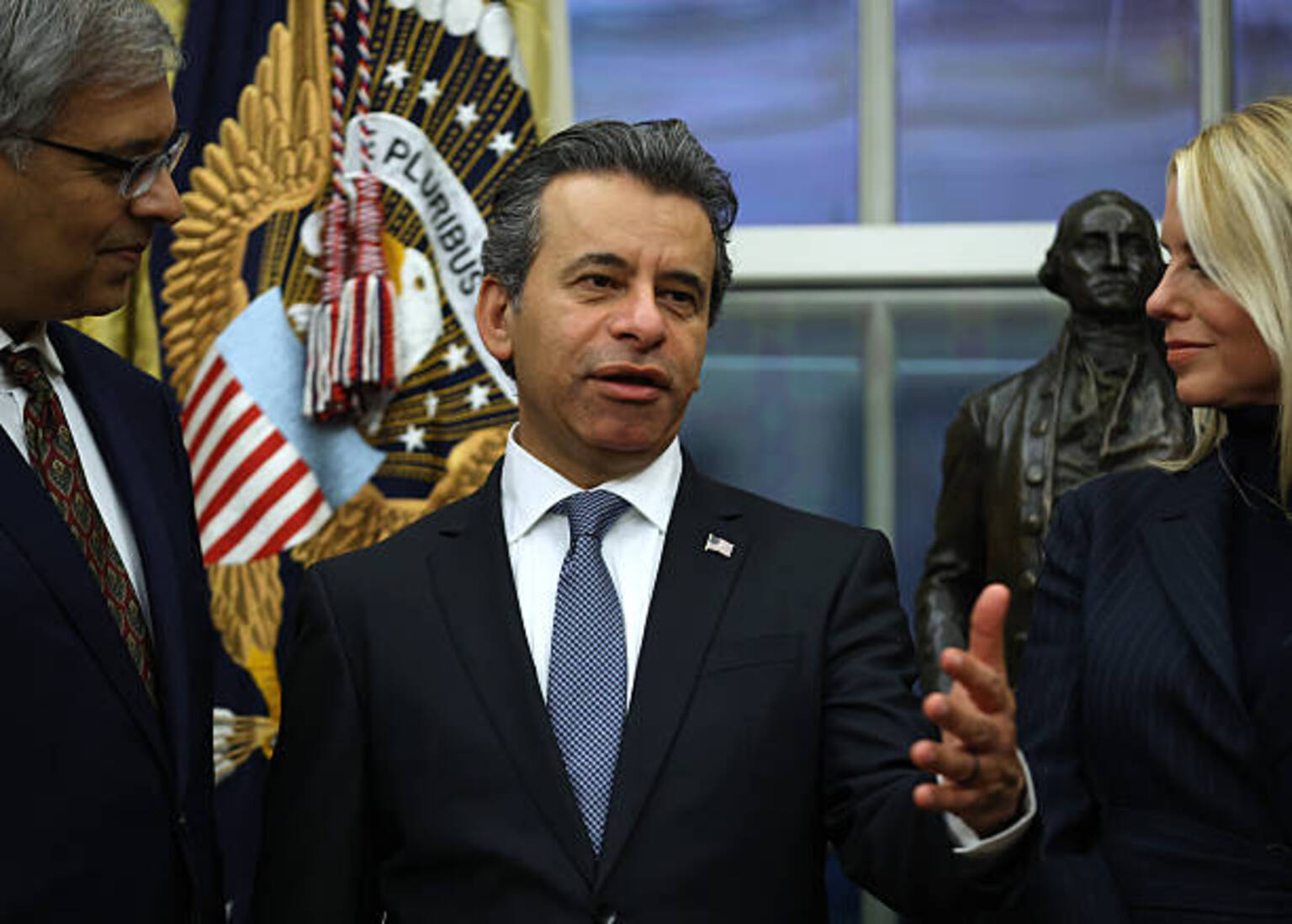
FDA Commissioner Marty Makary Ousted Amid Controversies

- Leadership Change at FDA: Marty Makary's departure on Tuesday, with Deputy Commissioner Kyle Diamantas stepping in as acting commissioner, reflects growing dissatisfaction within the Trump administration regarding the FDA's chaotic management, potentially impacting the agency's policy direction and industry trust.
- Industry Reactions: Under Makary's tenure, the FDA faced significant controversies, particularly with Replimune criticizing the agency for rejecting its melanoma treatment, which led to an over 8% rise in its stock on Tuesday, indicating market sensitivity to FDA decisions.
- Regulatory Decision Controversies: Makary's term has been marred by accusations of conflicts of interest in FDA regulatory decisions, and the use of “expert panels” often contradicting mainstream medical opinions, which may undermine public trust in the agency.
- Impact on Other Companies: Companies like Regenxbio and Moderna also faced FDA rejections during Makary's leadership, affecting their product approval timelines and potentially leading to negative implications for future R&D investment decisions.
See More
Pfizer's Growth Potential Through New Products and Pipeline Progress
- New Product Sales Growth: Pfizer's respiratory syncytial virus vaccine, Abrysvo, generated $180 million in sales in Q1, reflecting a 37% year-over-year increase, indicating the potential of new products to drive revenue despite challenges from traditional drugs like Eliquis facing patent expirations.
- Financial Performance Volatility: Pfizer's revenue grew 5% year-over-year to $14.5 billion in Q1; however, financial results may worsen due to patent cliffs, with the market seemingly pricing this in, suggesting that stock prices could rebound as new products gain traction.
- Pipeline Outlook: Pfizer is set to initiate around 20 pivotal studies by 2026, with promising candidates like Ecnoglutide for obesity management recently approved in China, indicating potential new revenue streams in the anti-obesity market.
- Long-Term Investment Opportunity: As Pfizer's pipeline progresses, particularly with drugs entering clinical phases, the stock is expected to perform well through 2031 and beyond, making it a compelling option for long-term investors looking to capitalize on future growth.
See More

Rigel Partners with Arvinas and Pfizer for Breast Cancer Treatment
- FDA Approval: Vepdegestrant, branded as Veppanu, received FDA approval earlier this month, becoming the only FDA-approved oral PROTAC therapy, which is expected to drive Rigel's cancer treatment portfolio expansion and enhance market competitiveness.
- Financial Gains from Agreement: Rigel will receive $70 million upfront and an additional $15 million upon completion of transition activities, along with potential future milestone payments of up to $320 million, significantly improving the company's financial outlook and investor confidence.
- Positive Stock Reaction: Rigel's shares surged over 15% following the announcement of the agreement, reflecting investor optimism regarding the new drug's market potential and indicating the company's growth prospects in oncology.
- Clinical Data Support: Veppanu demonstrated a 43% reduction in disease progression risk in Phase 3 studies, with a median progression-free survival of five months compared to 2.1 months for the comparator drug Fulvestrant, highlighting its significant therapeutic advantage.
See More

Arvinas and Rigel Reach Licensing Agreement for Breast Cancer Therapy
- Agreement Reached: Arvinas (ARVN) and Pfizer (PFE) have finalized an agreement to sell global licensing rights for their jointly developed breast cancer therapy, Veppanu, to Rigel (RIGL), marking a significant advancement in breast cancer treatment.
- Cash Inflow: Rigel (RIGL) will provide $70 million upfront to Arvinas (ARVN) and Pfizer (PFE), along with an additional $15 million contingent on specific development and manufacturing milestones, significantly enhancing the funding capabilities for ongoing R&D activities.
- Milestone Payments: The agreement includes up to $320 million in milestone payments and tiered royalties on net sales ranging from the mid-teens to mid-20s, indicating substantial market potential for the therapy and promising long-term revenue for the partners.
- Global Market Expansion: Rigel (RIGL) will receive global rights to Veppanu, including sublicensing rights in overseas territories, which not only broadens market reach but also provides Arvinas (ARVN) and Pfizer (PFE) with additional revenue streams, further solidifying their positions in the global biopharmaceutical market.
See More

Pfizer Faces Patent Cliffs and Revenue Decline
- Significant Revenue Decline: Pfizer generated approximately $56.7 billion from COVID product sales in 2022, but this figure is expected to plummet to around $5 billion by 2026, indicating a sharp drop in post-pandemic market demand that pressures future growth prospects.
- Patent Cliff Risks: Several of Pfizer's blockbuster drugs, including Eliquis and Ibrance, are set to lose exclusivity between 2026 and 2030, with the company forecasting a revenue reduction of about $1.5 billion in 2026, which poses a substantial threat to its overall financial health.
- Oncology Business Expansion: Pfizer's acquisition of Seagen has significantly bolstered its cancer drug portfolio, with oncology products now accounting for roughly 27% of total revenue and contributing $10.2 billion in 2025, showcasing the company's strategic positioning in emerging markets.
- Cautious Future Outlook: While Pfizer anticipates revenue between $59.5 billion and $62.5 billion in 2026, the disappointment over EPS forecasts amid patent expirations and declining COVID demand reflects market concerns about its growth trajectory, necessitating close monitoring of its new drug performance.
See More
Pfizer Reports 22% Operational Growth in Q1 Amid Patent Challenges
- Revenue Growth Overview: Pfizer's Q1 revenue saw a modest 2% year-over-year increase, yet the operational growth of 22% from newly launched and acquired products indicates potential in its product pipeline, despite ongoing revenue challenges.
- Patent Risk for Key Drugs: The company's leading drugs, Eliquis and Ibrance, generated a combined $3.2 billion last quarter but are facing imminent patent cliffs, which could further pressure future revenues and impact overall business performance.
- Acquisition Strategy Impact: The acquisition of Seagen for $43 billion has yielded promising results, with Padcev, a cancer treatment, achieving a 39% sales increase to $591 million in Q1, thereby strengthening Pfizer's oncology portfolio and enhancing its market position.
- Investor Sentiment Concerns: Despite Pfizer's low valuation, trading at a forward P/E ratio of just nine, investor interest remains tepid due to uncertainties surrounding future performance, reflected in a mere 4% stock price increase this year, indicating cautious market sentiment regarding its recovery prospects.
See More
FDA Commissioner Marty Makary Ousted Amid Controversies
- Leadership Change at FDA: Marty Makary's departure on Tuesday, with Deputy Commissioner Kyle Diamantas stepping in as acting commissioner, reflects growing dissatisfaction within the Trump administration regarding the FDA's chaotic management, potentially impacting the agency's policy direction and industry trust.
- Industry Reactions: Under Makary's tenure, the FDA faced significant controversies, particularly with Replimune criticizing the agency for rejecting its melanoma treatment, which led to an over 8% rise in its stock on Tuesday, indicating market sensitivity to FDA decisions.
- Regulatory Decision Controversies: Makary's term has been marred by accusations of conflicts of interest in FDA regulatory decisions, and the use of “expert panels” often contradicting mainstream medical opinions, which may undermine public trust in the agency.
- Impact on Other Companies: Companies like Regenxbio and Moderna also faced FDA rejections during Makary's leadership, affecting their product approval timelines and potentially leading to negative implications for future R&D investment decisions.
See More
Pfizer's Growth Potential Through New Products and Pipeline Progress
- New Product Sales Growth: Pfizer's respiratory syncytial virus vaccine, Abrysvo, generated $180 million in sales in Q1, reflecting a 37% year-over-year increase, indicating the potential of new products to drive revenue despite challenges from traditional drugs like Eliquis facing patent expirations.
- Financial Performance Volatility: Pfizer's revenue grew 5% year-over-year to $14.5 billion in Q1; however, financial results may worsen due to patent cliffs, with the market seemingly pricing this in, suggesting that stock prices could rebound as new products gain traction.
- Pipeline Outlook: Pfizer is set to initiate around 20 pivotal studies by 2026, with promising candidates like Ecnoglutide for obesity management recently approved in China, indicating potential new revenue streams in the anti-obesity market.
- Long-Term Investment Opportunity: As Pfizer's pipeline progresses, particularly with drugs entering clinical phases, the stock is expected to perform well through 2031 and beyond, making it a compelling option for long-term investors looking to capitalize on future growth.
See More
Rigel Partners with Arvinas and Pfizer for Breast Cancer Treatment
- FDA Approval: Vepdegestrant, branded as Veppanu, received FDA approval earlier this month, becoming the only FDA-approved oral PROTAC therapy, which is expected to drive Rigel's cancer treatment portfolio expansion and enhance market competitiveness.
- Financial Gains from Agreement: Rigel will receive $70 million upfront and an additional $15 million upon completion of transition activities, along with potential future milestone payments of up to $320 million, significantly improving the company's financial outlook and investor confidence.
- Positive Stock Reaction: Rigel's shares surged over 15% following the announcement of the agreement, reflecting investor optimism regarding the new drug's market potential and indicating the company's growth prospects in oncology.
- Clinical Data Support: Veppanu demonstrated a 43% reduction in disease progression risk in Phase 3 studies, with a median progression-free survival of five months compared to 2.1 months for the comparator drug Fulvestrant, highlighting its significant therapeutic advantage.
See More
Arvinas and Rigel Reach Licensing Agreement for Breast Cancer Therapy
- Agreement Reached: Arvinas (ARVN) and Pfizer (PFE) have finalized an agreement to sell global licensing rights for their jointly developed breast cancer therapy, Veppanu, to Rigel (RIGL), marking a significant advancement in breast cancer treatment.
- Cash Inflow: Rigel (RIGL) will provide $70 million upfront to Arvinas (ARVN) and Pfizer (PFE), along with an additional $15 million contingent on specific development and manufacturing milestones, significantly enhancing the funding capabilities for ongoing R&D activities.
- Milestone Payments: The agreement includes up to $320 million in milestone payments and tiered royalties on net sales ranging from the mid-teens to mid-20s, indicating substantial market potential for the therapy and promising long-term revenue for the partners.
- Global Market Expansion: Rigel (RIGL) will receive global rights to Veppanu, including sublicensing rights in overseas territories, which not only broadens market reach but also provides Arvinas (ARVN) and Pfizer (PFE) with additional revenue streams, further solidifying their positions in the global biopharmaceutical market.
See More
Pfizer Faces Patent Cliffs and Revenue Decline
- Significant Revenue Decline: Pfizer generated approximately $56.7 billion from COVID product sales in 2022, but this figure is expected to plummet to around $5 billion by 2026, indicating a sharp drop in post-pandemic market demand that pressures future growth prospects.
- Patent Cliff Risks: Several of Pfizer's blockbuster drugs, including Eliquis and Ibrance, are set to lose exclusivity between 2026 and 2030, with the company forecasting a revenue reduction of about $1.5 billion in 2026, which poses a substantial threat to its overall financial health.
- Oncology Business Expansion: Pfizer's acquisition of Seagen has significantly bolstered its cancer drug portfolio, with oncology products now accounting for roughly 27% of total revenue and contributing $10.2 billion in 2025, showcasing the company's strategic positioning in emerging markets.
- Cautious Future Outlook: While Pfizer anticipates revenue between $59.5 billion and $62.5 billion in 2026, the disappointment over EPS forecasts amid patent expirations and declining COVID demand reflects market concerns about its growth trajectory, necessitating close monitoring of its new drug performance.
See More