FAA Acknowledges Failure to Act on Warnings Before Fatal Collision
Written by Emily J. Thompson, Senior Investment Analyst
Updated: 40 minutes ago
0mins
Should l Buy AAL?
Source: Newsfilter
- Incident Background: The head of the Federal Aviation Administration (FAA) will testify before Congress, admitting that the agency failed to act prior to the January 2025 fatal collision between an American Airlines regional jet and an Army helicopter, resulting in 67 fatalities, highlighting a significant oversight in FAA's aviation safety management.
- Data Warnings Not Translated: FAA Administrator Bryan Bedford stated that the system had issued warning signals before the incident, indicating that the issue was not a lack of data but rather a failure to translate that data into effective action, which directly led to the tragedy.
- Urgent Remedial Measures: Bedford emphasized that the FAA is urgently addressing the gap between data and action, demonstrating the agency's commitment to aviation safety and preventive measures against similar future incidents.
- Significance of Congressional Hearing: This hearing will serve as a crucial opportunity for the FAA to improve its aviation safety management, potentially prompting legislative bodies to reassess FAA's oversight and resource allocation to ensure effective future aviation safety.
Trade with 70% Backtested Accuracy
Stop guessing "Should I Buy AAL?" and start using high-conviction signals backed by rigorous historical data.
Sign up today to access powerful investing tools and make smarter, data-driven decisions.
Analyst Views on AAL
Wall Street analysts forecast AAL stock price to rise
15 Analyst Rating
7 Buy
7 Hold
1 Sell
Moderate Buy
Current: 12.310

Low
11.00
Averages
17.93
High
22.00
Current: 12.310
Low
11.00
Averages
17.93
High
22.00
About AAL
American Airlines Group Inc. is a holding company. Its primary business activity is the operation of a major network air carrier, providing scheduled air transportation for passengers and cargo through its hubs in Charlotte, Chicago, Dallas/Fort Worth, Los Angeles, Miami, New York, Philadelphia, Phoenix and Washington, D.C. and partner gateways, including in London, Doha, Madrid, Seattle/Tacoma, Sydney and Tokyo, among others. Together with its regional airline subsidiaries and third-party regional carriers operating as American Eagle. Its cargo division provides a wide range of freight and mail services, with facilities and interline connections available across the globe. It operates approximately 977 mainline aircraft supported by its regional airline subsidiaries and third-party regional carriers, which together operate an additional 585 regional aircraft. Its subsidiaries include American Airlines, Inc., Envoy Aviation Group Inc., PSA Airlines, Inc. and Piedmont Airlines, Inc.
About the author

Emily J. Thompson
Emily J. Thompson, a Chartered Financial Analyst (CFA) with 12 years in investment research, graduated with honors from the Wharton School. Specializing in industrial and technology stocks, she provides in-depth analysis for Intellectia’s earnings and market brief reports.
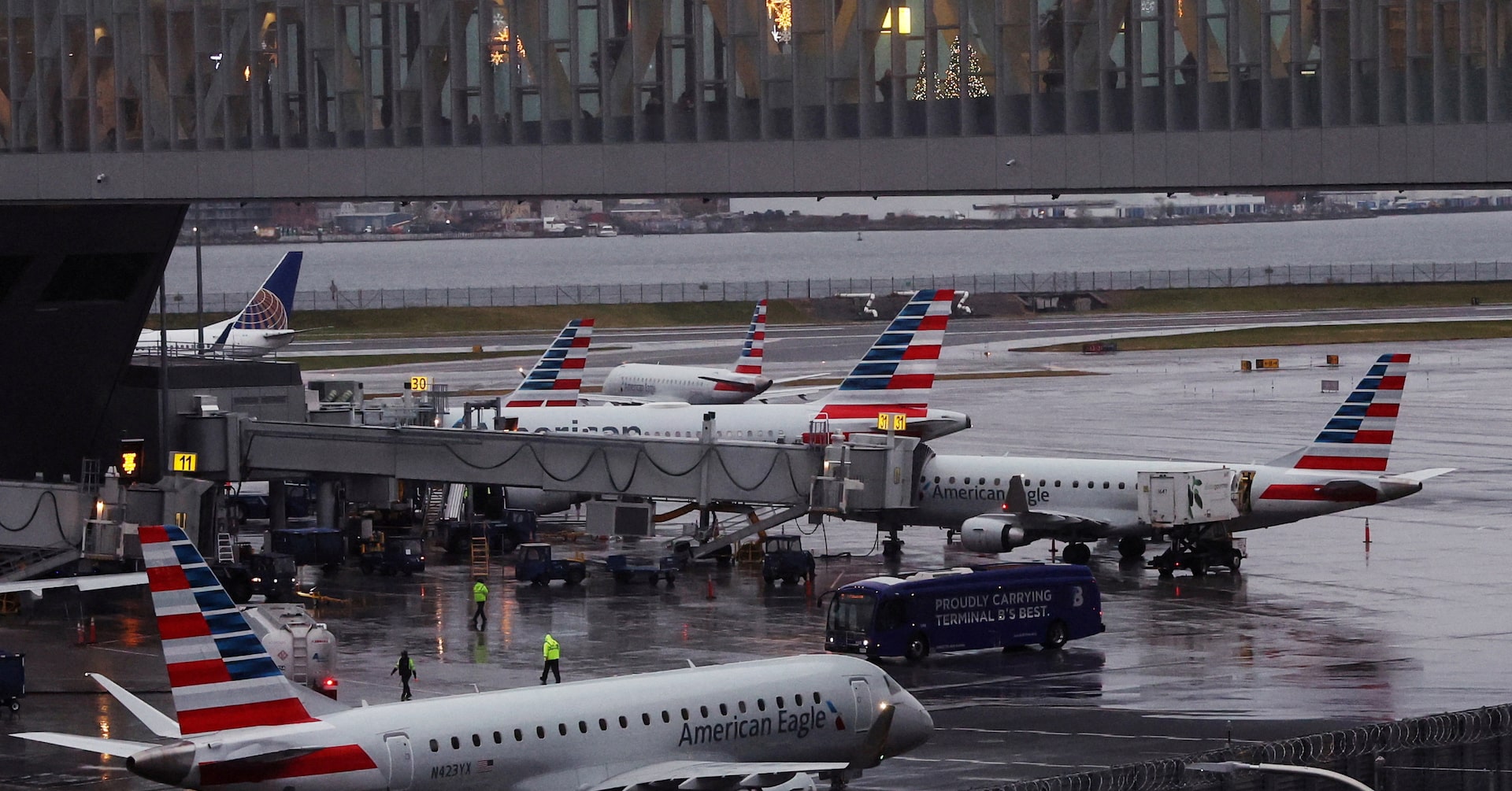
FAA Acknowledges Failure to Act on Warnings Before Fatal Collision
- Incident Background: The head of the Federal Aviation Administration (FAA) will testify before Congress, admitting that the agency failed to act prior to the January 2025 fatal collision between an American Airlines regional jet and an Army helicopter, resulting in 67 fatalities, highlighting a significant oversight in FAA's aviation safety management.
- Data Warnings Not Translated: FAA Administrator Bryan Bedford stated that the system had issued warning signals before the incident, indicating that the issue was not a lack of data but rather a failure to translate that data into effective action, which directly led to the tragedy.
- Urgent Remedial Measures: Bedford emphasized that the FAA is urgently addressing the gap between data and action, demonstrating the agency's commitment to aviation safety and preventive measures against similar future incidents.
- Significance of Congressional Hearing: This hearing will serve as a crucial opportunity for the FAA to improve its aviation safety management, potentially prompting legislative bodies to reassess FAA's oversight and resource allocation to ensure effective future aviation safety.
See More
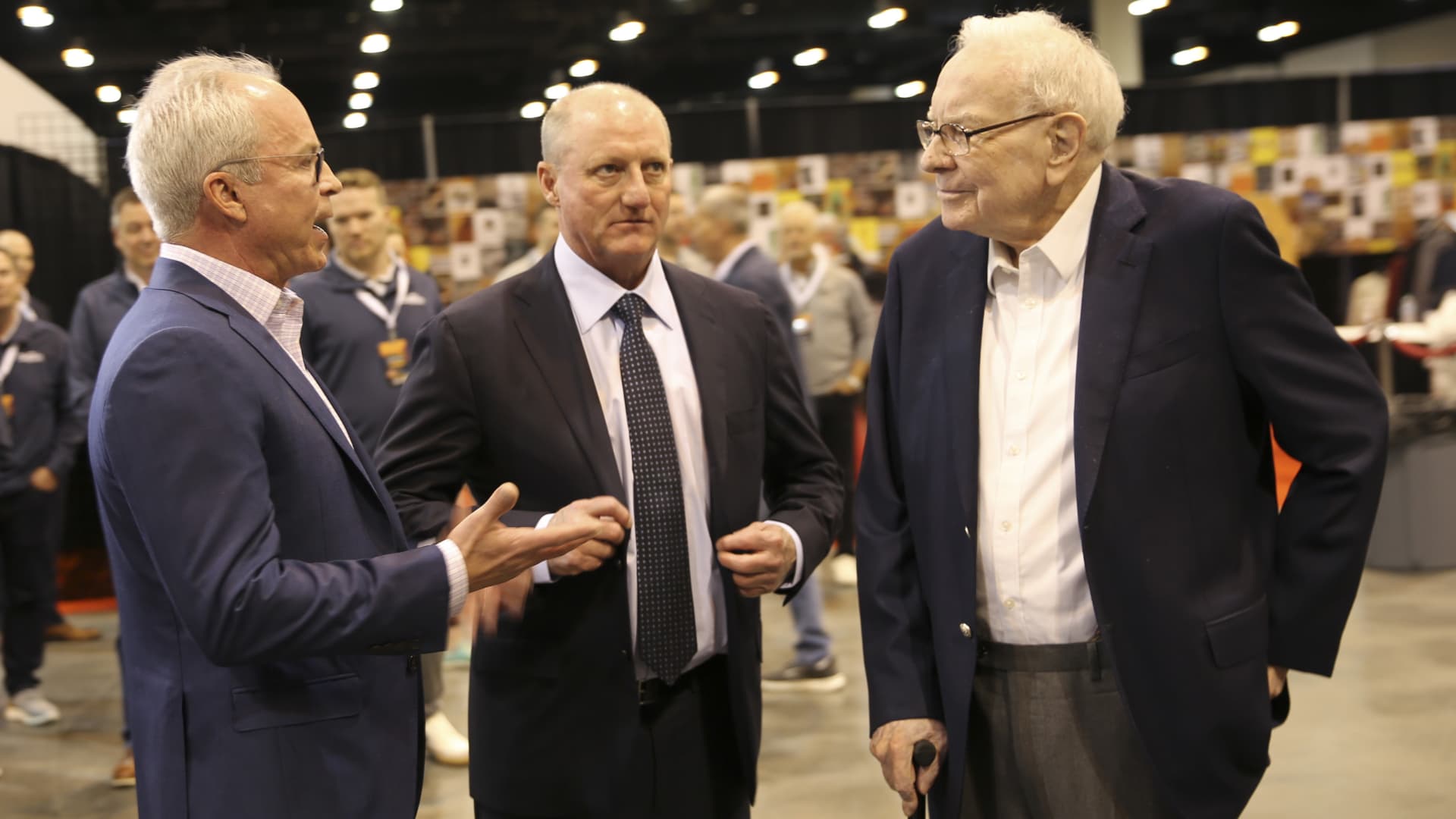
Berkshire Hathaway's Portfolio Revamp Triggers Stock Market Fluctuations


- Portfolio Restructuring: Under new CEO Greg Abel, Berkshire Hathaway's latest quarterly filing reveals a purchase of 39.8 million shares in Delta Airlines valued at $2.6 billion, making it the company's 14th largest holding, indicating a renewed confidence in the airline sector.
- Tech Stock Increase: Alphabet, Google's parent company, saw an increase of 58 million shares, up 224%, becoming Berkshire's seventh largest holding, despite a 0.6% drop in early trading, reflecting the market's mixed sentiment towards tech stocks.
- New Investments and Reductions: Berkshire initiated a new stake in Macy's while reducing its Chevron holdings by 35%, selling $8 billion worth of shares, with Macy's stock rising 5% in premarket trading, indicating optimism in retail stocks.
- Complete Exit from Amazon: Berkshire fully exited its investment in Amazon by selling 2.3 million shares in Q1, marking an adaptation to changing consumer behaviors post-pandemic, with Amazon's stock down 0.7% in early trading.
See More

Buffett Reinvests in Delta Airlines After Six Years

- Buffett's Return to Airlines: Under new CEO Greg Abel, Berkshire Hathaway's first 13F filing reveals a $2.65 billion investment in Delta Airlines, making it the 14th largest holding with a 6.1% stake, indicating a renewed confidence in the airline sector.
- Delta's Revenue Growth: In Q1 2026, Delta's adjusted operating revenue reached a record $14.2 billion, up 9.4% year-over-year, with high-margin premium products and loyalty revenue growing by 14% and 13% respectively, showcasing the company's successful transformation into a brand with significant value.
- Fuel Cost Challenges: Despite facing a doubling of fuel prices due to Middle East conflicts, leading to over $2 billion in additional costs expected in Q2, Delta is responding by trimming capacity and raising fares to recover 40% to 50% of the increased costs.
- Long-Term Growth Potential: Delta's management projects adjusted earnings per share for 2026 to be between $6.50 and $7.50, implying about 20% growth at the midpoint, with the current stock price around $72 trading at approximately 10 times earnings, presenting a favorable investment opportunity.
See More
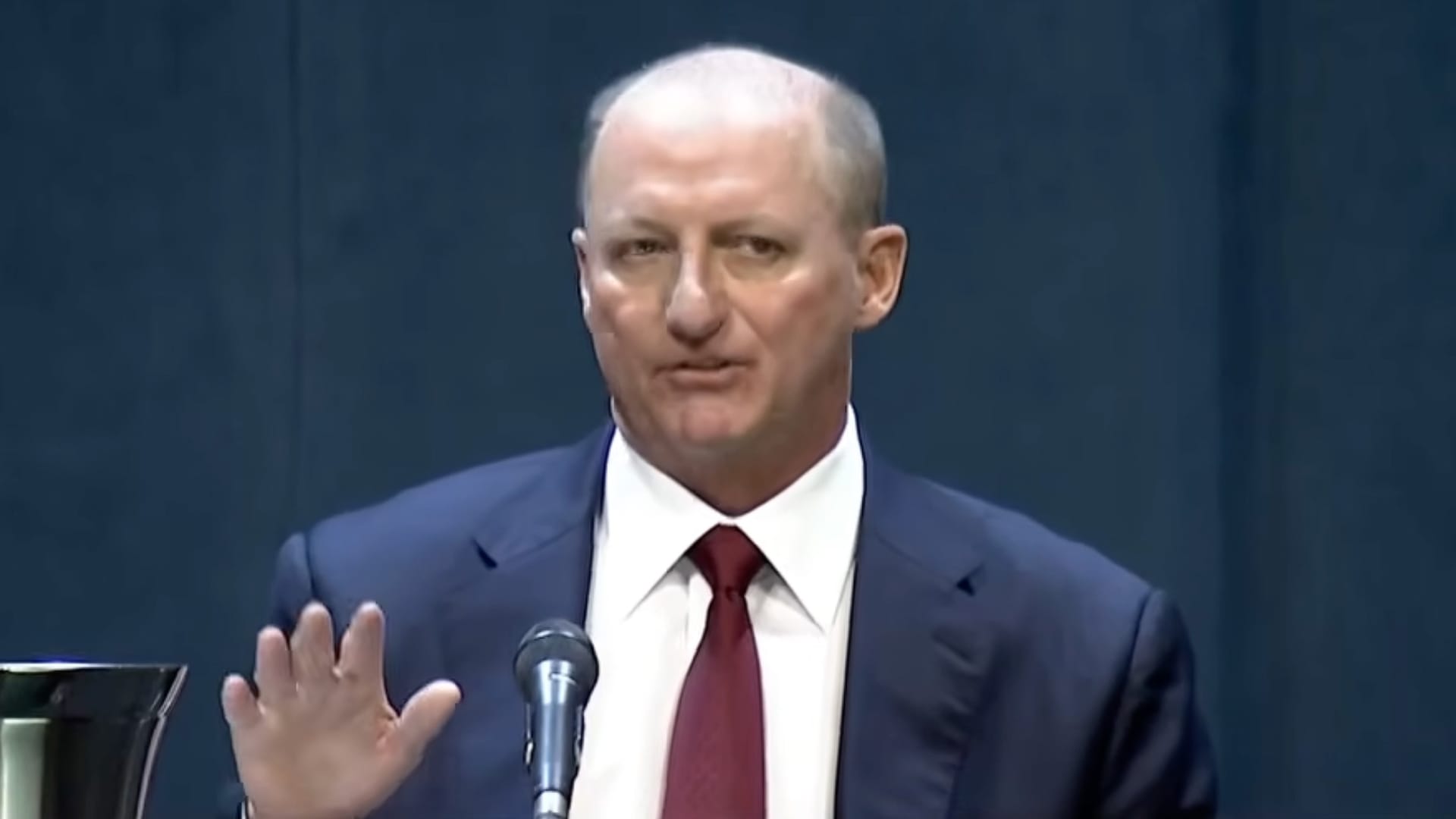
Berkshire Hathaway's Major Portfolio Overhaul Under Greg Abel


- Portfolio Restructuring: Under Greg Abel's leadership, Berkshire Hathaway's equity portfolio underwent significant changes in the first three months, adding Delta Air Lines and Macy's, indicating a renewed focus on the airline and retail sectors.
- Massive Alphabet Stake Increase: Berkshire increased its stake in Google's parent company Alphabet by 224% in Q1, making it the company's seventh-largest holding with a market value of $16.6 billion, and the stock has rallied 38% since, showcasing the success of this decision.
- Reduction in Holdings: Abel dramatically cut the number of companies in the portfolio, selling off major stakes including Amazon and Visa, with Amazon's shares reduced from 10 million to 2.3 million, reflecting a significant strategic shift in investment focus.
- Return to Delta Airlines: Berkshire purchased 39.8 million shares of Delta Air Lines in Q1, currently valued at $2.8 billion, marking the company's first return to airline stocks since 2020, demonstrating confidence in the recovery of the airline industry.
See More

Berkshire Hathaway Reenters Airline Sector with Delta Stake

- Delta Stake Acquisition: Berkshire Hathaway has acquired a stake in Delta Air Lines worth over $2.6 billion, making it the company's 14th largest holding, marking a return to the airline sector after exiting during the pandemic, indicating confidence in the industry's recovery.
- Portfolio Rebalancing: In the first quarter, Berkshire trimmed its stake in Chevron while significantly increasing its investment in Alphabet, now the seventh largest holding, reflecting a strategic shift towards technology stocks.
- Stock Sales: The conglomerate sold several stocks last quarter, including Mastercard and Visa, likely to unwind positions tied to departed investment manager Todd Combs, showcasing a strategic adjustment following management changes.
- Increased Cash Reserves: Buffett acknowledged the current investment environment is not ideal, with Berkshire's cash reserves nearing $400 billion, indicating challenges in finding suitable investment opportunities.
See More
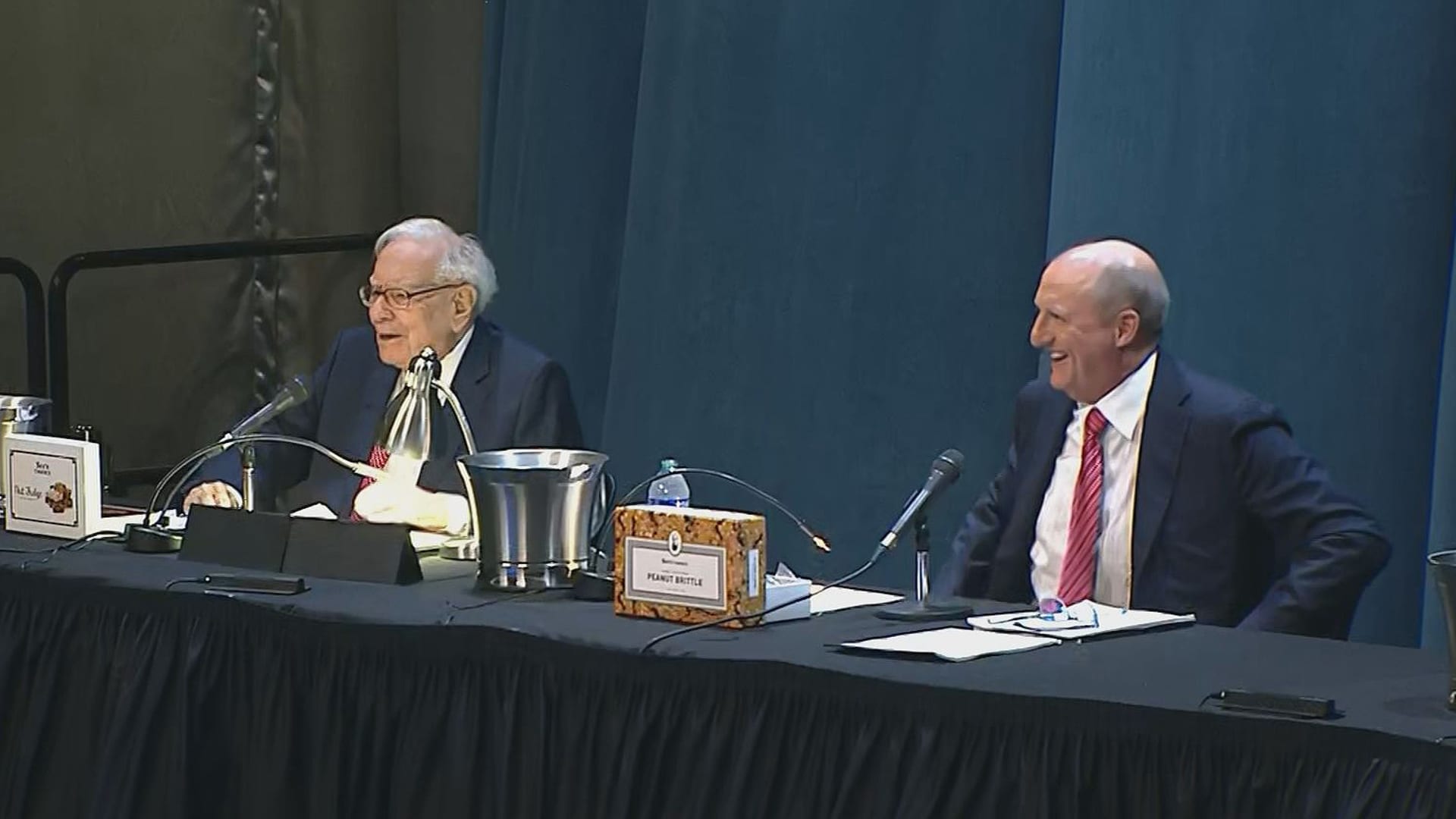
Berkshire Hathaway Reenters Airline Sector with Delta Stake
- Return to Airlines: Berkshire Hathaway has acquired a stake worth over $2.6 billion in Delta Air Lines, marking its return to the airline industry after exiting entirely during the pandemic in 2020, which reflects confidence in the recovery of the aviation market.
- Portfolio Adjustments: In the first quarter, Berkshire trimmed its stake in Chevron while significantly increasing its investment in Alphabet, now its seventh-largest holding, indicating a strategic shift towards technology stocks.
- Impact of Executive Changes: Following the departure of investment manager Todd Combs, Berkshire sold several stocks last quarter, including a complete exit from Amazon, highlighting the necessity of adjusting investment strategies in response to leadership changes.
- Cash Reserve Challenges: Buffett acknowledged the current investment environment is not ideal, with Berkshire's cash reserves nearing $400 billion; nevertheless, the company resumed stock buybacks in the first quarter, signaling a search for suitable investment opportunities.
See More
FAA Acknowledges Failure to Act on Warnings Before Fatal Collision
- Incident Background: The head of the Federal Aviation Administration (FAA) will testify before Congress, admitting that the agency failed to act prior to the January 2025 fatal collision between an American Airlines regional jet and an Army helicopter, resulting in 67 fatalities, highlighting a significant oversight in FAA's aviation safety management.
- Data Warnings Not Translated: FAA Administrator Bryan Bedford stated that the system had issued warning signals before the incident, indicating that the issue was not a lack of data but rather a failure to translate that data into effective action, which directly led to the tragedy.
- Urgent Remedial Measures: Bedford emphasized that the FAA is urgently addressing the gap between data and action, demonstrating the agency's commitment to aviation safety and preventive measures against similar future incidents.
- Significance of Congressional Hearing: This hearing will serve as a crucial opportunity for the FAA to improve its aviation safety management, potentially prompting legislative bodies to reassess FAA's oversight and resource allocation to ensure effective future aviation safety.
See More
Berkshire Hathaway's Portfolio Revamp Triggers Stock Market Fluctuations
- Portfolio Restructuring: Under new CEO Greg Abel, Berkshire Hathaway's latest quarterly filing reveals a purchase of 39.8 million shares in Delta Airlines valued at $2.6 billion, making it the company's 14th largest holding, indicating a renewed confidence in the airline sector.
- Tech Stock Increase: Alphabet, Google's parent company, saw an increase of 58 million shares, up 224%, becoming Berkshire's seventh largest holding, despite a 0.6% drop in early trading, reflecting the market's mixed sentiment towards tech stocks.
- New Investments and Reductions: Berkshire initiated a new stake in Macy's while reducing its Chevron holdings by 35%, selling $8 billion worth of shares, with Macy's stock rising 5% in premarket trading, indicating optimism in retail stocks.
- Complete Exit from Amazon: Berkshire fully exited its investment in Amazon by selling 2.3 million shares in Q1, marking an adaptation to changing consumer behaviors post-pandemic, with Amazon's stock down 0.7% in early trading.
See More
Buffett Reinvests in Delta Airlines After Six Years
- Buffett's Return to Airlines: Under new CEO Greg Abel, Berkshire Hathaway's first 13F filing reveals a $2.65 billion investment in Delta Airlines, making it the 14th largest holding with a 6.1% stake, indicating a renewed confidence in the airline sector.
- Delta's Revenue Growth: In Q1 2026, Delta's adjusted operating revenue reached a record $14.2 billion, up 9.4% year-over-year, with high-margin premium products and loyalty revenue growing by 14% and 13% respectively, showcasing the company's successful transformation into a brand with significant value.
- Fuel Cost Challenges: Despite facing a doubling of fuel prices due to Middle East conflicts, leading to over $2 billion in additional costs expected in Q2, Delta is responding by trimming capacity and raising fares to recover 40% to 50% of the increased costs.
- Long-Term Growth Potential: Delta's management projects adjusted earnings per share for 2026 to be between $6.50 and $7.50, implying about 20% growth at the midpoint, with the current stock price around $72 trading at approximately 10 times earnings, presenting a favorable investment opportunity.
See More
Berkshire Hathaway's Major Portfolio Overhaul Under Greg Abel
- Portfolio Restructuring: Under Greg Abel's leadership, Berkshire Hathaway's equity portfolio underwent significant changes in the first three months, adding Delta Air Lines and Macy's, indicating a renewed focus on the airline and retail sectors.
- Massive Alphabet Stake Increase: Berkshire increased its stake in Google's parent company Alphabet by 224% in Q1, making it the company's seventh-largest holding with a market value of $16.6 billion, and the stock has rallied 38% since, showcasing the success of this decision.
- Reduction in Holdings: Abel dramatically cut the number of companies in the portfolio, selling off major stakes including Amazon and Visa, with Amazon's shares reduced from 10 million to 2.3 million, reflecting a significant strategic shift in investment focus.
- Return to Delta Airlines: Berkshire purchased 39.8 million shares of Delta Air Lines in Q1, currently valued at $2.8 billion, marking the company's first return to airline stocks since 2020, demonstrating confidence in the recovery of the airline industry.
See More
Berkshire Hathaway Reenters Airline Sector with Delta Stake
- Delta Stake Acquisition: Berkshire Hathaway has acquired a stake in Delta Air Lines worth over $2.6 billion, making it the company's 14th largest holding, marking a return to the airline sector after exiting during the pandemic, indicating confidence in the industry's recovery.
- Portfolio Rebalancing: In the first quarter, Berkshire trimmed its stake in Chevron while significantly increasing its investment in Alphabet, now the seventh largest holding, reflecting a strategic shift towards technology stocks.
- Stock Sales: The conglomerate sold several stocks last quarter, including Mastercard and Visa, likely to unwind positions tied to departed investment manager Todd Combs, showcasing a strategic adjustment following management changes.
- Increased Cash Reserves: Buffett acknowledged the current investment environment is not ideal, with Berkshire's cash reserves nearing $400 billion, indicating challenges in finding suitable investment opportunities.
See More
Berkshire Hathaway Reenters Airline Sector with Delta Stake
- Return to Airlines: Berkshire Hathaway has acquired a stake worth over $2.6 billion in Delta Air Lines, marking its return to the airline industry after exiting entirely during the pandemic in 2020, which reflects confidence in the recovery of the aviation market.
- Portfolio Adjustments: In the first quarter, Berkshire trimmed its stake in Chevron while significantly increasing its investment in Alphabet, now its seventh-largest holding, indicating a strategic shift towards technology stocks.
- Impact of Executive Changes: Following the departure of investment manager Todd Combs, Berkshire sold several stocks last quarter, including a complete exit from Amazon, highlighting the necessity of adjusting investment strategies in response to leadership changes.
- Cash Reserve Challenges: Buffett acknowledged the current investment environment is not ideal, with Berkshire's cash reserves nearing $400 billion; nevertheless, the company resumed stock buybacks in the first quarter, signaling a search for suitable investment opportunities.
See More