ExxonMobil's Competitive Edge in Oil and Gas Market
Written by Emily J. Thompson, Senior Investment Analyst
Updated: Mar 23 2026
0mins


Source: NASDAQ.COM
- Low-Cost, High-Return Assets: ExxonMobil's assets in Guyana and the Permian Basin are characterized by low production costs and high returns, with projections indicating that by 2030, these assets will account for 65% of its upstream production, thereby enhancing the company's stability in a volatile oil and gas market.
- Technology-Driven Efficiency: The company is leveraging technologies such as cube development and lightweight proppants to enhance drilling efficiency and maximize well performance, which is expected to drive cash flow growth, especially as Brent crude oil prices surge past $100.
- Stable Revenue Sources: Enterprise Products Partners operates over 50,000 miles of pipelines and 300 million barrels of liquid storage, ensuring that approximately 82% of its gross operating margin is fee-based and volume-based, significantly reducing its vulnerability to fluctuations in oil and gas prices.
- Impact of Middle East Conflict: The ongoing conflict in Iran poses near-term challenges for both ExxonMobil and SLB, with SLB projecting a decline in earnings per share of $0.06 to $0.09; however, if the situation stabilizes, the demand for SLB's technology could surge, presenting a potential investment opportunity.
Trade with 70% Backtested Accuracy
Stop guessing "Should I Buy XOM?" and start using high-conviction signals backed by rigorous historical data.
Sign up today to access powerful investing tools and make smarter, data-driven decisions.
Analyst Views on XOM
Wall Street analysts forecast XOM stock price to fall
19 Analyst Rating
12 Buy
7 Hold
0 Sell
Moderate Buy
Current: 160.780

Low
114.00
Averages
132.17
High
158.00
Current: 160.780
Low
114.00
Averages
132.17
High
158.00
About XOM
Exxon Mobil Corporation is an energy provider and chemical manufacturer. The Company’s principal business involves exploration for, and production of, crude oil and natural gas; the manufacture, trade, transport and sale of crude oil, natural gas, petroleum products, petrochemicals and a wide variety of specialty products; and pursuit of lower-emission and other new business opportunities, including carbon capture and storage, hydrogen, lower-emission fuels, Proxxima systems, carbon materials, and lithium. Its Upstream segment explores for and produces crude oil and natural gas. The Energy Products, Chemical Products, and Specialty Products segments manufacture and sell petroleum products and petrochemicals. Energy Products segment includes fuels, aromatics, and catalysts and licensing. Chemical Products segment consists of olefins, polyolefins, and intermediates. Specialty Products segment includes finished lubricants, basestocks and waxes, synthetics, and elastomers and resins.
About the author

Emily J. Thompson
Emily J. Thompson, a Chartered Financial Analyst (CFA) with 12 years in investment research, graduated with honors from the Wharton School. Specializing in industrial and technology stocks, she provides in-depth analysis for Intellectia’s earnings and market brief reports.

ExxonMobil Shares Surge 11.3% Amid Rising Oil Prices

- Surge in Oil Prices: Crude oil prices soared in March, with Brent rising 43% to nearly $104 per barrel due to U.S. and Israeli military actions against Iran, directly contributing to ExxonMobil's 11.3% stock price increase.
- Supply Constraints: Iran's attacks on energy infrastructure have effectively closed the Strait of Hormuz, choking off 20% of global oil and LNG supplies, which is expected to further elevate oil prices and enhance Exxon's profitability.
- Return to Venezuela: ExxonMobil expressed interest in returning to Venezuela under favorable investment terms, leveraging its improved technical expertise in heavy oil, which could significantly boost the company's long-term growth profile.
- LNG Project Milestone: Exxon and QatarEnergy completed the first LNG train at their Golden Pass project in Texas, with an initial capacity of 6 million tonnes per annum, set to ramp up to 18 million tonnes, coinciding with disruptions in Qatar's LNG operations due to the Iran conflict, making the project's timing critical.
See More

Global Energy Market Faces Structural Crisis Amid Middle East Conflict

- Strait of Hormuz Oil Flow Collapse: According to BofA Global Research, oil and product movements through the Strait of Hormuz have plummeted from approximately 20 million barrels per day to under 2 million barrels per day, and if this situation persists for several weeks, the global supply chain risks a breakdown reminiscent of the energy crises of the 1970s.
- Price Restructuring and Supply Deficit: Although global oil prices have not yet fully reflected the magnitude of this shock, BofA has revised its baseline forecasts, now projecting a massive 4 million barrels per day supply deficit for Q2 2026 and raising its Brent crude average forecast to $92.50 per barrel, indicating a growing divergence between producers and consumers.
- Rising Demand Rationing Risks: The lack of immediate alternatives to oil, especially in transportation and petrochemical sectors, poses significant risks of demand rationing, with BofA analysts warning that if the conflict extends beyond 2 to 4 weeks, the global oil supply chain may reach a breaking point, necessitating mandatory reductions in energy consumption to balance the market.
- Monitoring for International Intervention: Markets are closely monitoring whether emergency international intervention can restore maritime security before inventory buffers in consuming nations are completely exhausted, as the dual pressures of high energy costs and the inability to transport products create a stagflationary drag on global growth.
See More

Iran War Fuels Surge in Crude Prices Benefiting ExxonMobil
- Surge in Crude Prices: Following military strikes by the U.S. and Israel against Iran, Brent crude prices surged 43% in March, closing near $104 per barrel, marking the best monthly gain since May 2020, which directly propelled ExxonMobil's stock price upward.
- Strategic Adjustments: ExxonMobil has focused on enhancing profitability in low oil price environments over the past few years through structural cost savings and investments in high-margin projects, significantly boosting its profitability in the current high oil price context.
- Return to Venezuela Plans: ExxonMobil expressed interest in returning to Venezuela under favorable investment terms, leveraging its technical expertise in heavy oil to potentially achieve greater success in the country, thereby enhancing the company's long-term growth profile.
- LNG Project Progress: ExxonMobil and QatarEnergy completed the first LNG train at their Golden Pass joint venture in Texas, with an initial capacity of 6 million tonnes per annum, and a full operational capacity of 18 million tonnes per annum, coming online at a critical time as the Iran war impacts Qatar's LNG operations.
See More

Private Jet Travel Faces Challenges Amid Soaring Fuel Prices

- Fuel Price Surge Impact: The Iran war has driven jet fuel prices to an average of $4.65 per gallon globally, significantly increasing private flight costs, with Vimana recently booking a $520,000 flight from Dubai to London, up from $400,000 in 2023, reflecting a 30% increase.
- Rising Flight Prices: Since the onset of the Iran conflict, jet charter prices have surged by an average of 5% to 15%, with some flights experiencing increases of up to 20%, leading affluent travelers to face unexpected fees, although they are generally less sensitive to price fluctuations.
- Steady Market Demand: Despite soaring fuel prices, the private flying market remains robust, with WingX reporting a 5% year-over-year increase in flights for the week ending March 22, and Flexjet noting a 15% rise in utilization among fractional owners, indicating sustained demand from high-net-worth clients.
- Airlines' Response Strategies: Some operators are mitigating costs by refueling in countries with cheaper fuel, even if it results in longer flight times; however, clients continue to prefer private flights to avoid long airport lines, especially during disruptions caused by government shutdowns.
See More

Iran and Oman Protocol Raises Market Hopes for Strait of Hormuz

- Oil Price Surge: Oil prices surged significantly as Iran and Oman drafted a protocol for monitoring the Strait of Hormuz, with U.S. crude futures jumping nearly 12% to $112.06 per barrel, indicating market optimism about potential supply recovery.
- Brent Crude Spot Price: The spot price for Brent crude soared to $141.36 on Thursday, the highest level since the 2008 financial crisis, reflecting market sensitivity to geopolitical risks and concerns over future supply.
- Asia-Pacific Market Reaction: While the Australian and Hong Kong markets were closed for the Easter holiday, Japan's Nikkei 225 futures rose to 53,285 in Chicago, demonstrating investor optimism about market prospects.
- U.S. Market Volatility: U.S. major indexes experienced volatility amid rising oil prices, with the Dow Jones Industrial Average declining by 61.07 points, yet the S&P 500 managed a slight increase of 0.11%, showcasing the market's adaptability to oil price fluctuations.
See More
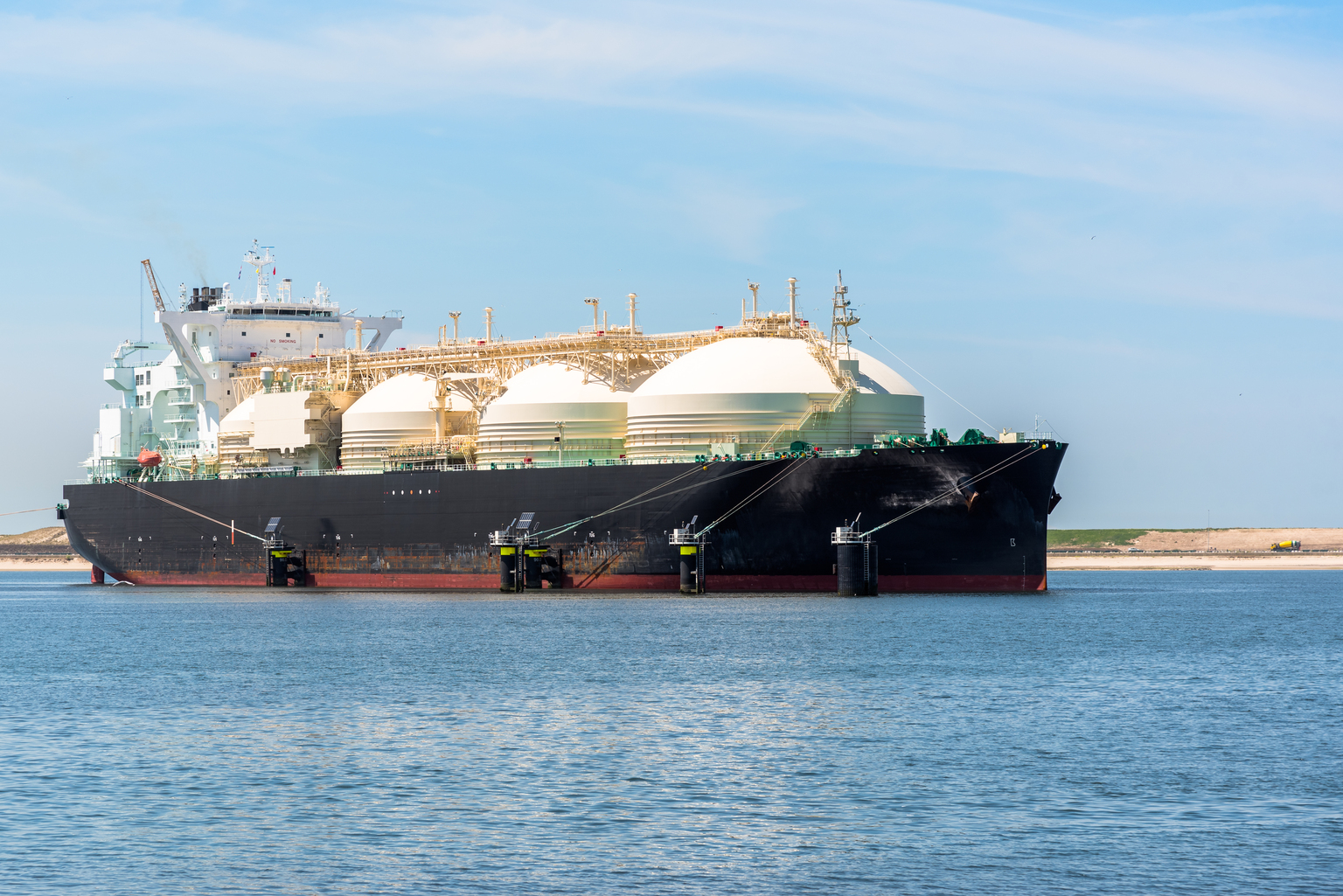
Italy to Receive LNG from Golden Pass Venture Starting June
- Supply Chain Assurance: Italy will start receiving liquefied natural gas from the Golden Pass LNG joint venture between QatarEnergy and Exxon Mobil in June, helping to fill a supply gap caused by disruptions from the Middle East war, ensuring energy supply stability.
- First Delivery: This delivery will mark the first cargo from Golden Pass facilities to Italy's Adriatic LNG terminal, further advancing Italy's energy diversification strategy and reducing reliance on a single source of supply.
- Capacity Recovery: QatarEnergy's CEO stated that Iranian attacks have knocked out 17% of Qatar's LNG export capacity, thus the commissioning of Golden Pass LNG will help restore market supply and alleviate price pressures.
- Long-term Capacity: Once fully operational, the Golden Pass LNG facility will have an annual production capacity of 18 million metric tons, expected to provide a stable supply of liquefied natural gas to Italy and other European markets, enhancing regional energy security.
See More
ExxonMobil Shares Surge 11.3% Amid Rising Oil Prices
- Surge in Oil Prices: Crude oil prices soared in March, with Brent rising 43% to nearly $104 per barrel due to U.S. and Israeli military actions against Iran, directly contributing to ExxonMobil's 11.3% stock price increase.
- Supply Constraints: Iran's attacks on energy infrastructure have effectively closed the Strait of Hormuz, choking off 20% of global oil and LNG supplies, which is expected to further elevate oil prices and enhance Exxon's profitability.
- Return to Venezuela: ExxonMobil expressed interest in returning to Venezuela under favorable investment terms, leveraging its improved technical expertise in heavy oil, which could significantly boost the company's long-term growth profile.
- LNG Project Milestone: Exxon and QatarEnergy completed the first LNG train at their Golden Pass project in Texas, with an initial capacity of 6 million tonnes per annum, set to ramp up to 18 million tonnes, coinciding with disruptions in Qatar's LNG operations due to the Iran conflict, making the project's timing critical.
See More
Global Energy Market Faces Structural Crisis Amid Middle East Conflict
- Strait of Hormuz Oil Flow Collapse: According to BofA Global Research, oil and product movements through the Strait of Hormuz have plummeted from approximately 20 million barrels per day to under 2 million barrels per day, and if this situation persists for several weeks, the global supply chain risks a breakdown reminiscent of the energy crises of the 1970s.
- Price Restructuring and Supply Deficit: Although global oil prices have not yet fully reflected the magnitude of this shock, BofA has revised its baseline forecasts, now projecting a massive 4 million barrels per day supply deficit for Q2 2026 and raising its Brent crude average forecast to $92.50 per barrel, indicating a growing divergence between producers and consumers.
- Rising Demand Rationing Risks: The lack of immediate alternatives to oil, especially in transportation and petrochemical sectors, poses significant risks of demand rationing, with BofA analysts warning that if the conflict extends beyond 2 to 4 weeks, the global oil supply chain may reach a breaking point, necessitating mandatory reductions in energy consumption to balance the market.
- Monitoring for International Intervention: Markets are closely monitoring whether emergency international intervention can restore maritime security before inventory buffers in consuming nations are completely exhausted, as the dual pressures of high energy costs and the inability to transport products create a stagflationary drag on global growth.
See More
Iran War Fuels Surge in Crude Prices Benefiting ExxonMobil
- Surge in Crude Prices: Following military strikes by the U.S. and Israel against Iran, Brent crude prices surged 43% in March, closing near $104 per barrel, marking the best monthly gain since May 2020, which directly propelled ExxonMobil's stock price upward.
- Strategic Adjustments: ExxonMobil has focused on enhancing profitability in low oil price environments over the past few years through structural cost savings and investments in high-margin projects, significantly boosting its profitability in the current high oil price context.
- Return to Venezuela Plans: ExxonMobil expressed interest in returning to Venezuela under favorable investment terms, leveraging its technical expertise in heavy oil to potentially achieve greater success in the country, thereby enhancing the company's long-term growth profile.
- LNG Project Progress: ExxonMobil and QatarEnergy completed the first LNG train at their Golden Pass joint venture in Texas, with an initial capacity of 6 million tonnes per annum, and a full operational capacity of 18 million tonnes per annum, coming online at a critical time as the Iran war impacts Qatar's LNG operations.
See More
Private Jet Travel Faces Challenges Amid Soaring Fuel Prices
- Fuel Price Surge Impact: The Iran war has driven jet fuel prices to an average of $4.65 per gallon globally, significantly increasing private flight costs, with Vimana recently booking a $520,000 flight from Dubai to London, up from $400,000 in 2023, reflecting a 30% increase.
- Rising Flight Prices: Since the onset of the Iran conflict, jet charter prices have surged by an average of 5% to 15%, with some flights experiencing increases of up to 20%, leading affluent travelers to face unexpected fees, although they are generally less sensitive to price fluctuations.
- Steady Market Demand: Despite soaring fuel prices, the private flying market remains robust, with WingX reporting a 5% year-over-year increase in flights for the week ending March 22, and Flexjet noting a 15% rise in utilization among fractional owners, indicating sustained demand from high-net-worth clients.
- Airlines' Response Strategies: Some operators are mitigating costs by refueling in countries with cheaper fuel, even if it results in longer flight times; however, clients continue to prefer private flights to avoid long airport lines, especially during disruptions caused by government shutdowns.
See More
Iran and Oman Protocol Raises Market Hopes for Strait of Hormuz
- Oil Price Surge: Oil prices surged significantly as Iran and Oman drafted a protocol for monitoring the Strait of Hormuz, with U.S. crude futures jumping nearly 12% to $112.06 per barrel, indicating market optimism about potential supply recovery.
- Brent Crude Spot Price: The spot price for Brent crude soared to $141.36 on Thursday, the highest level since the 2008 financial crisis, reflecting market sensitivity to geopolitical risks and concerns over future supply.
- Asia-Pacific Market Reaction: While the Australian and Hong Kong markets were closed for the Easter holiday, Japan's Nikkei 225 futures rose to 53,285 in Chicago, demonstrating investor optimism about market prospects.
- U.S. Market Volatility: U.S. major indexes experienced volatility amid rising oil prices, with the Dow Jones Industrial Average declining by 61.07 points, yet the S&P 500 managed a slight increase of 0.11%, showcasing the market's adaptability to oil price fluctuations.
See More
Italy to Receive LNG from Golden Pass Venture Starting June
- Supply Chain Assurance: Italy will start receiving liquefied natural gas from the Golden Pass LNG joint venture between QatarEnergy and Exxon Mobil in June, helping to fill a supply gap caused by disruptions from the Middle East war, ensuring energy supply stability.
- First Delivery: This delivery will mark the first cargo from Golden Pass facilities to Italy's Adriatic LNG terminal, further advancing Italy's energy diversification strategy and reducing reliance on a single source of supply.
- Capacity Recovery: QatarEnergy's CEO stated that Iranian attacks have knocked out 17% of Qatar's LNG export capacity, thus the commissioning of Golden Pass LNG will help restore market supply and alleviate price pressures.
- Long-term Capacity: Once fully operational, the Golden Pass LNG facility will have an annual production capacity of 18 million metric tons, expected to provide a stable supply of liquefied natural gas to Italy and other European markets, enhancing regional energy security.
See More