Ethereum Is Not Like Nvidia, Amazon, But More Like Intel, Trader Says: 'Negative Revenue Growth And Negative Profitability'
Written by Emily J. Thompson, Senior Investment Analyst
Updated: Jun 24 2024
0mins


Source: Benzinga
- Crypto Market Analysis: Andrew Kang compares Ethereum to tech stocks, noting similarities in price action with May 2021.
- Market Caution: Despite bullish momentum, Kang warns of potential extreme corrections over a multi-month period.
- Skepticism on Support Levels: Kang expresses doubt about support levels holding amidst market disruptions like Mt Gox estate selling and ETF buyers selling.
- Comparison to Tech Companies: Kang draws parallels between Ethereum's valuation and growth prospects to past tech bubbles rather than sustained growth seen in companies like NVIDIA and Amazon.
- Ethereum's Fundamentals: Kang questions Ethereum's high valuation based on negative revenue growth, profitability, and declining interest in NFTs.
Trade with 70% Backtested Accuracy
Stop guessing "Should I Buy NVDA?" and start using high-conviction signals backed by rigorous historical data.
Sign up today to access powerful investing tools and make smarter, data-driven decisions.
Analyst Views on NVDA
Wall Street analysts forecast NVDA stock price to rise
41 Analyst Rating
39 Buy
1 Hold
1 Sell
Strong Buy
Current: 214.250

Low
200.00
Averages
264.97
High
352.00
Current: 214.250
Low
200.00
Averages
264.97
High
352.00
About NVDA
NVIDIA Corporation is an artificial intelligence (AI) infrastructure company. The Company is engaged in accelerated computing to help solve the challenging computational problems. Its segments include Compute & Networking and Graphics. The Compute & Networking segment includes its Data Center accelerated computing and networking platforms and AI solutions and software, and automotive platforms and autonomous and electric vehicle solutions, including software. The Graphics segment includes GeForce GPUs for gaming and personal computers (PCs), and Quadro/NVIDIA RTX GPUs for enterprise workstation graphics. Its technology stack includes the foundational NVIDIA CUDA development platform that runs on all NVIDIA GPUs, as well as hundreds of domain-specific software libraries, frameworks, algorithms, software development kits (SDKs), and application programming interfaces (APIs). Its platforms address four markets, which include Data Center, Gaming, Professional Visualization, and Automotive.
About the author

Emily J. Thompson
Emily J. Thompson, a Chartered Financial Analyst (CFA) with 12 years in investment research, graduated with honors from the Wharton School. Specializing in industrial and technology stocks, she provides in-depth analysis for Intellectia’s earnings and market brief reports.

NVIDIA Launches DSX Platform to Redefine AI Factories

- Platform Innovation: NVIDIA's launch of the DSX platform integrates open-source and modular software, providing a comprehensive playbook for AI factory design, deployment, and operations, aimed at accelerating production and enhancing overall operational efficiency by reducing token costs.
- New Software Release: The DSX MaxLPS software combines 45-degree liquid cooling with in-rack optimization technologies, enabling a 40% increase in token performance within a fixed power budget, significantly lowering operational costs and improving GPU utilization.
- Ecosystem Expansion: NVIDIA is partnering with leading Taiwanese system manufacturers to drive the development of the DSX ecosystem, ensuring extreme co-design for AI factories, facilitating rapid deployment and operation on a global scale.
- Market Responsiveness: The introduction of the DSX platform allows infrastructure builders to simulate the entire factory before investment, validating performance to reduce risk and enhance market responsiveness, further solidifying NVIDIA's leadership position in the AI sector.
See More
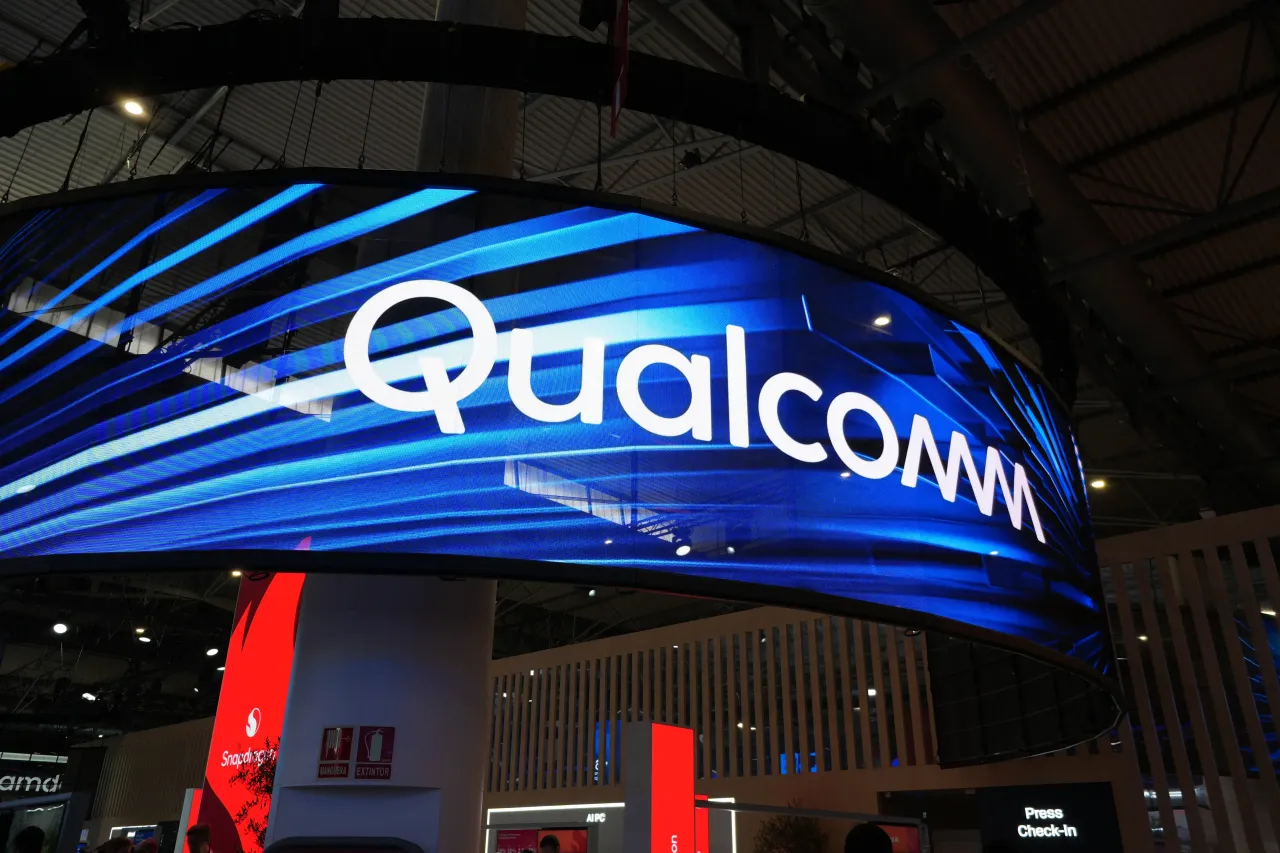
Qualcomm Launches New AI Brand Dragonfly Amid Nvidia Competition
- Brand Launch: Qualcomm unveiled its new AI data center brand Dragonfly at the Computex conference, yet the stock fell 7% in premarket trading, indicating that market attention was more focused on competitors like Nvidia.
- Increased Competition: Nvidia's introduction of the N1X AI PC processor at the same event marks its entry into the AI PC market, posing direct competitive pressure on Qualcomm as it seeks to expand its share in the AI infrastructure sector.
- Future Outlook: CEO Cristiano Amon emphasized that future devices must be redesigned for agentic AI, necessitating new hardware architectures and improved power efficiency, highlighting the company's strategic shift towards technological innovation.
- Market Reaction: Despite Qualcomm's stock rising nearly 40% in May, investor sentiment turned cautious following Nvidia's product announcements, leading to a significant decline in Qualcomm's stock price post-launch.
See More

Nvidia Stock Review and Future Outlook
- Stock Review: Nvidia completed a 10-for-1 stock split on June 10, 2024, reducing its share price from over $1,000 to around $100, and since then, the stock has surged 75% to approximately $215, reflecting strong market demand and investor confidence.
- Earnings Growth: Nvidia's quarterly revenue continues to grow, with the latest quarter showing an 85% year-over-year increase to $81 billion, and forecasts suggest a 95% revenue increase in the next quarterly report, indicating the company's dominant position and future growth potential in the AI chip market.
- Market Leadership: Nvidia is not only maintaining its lead in the GPU market but is also set to launch the Vera Rubin platform in Q3 2024, which may allow it to capture significant market share in the standalone CPU market, further solidifying its competitive edge in AI.
- Future Outlook: While there is optimism about Nvidia's stock reaching $1,000, achieving a market cap exceeding $24 trillion would mean Nvidia represents 35% of the entire S&P 500, making such a target unlikely to be realized in the near term, prompting investors to carefully assess risks and opportunities.
See More

Nvidia Stock Soars Again Amid AI Growth
- Stock Recovery: Nvidia's stock price has surged from approximately $100 to $215 following its latest stock split, reflecting strong investor interest in AI growth and driving the company's market value higher.
- Revenue Growth: The latest earnings report reveals an 85% year-over-year revenue increase to $81 billion, with a forecasted 95% revenue growth for the next quarter, indicating Nvidia's continued dominance in the AI chip market.
- Technological Innovation: Nvidia is set to launch its Vera Rubin platform in Q3, which is expected to penetrate the standalone CPU market while further solidifying its leadership in the GPU sector, enhancing the competitiveness of its product portfolio.
- Market Outlook: Although reaching a $1,000 stock price would imply a market cap exceeding $24 trillion, about 35% of the entire S&P 500, Nvidia's ongoing growth potential suggests that achieving this milestone could still be feasible in the future.
See More

Uber and Autobrains Launch Robotaxi Program in Munich

- Robotaxi Collaboration: Uber and Israel's Autobrains are set to launch a robotaxi program in Munich, combining Uber's mobility network with Autobrains' 'agentic AI' driving system, marking a strategic push to expand autonomous ride-hailing services in Europe.
- Technology Integration: The initiative will utilize Nvidia's Drive Hyperion platform, aiming to create an 'OEM-agnostic' model that allows robotaxi services to operate across multiple vehicle platforms and urban markets, enhancing market adaptability.
- Decision-Making Agents: Autobrains' system breaks down driving into specialized decision-making agents, enabling real-time responses using standard automotive sensors, thereby improving safety and efficiency in autonomous driving and advancing industry technology.
- Munich Testing Ground: Munich has emerged as a testing ground for autonomous mobility, with Uber previously announcing plans to begin self-driving trials there in 2026, reflecting a strong commitment to future autonomous driving markets.
See More
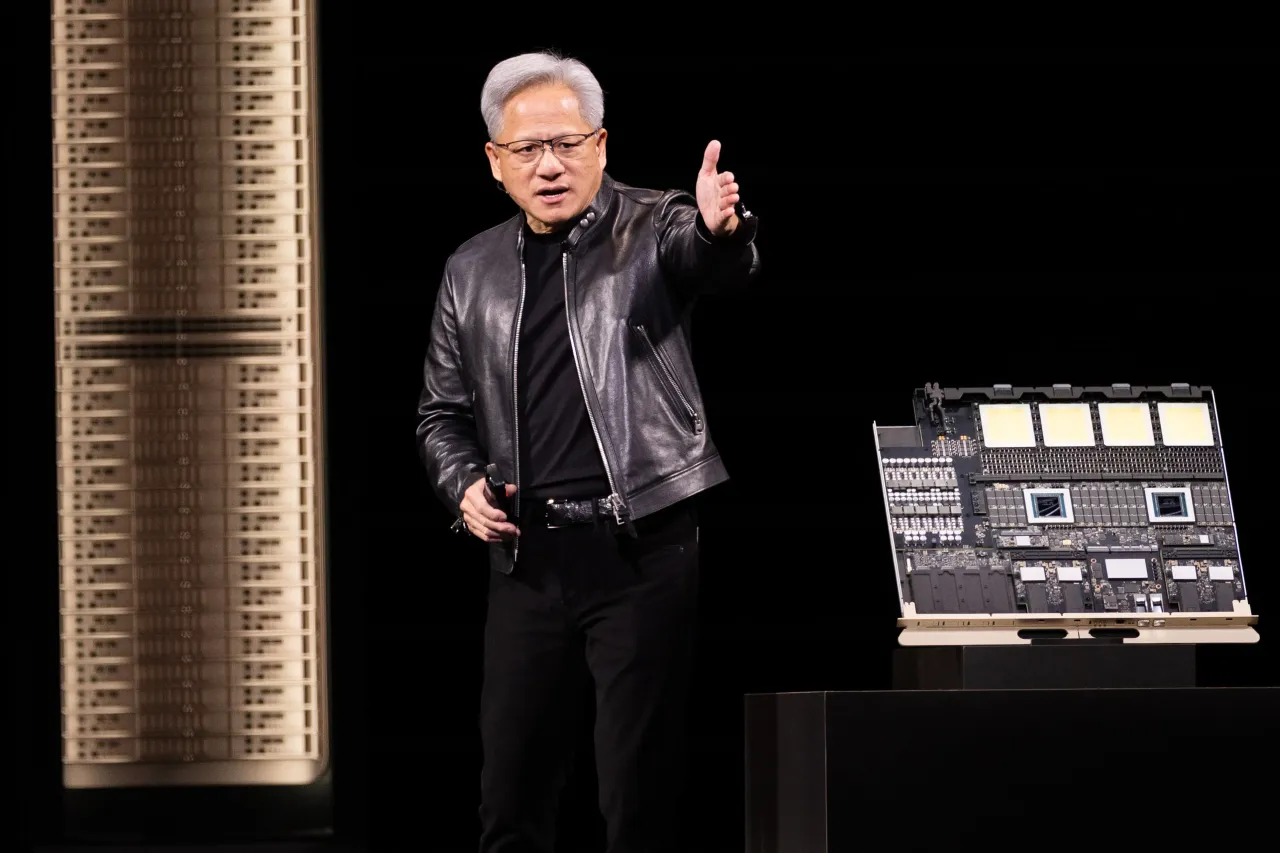
Nvidia and Microsoft Launch N1X Processor for Windows Laptops

- Market Entry Milestone: The co-developed N1X processor by Nvidia and Microsoft is set to ship in Windows laptops from major brands this fall, marking a significant breakthrough for Nvidia in a market long dominated by Intel and AMD, which is expected to enhance its market share.
- Positive Stock Reaction: Following the announcement, shares of Nvidia and Microsoft rose by 2.3%, while Intel and AMD stocks declined slightly, indicating investor optimism towards the new product, which may further bolster both companies' competitiveness in the AI hardware sector.
- Leading Technological Innovation: The N1X processor integrates Nvidia's top-tier chip architectures with 128GB of unified memory and an Arm-based CPU developed in collaboration with MediaTek, expected to provide powerful AI capabilities for the next generation of PCs, driving significant transformation in the computing industry.
- Expanding Customer Base: Nvidia's Vera Rubin chips have entered full production, with the first systems expected to ship in the fall, and early customers including notable companies like Anthropic, OpenAI, and SpaceX, showcasing Nvidia's strong influence and market demand in the AI sector.
See More
NVIDIA Launches DSX Platform to Redefine AI Factories
- Platform Innovation: NVIDIA's launch of the DSX platform integrates open-source and modular software, providing a comprehensive playbook for AI factory design, deployment, and operations, aimed at accelerating production and enhancing overall operational efficiency by reducing token costs.
- New Software Release: The DSX MaxLPS software combines 45-degree liquid cooling with in-rack optimization technologies, enabling a 40% increase in token performance within a fixed power budget, significantly lowering operational costs and improving GPU utilization.
- Ecosystem Expansion: NVIDIA is partnering with leading Taiwanese system manufacturers to drive the development of the DSX ecosystem, ensuring extreme co-design for AI factories, facilitating rapid deployment and operation on a global scale.
- Market Responsiveness: The introduction of the DSX platform allows infrastructure builders to simulate the entire factory before investment, validating performance to reduce risk and enhance market responsiveness, further solidifying NVIDIA's leadership position in the AI sector.
See More
Qualcomm Launches New AI Brand Dragonfly Amid Nvidia Competition
- Brand Launch: Qualcomm unveiled its new AI data center brand Dragonfly at the Computex conference, yet the stock fell 7% in premarket trading, indicating that market attention was more focused on competitors like Nvidia.
- Increased Competition: Nvidia's introduction of the N1X AI PC processor at the same event marks its entry into the AI PC market, posing direct competitive pressure on Qualcomm as it seeks to expand its share in the AI infrastructure sector.
- Future Outlook: CEO Cristiano Amon emphasized that future devices must be redesigned for agentic AI, necessitating new hardware architectures and improved power efficiency, highlighting the company's strategic shift towards technological innovation.
- Market Reaction: Despite Qualcomm's stock rising nearly 40% in May, investor sentiment turned cautious following Nvidia's product announcements, leading to a significant decline in Qualcomm's stock price post-launch.
See More
Nvidia Stock Review and Future Outlook
- Stock Review: Nvidia completed a 10-for-1 stock split on June 10, 2024, reducing its share price from over $1,000 to around $100, and since then, the stock has surged 75% to approximately $215, reflecting strong market demand and investor confidence.
- Earnings Growth: Nvidia's quarterly revenue continues to grow, with the latest quarter showing an 85% year-over-year increase to $81 billion, and forecasts suggest a 95% revenue increase in the next quarterly report, indicating the company's dominant position and future growth potential in the AI chip market.
- Market Leadership: Nvidia is not only maintaining its lead in the GPU market but is also set to launch the Vera Rubin platform in Q3 2024, which may allow it to capture significant market share in the standalone CPU market, further solidifying its competitive edge in AI.
- Future Outlook: While there is optimism about Nvidia's stock reaching $1,000, achieving a market cap exceeding $24 trillion would mean Nvidia represents 35% of the entire S&P 500, making such a target unlikely to be realized in the near term, prompting investors to carefully assess risks and opportunities.
See More
Nvidia Stock Soars Again Amid AI Growth
- Stock Recovery: Nvidia's stock price has surged from approximately $100 to $215 following its latest stock split, reflecting strong investor interest in AI growth and driving the company's market value higher.
- Revenue Growth: The latest earnings report reveals an 85% year-over-year revenue increase to $81 billion, with a forecasted 95% revenue growth for the next quarter, indicating Nvidia's continued dominance in the AI chip market.
- Technological Innovation: Nvidia is set to launch its Vera Rubin platform in Q3, which is expected to penetrate the standalone CPU market while further solidifying its leadership in the GPU sector, enhancing the competitiveness of its product portfolio.
- Market Outlook: Although reaching a $1,000 stock price would imply a market cap exceeding $24 trillion, about 35% of the entire S&P 500, Nvidia's ongoing growth potential suggests that achieving this milestone could still be feasible in the future.
See More
Uber and Autobrains Launch Robotaxi Program in Munich
- Robotaxi Collaboration: Uber and Israel's Autobrains are set to launch a robotaxi program in Munich, combining Uber's mobility network with Autobrains' 'agentic AI' driving system, marking a strategic push to expand autonomous ride-hailing services in Europe.
- Technology Integration: The initiative will utilize Nvidia's Drive Hyperion platform, aiming to create an 'OEM-agnostic' model that allows robotaxi services to operate across multiple vehicle platforms and urban markets, enhancing market adaptability.
- Decision-Making Agents: Autobrains' system breaks down driving into specialized decision-making agents, enabling real-time responses using standard automotive sensors, thereby improving safety and efficiency in autonomous driving and advancing industry technology.
- Munich Testing Ground: Munich has emerged as a testing ground for autonomous mobility, with Uber previously announcing plans to begin self-driving trials there in 2026, reflecting a strong commitment to future autonomous driving markets.
See More
Nvidia and Microsoft Launch N1X Processor for Windows Laptops
- Market Entry Milestone: The co-developed N1X processor by Nvidia and Microsoft is set to ship in Windows laptops from major brands this fall, marking a significant breakthrough for Nvidia in a market long dominated by Intel and AMD, which is expected to enhance its market share.
- Positive Stock Reaction: Following the announcement, shares of Nvidia and Microsoft rose by 2.3%, while Intel and AMD stocks declined slightly, indicating investor optimism towards the new product, which may further bolster both companies' competitiveness in the AI hardware sector.
- Leading Technological Innovation: The N1X processor integrates Nvidia's top-tier chip architectures with 128GB of unified memory and an Arm-based CPU developed in collaboration with MediaTek, expected to provide powerful AI capabilities for the next generation of PCs, driving significant transformation in the computing industry.
- Expanding Customer Base: Nvidia's Vera Rubin chips have entered full production, with the first systems expected to ship in the fall, and early customers including notable companies like Anthropic, OpenAI, and SpaceX, showcasing Nvidia's strong influence and market demand in the AI sector.
See More