ETF Inflow Update: PRF, UNH, RTX, BMY
Written by Emily J. Thompson, Senior Investment Analyst
Updated: Sep 23 2025
0mins


Source: NASDAQ.COM
52-Week Range and Current Price: PRF's share price has a 52-week low of $34.98 and a high of $45.40, with the last trade recorded at $45.31, indicating a stable position near its high.
Understanding ETFs: Exchange traded funds (ETFs) function like stocks, trading in "units" that can be created or destroyed based on investor demand, affecting the underlying assets held within the ETFs.
Trade with 70% Backtested Accuracy
Stop guessing "Should I Buy UNH?" and start using high-conviction signals backed by rigorous historical data.
Sign up today to access powerful investing tools and make smarter, data-driven decisions.
Analyst Views on UNH
Wall Street analysts forecast UNH stock price to rise
19 Analyst Rating
16 Buy
3 Hold
0 Sell
Strong Buy
Current: 270.590

Low
330.00
Averages
397.82
High
444.00
Current: 270.590
Low
330.00
Averages
397.82
High
444.00
About UNH
UnitedHealth Group Incorporated is a healthcare and well-being company. Its segments include Optum Health, Optum Insight, Optum Rx, and UnitedHealthcare, which includes UnitedHealthcare Employer & Individual, UnitedHealthcare Medicare & Retirement and UnitedHealthcare Community & State. Optum Health provides comprehensive and patient-centered care, addressing the physical, mental, and social well-being. Optum Health delivers primary, specialty and surgical care and helps patients and providers navigate and address complex, chronic and behavioral health needs. Optum Insight connects the healthcare system with services, analytics and platforms that make clinical, administrative and financial processes simpler and more efficient for all participants in the healthcare system. Optum Rx offers a range of pharmacy care services through retail pharmacies, through home delivery, specialty and community health pharmacies and the provision of in-home and community-based infusion services.
About the author

Emily J. Thompson
Emily J. Thompson, a Chartered Financial Analyst (CFA) with 12 years in investment research, graduated with honors from the Wharton School. Specializing in industrial and technology stocks, she provides in-depth analysis for Intellectia’s earnings and market brief reports.
Berkshire Increases Stake in UnitedHealth Amid Revenue Decline

- Berkshire's Stake Increase: In August 2025, Berkshire Hathaway purchased over 5 million shares of UnitedHealth (UNH) for approximately $1.6 billion, making it one of its largest equity holdings at the time, despite the insurer facing mounting regulatory scrutiny and rising healthcare costs.
- Revenue Outlook Decline: UnitedHealth now expects its first annual revenue decline in over 30 years, with 2026 revenue projected just above $439 billion, representing a 2% decrease from 2025 levels, which negatively impacts the company's long-term growth prospects.
- AI Strategy Potential: Despite recent challenges, Bernstein SocGen maintains an 'Outperform' rating with a $405 price target, highlighting UnitedHealth's expanding AI strategy as a potential long-term competitive advantage, particularly in reducing operating costs and gaining market share.
- Market Sentiment Shift: Retail investor sentiment for UnitedHealth has shifted from neutral to bullish amid extremely high message volume, indicating a growing optimism about its future performance, even as the stock has lost nearly half its value over the past year.
See More

Analysis of High-Yield Stocks in Dow Jones


- Verizon's Yield Potential: Verizon, the highest-yielding stock in the Dow with a current yield of 5.6%, primarily operates in mobile communications, and while its high debt limits cash flow, its stable customer base makes it a choice for income-focused investors.
- Chevron's Market Performance: As one of the world's largest energy companies, Chevron offers an attractive 3.3% yield and has increased dividends annually for over 25 years; however, the current rise in oil prices may lead to short-term stock price volatility, yet its diversified business model and low leverage make it a solid investment choice.
- UnitedHealth's Industry Position: UnitedHealth Group, one of the largest health insurance companies in the U.S., provides a broad spectrum of healthcare services with a 3.3% yield, but due to earnings volatility and increasing regulatory scrutiny, conservative dividend investors may need to remain on the sidelines.
- Investment Summary: While Verizon, Chevron, and UnitedHealth each have their attractions, the challenges they face suggest that long-term investors should proceed with caution, particularly in the current market environment, as none of the three presents a clear buying opportunity.
See More
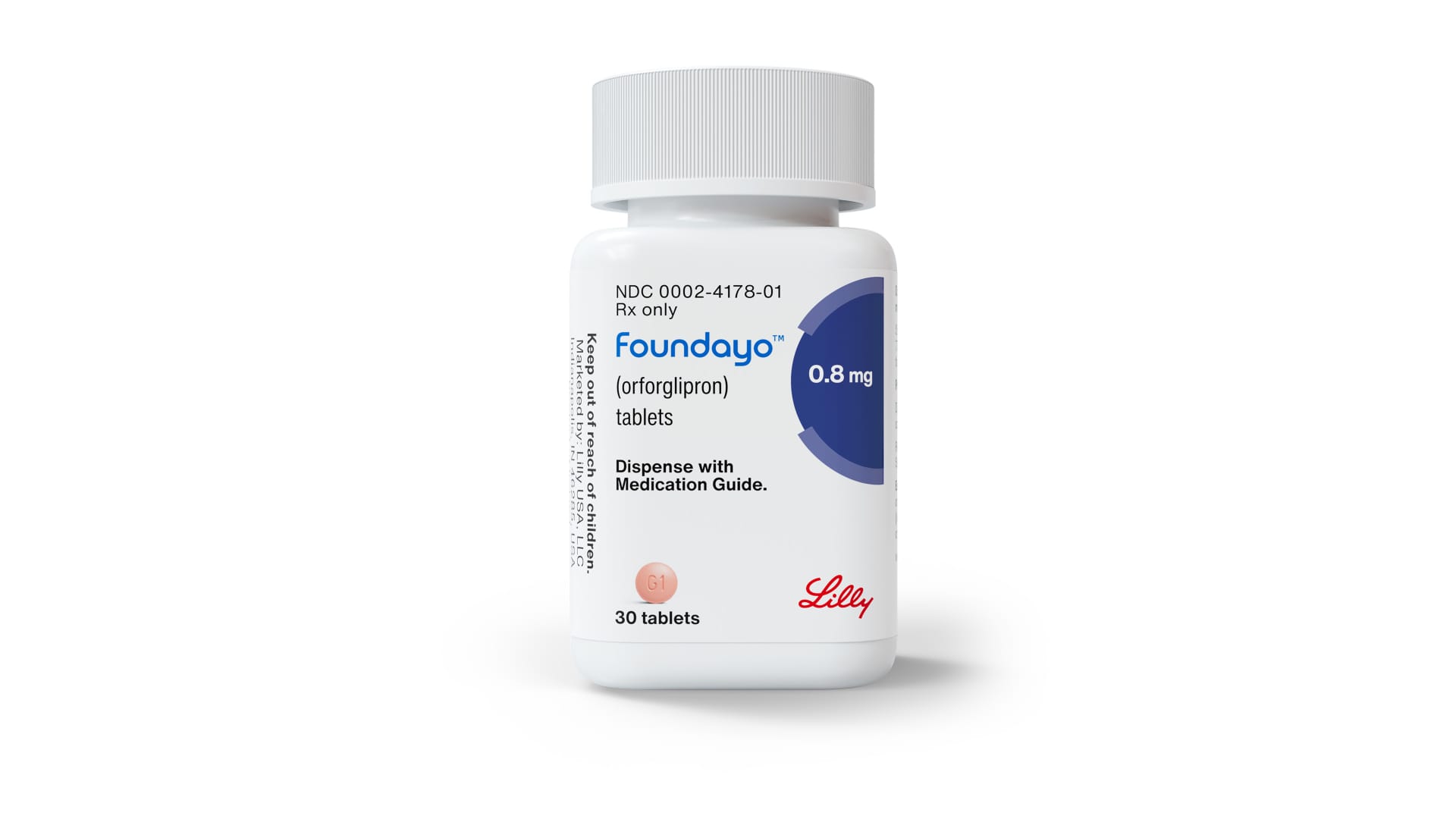
Eli Lilly's GLP-1 Pill Approval Marks New Weight Loss Market Entry

- Regulatory Milestone: The FDA's approval of Eli Lilly's GLP-1 pill, Foundayo, represents a significant advancement for the company in the weight-loss medication market, setting the stage for competition with Novo Nordisk's Wegovy and altering market dynamics.
- Pricing Strategy: Foundayo is priced at $25 per month with insurance or between $149 and $349 out-of-pocket, aiming to attract a broader patient base, particularly appealing to seniors, thereby expanding the market for weight-loss drugs.
- Global Market Expansion: Lilly plans to seek approval for Foundayo in over 40 countries within the next year, leveraging its small molecule nature to enable global production and distribution without cold-chain constraints, enhancing its competitive edge.
- Sales Projections: Analysts estimate Foundayo's sales could reach $14.79 billion by 2030, although lower than Zepbound's $24.68 billion, it still indicates strong market potential and is seen as a key factor for Eli Lilly's stock recovery.
See More
Raymond James Upgrades UnitedHealth Group Stock Rating
- Rating Upgrade: Analyst John Ransom from Raymond James upgraded UnitedHealth Group (UNH) from Market Perform to Outperform, setting a new price target of $330 per share, projecting EPS for 2027 and 2028 to exceed consensus estimates by 7.5% and 8%, respectively.
- Cost Improvement Expectations: A modest 20 basis point improvement in general and administrative expenses is anticipated for 2027 and 2028, driven by potential AI initiatives and margin enhancements in the health services segment, Optum Health, thereby boosting profitability.
- Valuation Analysis: UnitedHealth trades at 12.7x and 10.6x its non-GAAP EPS estimates for 2027 and 2028, which aligns with historical multiples of peers but represents a significant discount to its own historical multiple of 20x, indicating a potential investment opportunity.
- Earnings Upside Potential: The analyst highlighted that the potential upside to earnings estimates over the next few years stems from 1) announced and potential AI initiatives aimed at reducing G&A/revenue, and 2) margin improvements in Optum Health through better risk margins, lower G&A, and higher fee-for-service margins.
See More
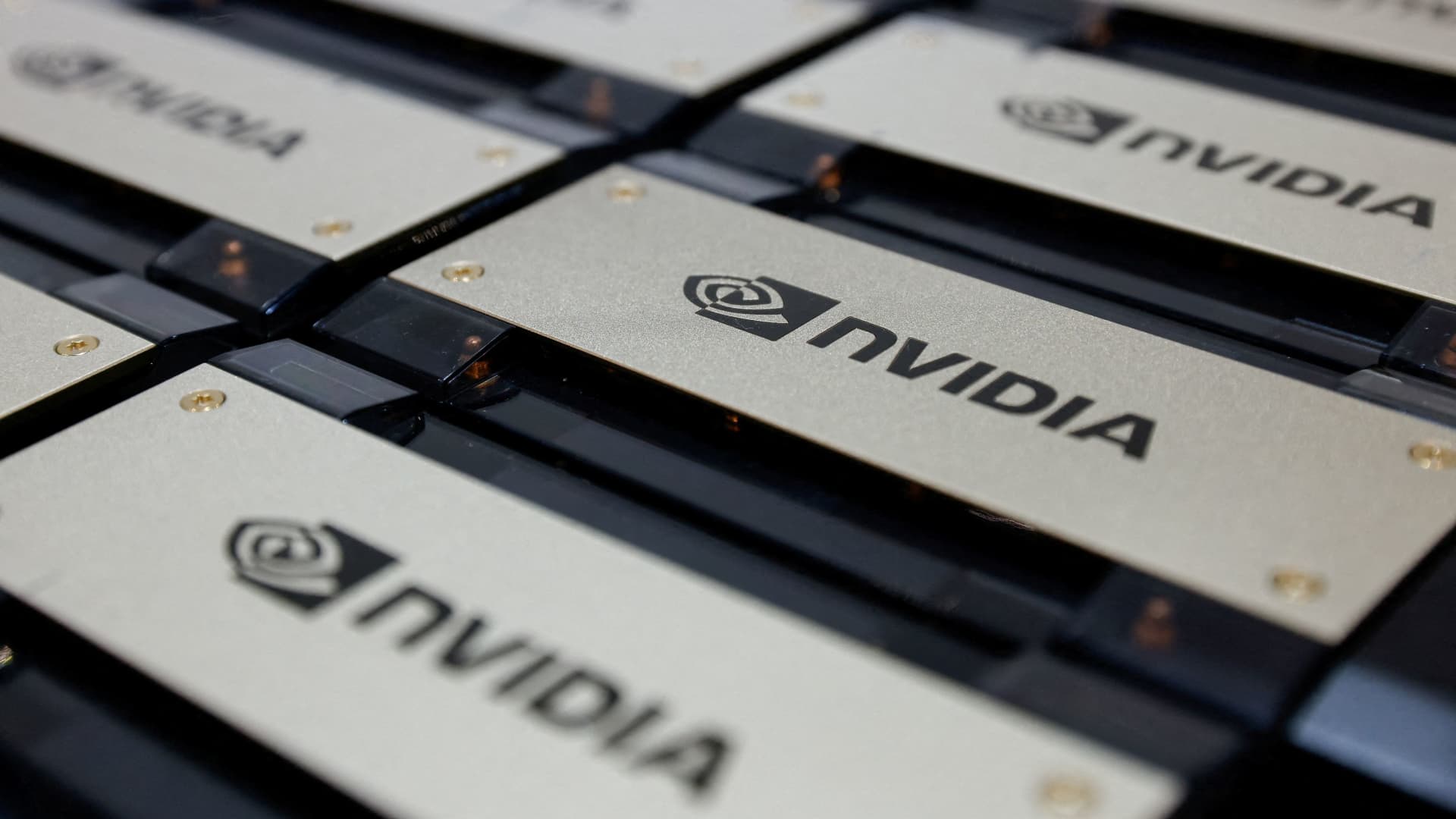
Latest Wall Street Ratings Overview

- Boeing Rating: Wells Fargo initiates coverage of Boeing with a Buy rating, forecasting a significant recovery in free cash flow as production normalizes, setting a price target of $250 based on a 20x FCF multiple on its 2028 forecast, indicating strong confidence in future growth.
- Disney Upgrade: Raymond James upgrades Disney from Market Perform to Outperform with a price target of $115, viewing the current macro backdrop and international visitation challenges as an attractive investment opportunity, reflecting optimism about its valuation.
- Microsoft Buy Rating: Benchmark initiates Microsoft with a Buy rating and a price target of $450, describing it as a juggernaut in artificial intelligence, leveraging its comprehensive portfolio of digital applications and cloud services to drive enterprise and consumer transformation, showcasing its strong market position.
- Algonquin Power Rating: Barclays initiates coverage of Algonquin Power & Utilities with an Overweight rating, citing the company's undervaluation and strong turnaround potential, indicating market confidence in its future performance.
See More
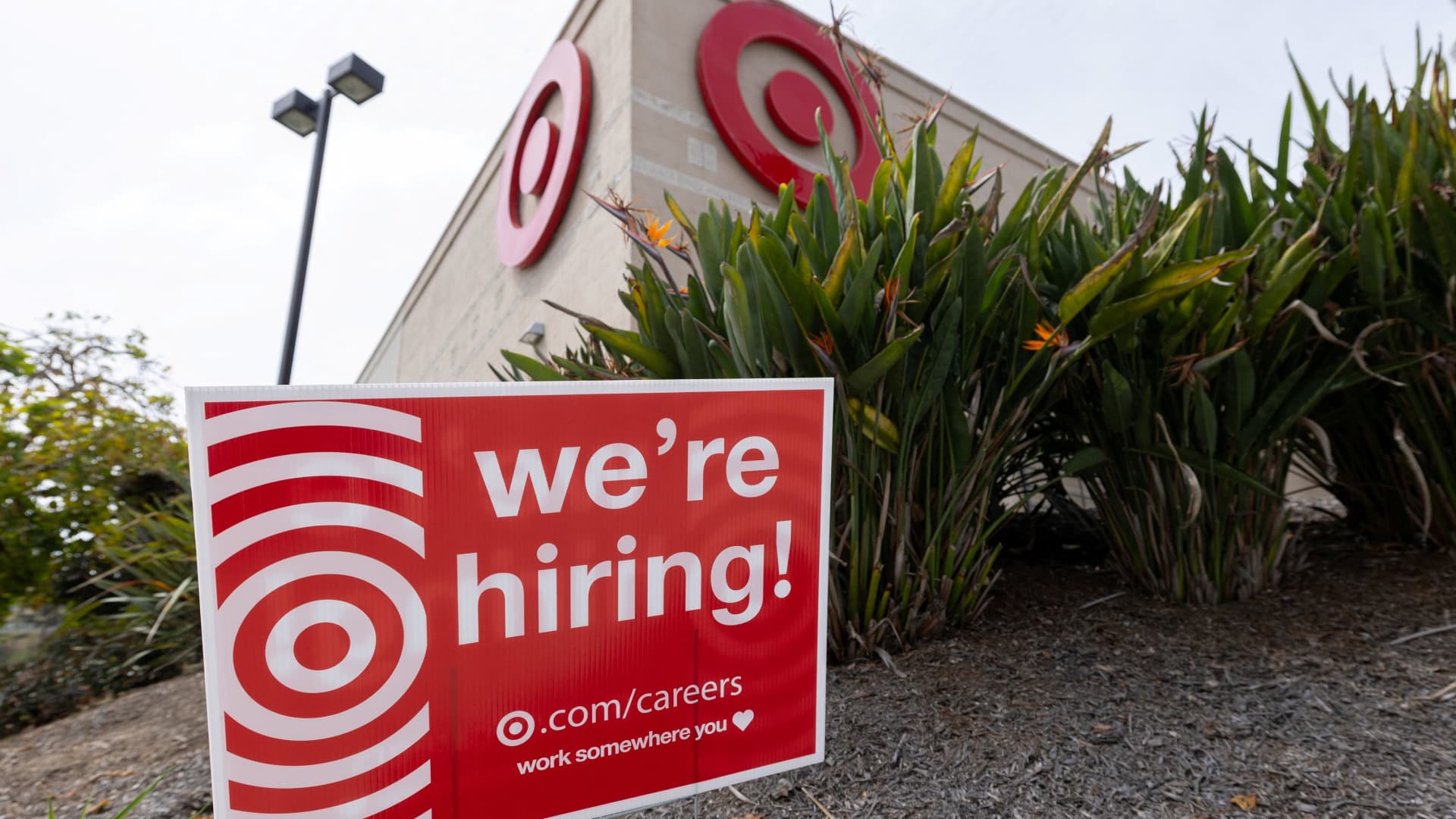
Private Sector Adds 62,000 Jobs in March, Exceeding Expectations

- Job Growth Overview: Private sector employment increased by 62,000 in March, down 4,000 from February's revised total of 66,000 but exceeding the Dow Jones estimate of 39,000, indicating resilience in economic recovery.
- Sector Contribution Analysis: The education and health services sector contributed 58,000 jobs, while construction added 30,000, highlighting the critical role of the health services industry in transforming the labor market.
- Small Business Dominance: Businesses with fewer than 50 employees added 85,000 jobs, while medium-sized firms lost 20,000, indicating a shift towards small businesses leading the recovery, potentially due to inflation impacts and the need for multiple jobs.
- Wage Growth Trends: Wage growth for those remaining in their jobs held steady at 4.5%, while job changers saw a 6.6% increase, up 0.3 percentage points from February, reflecting tightening competition in the labor market.
See More
Berkshire Increases Stake in UnitedHealth Amid Revenue Decline
- Berkshire's Stake Increase: In August 2025, Berkshire Hathaway purchased over 5 million shares of UnitedHealth (UNH) for approximately $1.6 billion, making it one of its largest equity holdings at the time, despite the insurer facing mounting regulatory scrutiny and rising healthcare costs.
- Revenue Outlook Decline: UnitedHealth now expects its first annual revenue decline in over 30 years, with 2026 revenue projected just above $439 billion, representing a 2% decrease from 2025 levels, which negatively impacts the company's long-term growth prospects.
- AI Strategy Potential: Despite recent challenges, Bernstein SocGen maintains an 'Outperform' rating with a $405 price target, highlighting UnitedHealth's expanding AI strategy as a potential long-term competitive advantage, particularly in reducing operating costs and gaining market share.
- Market Sentiment Shift: Retail investor sentiment for UnitedHealth has shifted from neutral to bullish amid extremely high message volume, indicating a growing optimism about its future performance, even as the stock has lost nearly half its value over the past year.
See More
Analysis of High-Yield Stocks in Dow Jones
- Verizon's Yield Potential: Verizon, the highest-yielding stock in the Dow with a current yield of 5.6%, primarily operates in mobile communications, and while its high debt limits cash flow, its stable customer base makes it a choice for income-focused investors.
- Chevron's Market Performance: As one of the world's largest energy companies, Chevron offers an attractive 3.3% yield and has increased dividends annually for over 25 years; however, the current rise in oil prices may lead to short-term stock price volatility, yet its diversified business model and low leverage make it a solid investment choice.
- UnitedHealth's Industry Position: UnitedHealth Group, one of the largest health insurance companies in the U.S., provides a broad spectrum of healthcare services with a 3.3% yield, but due to earnings volatility and increasing regulatory scrutiny, conservative dividend investors may need to remain on the sidelines.
- Investment Summary: While Verizon, Chevron, and UnitedHealth each have their attractions, the challenges they face suggest that long-term investors should proceed with caution, particularly in the current market environment, as none of the three presents a clear buying opportunity.
See More
Eli Lilly's GLP-1 Pill Approval Marks New Weight Loss Market Entry
- Regulatory Milestone: The FDA's approval of Eli Lilly's GLP-1 pill, Foundayo, represents a significant advancement for the company in the weight-loss medication market, setting the stage for competition with Novo Nordisk's Wegovy and altering market dynamics.
- Pricing Strategy: Foundayo is priced at $25 per month with insurance or between $149 and $349 out-of-pocket, aiming to attract a broader patient base, particularly appealing to seniors, thereby expanding the market for weight-loss drugs.
- Global Market Expansion: Lilly plans to seek approval for Foundayo in over 40 countries within the next year, leveraging its small molecule nature to enable global production and distribution without cold-chain constraints, enhancing its competitive edge.
- Sales Projections: Analysts estimate Foundayo's sales could reach $14.79 billion by 2030, although lower than Zepbound's $24.68 billion, it still indicates strong market potential and is seen as a key factor for Eli Lilly's stock recovery.
See More
Raymond James Upgrades UnitedHealth Group Stock Rating
- Rating Upgrade: Analyst John Ransom from Raymond James upgraded UnitedHealth Group (UNH) from Market Perform to Outperform, setting a new price target of $330 per share, projecting EPS for 2027 and 2028 to exceed consensus estimates by 7.5% and 8%, respectively.
- Cost Improvement Expectations: A modest 20 basis point improvement in general and administrative expenses is anticipated for 2027 and 2028, driven by potential AI initiatives and margin enhancements in the health services segment, Optum Health, thereby boosting profitability.
- Valuation Analysis: UnitedHealth trades at 12.7x and 10.6x its non-GAAP EPS estimates for 2027 and 2028, which aligns with historical multiples of peers but represents a significant discount to its own historical multiple of 20x, indicating a potential investment opportunity.
- Earnings Upside Potential: The analyst highlighted that the potential upside to earnings estimates over the next few years stems from 1) announced and potential AI initiatives aimed at reducing G&A/revenue, and 2) margin improvements in Optum Health through better risk margins, lower G&A, and higher fee-for-service margins.
See More
Latest Wall Street Ratings Overview
- Boeing Rating: Wells Fargo initiates coverage of Boeing with a Buy rating, forecasting a significant recovery in free cash flow as production normalizes, setting a price target of $250 based on a 20x FCF multiple on its 2028 forecast, indicating strong confidence in future growth.
- Disney Upgrade: Raymond James upgrades Disney from Market Perform to Outperform with a price target of $115, viewing the current macro backdrop and international visitation challenges as an attractive investment opportunity, reflecting optimism about its valuation.
- Microsoft Buy Rating: Benchmark initiates Microsoft with a Buy rating and a price target of $450, describing it as a juggernaut in artificial intelligence, leveraging its comprehensive portfolio of digital applications and cloud services to drive enterprise and consumer transformation, showcasing its strong market position.
- Algonquin Power Rating: Barclays initiates coverage of Algonquin Power & Utilities with an Overweight rating, citing the company's undervaluation and strong turnaround potential, indicating market confidence in its future performance.
See More
Private Sector Adds 62,000 Jobs in March, Exceeding Expectations
- Job Growth Overview: Private sector employment increased by 62,000 in March, down 4,000 from February's revised total of 66,000 but exceeding the Dow Jones estimate of 39,000, indicating resilience in economic recovery.
- Sector Contribution Analysis: The education and health services sector contributed 58,000 jobs, while construction added 30,000, highlighting the critical role of the health services industry in transforming the labor market.
- Small Business Dominance: Businesses with fewer than 50 employees added 85,000 jobs, while medium-sized firms lost 20,000, indicating a shift towards small businesses leading the recovery, potentially due to inflation impacts and the need for multiple jobs.
- Wage Growth Trends: Wage growth for those remaining in their jobs held steady at 4.5%, while job changers saw a 6.6% increase, up 0.3 percentage points from February, reflecting tightening competition in the labor market.
See More