ECB Rate Hike Probability Rises to 44%
Written by Emily J. Thompson, Senior Investment Analyst
Updated: 1 hour ago
0mins
Should l Buy GF?
Source: seekingalpha
- Rate Hike Probability Increase: Traders are pricing in a 44% chance of a rate hike by the European Central Bank in 2026, driven by an oil shock from the Middle East crisis, indicating heightened market sensitivity to future monetary policy.
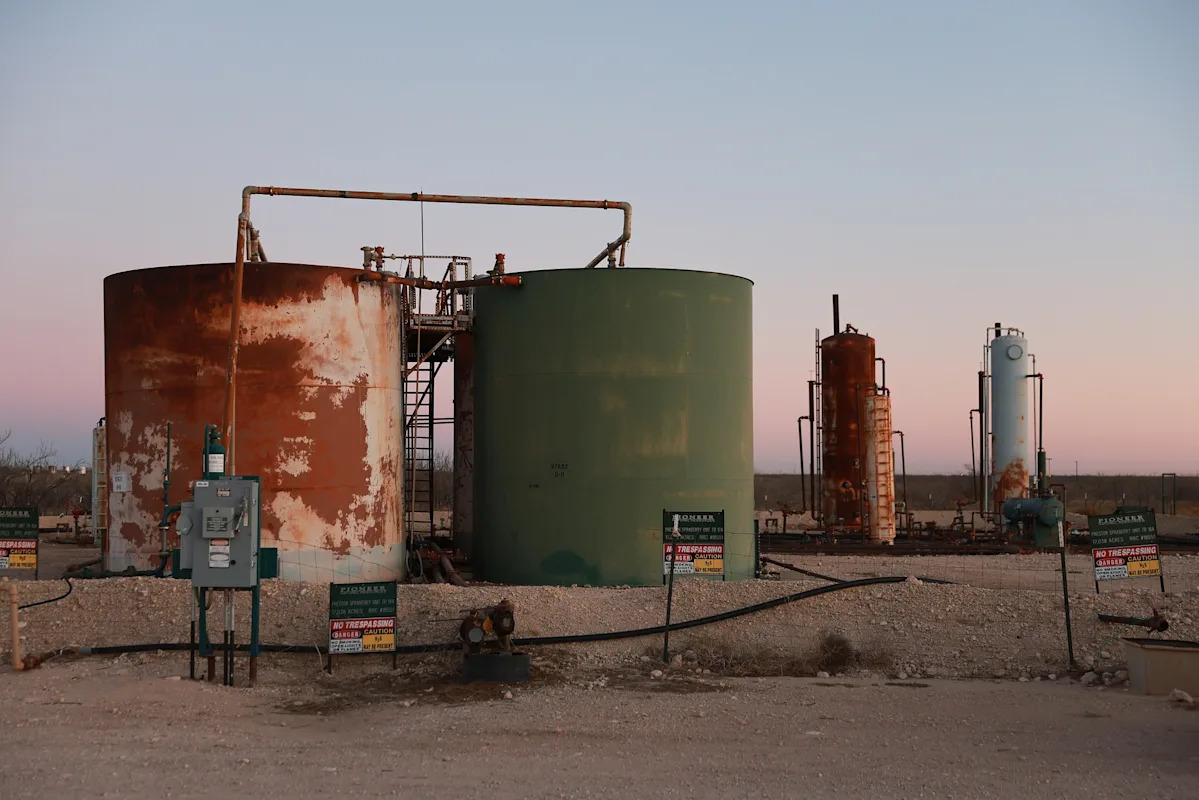
- Impact of Oil Shock: Following U.S. and Israeli military actions against Iran, concerns over oil supply disruptions have intensified, with analysts suggesting that in a tail-risk scenario where disruptions last until May, the ECB may hike rates, although lower rates could be expected by year-end.
- Rates Held Steady: In its latest meeting, the ECB kept interest rates unchanged for the fifth consecutive time, maintaining the deposit rate at 2%, reflecting a cautious approach to the economic situation and market expectations for future policy.
- Australia's Rate Hike: Concurrently, the Reserve Bank of Australia raised its cash rate by 25 basis points to 4.1% in March 2026, aligning with market expectations and demonstrating the tightening measures taken by major economies in response to inflationary pressures.
Trade with 70% Backtested Accuracy
Stop guessing "Should I Buy GF?" and start using high-conviction signals backed by rigorous historical data.
Sign up today to access powerful investing tools and make smarter, data-driven decisions.
Analyst Views on GF
Wall Street analysts forecast GF stock price to rise
0 Analyst Rating
0 Buy
0 Hold
0 Sell
Current: 10.910

Low
Averages
High
Current: 10.910
Low
Averages
High

No data
About GF
The New Germany Fund, Inc. (the Fund) is a diversified, closed-end management investment company. The Fund seeks long-term capital appreciation primarily through investment in middle-market German equities. The focus of the Fund's investments lies within Germany. Under normal market conditions at least 80% of the Fund’s net assets are invested in equity or equity-linked securities. The Fund invests in range of sectors, which include aerospace and defense; auto components; automobiles; banks; building products; chemicals; electrical equipment; independent power and renewable electricity producers; insurance; Internet and direct marketing retail; information technology (IT) services, life sciences tools and services; metals and mining; real estate management and development; software; textiles, apparel and luxury goods; trading companies and distributors; diversified financial services; commercial services and supplies, and others. The Fund's investment advisor is DWS International GmbH.
About the author

Emily J. Thompson
Emily J. Thompson, a Chartered Financial Analyst (CFA) with 12 years in investment research, graduated with honors from the Wharton School. Specializing in industrial and technology stocks, she provides in-depth analysis for Intellectia’s earnings and market brief reports.
ECB Rate Hike Probability Rises to 44%

- Rate Hike Probability Increase: Traders are pricing in a 44% chance of a rate hike by the European Central Bank in 2026, driven by an oil shock from the Middle East crisis, indicating heightened market sensitivity to future monetary policy.
- Impact of Oil Shock: Following U.S. and Israeli military actions against Iran, concerns over oil supply disruptions have intensified, with analysts suggesting that in a tail-risk scenario where disruptions last until May, the ECB may hike rates, although lower rates could be expected by year-end.
- Rates Held Steady: In its latest meeting, the ECB kept interest rates unchanged for the fifth consecutive time, maintaining the deposit rate at 2%, reflecting a cautious approach to the economic situation and market expectations for future policy.
- Australia's Rate Hike: Concurrently, the Reserve Bank of Australia raised its cash rate by 25 basis points to 4.1% in March 2026, aligning with market expectations and demonstrating the tightening measures taken by major economies in response to inflationary pressures.
See More

London Stock Market Gains for Second Day Amid Oil Price Surge
- London Market Performance: The London stock market rose by 0.18% to 10,335 points, marking its second consecutive day of gains and outperforming other European markets, indicating a degree of market resilience.
- European Market Comparison: The German DAX index fell by 0.25% to 23,504 points, while the French CAC index edged up by 0.06% to 7,940 points, with overall market sentiment affected by geopolitical tensions.
- Oil Price Surge: Brent crude futures rose above $104 per barrel due to Iran's intensified attacks on energy infrastructure in the Persian Gulf, drawing market attention to energy stocks.
- Bond Yield Fluctuations: The U.S. 10-year Treasury yield increased by 1 basis point to 4.23%, while Germany's and the UK's 10-year yields decreased by 2 and 3 basis points respectively, reflecting cautious market sentiment regarding future economic outlook.
See More

European Markets Edge Up Amid Middle East Tensions
- Market Performance: The pan-European Stoxx 600 index rose by 0.27% to 597 points, with most major exchanges and sectors trading higher, indicating a growing investor confidence in the market.
- Trade Surplus Dynamics: Norway recorded a trade surplus of NOK 44.8 billion in February, while Finland's current account surplus narrowed to EUR 329 million in January, reflecting varying economic performances among Nordic countries.
- Bond Market Fluctuations: The U.S. 10-year Treasury yield fell by 2 basis points to 4.26%, while Germany's 10-year yield increased by 1 basis point to 2.97%, demonstrating market sensitivity to interest rate changes.
- Oil Price Volatility Impact: Investors are closely monitoring developments in the Middle East, particularly President Trump's pressure on nations to reopen the Strait of Hormuz, which could significantly affect global oil prices and market sentiment.
See More

UK Economy Stagnates as Germany and France See Inflation Rise
- UK Economic Performance: The UK economy stagnated in January with a GDP growth of 0%, missing forecasts and indicating potential impacts on future policy decisions and market confidence.
- Rising Inflation in France: France's inflation rate increased to 0.9% in February, suggesting heightened consumer price pressures that may prompt the central bank to reconsider monetary policy to address inflation risks.
- German Bond Yield Changes: Germany's 10-year bond yield rose by 1 basis point to 2.96%, reflecting a cautious market sentiment regarding future economic prospects, which could influence investors' bond allocation strategies.
- Euro Depreciation Trend: The euro fell below $1.15, reaching its lowest level since July, indicating weakened market confidence in the Eurozone economy amid escalating tensions in the Middle East.
See More

European Economic Data and Market Dynamics
- Czech Industrial Production Growth: In January, industrial production in the Czech Republic rose by 2.8% year-on-year, indicating resilience in the manufacturing sector, which could support economic recovery despite broader challenges in Europe.
- Retail Sales Increase: Retail sales in the Czech Republic increased by 5% year-on-year in January, suggesting strong consumer spending that may drive domestic economic growth and bolster market confidence.
- Finland's Trade Deficit Widening: Finland's trade deficit sharply widened to €0.55 billion in January, reflecting a faster growth in imports compared to exports, which could exert pressure on the national economy and necessitate future trade policy adjustments.
- Euro Depreciation Trend: The euro continues to decline against the dollar, nearing $1.15, reflecting market concerns about the eurozone's economic outlook, which may affect investor confidence and exacerbate capital outflows.
See More

EU Warns Iran Conflict Could Drive Inflation Above 3%
- Inflation Warning: EU economy chief Valdis Dombrovskis has warned that the ongoing conflict involving Iran could push eurozone inflation above 3% in 2026, primarily due to Brent oil prices hovering around $100 per barrel and elevated gas prices, which could negatively impact economic growth.
- Growth Slowdown: Should inflation rise as anticipated, economic growth in 2026 could be as much as 0.4 percentage points lower than the previously forecasted 1.4%, indicating that high inflation poses a threat to economic recovery and may compel policymakers to reassess economic outlooks.
- Rate Hike Expectations: As inflation rises, the European Central Bank may be forced to raise interest rates, with traders increasing bets on such a move later this year, although no immediate rate hike is expected in the upcoming policy decision on March 19.
- Market Impact: Dombrovskis also warned that the conflict could have broader negative effects on the economy through financial markets, trade, and supply chains, further exacerbating economic uncertainty and affecting investor confidence.
See More
ECB Rate Hike Probability Rises to 44%
- Rate Hike Probability Increase: Traders are pricing in a 44% chance of a rate hike by the European Central Bank in 2026, driven by an oil shock from the Middle East crisis, indicating heightened market sensitivity to future monetary policy.
- Impact of Oil Shock: Following U.S. and Israeli military actions against Iran, concerns over oil supply disruptions have intensified, with analysts suggesting that in a tail-risk scenario where disruptions last until May, the ECB may hike rates, although lower rates could be expected by year-end.
- Rates Held Steady: In its latest meeting, the ECB kept interest rates unchanged for the fifth consecutive time, maintaining the deposit rate at 2%, reflecting a cautious approach to the economic situation and market expectations for future policy.
- Australia's Rate Hike: Concurrently, the Reserve Bank of Australia raised its cash rate by 25 basis points to 4.1% in March 2026, aligning with market expectations and demonstrating the tightening measures taken by major economies in response to inflationary pressures.
See More
London Stock Market Gains for Second Day Amid Oil Price Surge
- London Market Performance: The London stock market rose by 0.18% to 10,335 points, marking its second consecutive day of gains and outperforming other European markets, indicating a degree of market resilience.
- European Market Comparison: The German DAX index fell by 0.25% to 23,504 points, while the French CAC index edged up by 0.06% to 7,940 points, with overall market sentiment affected by geopolitical tensions.
- Oil Price Surge: Brent crude futures rose above $104 per barrel due to Iran's intensified attacks on energy infrastructure in the Persian Gulf, drawing market attention to energy stocks.
- Bond Yield Fluctuations: The U.S. 10-year Treasury yield increased by 1 basis point to 4.23%, while Germany's and the UK's 10-year yields decreased by 2 and 3 basis points respectively, reflecting cautious market sentiment regarding future economic outlook.
See More
European Markets Edge Up Amid Middle East Tensions
- Market Performance: The pan-European Stoxx 600 index rose by 0.27% to 597 points, with most major exchanges and sectors trading higher, indicating a growing investor confidence in the market.
- Trade Surplus Dynamics: Norway recorded a trade surplus of NOK 44.8 billion in February, while Finland's current account surplus narrowed to EUR 329 million in January, reflecting varying economic performances among Nordic countries.
- Bond Market Fluctuations: The U.S. 10-year Treasury yield fell by 2 basis points to 4.26%, while Germany's 10-year yield increased by 1 basis point to 2.97%, demonstrating market sensitivity to interest rate changes.
- Oil Price Volatility Impact: Investors are closely monitoring developments in the Middle East, particularly President Trump's pressure on nations to reopen the Strait of Hormuz, which could significantly affect global oil prices and market sentiment.
See More
UK Economy Stagnates as Germany and France See Inflation Rise
- UK Economic Performance: The UK economy stagnated in January with a GDP growth of 0%, missing forecasts and indicating potential impacts on future policy decisions and market confidence.
- Rising Inflation in France: France's inflation rate increased to 0.9% in February, suggesting heightened consumer price pressures that may prompt the central bank to reconsider monetary policy to address inflation risks.
- German Bond Yield Changes: Germany's 10-year bond yield rose by 1 basis point to 2.96%, reflecting a cautious market sentiment regarding future economic prospects, which could influence investors' bond allocation strategies.
- Euro Depreciation Trend: The euro fell below $1.15, reaching its lowest level since July, indicating weakened market confidence in the Eurozone economy amid escalating tensions in the Middle East.
See More
European Economic Data and Market Dynamics
- Czech Industrial Production Growth: In January, industrial production in the Czech Republic rose by 2.8% year-on-year, indicating resilience in the manufacturing sector, which could support economic recovery despite broader challenges in Europe.
- Retail Sales Increase: Retail sales in the Czech Republic increased by 5% year-on-year in January, suggesting strong consumer spending that may drive domestic economic growth and bolster market confidence.
- Finland's Trade Deficit Widening: Finland's trade deficit sharply widened to €0.55 billion in January, reflecting a faster growth in imports compared to exports, which could exert pressure on the national economy and necessitate future trade policy adjustments.
- Euro Depreciation Trend: The euro continues to decline against the dollar, nearing $1.15, reflecting market concerns about the eurozone's economic outlook, which may affect investor confidence and exacerbate capital outflows.
See More
EU Warns Iran Conflict Could Drive Inflation Above 3%
- Inflation Warning: EU economy chief Valdis Dombrovskis has warned that the ongoing conflict involving Iran could push eurozone inflation above 3% in 2026, primarily due to Brent oil prices hovering around $100 per barrel and elevated gas prices, which could negatively impact economic growth.
- Growth Slowdown: Should inflation rise as anticipated, economic growth in 2026 could be as much as 0.4 percentage points lower than the previously forecasted 1.4%, indicating that high inflation poses a threat to economic recovery and may compel policymakers to reassess economic outlooks.
- Rate Hike Expectations: As inflation rises, the European Central Bank may be forced to raise interest rates, with traders increasing bets on such a move later this year, although no immediate rate hike is expected in the upcoming policy decision on March 19.
- Market Impact: Dombrovskis also warned that the conflict could have broader negative effects on the economy through financial markets, trade, and supply chains, further exacerbating economic uncertainty and affecting investor confidence.
See More