DraftKings and Flutter Stocks Plummet Amid Regulatory Concerns
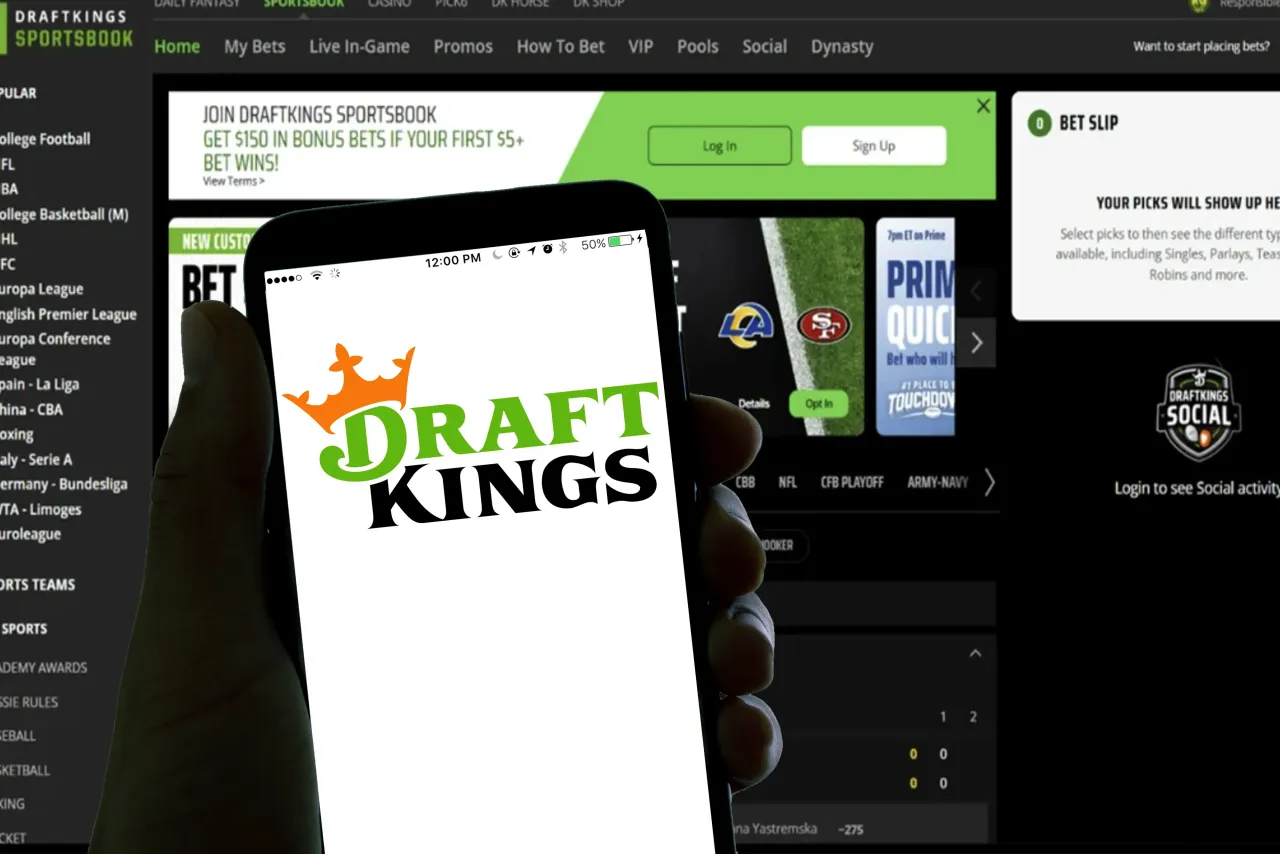
- Significant Stock Decline: DraftKings shares fell 8.1% on Wednesday to their lowest level in nearly three years, while Flutter shares dropped 4.1%, reaching a new low since August 2022, indicating investor concerns over regulatory updates in the prediction market space.
- Competitive Pressure from Prediction Markets: The rise of prediction market platforms like Polymarket and Kalshi has intensified competition for DraftKings and Flutter, leading investors to increasingly view these emerging platforms as threats, which has pressured their stock prices.
- Legal Challenges: DraftKings and Flutter's subsidiary FanDuel are facing a product liability lawsuit alleging that they use modern technology to promote addictive microbetting, which raises further concerns about their business models and regulatory scrutiny.
- Shift in Market Sentiment: According to Stocktwits data, DraftKings' market sentiment shifted from neutral to 'extremely bearish,' reflecting a significant decline in investor confidence, with the stock down nearly 38% year-to-date.
Trade with 70% Backtested Accuracy
Analyst Views on DKNG

About DKNG
About the author

DraftKings Gains from New Legislation Advantage

- Legislative Advantage: The new bill limits offshore competitors, providing DraftKings with a federally backed market advantage that is expected to further solidify its leadership position in the sports betting market.
- Regulatory Protections: The bill increases oversight of Kalshi and Polymarket to protect consumer and state interests, thereby enhancing DraftKings' market trust and compliance.
- Super App Initiative: DraftKings plans to launch a Super App that integrates sportsbook, casino, predictions, and lottery, targeting a market opportunity of $55 billion to $80 billion by 2030, significantly enhancing user engagement and lifetime value.
- Investor Sentiment Shift: DraftKings' stock surged over 7% due to the bill news, with investor sentiment shifting from 'extremely bearish' to 'bearish', indicating market optimism about the company's future growth potential.
U.S. Major Indices Close Higher Amid Mixed Signals

- Market Rebound: On Wednesday, all three major U.S. indices closed higher, with the Dow Jones Industrial Average up 0.7% to 46,429.49, the S&P 500 up 0.5% to 6,591.90, and the Nasdaq Composite up 0.8% to 21,929.83, reflecting optimistic sentiment regarding economic recovery.
- Oil Price Decline: Oil prices fell as tensions appeared to ease, with WTI down 2.2% to $90.32 per barrel and Brent also down 2.2% to $102.22, indicating market sensitivity to geopolitical developments and future supply concerns.
- Investor Sentiment: Despite the overall market gains, retail sentiment towards the SPDR S&P 500 ETF Trust (SPY) and Invesco QQQ Trust (QQQ) was extremely bearish amid high message volume, suggesting uncertainty that could influence short-term investment decisions.
- Economic Outlook: While uncertainties persist, Ryan Detrick, chief market strategist at Carson Group, noted that recession risks remain limited, with forward 12-month S&P 500 earnings estimates and profit margins expected to reach new highs, indicating potential for solid returns for investors by the end of 2026.
DraftKings and Flutter Stocks Plummet Amid Regulatory Concerns

- Significant Stock Decline: DraftKings shares fell 8.1% on Wednesday to their lowest level in nearly three years, while Flutter shares dropped 4.1%, reaching a new low since August 2022, indicating investor concerns over regulatory updates in the prediction market space.
- Competitive Pressure from Prediction Markets: The rise of prediction market platforms like Polymarket and Kalshi has intensified competition for DraftKings and Flutter, leading investors to increasingly view these emerging platforms as threats, which has pressured their stock prices.
- Legal Challenges: DraftKings and Flutter's subsidiary FanDuel are facing a product liability lawsuit alleging that they use modern technology to promote addictive microbetting, which raises further concerns about their business models and regulatory scrutiny.
- Shift in Market Sentiment: According to Stocktwits data, DraftKings' market sentiment shifted from neutral to 'extremely bearish,' reflecting a significant decline in investor confidence, with the stock down nearly 38% year-to-date.

DKNG and FLUT Hit Multi-Year Lows as Analyst Cautions on Potential Delay in Prediction Market Regulation
Stock Performance: DraftKings' stock dropped 8% and Flutter's stock declined 4%, reaching their lowest levels in nearly three years, as investors reacted to regulatory updates affecting prediction market platforms.
Regulatory Challenges: New bills targeting prediction markets have been introduced in the U.S. Congress, with concerns that they may not pass in the current legislative session, potentially impacting companies like DraftKings and Flutter.
Legal Issues: DraftKings and Flutter are facing lawsuits related to product liability and marketing practices, including allegations of promoting addictive gambling behaviors through modern technology.
Market Sentiment: Retail sentiment for DraftKings has turned "extremely bearish," with significant year-to-date declines of nearly 38% for DraftKings and 52% for Flutter, as traders express concerns over regulatory hurdles and market competition.

Futures for Dow, S&P 500, and Nasdaq Decline Amid Iran Negotiations and Upcoming Trump-Xi Summit: Key After-Hours Trends for DXYZ, CELH, DKNG, ARM, and SRPT


U.S. Stock Market Performance: All three major U.S. indexes closed higher on Wednesday, with the Dow up 0.7%, S&P 500 up 0.5%, and Nasdaq up 0.8%, despite mixed signals regarding U.S.-Iran negotiations and falling oil prices.
Oil Prices Decline: Oil prices fell significantly, with WTI down 2.2% to $90 and Brent also down 2.2% to $102, as traders reacted to easing tensions and a potential reduction in crude flows through the Strait of Hormuz.
Iran Negotiations Update: U.S. officials described recent talks with Iran as "productive," while Iranian media reported that indirect negotiations were not viable at this stage, indicating ongoing complexities in diplomatic relations.
Market Reactions to Global Events: U.S. markets are closely monitoring global policy signals, particularly regarding the scheduled summit between President Trump and Chinese President Xi Jinping, as well as developments in the Middle East that could impact trade and energy markets.

Impact of Sports Betting on Household Finances


- Surge in Betting Expenditure: The American Gaming Association estimates that legal sports betting for this year's NCAA men's and women's basketball tournaments will reach $3.3 billion, marking a 54% increase over the past three years, indicating a rapid rise in sports betting participation, which may strain household financial stability.
- Deteriorating Credit Health: A report from the New York Federal Reserve highlights an increase in credit delinquencies in states with legalized betting, particularly among those under 40, suggesting that gambling may significantly impact young consumers' financial health and lead to higher bankruptcy risks.
- Declining Credit Scores: According to FICO, the national average credit score has dropped to 714, down two points from last year, primarily due to the resumption of student loan and mortgage delinquency reporting, reflecting an overall deterioration in consumer credit health.
- Economic Divergence: While some consumers face worsening credit conditions, FICO also notes a growing number of consumers exhibiting strong credit behaviors at both ends of the scoring spectrum, indicating a K-shaped recovery in the economy, where some borrowers are experiencing increased financial pressure.
DraftKings Gains from New Legislation Advantage
- Legislative Advantage: The new bill limits offshore competitors, providing DraftKings with a federally backed market advantage that is expected to further solidify its leadership position in the sports betting market.
- Regulatory Protections: The bill increases oversight of Kalshi and Polymarket to protect consumer and state interests, thereby enhancing DraftKings' market trust and compliance.
- Super App Initiative: DraftKings plans to launch a Super App that integrates sportsbook, casino, predictions, and lottery, targeting a market opportunity of $55 billion to $80 billion by 2030, significantly enhancing user engagement and lifetime value.
- Investor Sentiment Shift: DraftKings' stock surged over 7% due to the bill news, with investor sentiment shifting from 'extremely bearish' to 'bearish', indicating market optimism about the company's future growth potential.
U.S. Major Indices Close Higher Amid Mixed Signals
- Market Rebound: On Wednesday, all three major U.S. indices closed higher, with the Dow Jones Industrial Average up 0.7% to 46,429.49, the S&P 500 up 0.5% to 6,591.90, and the Nasdaq Composite up 0.8% to 21,929.83, reflecting optimistic sentiment regarding economic recovery.
- Oil Price Decline: Oil prices fell as tensions appeared to ease, with WTI down 2.2% to $90.32 per barrel and Brent also down 2.2% to $102.22, indicating market sensitivity to geopolitical developments and future supply concerns.
- Investor Sentiment: Despite the overall market gains, retail sentiment towards the SPDR S&P 500 ETF Trust (SPY) and Invesco QQQ Trust (QQQ) was extremely bearish amid high message volume, suggesting uncertainty that could influence short-term investment decisions.
- Economic Outlook: While uncertainties persist, Ryan Detrick, chief market strategist at Carson Group, noted that recession risks remain limited, with forward 12-month S&P 500 earnings estimates and profit margins expected to reach new highs, indicating potential for solid returns for investors by the end of 2026.
DraftKings and Flutter Stocks Plummet Amid Regulatory Concerns
- Significant Stock Decline: DraftKings shares fell 8.1% on Wednesday to their lowest level in nearly three years, while Flutter shares dropped 4.1%, reaching a new low since August 2022, indicating investor concerns over regulatory updates in the prediction market space.
- Competitive Pressure from Prediction Markets: The rise of prediction market platforms like Polymarket and Kalshi has intensified competition for DraftKings and Flutter, leading investors to increasingly view these emerging platforms as threats, which has pressured their stock prices.
- Legal Challenges: DraftKings and Flutter's subsidiary FanDuel are facing a product liability lawsuit alleging that they use modern technology to promote addictive microbetting, which raises further concerns about their business models and regulatory scrutiny.
- Shift in Market Sentiment: According to Stocktwits data, DraftKings' market sentiment shifted from neutral to 'extremely bearish,' reflecting a significant decline in investor confidence, with the stock down nearly 38% year-to-date.
DKNG and FLUT Hit Multi-Year Lows as Analyst Cautions on Potential Delay in Prediction Market Regulation
Stock Performance: DraftKings' stock dropped 8% and Flutter's stock declined 4%, reaching their lowest levels in nearly three years, as investors reacted to regulatory updates affecting prediction market platforms.
Regulatory Challenges: New bills targeting prediction markets have been introduced in the U.S. Congress, with concerns that they may not pass in the current legislative session, potentially impacting companies like DraftKings and Flutter.
Legal Issues: DraftKings and Flutter are facing lawsuits related to product liability and marketing practices, including allegations of promoting addictive gambling behaviors through modern technology.
Market Sentiment: Retail sentiment for DraftKings has turned "extremely bearish," with significant year-to-date declines of nearly 38% for DraftKings and 52% for Flutter, as traders express concerns over regulatory hurdles and market competition.
Futures for Dow, S&P 500, and Nasdaq Decline Amid Iran Negotiations and Upcoming Trump-Xi Summit: Key After-Hours Trends for DXYZ, CELH, DKNG, ARM, and SRPT
U.S. Stock Market Performance: All three major U.S. indexes closed higher on Wednesday, with the Dow up 0.7%, S&P 500 up 0.5%, and Nasdaq up 0.8%, despite mixed signals regarding U.S.-Iran negotiations and falling oil prices.
Oil Prices Decline: Oil prices fell significantly, with WTI down 2.2% to $90 and Brent also down 2.2% to $102, as traders reacted to easing tensions and a potential reduction in crude flows through the Strait of Hormuz.
Iran Negotiations Update: U.S. officials described recent talks with Iran as "productive," while Iranian media reported that indirect negotiations were not viable at this stage, indicating ongoing complexities in diplomatic relations.
Market Reactions to Global Events: U.S. markets are closely monitoring global policy signals, particularly regarding the scheduled summit between President Trump and Chinese President Xi Jinping, as well as developments in the Middle East that could impact trade and energy markets.
Impact of Sports Betting on Household Finances
- Surge in Betting Expenditure: The American Gaming Association estimates that legal sports betting for this year's NCAA men's and women's basketball tournaments will reach $3.3 billion, marking a 54% increase over the past three years, indicating a rapid rise in sports betting participation, which may strain household financial stability.
- Deteriorating Credit Health: A report from the New York Federal Reserve highlights an increase in credit delinquencies in states with legalized betting, particularly among those under 40, suggesting that gambling may significantly impact young consumers' financial health and lead to higher bankruptcy risks.
- Declining Credit Scores: According to FICO, the national average credit score has dropped to 714, down two points from last year, primarily due to the resumption of student loan and mortgage delinquency reporting, reflecting an overall deterioration in consumer credit health.
- Economic Divergence: While some consumers face worsening credit conditions, FICO also notes a growing number of consumers exhibiting strong credit behaviors at both ends of the scoring spectrum, indicating a K-shaped recovery in the economy, where some borrowers are experiencing increased financial pressure.