DoorDash Expands Grocery Delivery with Empire Company Partnership
Written by Emily J. Thompson, Senior Investment Analyst
Updated: Apr 27 2026
0mins
Should l Buy DASH?
Source: Newsfilter
- Partnership Expansion: DoorDash partners with Empire Company to integrate over 1,000 stores from 12 brands including Sobeys and Safeway into its platform, significantly enhancing DoorDash's competitive position in the grocery delivery market across 10 provinces in Canada.
- Increased User Engagement: As of December 2025, 25% of DoorDash's monthly active users engage with grocery, convenience, and alcohol categories, indicating a rapid growth in consumer demand for on-demand grocery delivery services.
- Fast Delivery Service: Grocery orders on DoorDash are delivered in under 60 minutes on average in Canada's five largest cities, enabling time-pressed consumers to efficiently manage their shopping needs, thereby improving user experience and satisfaction.
- Promotional Campaign: From April 27 to May 3, 2026, consumers can receive a 30% discount on orders from Empire's family of brands on DoorDash using a promo code, further stimulating consumer purchasing intent and increasing platform usage frequency.
Trade with 70% Backtested Accuracy
Stop guessing "Should I Buy DASH?" and start using high-conviction signals backed by rigorous historical data.
Sign up today to access powerful investing tools and make smarter, data-driven decisions.
Analyst Views on DASH
Wall Street analysts forecast DASH stock price to rise
21 Analyst Rating
18 Buy
3 Hold
0 Sell
Strong Buy
Current: 157.330

Low
224.00
Averages
278.67
High
330.00
Current: 157.330
Low
224.00
Averages
278.67
High
330.00
About DASH
DoorDash, Inc. is engaged in providing services that reduce friction in local commerce and help merchants connect with consumers in their communities. The Company's primary offerings include the DoorDash Marketplace and the Wolt Marketplace (together, the Marketplaces), and its Commerce Platform. The Company's Marketplaces operate in over 30 countries across the globe and provide an integrated suite of services that help merchants establish an online presence, connect with consumers in their communities, and solve mission-critical challenges, such as customer acquisition, demand generation, order fulfillment, merchandising, payment processing, and customer support. It also offers advertising as a value-added service through its Marketplaces to help merchants and consumer packaged goods companies increase consumer engagement. The Company also has offsite advertising capabilities. Its white-label delivery fulfillment services include DoorDash Drive On-Demand and Wolt Drive.
About the author

Emily J. Thompson
Emily J. Thompson, a Chartered Financial Analyst (CFA) with 12 years in investment research, graduated with honors from the Wharton School. Specializing in industrial and technology stocks, she provides in-depth analysis for Intellectia’s earnings and market brief reports.
Amazon Launches Ultra-Fast Delivery Service


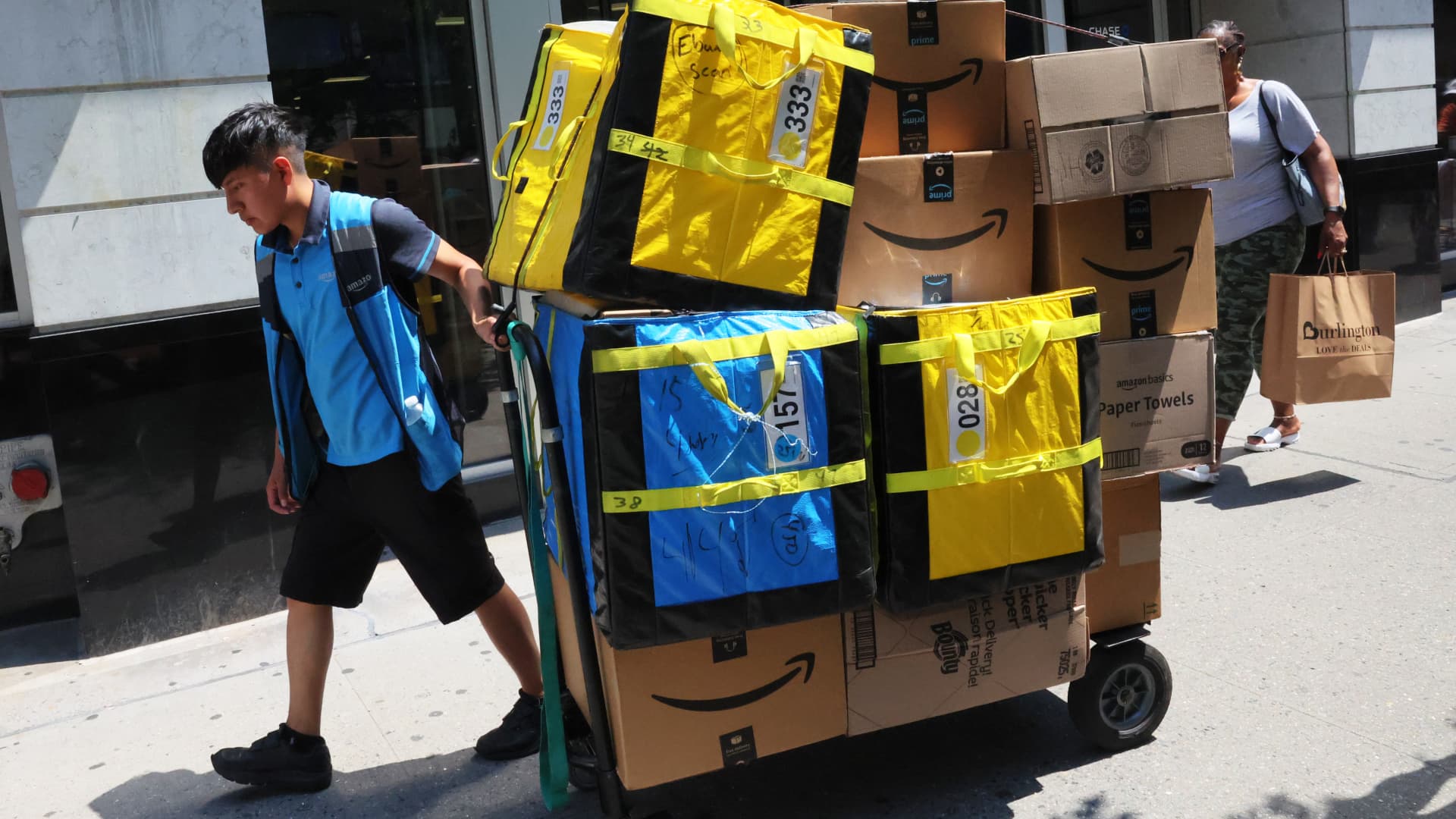
- Ultra-Fast Delivery Expansion: Amazon announced the rollout of its 'Amazon Now' service across multiple U.S. cities, aiming to deliver packages in 30 minutes or less, with plans to reach tens of millions of customers by year-end, significantly enhancing customer satisfaction and competitive positioning.
- International Market Strategy: The service has already achieved 15-minute delivery in Brazil, Mexico, India, and the UAE, showcasing Amazon's ambition in the global quick commerce sector and further solidifying its leadership in the e-commerce market.
- Innovative Delivery Model: Amazon utilizes micro-fulfillment centers ranging from 5,000 to 10,000 square feet for deliveries, these 'dark stores' are strategically located near customers, enabling rapid response to demand, improving delivery efficiency, and reducing operational costs.
- Transparent Fee Structure: Prime members will pay a $3.99 fee for the service, while non-members face a $13.99 delivery fee plus an additional $3.99 for orders under $15, providing a clear pricing structure that may attract more users to Amazon's rapid delivery options.
See More

Amazon Launches 30-Minute Delivery Service Across U.S.

- Rapid Delivery Expansion: Amazon announced the launch of its 30-minute delivery service in dozens of U.S. cities, with plans to reach tens of millions of customers by year-end, significantly enhancing customer experience and strengthening market competitiveness.
- Micro-Fulfillment Centers: The service relies on newly established micro-fulfillment centers, referred to as 'dark stores,' which range from 5,000 to 10,000 square feet and can stock thousands of items, thereby reducing delivery times.
- Flexible Delivery Model: Amazon utilizes its network of Flex drivers for deliveries, allowing drivers to choose their working hours flexibly, and may explore other transportation modes in the future to meet regional demands, further improving delivery efficiency.
- Membership Fee Structure: Prime members pay a delivery fee of $3.99 per order, while non-members incur a $13.99 delivery fee plus an additional $3.99 for orders under $15, a pricing strategy aimed at attracting more users to join Prime membership.
See More

Morgan Stanley Identifies Five Trends in Gig Economy

- Strong User Growth: Following simultaneous earnings reports from DoorDash, Uber, and Instacart, robust user growth and order frequency were evident, particularly with DoorDash's DashPass membership accelerating in Q1, indicating enhanced market competitiveness through lower churn rates.
- Market Share Expansion: Morgan Stanley estimated DoorDash's online grocery and retail gross order value reached $4.1 billion in Q1, growing 32% year-over-year, while Uber's stood at $3.5 billion, up 40%, showcasing rapid expansion for both companies in the market.
- Revenue Forecast Increase: Morgan Stanley raised DoorDash's price target to $275, implying a 48% upside from its current price of $167.97, while projecting a 2027 adjusted EBITDA of $4.806 billion, reflecting strong profitability expectations.
- Competitive Landscape Analysis: Instacart's gross order value of $10.3 billion, despite only a 13% growth, dwarfs both DoorDash and Uber, with Morgan Stanley highlighting Amazon's
See More
US Stocks Close Lower Amid Cautious Market Sentiment


- Market Weakness: On Thursday, the S&P 500 Index fell by 0.38%, the Dow Jones Industrial Average dropped by 0.63%, and the Nasdaq 100 Index decreased by 0.12%, reflecting investor skepticism regarding a potential US-Iran peace deal, which led to a reversal of early gains and impacted market confidence.
- Economic Data Support: Despite the market decline, initial jobless claims rose by 10,000 to 200,000, below the expected 205,000, indicating resilience in the labor market, while Q1 nonfarm productivity increased by 0.8%, surpassing the 0.6% forecast, providing some support to the market.
- Earnings Report Impact: As of Thursday, 84% of the 425 S&P 500 companies that reported earnings exceeded expectations, with Q1 earnings projected to rise by 12% year-over-year, although growth outside the tech sector is only expected to be around 3%, indicating a divergence that may influence investor allocation strategies.
- Oil Price Recovery: WTI crude oil prices rebounded after a 4% decline on Thursday, as the market focused on the potential resumption of US military operations to ensure safe passage through the Strait of Hormuz, which is expected to have ongoing implications for global oil prices and related stocks.
See More
DoorDash Allocates Over $50M for Driver Fuel Cost Relief
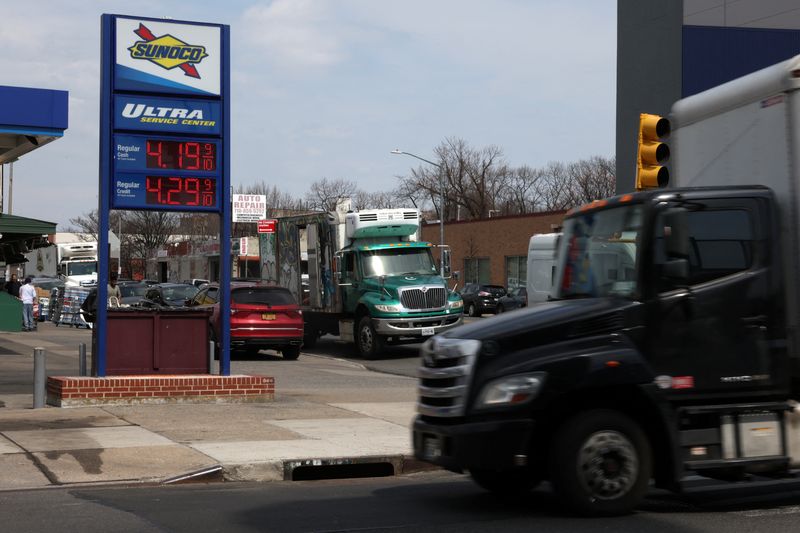
- Fuel Subsidy Initiative: DoorDash plans to invest over $50 million this spring to assist delivery drivers in coping with sharply rising fuel costs, primarily through temporary pay boosts and gas rewards, aimed at alleviating economic pressure on drivers.
- Subsidy Structure: The program offers weekly fuel relief payments ranging from $5 to $15 for drivers who cover at least 125 miles, with the amount increasing based on total miles driven, ensuring income stability for drivers in a high fuel price environment.
- Market Response: According to AAA, the current national average gas price is $4.56 per gallon, significantly up from $3.15 a year ago, and DoorDash's subsidy program aims to ease driver burdens without directly raising consumer fees.
- Future Outlook: While DoorDash has not yet decided on extending the program, CFO Ravi Inukonda noted that the overall EBITDA outlook remains unchanged, reflecting the company's close monitoring of market dynamics and its ability to respond flexibly.
See More

U.S. Stock Market Retreats as Oil Prices Surge
- Market Retreat: The S&P 500 Index fell by 0.40%, the Dow Jones Industrial Average by 0.51%, and the Nasdaq 100 by 0.28%, indicating a retreat in market sentiment as rising oil prices weigh on investor confidence and raise concerns about future economic prospects.
- Strong Employment Data: Initial jobless claims in the U.S. rose by 10,000 to 200,000, indicating a stronger labor market than the expected 205,000, while continuing claims unexpectedly fell by 10,000 to a 2.25-year low of 1.766 million, showcasing economic resilience.
- Productivity and Costs: U.S. Q1 nonfarm productivity increased by 0.8%, surpassing expectations of 0.6%, while unit labor costs rose by 2.3%, below the anticipated 2.5%, which may influence future inflation expectations and Fed policy decisions.
- Fed Policy Outlook: Boston Fed President indicated that interest rates should remain at “mildly restrictive” levels, suggesting that if inflation trends worsen significantly, a reassessment of policy would be necessary, with markets pricing in only a 6% chance of a rate cut at the next FOMC meeting.
See More
Amazon Launches Ultra-Fast Delivery Service
- Ultra-Fast Delivery Expansion: Amazon announced the rollout of its 'Amazon Now' service across multiple U.S. cities, aiming to deliver packages in 30 minutes or less, with plans to reach tens of millions of customers by year-end, significantly enhancing customer satisfaction and competitive positioning.
- International Market Strategy: The service has already achieved 15-minute delivery in Brazil, Mexico, India, and the UAE, showcasing Amazon's ambition in the global quick commerce sector and further solidifying its leadership in the e-commerce market.
- Innovative Delivery Model: Amazon utilizes micro-fulfillment centers ranging from 5,000 to 10,000 square feet for deliveries, these 'dark stores' are strategically located near customers, enabling rapid response to demand, improving delivery efficiency, and reducing operational costs.
- Transparent Fee Structure: Prime members will pay a $3.99 fee for the service, while non-members face a $13.99 delivery fee plus an additional $3.99 for orders under $15, providing a clear pricing structure that may attract more users to Amazon's rapid delivery options.
See More
Amazon Launches 30-Minute Delivery Service Across U.S.
- Rapid Delivery Expansion: Amazon announced the launch of its 30-minute delivery service in dozens of U.S. cities, with plans to reach tens of millions of customers by year-end, significantly enhancing customer experience and strengthening market competitiveness.
- Micro-Fulfillment Centers: The service relies on newly established micro-fulfillment centers, referred to as 'dark stores,' which range from 5,000 to 10,000 square feet and can stock thousands of items, thereby reducing delivery times.
- Flexible Delivery Model: Amazon utilizes its network of Flex drivers for deliveries, allowing drivers to choose their working hours flexibly, and may explore other transportation modes in the future to meet regional demands, further improving delivery efficiency.
- Membership Fee Structure: Prime members pay a delivery fee of $3.99 per order, while non-members incur a $13.99 delivery fee plus an additional $3.99 for orders under $15, a pricing strategy aimed at attracting more users to join Prime membership.
See More
Morgan Stanley Identifies Five Trends in Gig Economy
- Strong User Growth: Following simultaneous earnings reports from DoorDash, Uber, and Instacart, robust user growth and order frequency were evident, particularly with DoorDash's DashPass membership accelerating in Q1, indicating enhanced market competitiveness through lower churn rates.
- Market Share Expansion: Morgan Stanley estimated DoorDash's online grocery and retail gross order value reached $4.1 billion in Q1, growing 32% year-over-year, while Uber's stood at $3.5 billion, up 40%, showcasing rapid expansion for both companies in the market.
- Revenue Forecast Increase: Morgan Stanley raised DoorDash's price target to $275, implying a 48% upside from its current price of $167.97, while projecting a 2027 adjusted EBITDA of $4.806 billion, reflecting strong profitability expectations.
- Competitive Landscape Analysis: Instacart's gross order value of $10.3 billion, despite only a 13% growth, dwarfs both DoorDash and Uber, with Morgan Stanley highlighting Amazon's
See More
US Stocks Close Lower Amid Cautious Market Sentiment
- Market Weakness: On Thursday, the S&P 500 Index fell by 0.38%, the Dow Jones Industrial Average dropped by 0.63%, and the Nasdaq 100 Index decreased by 0.12%, reflecting investor skepticism regarding a potential US-Iran peace deal, which led to a reversal of early gains and impacted market confidence.
- Economic Data Support: Despite the market decline, initial jobless claims rose by 10,000 to 200,000, below the expected 205,000, indicating resilience in the labor market, while Q1 nonfarm productivity increased by 0.8%, surpassing the 0.6% forecast, providing some support to the market.
- Earnings Report Impact: As of Thursday, 84% of the 425 S&P 500 companies that reported earnings exceeded expectations, with Q1 earnings projected to rise by 12% year-over-year, although growth outside the tech sector is only expected to be around 3%, indicating a divergence that may influence investor allocation strategies.
- Oil Price Recovery: WTI crude oil prices rebounded after a 4% decline on Thursday, as the market focused on the potential resumption of US military operations to ensure safe passage through the Strait of Hormuz, which is expected to have ongoing implications for global oil prices and related stocks.
See More
DoorDash Allocates Over $50M for Driver Fuel Cost Relief
- Fuel Subsidy Initiative: DoorDash plans to invest over $50 million this spring to assist delivery drivers in coping with sharply rising fuel costs, primarily through temporary pay boosts and gas rewards, aimed at alleviating economic pressure on drivers.
- Subsidy Structure: The program offers weekly fuel relief payments ranging from $5 to $15 for drivers who cover at least 125 miles, with the amount increasing based on total miles driven, ensuring income stability for drivers in a high fuel price environment.
- Market Response: According to AAA, the current national average gas price is $4.56 per gallon, significantly up from $3.15 a year ago, and DoorDash's subsidy program aims to ease driver burdens without directly raising consumer fees.
- Future Outlook: While DoorDash has not yet decided on extending the program, CFO Ravi Inukonda noted that the overall EBITDA outlook remains unchanged, reflecting the company's close monitoring of market dynamics and its ability to respond flexibly.
See More
U.S. Stock Market Retreats as Oil Prices Surge
- Market Retreat: The S&P 500 Index fell by 0.40%, the Dow Jones Industrial Average by 0.51%, and the Nasdaq 100 by 0.28%, indicating a retreat in market sentiment as rising oil prices weigh on investor confidence and raise concerns about future economic prospects.
- Strong Employment Data: Initial jobless claims in the U.S. rose by 10,000 to 200,000, indicating a stronger labor market than the expected 205,000, while continuing claims unexpectedly fell by 10,000 to a 2.25-year low of 1.766 million, showcasing economic resilience.
- Productivity and Costs: U.S. Q1 nonfarm productivity increased by 0.8%, surpassing expectations of 0.6%, while unit labor costs rose by 2.3%, below the anticipated 2.5%, which may influence future inflation expectations and Fed policy decisions.
- Fed Policy Outlook: Boston Fed President indicated that interest rates should remain at “mildly restrictive” levels, suggesting that if inflation trends worsen significantly, a reassessment of policy would be necessary, with markets pricing in only a 6% chance of a rate cut at the next FOMC meeting.
See More