Dogecoin Struggles to Recover Amid Market Challenges
Written by Emily J. Thompson, Senior Investment Analyst
Updated: 23 hours ago
0mins

Source: Fool
- Significant Price Volatility: Dogecoin currently trades at approximately $0.08, representing an 89% decline from its all-time high of $0.74 on May 8, 2021, indicating the cryptocurrency market's weakness amid rising interest rates and macroeconomic pressures.
- Lack of Scarcity: Without a supply cap, Dogecoin cannot be valued based on scarcity like Bitcoin, and its absence of smart contract support limits its competitiveness against developer ecosystems like Ethereum, contributing to its struggle for recovery.
- Limited Mainstream Adoption: Although companies like Tesla and SpaceX accept Dogecoin for merchandise purchases, the cryptocurrency's high volatility makes it less appealing for consumers and businesses, failing to drive significant price increases.
- Uncertain Future Prospects: Despite efforts by supporters to transform Dogecoin into a developer-oriented token through initiatives like Dogechain, its small scale compared to established ecosystems like Ethereum and Solana, coupled with a lack of clear long-term catalysts, suggests that Dogecoin's price may continue to decline.
Trade with 70% Backtested Accuracy
Stop guessing "Should I Buy MCD?" and start using high-conviction signals backed by rigorous historical data.
Sign up today to access powerful investing tools and make smarter, data-driven decisions.
Analyst Views on MCD
Wall Street analysts forecast MCD stock price to rise
23 Analyst Rating
12 Buy
11 Hold
0 Sell
Moderate Buy
Current: 272.720

Low
300.00
Averages
337.63
High
375.00
Current: 272.720
Low
300.00
Averages
337.63
High
375.00
About MCD
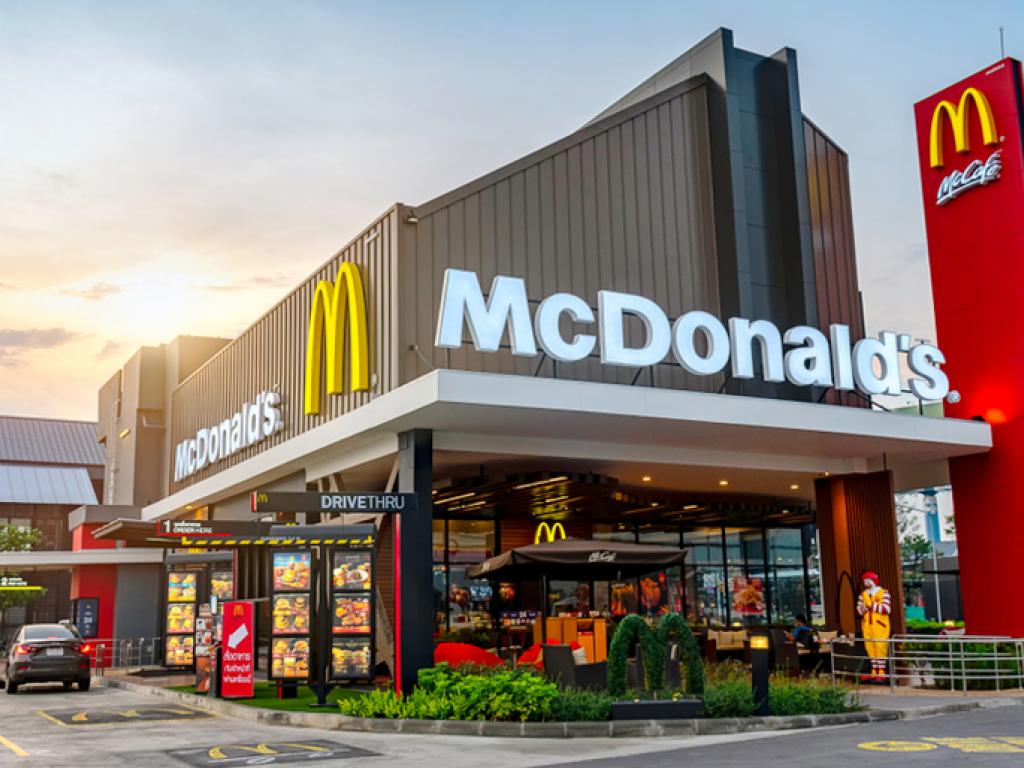
McDonald's Corporation is a global foodservice retailer. Its segment includes U.S., International Operated Markets, and International Developmental Licensed Markets & Corporate. The U.S. segment is its largest market and is 95% franchised. The International Operated Markets segment comprises markets or countries in which it operates and franchises restaurants, including Australia, Canada, France, Germany, Italy, Poland, Spain, and the United Kingdom. This segment is 89% franchised. The International Developmental Licensed Markets & Corporate segment comprises development licensee and affiliate markets, including equity method investments in China and Japan. This segment is 99% franchised. Its menu features hamburgers and cheeseburgers, the Big Mac, the Quarter Pounder with Cheese, the Filet-O-Fish, and several chicken sandwiches, such as the McChicken and McCrispy as well as Chicken McNuggets, Fries, shakes, sundaes, cookies, soft drinks, coffee, and other beverages.
About the author

Emily J. Thompson
Emily J. Thompson, a Chartered Financial Analyst (CFA) with 12 years in investment research, graduated with honors from the Wharton School. Specializing in industrial and technology stocks, she provides in-depth analysis for Intellectia’s earnings and market brief reports.
In-N-Out Burger Expands Its Iconic Brand Across the U.S.


- Brand Expansion: Since its inception in 1948 in Baldwin Park, California, In-N-Out Burger has grown to over 400 locations, recently establishing a regional hub in Franklin, Tennessee, marking a significant geographic expansion into the eastern U.S.
- Revenue Performance: The chain boasts an estimated annual revenue exceeding $2.1 billion, and despite operating fewer locations than its competitors, it generates above-average profits, highlighting its unique business model and market appeal.
- Direct Ownership Model: In-N-Out has maintained a company-owned operation for all its restaurants, which allows for direct control over food quality, employee training, and customer experience, setting it apart in the modern fast-food landscape.
- Market Competition: Ranking as the ninth largest burger chain in the U.S., In-N-Out continues to solidify its market position against numerous competitors like McDonald's and Burger King, leveraging its simple menu and loyal customer base.
See More
McDonald's Tests AI Order-Taking System at Drive-Thrus
- AI Order System Testing: McDonald's is piloting an AI automated order-taking system named ArchIQ at five U.S. locations, having processed over 1 million transactions with about 90% of orders completed without human intervention, showcasing the system's efficiency and potential for business transformation.
- Brand Strategy Upgrade: The introduction of this AI system is part of McDonald's new brand strategy, “McDonald’s> NEXT,” aimed at enhancing customer experience and adapting to rapidly changing market demands, despite having abandoned a similar project two years ago.
- Mixed Public Reaction: Although the system demonstrates impressive performance, public feedback has been largely negative, with some customers expressing a preference for human interaction, highlighting a tension between technology and personalized service that could impact brand perception.
- Future Outlook: McDonald's AI ordering system may signal the beginning of robotic food service, and while concerns about employee displacement exist, its potential to significantly enhance operational efficiency could provide the company with a long-term competitive advantage.
See More
Dogecoin Struggles to Recover Amid Market Challenges

- Significant Price Volatility: Dogecoin currently trades at approximately $0.08, representing an 89% decline from its all-time high of $0.74 on May 8, 2021, indicating the cryptocurrency market's weakness amid rising interest rates and macroeconomic pressures.
- Lack of Scarcity: Without a supply cap, Dogecoin cannot be valued based on scarcity like Bitcoin, and its absence of smart contract support limits its competitiveness against developer ecosystems like Ethereum, contributing to its struggle for recovery.
- Limited Mainstream Adoption: Although companies like Tesla and SpaceX accept Dogecoin for merchandise purchases, the cryptocurrency's high volatility makes it less appealing for consumers and businesses, failing to drive significant price increases.
- Uncertain Future Prospects: Despite efforts by supporters to transform Dogecoin into a developer-oriented token through initiatives like Dogechain, its small scale compared to established ecosystems like Ethereum and Solana, coupled with a lack of clear long-term catalysts, suggests that Dogecoin's price may continue to decline.
See More
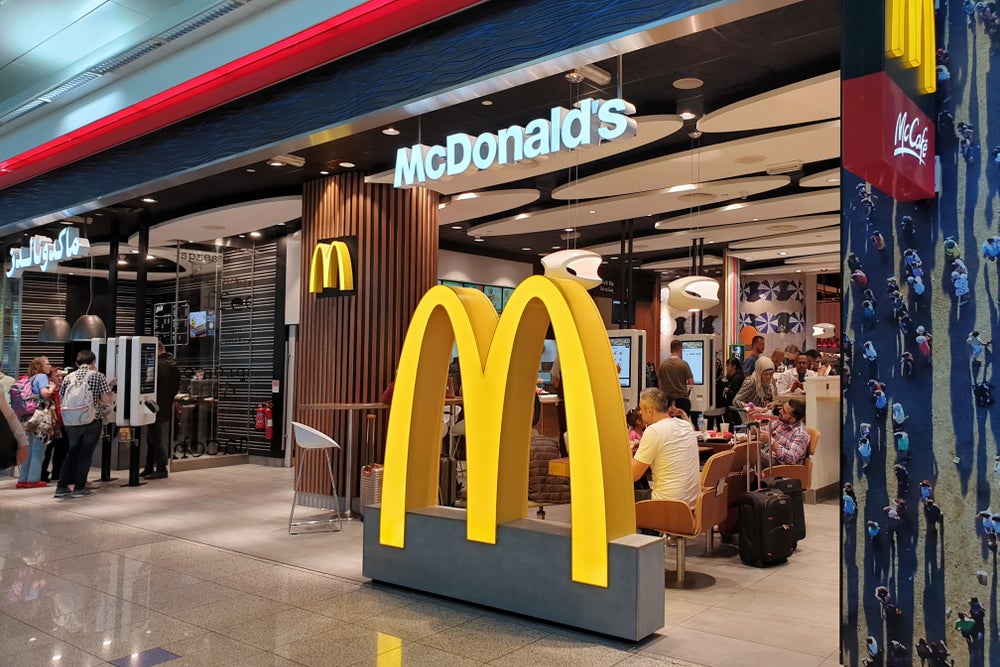
Musk Reiterates Promise to Eat Happy Meal if McDonald's Accepts Dogecoin
- Price Volatility: Dogecoin has fluctuated between $0.08 and $0.31 over the past 52 weeks, indicating high volatility that diminishes consumer and business interest in using it as a payment method, thereby affecting its market acceptance.
- Musk's Commitment: Musk reiterated on social media that he would eat a Happy Meal on live TV if McDonald's accepted Dogecoin; however, this promise, while generating buzz, did not significantly boost Dogecoin's price, reflecting skepticism about its long-term value.
- Mainstream Payment Acceptance: Although companies like Tesla and SpaceX allow Dogecoin for merchandise purchases, most consumers remain reluctant to transact with such a volatile cryptocurrency, limiting its practical application and market potential.
- Lack of Long-term Catalysts: Dogecoin failed to recover after the launch of its first ETFs, and it lacks clear long-term growth drivers; even if companies like McDonald's start accepting Dogecoin payments, it may not be enough to change its market outlook.
See More
McDonald's Upgrades Chicken Offerings to Attract Customers

- Brand Upgrade Strategy: McDonald's is introducing new chicken offerings, including bone-in wings, aimed at attracting customers by enhancing food quality and beverage options, thereby regaining consumer favor in a competitive fast-food market.
- Market Environment Response: In a context where discretionary income is limited, McDonald's 'McDonald's > NEXT' strategy emphasizes value deals and improved customer experience to meet consumer expectations for high value, enhancing brand competitiveness.
- Risk and Reward: Although the new menu may pressure company margins due to premium ingredients, if consumers consistently choose McDonald's over competitors, the long-term return on investment could be substantial, especially as the stock has declined by 9% this year.
- Testing and Rollout: New items will be tested in a limited number of stores before wider rollout, providing McDonald's with an opportunity to refine its recipes and growth strategy, aligning with the brand's future development needs.
See More
McDonald's Brand Refresh Strategy
- Stock Decline: McDonald's shares have fallen over 9% year-to-date, indicating market concerns about its growth potential, particularly in a highly competitive fast-food sector where investors are cautious about future performance.
- Brand Refresh Strategy: The company has launched a strategy called 'McDonald's > NEXT', aimed at enhancing menu quality and customer experience by introducing new chicken products and beverage options to attract consumers, especially in a challenging fast-food market.
- Competitive Pressure: The introduction of new menu items may pressure the company's margins due to higher costs associated with premium ingredients; however, if successful in attracting consumers, the long-term returns could be substantial, particularly against rivals like Starbucks and Chipotle.
- Investor Focus: Despite underperforming over the past five years, McDonald's current P/E ratio is below 23, and with a quarterly dividend of $1.86, a successful implementation of the new strategy could provide growth and stable income for investors.
See More
In-N-Out Burger Expands Its Iconic Brand Across the U.S.
- Brand Expansion: Since its inception in 1948 in Baldwin Park, California, In-N-Out Burger has grown to over 400 locations, recently establishing a regional hub in Franklin, Tennessee, marking a significant geographic expansion into the eastern U.S.
- Revenue Performance: The chain boasts an estimated annual revenue exceeding $2.1 billion, and despite operating fewer locations than its competitors, it generates above-average profits, highlighting its unique business model and market appeal.
- Direct Ownership Model: In-N-Out has maintained a company-owned operation for all its restaurants, which allows for direct control over food quality, employee training, and customer experience, setting it apart in the modern fast-food landscape.
- Market Competition: Ranking as the ninth largest burger chain in the U.S., In-N-Out continues to solidify its market position against numerous competitors like McDonald's and Burger King, leveraging its simple menu and loyal customer base.
See More
McDonald's Tests AI Order-Taking System at Drive-Thrus
- AI Order System Testing: McDonald's is piloting an AI automated order-taking system named ArchIQ at five U.S. locations, having processed over 1 million transactions with about 90% of orders completed without human intervention, showcasing the system's efficiency and potential for business transformation.
- Brand Strategy Upgrade: The introduction of this AI system is part of McDonald's new brand strategy, “McDonald’s> NEXT,” aimed at enhancing customer experience and adapting to rapidly changing market demands, despite having abandoned a similar project two years ago.
- Mixed Public Reaction: Although the system demonstrates impressive performance, public feedback has been largely negative, with some customers expressing a preference for human interaction, highlighting a tension between technology and personalized service that could impact brand perception.
- Future Outlook: McDonald's AI ordering system may signal the beginning of robotic food service, and while concerns about employee displacement exist, its potential to significantly enhance operational efficiency could provide the company with a long-term competitive advantage.
See More
Dogecoin Struggles to Recover Amid Market Challenges
- Significant Price Volatility: Dogecoin currently trades at approximately $0.08, representing an 89% decline from its all-time high of $0.74 on May 8, 2021, indicating the cryptocurrency market's weakness amid rising interest rates and macroeconomic pressures.
- Lack of Scarcity: Without a supply cap, Dogecoin cannot be valued based on scarcity like Bitcoin, and its absence of smart contract support limits its competitiveness against developer ecosystems like Ethereum, contributing to its struggle for recovery.
- Limited Mainstream Adoption: Although companies like Tesla and SpaceX accept Dogecoin for merchandise purchases, the cryptocurrency's high volatility makes it less appealing for consumers and businesses, failing to drive significant price increases.
- Uncertain Future Prospects: Despite efforts by supporters to transform Dogecoin into a developer-oriented token through initiatives like Dogechain, its small scale compared to established ecosystems like Ethereum and Solana, coupled with a lack of clear long-term catalysts, suggests that Dogecoin's price may continue to decline.
See More
Musk Reiterates Promise to Eat Happy Meal if McDonald's Accepts Dogecoin
- Price Volatility: Dogecoin has fluctuated between $0.08 and $0.31 over the past 52 weeks, indicating high volatility that diminishes consumer and business interest in using it as a payment method, thereby affecting its market acceptance.
- Musk's Commitment: Musk reiterated on social media that he would eat a Happy Meal on live TV if McDonald's accepted Dogecoin; however, this promise, while generating buzz, did not significantly boost Dogecoin's price, reflecting skepticism about its long-term value.
- Mainstream Payment Acceptance: Although companies like Tesla and SpaceX allow Dogecoin for merchandise purchases, most consumers remain reluctant to transact with such a volatile cryptocurrency, limiting its practical application and market potential.
- Lack of Long-term Catalysts: Dogecoin failed to recover after the launch of its first ETFs, and it lacks clear long-term growth drivers; even if companies like McDonald's start accepting Dogecoin payments, it may not be enough to change its market outlook.
See More
McDonald's Upgrades Chicken Offerings to Attract Customers
- Brand Upgrade Strategy: McDonald's is introducing new chicken offerings, including bone-in wings, aimed at attracting customers by enhancing food quality and beverage options, thereby regaining consumer favor in a competitive fast-food market.
- Market Environment Response: In a context where discretionary income is limited, McDonald's 'McDonald's > NEXT' strategy emphasizes value deals and improved customer experience to meet consumer expectations for high value, enhancing brand competitiveness.
- Risk and Reward: Although the new menu may pressure company margins due to premium ingredients, if consumers consistently choose McDonald's over competitors, the long-term return on investment could be substantial, especially as the stock has declined by 9% this year.
- Testing and Rollout: New items will be tested in a limited number of stores before wider rollout, providing McDonald's with an opportunity to refine its recipes and growth strategy, aligning with the brand's future development needs.
See More
McDonald's Brand Refresh Strategy
- Stock Decline: McDonald's shares have fallen over 9% year-to-date, indicating market concerns about its growth potential, particularly in a highly competitive fast-food sector where investors are cautious about future performance.
- Brand Refresh Strategy: The company has launched a strategy called 'McDonald's > NEXT', aimed at enhancing menu quality and customer experience by introducing new chicken products and beverage options to attract consumers, especially in a challenging fast-food market.
- Competitive Pressure: The introduction of new menu items may pressure the company's margins due to higher costs associated with premium ingredients; however, if successful in attracting consumers, the long-term returns could be substantial, particularly against rivals like Starbucks and Chipotle.
- Investor Focus: Despite underperforming over the past five years, McDonald's current P/E ratio is below 23, and with a quarterly dividend of $1.86, a successful implementation of the new strategy could provide growth and stable income for investors.
See More