DICK’S Sporting Goods Reports Strong Q1 Performance with 6% Comp Growth
Written by Emily J. Thompson, Senior Investment Analyst
Updated: 47 minutes ago
0mins
Source: seekingalpha
- Significant Sales Growth: DICK’S Sporting Goods achieved a 6% comp sales growth in Q1, with increases in average ticket and transactions, indicating strong market performance that is expected to drive future profitability.
- Strong Financial Performance: The company reported a 62.7% increase in consolidated net sales to $5.16 billion, with Foot Locker contributing $1.79 billion, demonstrating the effectiveness of its integration strategy and enhancing overall financial health.
- Optimistic Outlook: Management raised the full-year comp sales growth expectation for DICK’S to 2.5% to 4%, while also projecting Foot Locker operating income to reach $110 million to $150 million, reflecting confidence in future performance.
- Robust Capital Allocation: The company reported net capital expenditures of $289 million, dividends of $114 million, and repurchased 719,000 shares, showcasing a balanced strategy between shareholder returns and business expansion.
Trade with 70% Backtested Accuracy
Stop guessing "Should I Buy DKS?" and start using high-conviction signals backed by rigorous historical data.
Sign up today to access powerful investing tools and make smarter, data-driven decisions.
Analyst Views on DKS
Wall Street analysts forecast DKS stock price to rise
15 Analyst Rating
10 Buy
5 Hold
0 Sell
Moderate Buy
Current: 233.130

Low
180.00
Averages
248.14
High
285.00
Current: 233.130
Low
180.00
Averages
248.14
High
285.00
About DKS
DICK'S Sporting Goods, Inc. is an omni-channel sporting goods retailer. The Company owns and operates Golf Galaxy, Public Lands, and Going Going Gone! specialty concept stores, and also offers its products online and through its mobile applications. It also owns and operates DICK’S House of Sport and Golf Galaxy Performance Center, as well as GameChanger, a youth sports mobile platform for livestreaming, scheduling, communications and scorekeeping. The Company operates over 3,200 stores e-commerce and digital businesses across 20 countries in North America, Europe, Asia, and Australia, plus a licensed store presence in Europe, the Middle East and Asia. It carries a wide variety of national brands, including but not limited to adidas, Asics, Brooks, Callaway Golf, Carhartt, Columbia, Hoka, Jordan, New Balance, Nike, Peloton, The North Face, Under Armour, Wilson, Yeti, and others. It also owns and operates brands such as Foot Locker, Kids Foot Locker, Champs Sports, WSS, and atmos.
About the author

Emily J. Thompson
Emily J. Thompson, a Chartered Financial Analyst (CFA) with 12 years in investment research, graduated with honors from the Wharton School. Specializing in industrial and technology stocks, she provides in-depth analysis for Intellectia’s earnings and market brief reports.

Dick's Sporting Goods Reports Strong Q1 Performance with 6% Comp Sales Growth
- Sales Growth Highlight: Dick's Sporting Goods reported a 6% increase in comparable sales for Q1, driven by higher average ticket sizes and transaction volumes, indicating strong engagement from younger athletes and the effectiveness of the company's strategy at the intersection of sports and culture.
- Foot Locker Acquisition Impact: The US Foot Locker banner achieved a 6.4% comp sales growth, demonstrating positive early results from the acquisition, while the Fast Break initiative showed double-digit comps in Q1, reinforcing the capital-light remodel strategy.
- Gross Margin Pressure: Despite overall sales growth, the company's non-GAAP gross profit margin declined by 328 basis points year-over-year, primarily due to the mix impact from the Foot Locker business, indicating potential gross margin pressures ahead.
- Capital Expenditure Adjustments: Net capital expenditures are expected to be approximately $1 billion for Dick's and $400 million for Foot Locker, with the adjustment in CapEx outlook primarily driven by productivity initiatives at Dick's, reflecting a cautious approach to future investments.
See More
Dick's Sporting Goods Lowers Full-Year Profit Forecast Amid Margin Pressure
- Profit Forecast Cut: Dick's Sporting Goods lowered its full-year profit forecast on Wednesday due to margin pressures from its Foot Locker acquisition, even as strong demand for sneakers and apparel boosted quarterly sales, highlighting the complexities of market demand.
- Acquisition Overhaul: The company is implementing a sweeping overhaul of Foot Locker, including store closures and inventory clean-ups, aimed at streamlining operations to revive sales, reflecting its adaptability in the face of market challenges.
- Sales Growth Context: Despite the profit pressures, quarterly sales increased due to strong demand for sneakers and apparel, indicating a sustained consumer preference for these products, which may lay the groundwork for future sales recovery.
- Strategic Adjustment Impact: This overhaul is not only a direct response to Foot Locker but may also influence Dick's overall operational model, with future success relying on the effective implementation of these reforms to enhance profitability.
See More

DICK’S Sporting Goods Reports Strong Q1 Performance with 6% Comp Growth
- Significant Sales Growth: DICK’S Sporting Goods achieved a 6% comp sales growth in Q1, with increases in average ticket and transactions, indicating strong market performance that is expected to drive future profitability.
- Strong Financial Performance: The company reported a 62.7% increase in consolidated net sales to $5.16 billion, with Foot Locker contributing $1.79 billion, demonstrating the effectiveness of its integration strategy and enhancing overall financial health.
- Optimistic Outlook: Management raised the full-year comp sales growth expectation for DICK’S to 2.5% to 4%, while also projecting Foot Locker operating income to reach $110 million to $150 million, reflecting confidence in future performance.
- Robust Capital Allocation: The company reported net capital expenditures of $289 million, dividends of $114 million, and repurchased 719,000 shares, showcasing a balanced strategy between shareholder returns and business expansion.
See More

Mixed Close for US Stocks as Oil Prices Plunge


- Market Performance: On Wednesday, the S&P 500 Index rose by 0.02%, the Dow Jones Industrial Average increased by 0.36% to a new record high, while the Nasdaq 100 fell by 0.09%, indicating a divergence in market sentiment amid enthusiasm for artificial intelligence and declining oil prices.
- Oil Price Fluctuations: Crude oil prices plummeted over 5% to a five-week low due to optimism surrounding a US-Iran peace deal, which eased inflation expectations and pushed the 10-year Treasury yield down to a 1.5-week low of 4.45%, providing support for the bond market.
- Mortgage Application Decline: US MBA mortgage applications fell by 8.5% for the week ending May 22, with the purchase mortgage sub-index down 0.4% and the refinancing sub-index down 18.1%, reflecting the dampening effect of high interest rates on housing demand, as the average 30-year fixed mortgage rate rose to 6.65%.
- Corporate Earnings Outlook: As of Wednesday, 83% of the 475 S&P 500 companies that reported Q1 earnings exceeded expectations, with projected earnings growth of 12% year-over-year, but excluding the technology sector, the growth is only 3%, indicating signs of overall earnings weakness.
See More
Dick's Sporting Goods Signals Stabilizing Demand, Bright Spot for Nike

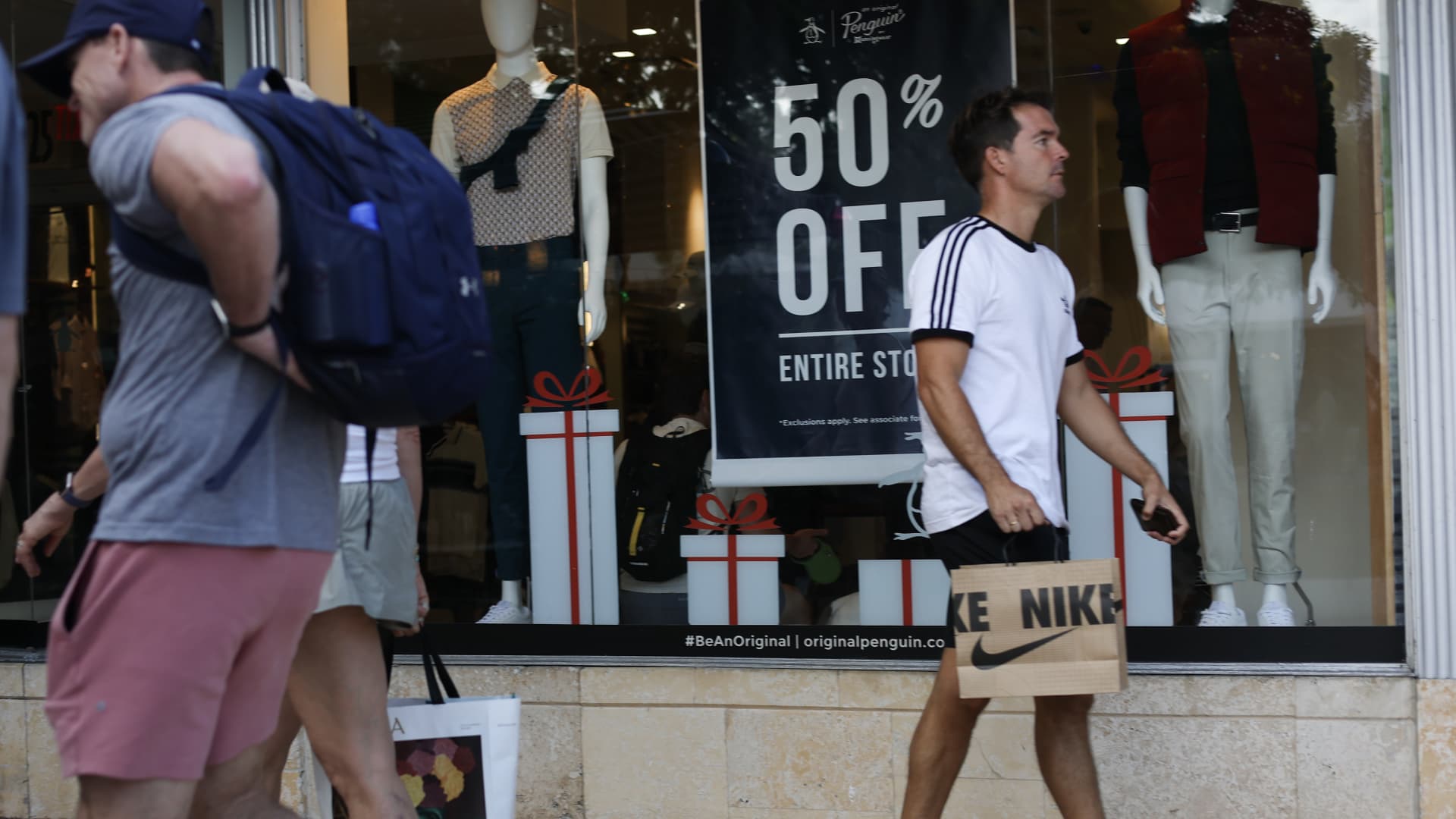
- Sales Growth Signal: Dick's Sporting Goods reported a 6% same-store sales increase in its latest earnings, surpassing expectations and indicating a stabilizing demand for athletic footwear, which could positively impact Nike.
- Foot Locker Recovery: The acquisition of Foot Locker by Dick's resulted in a 0.6% comparable sales growth for the first time, with North America performing even better at 1.4%, laying a foundation for future sales growth.
- Nike Stock Reaction: Despite Dick's shares falling 5% due to mixed guidance, Nike's stock rose 2% following Dick's earnings report, reflecting market optimism about Nike's recovery, especially with the upcoming World Cup.
- China Market Challenge: Nike faces a forecasted 20% revenue decline in China, which remains a significant challenge for its overall recovery, even as North America wholesale revenue grew by 11%.
See More

Mixed US Stock Market with Energy Stocks Under Pressure
- Divergent Market Performance: The S&P 500 index fell by 0.07% while the Dow Jones Industrial Average rose by 0.54%, indicating a divergence in market trends, particularly with the Dow reaching a new high, reflecting increased investor confidence in certain sectors.
- Impact of Falling Oil Prices: Crude oil prices dropped over 3% amid optimism for a normalization of oil flows from the Middle East, which not only eased inflation expectations but also pushed the 10-year Treasury yield down to a 1.5-week low of 4.45%, positively affecting the bond market.
- Decline in Mortgage Applications: US MBA mortgage applications fell by 8.5% for the week ending May 22, with the purchase mortgage sub-index down 0.4% and the refinancing sub-index plunging 18.1%, indicating the suppressive effect of high interest rates on the housing market.
- Corporate Earnings Overview: As of now, 83% of the 475 S&P 500 companies that reported Q1 earnings have exceeded expectations, with overall earnings projected to rise by 12% year-on-year, but excluding the tech sector, the growth is only 3%, highlighting disparities across industries.
See More
Dick's Sporting Goods Reports Strong Q1 Performance with 6% Comp Sales Growth
- Sales Growth Highlight: Dick's Sporting Goods reported a 6% increase in comparable sales for Q1, driven by higher average ticket sizes and transaction volumes, indicating strong engagement from younger athletes and the effectiveness of the company's strategy at the intersection of sports and culture.
- Foot Locker Acquisition Impact: The US Foot Locker banner achieved a 6.4% comp sales growth, demonstrating positive early results from the acquisition, while the Fast Break initiative showed double-digit comps in Q1, reinforcing the capital-light remodel strategy.
- Gross Margin Pressure: Despite overall sales growth, the company's non-GAAP gross profit margin declined by 328 basis points year-over-year, primarily due to the mix impact from the Foot Locker business, indicating potential gross margin pressures ahead.
- Capital Expenditure Adjustments: Net capital expenditures are expected to be approximately $1 billion for Dick's and $400 million for Foot Locker, with the adjustment in CapEx outlook primarily driven by productivity initiatives at Dick's, reflecting a cautious approach to future investments.
See More
Dick's Sporting Goods Lowers Full-Year Profit Forecast Amid Margin Pressure
- Profit Forecast Cut: Dick's Sporting Goods lowered its full-year profit forecast on Wednesday due to margin pressures from its Foot Locker acquisition, even as strong demand for sneakers and apparel boosted quarterly sales, highlighting the complexities of market demand.
- Acquisition Overhaul: The company is implementing a sweeping overhaul of Foot Locker, including store closures and inventory clean-ups, aimed at streamlining operations to revive sales, reflecting its adaptability in the face of market challenges.
- Sales Growth Context: Despite the profit pressures, quarterly sales increased due to strong demand for sneakers and apparel, indicating a sustained consumer preference for these products, which may lay the groundwork for future sales recovery.
- Strategic Adjustment Impact: This overhaul is not only a direct response to Foot Locker but may also influence Dick's overall operational model, with future success relying on the effective implementation of these reforms to enhance profitability.
See More
DICK’S Sporting Goods Reports Strong Q1 Performance with 6% Comp Growth
- Significant Sales Growth: DICK’S Sporting Goods achieved a 6% comp sales growth in Q1, with increases in average ticket and transactions, indicating strong market performance that is expected to drive future profitability.
- Strong Financial Performance: The company reported a 62.7% increase in consolidated net sales to $5.16 billion, with Foot Locker contributing $1.79 billion, demonstrating the effectiveness of its integration strategy and enhancing overall financial health.
- Optimistic Outlook: Management raised the full-year comp sales growth expectation for DICK’S to 2.5% to 4%, while also projecting Foot Locker operating income to reach $110 million to $150 million, reflecting confidence in future performance.
- Robust Capital Allocation: The company reported net capital expenditures of $289 million, dividends of $114 million, and repurchased 719,000 shares, showcasing a balanced strategy between shareholder returns and business expansion.
See More
Mixed Close for US Stocks as Oil Prices Plunge
- Market Performance: On Wednesday, the S&P 500 Index rose by 0.02%, the Dow Jones Industrial Average increased by 0.36% to a new record high, while the Nasdaq 100 fell by 0.09%, indicating a divergence in market sentiment amid enthusiasm for artificial intelligence and declining oil prices.
- Oil Price Fluctuations: Crude oil prices plummeted over 5% to a five-week low due to optimism surrounding a US-Iran peace deal, which eased inflation expectations and pushed the 10-year Treasury yield down to a 1.5-week low of 4.45%, providing support for the bond market.
- Mortgage Application Decline: US MBA mortgage applications fell by 8.5% for the week ending May 22, with the purchase mortgage sub-index down 0.4% and the refinancing sub-index down 18.1%, reflecting the dampening effect of high interest rates on housing demand, as the average 30-year fixed mortgage rate rose to 6.65%.
- Corporate Earnings Outlook: As of Wednesday, 83% of the 475 S&P 500 companies that reported Q1 earnings exceeded expectations, with projected earnings growth of 12% year-over-year, but excluding the technology sector, the growth is only 3%, indicating signs of overall earnings weakness.
See More
Dick's Sporting Goods Signals Stabilizing Demand, Bright Spot for Nike
- Sales Growth Signal: Dick's Sporting Goods reported a 6% same-store sales increase in its latest earnings, surpassing expectations and indicating a stabilizing demand for athletic footwear, which could positively impact Nike.
- Foot Locker Recovery: The acquisition of Foot Locker by Dick's resulted in a 0.6% comparable sales growth for the first time, with North America performing even better at 1.4%, laying a foundation for future sales growth.
- Nike Stock Reaction: Despite Dick's shares falling 5% due to mixed guidance, Nike's stock rose 2% following Dick's earnings report, reflecting market optimism about Nike's recovery, especially with the upcoming World Cup.
- China Market Challenge: Nike faces a forecasted 20% revenue decline in China, which remains a significant challenge for its overall recovery, even as North America wholesale revenue grew by 11%.
See More
Mixed US Stock Market with Energy Stocks Under Pressure
- Divergent Market Performance: The S&P 500 index fell by 0.07% while the Dow Jones Industrial Average rose by 0.54%, indicating a divergence in market trends, particularly with the Dow reaching a new high, reflecting increased investor confidence in certain sectors.
- Impact of Falling Oil Prices: Crude oil prices dropped over 3% amid optimism for a normalization of oil flows from the Middle East, which not only eased inflation expectations but also pushed the 10-year Treasury yield down to a 1.5-week low of 4.45%, positively affecting the bond market.
- Decline in Mortgage Applications: US MBA mortgage applications fell by 8.5% for the week ending May 22, with the purchase mortgage sub-index down 0.4% and the refinancing sub-index plunging 18.1%, indicating the suppressive effect of high interest rates on the housing market.
- Corporate Earnings Overview: As of now, 83% of the 475 S&P 500 companies that reported Q1 earnings have exceeded expectations, with overall earnings projected to rise by 12% year-on-year, but excluding the tech sector, the growth is only 3%, highlighting disparities across industries.
See More