PepsiCo Stock Recovers, Rising Approximately 1% in Premarket Trading
Written by Emily J. Thompson, Senior Investment Analyst
Updated: Feb 03 2026
0mins
Should l Buy PEP?
Source: moomoo
Pepisco Shares Reverse Course: Pepisco shares have experienced a reversal in their market performance, indicating a shift in investor sentiment.
Market Impact: The stock's movement has resulted in a change of about 1% in the premarket trading environment, reflecting fluctuations in investor confidence.
Trade with 70% Backtested Accuracy
Stop guessing "Should I Buy PEP?" and start using high-conviction signals backed by rigorous historical data.
Sign up today to access powerful investing tools and make smarter, data-driven decisions.
Analyst Views on PEP
Wall Street analysts forecast PEP stock price to rise
12 Analyst Rating
6 Buy
6 Hold
0 Sell
Moderate Buy
Current: 156.290

Low
144.00
Averages
161.90
High
172.00
Current: 156.290
Low
144.00
Averages
161.90
High
172.00
About PEP
PepsiCo, Inc. is a global beverage and convenient food company. The Company’s segments include PepsiCo Foods North America (PFNA), PepsiCo Beverages North America (PBNA), International Beverages Franchise (IB Franchise), Europe, Middle East and Africa (EMEA), Latin America Foods (LatAm Foods), and Asia Pacific Foods. PFNA segment includes all of its convenient food businesses in the United States and Canada. PBNA segment includes all of its beverage businesses in the United States and Canada. IB Franchise segment includes its international franchise beverage businesses, as well as its SodaStream business. EMEA segment includes its convenient food businesses and beverage businesses with Company-owned bottlers in Europe, the Middle East and Africa. LatAm Foods segment includes all of its convenient food businesses in Latin America. Asia Pacific Foods segment consists of its convenient food businesses in Asia Pacific, including China, Australia and New Zealand, as well as India.
About the author

Emily J. Thompson
Emily J. Thompson, a Chartered Financial Analyst (CFA) with 12 years in investment research, graduated with honors from the Wharton School. Specializing in industrial and technology stocks, she provides in-depth analysis for Intellectia’s earnings and market brief reports.
Dividend Growth Potential in Consumer Goods Companies

- Home Depot's Resilience: Despite facing high interest rates and a weak housing market, Home Depot achieved a 0.3% increase in same-store sales in 2025 and paid its 156th consecutive quarterly dividend in March, totaling $9.32 per share annually, with a forward yield of 2.9%, demonstrating strong profitability and dividend-paying capacity.
- PepsiCo's Sustained Growth: PepsiCo reported a 2.6% organic revenue growth in Q1, with core earnings per share up 5%, and increased its dividend for the 54th consecutive year to an annualized $5.69, yielding 3.7%; although its payout ratio is high, future dividend growth potential remains promising as earnings increase.
- Starbucks' Transformation Progress: Under the leadership of former Chipotle CEO Brian Niccol, Starbucks is undergoing a turnaround, with Q1 adjusted earnings per share surging 22% year-over-year and global comparable store sales rising 6%; despite a payout ratio of 187%, future earnings growth is expected to support dividend sustainability.
- Market Opportunities and Investments: Home Depot's acquisitions, including SRS Distribution, expanded its market opportunity by $100 billion, while PepsiCo and Starbucks are actively optimizing operations and leveraging technologies like AI to enhance profitability, laying the groundwork for future dividend growth and share price appreciation.
See More

Dividend Performance of Home Depot, PepsiCo, and Starbucks
- Home Depot's Dividend Stability: Home Depot has paid dividends for 39 consecutive years, currently offering a 2.9% yield, and despite a challenging housing market, its comparable sales increased by 0.3% in 2025, demonstrating business resilience.
- PepsiCo's Growth Potential: PepsiCo has increased its dividend for 54 consecutive years, with an annualized dividend of $5.69 and a yield of 3.7%, while organic revenue grew 2.6% year-over-year in Q1, showcasing its adaptability in a high-inflation environment.
- Starbucks' Recovery Progress: Under former CEO Niccol, Starbucks is undergoing a turnaround, recently paying its 64th consecutive dividend with a yield of 2.4%, and although its payout ratio is high at 187%, future earnings are expected to support dividend growth.
- Investor Opportunities: Currently, Home Depot, PepsiCo, and Starbucks all offer above-average dividend yields, attracting income-focused investors, particularly as strong performance in the consumer goods sector lays the groundwork for future dividend increases.
See More
Top Three High-Yield Stocks to Buy
- Home Depot's Resilience: Despite facing high interest rates and a weak housing market, Home Depot achieved a 0.3% increase in comparable sales in 2025 and paid its 156th consecutive quarterly dividend in March, totaling $9.32 per share annually, with a forward yield of 2.9%, significantly above the S&P 500 average.
- PepsiCo's Steady Growth: PepsiCo reported a 2.6% organic revenue growth in Q1, with core earnings per share up 5% on a constant-currency basis, and increased its dividend for the 54th consecutive year, currently at $5.69 annually, yielding 3.7%, indicating potential for future dividend sustainability despite a high payout ratio.
- Starbucks' Turnaround Strategy: Under the leadership of former Chipotle CEO Brian Niccol, Starbucks is undergoing a strategic transformation, with Q1 adjusted earnings per share surging 22% year-over-year and global comparable store sales increasing by 6%, despite a high payout ratio of 187%, future earnings growth is expected to support dividend increases.
- Attractive Investment Opportunities: All three companies demonstrate strong market positions and profitability, with Home Depot's market opportunity estimated at $700 billion, PepsiCo generating $95 billion in annual revenue from its brand portfolio, and Starbucks' recovery strategy potentially positioning it as an undervalued dividend stock, appealing to income-focused investors.
See More
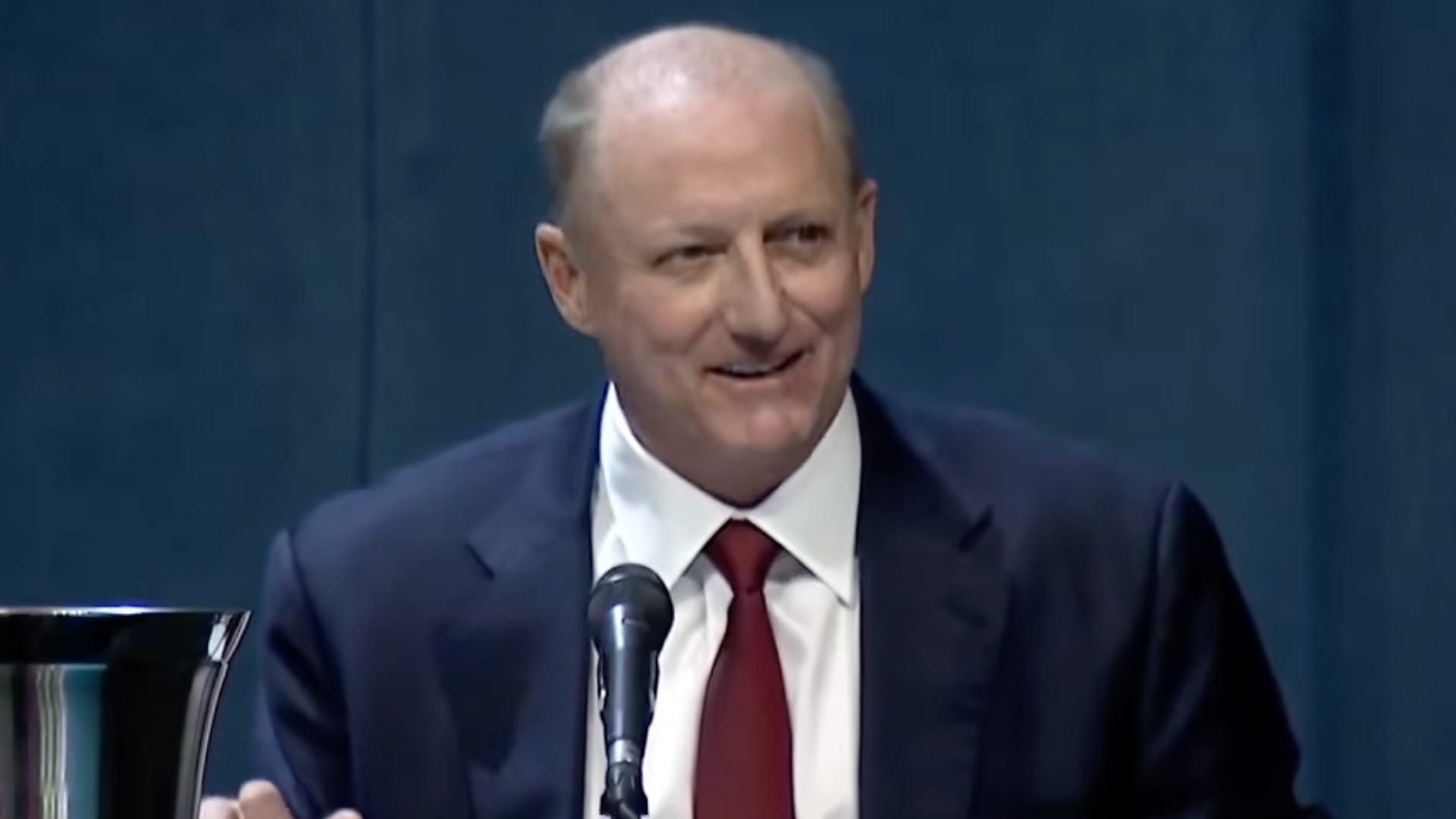
Greg Abel's First Shareholder Meeting as CEO Receives Mixed Reviews


- Attendance at Shareholder Meeting: Greg Abel's first annual meeting as CEO saw attendance at just over half capacity, indicating a significant drop in draw compared to the Buffett and Munger era, although it still surpassed typical corporate annual meetings.
- Capital Allocation Concerns: Abel's failure to provide clear guidance on the future of Berkshire's equity portfolio and substantial cash reserves has heightened investor concerns regarding the company's capital allocation strategy, potentially impacting market confidence in Berkshire.
- Lackluster Buyback Performance: Despite announcing a resumption of stock buybacks, Berkshire repurchased only $234 million in shares during Q1, falling short of market expectations and possibly undermining investor trust in the company's buyback strategy.
- New CFO Compensation: The new CFO, Charles Chang, will receive an annual salary of $8 million, a significant increase compared to the previous CFO Marc Hamburg's total compensation of $4.3 million, raising potential shareholder concerns about the reasonableness of executive pay.
See More
Overview of This Week's Dividend Activities

- Dividend Increases: Diamondback Energy raised its dividend from $1.0476 to $1.10, a 5% increase, indicating robust profitability and cash flow management.
- Beverage Giants' Dividend Boost: PepsiCo increased its dividend from $1.4225 to $1.48, a 4% rise, reflecting strong market performance and commitment to shareholder returns.
- New Dividend Declarations: Eli Lilly and Nike announced dividends of $1.73 and $0.41 per share, respectively, showcasing their stable profitability and attractiveness to investors in their sectors.
- Upcoming Dividend Calendar: Apple and Visa will have ex-dividend dates next week on May 11 and May 12, respectively, which is expected to further attract investor interest in their dividend-paying capabilities.
See More

Three Unstoppable Dividend Kings to Buy Now

- Strong Dividend Growth: Johnson & Johnson (JNJ) raised its dividend by 3.1% last month, marking 64 consecutive years of increases, with a current yield of 2.3%, significantly higher than the S&P 500's 1.1%, demonstrating its stability and appeal during economic downturns.
- Robust Cash Flow: Johnson & Johnson generated $20 billion in free cash flow last year, more than covering its $12.4 billion dividend payout, and its ultra-low net debt level underscores its financial health and ability to sustain dividends.
- Long-Term Growth Potential: Procter & Gamble (PG) has paid dividends for 136 consecutive years, recently extending its growth streak to 70 years, with expected operating cash flow of $20 billion this year, sufficient to cover its $10 billion dividend and $5 billion in share repurchases, ensuring stable dividend payments.
- Strategic Investments and Returns: PepsiCo (PEP) delivered a 4% dividend increase this year and plans to return about $8.9 billion in cash to shareholders, showcasing its strong cash flow and strategic investment capabilities, which are expected to support long-term revenue growth and dividend increases.
See More
Dividend Growth Potential in Consumer Goods Companies
- Home Depot's Resilience: Despite facing high interest rates and a weak housing market, Home Depot achieved a 0.3% increase in same-store sales in 2025 and paid its 156th consecutive quarterly dividend in March, totaling $9.32 per share annually, with a forward yield of 2.9%, demonstrating strong profitability and dividend-paying capacity.
- PepsiCo's Sustained Growth: PepsiCo reported a 2.6% organic revenue growth in Q1, with core earnings per share up 5%, and increased its dividend for the 54th consecutive year to an annualized $5.69, yielding 3.7%; although its payout ratio is high, future dividend growth potential remains promising as earnings increase.
- Starbucks' Transformation Progress: Under the leadership of former Chipotle CEO Brian Niccol, Starbucks is undergoing a turnaround, with Q1 adjusted earnings per share surging 22% year-over-year and global comparable store sales rising 6%; despite a payout ratio of 187%, future earnings growth is expected to support dividend sustainability.
- Market Opportunities and Investments: Home Depot's acquisitions, including SRS Distribution, expanded its market opportunity by $100 billion, while PepsiCo and Starbucks are actively optimizing operations and leveraging technologies like AI to enhance profitability, laying the groundwork for future dividend growth and share price appreciation.
See More
Dividend Performance of Home Depot, PepsiCo, and Starbucks
- Home Depot's Dividend Stability: Home Depot has paid dividends for 39 consecutive years, currently offering a 2.9% yield, and despite a challenging housing market, its comparable sales increased by 0.3% in 2025, demonstrating business resilience.
- PepsiCo's Growth Potential: PepsiCo has increased its dividend for 54 consecutive years, with an annualized dividend of $5.69 and a yield of 3.7%, while organic revenue grew 2.6% year-over-year in Q1, showcasing its adaptability in a high-inflation environment.
- Starbucks' Recovery Progress: Under former CEO Niccol, Starbucks is undergoing a turnaround, recently paying its 64th consecutive dividend with a yield of 2.4%, and although its payout ratio is high at 187%, future earnings are expected to support dividend growth.
- Investor Opportunities: Currently, Home Depot, PepsiCo, and Starbucks all offer above-average dividend yields, attracting income-focused investors, particularly as strong performance in the consumer goods sector lays the groundwork for future dividend increases.
See More
Top Three High-Yield Stocks to Buy
- Home Depot's Resilience: Despite facing high interest rates and a weak housing market, Home Depot achieved a 0.3% increase in comparable sales in 2025 and paid its 156th consecutive quarterly dividend in March, totaling $9.32 per share annually, with a forward yield of 2.9%, significantly above the S&P 500 average.
- PepsiCo's Steady Growth: PepsiCo reported a 2.6% organic revenue growth in Q1, with core earnings per share up 5% on a constant-currency basis, and increased its dividend for the 54th consecutive year, currently at $5.69 annually, yielding 3.7%, indicating potential for future dividend sustainability despite a high payout ratio.
- Starbucks' Turnaround Strategy: Under the leadership of former Chipotle CEO Brian Niccol, Starbucks is undergoing a strategic transformation, with Q1 adjusted earnings per share surging 22% year-over-year and global comparable store sales increasing by 6%, despite a high payout ratio of 187%, future earnings growth is expected to support dividend increases.
- Attractive Investment Opportunities: All three companies demonstrate strong market positions and profitability, with Home Depot's market opportunity estimated at $700 billion, PepsiCo generating $95 billion in annual revenue from its brand portfolio, and Starbucks' recovery strategy potentially positioning it as an undervalued dividend stock, appealing to income-focused investors.
See More
Greg Abel's First Shareholder Meeting as CEO Receives Mixed Reviews
- Attendance at Shareholder Meeting: Greg Abel's first annual meeting as CEO saw attendance at just over half capacity, indicating a significant drop in draw compared to the Buffett and Munger era, although it still surpassed typical corporate annual meetings.
- Capital Allocation Concerns: Abel's failure to provide clear guidance on the future of Berkshire's equity portfolio and substantial cash reserves has heightened investor concerns regarding the company's capital allocation strategy, potentially impacting market confidence in Berkshire.
- Lackluster Buyback Performance: Despite announcing a resumption of stock buybacks, Berkshire repurchased only $234 million in shares during Q1, falling short of market expectations and possibly undermining investor trust in the company's buyback strategy.
- New CFO Compensation: The new CFO, Charles Chang, will receive an annual salary of $8 million, a significant increase compared to the previous CFO Marc Hamburg's total compensation of $4.3 million, raising potential shareholder concerns about the reasonableness of executive pay.
See More
Overview of This Week's Dividend Activities
- Dividend Increases: Diamondback Energy raised its dividend from $1.0476 to $1.10, a 5% increase, indicating robust profitability and cash flow management.
- Beverage Giants' Dividend Boost: PepsiCo increased its dividend from $1.4225 to $1.48, a 4% rise, reflecting strong market performance and commitment to shareholder returns.
- New Dividend Declarations: Eli Lilly and Nike announced dividends of $1.73 and $0.41 per share, respectively, showcasing their stable profitability and attractiveness to investors in their sectors.
- Upcoming Dividend Calendar: Apple and Visa will have ex-dividend dates next week on May 11 and May 12, respectively, which is expected to further attract investor interest in their dividend-paying capabilities.
See More
Three Unstoppable Dividend Kings to Buy Now
- Strong Dividend Growth: Johnson & Johnson (JNJ) raised its dividend by 3.1% last month, marking 64 consecutive years of increases, with a current yield of 2.3%, significantly higher than the S&P 500's 1.1%, demonstrating its stability and appeal during economic downturns.
- Robust Cash Flow: Johnson & Johnson generated $20 billion in free cash flow last year, more than covering its $12.4 billion dividend payout, and its ultra-low net debt level underscores its financial health and ability to sustain dividends.
- Long-Term Growth Potential: Procter & Gamble (PG) has paid dividends for 136 consecutive years, recently extending its growth streak to 70 years, with expected operating cash flow of $20 billion this year, sufficient to cover its $10 billion dividend and $5 billion in share repurchases, ensuring stable dividend payments.
- Strategic Investments and Returns: PepsiCo (PEP) delivered a 4% dividend increase this year and plans to return about $8.9 billion in cash to shareholders, showcasing its strong cash flow and strategic investment capabilities, which are expected to support long-term revenue growth and dividend increases.
See More