Dexcom Positioned to Benefit from Weight-Loss Drug Market Growth
Written by Emily J. Thompson, Senior Investment Analyst
Updated: 5 days ago
0mins
Should l Buy DXCM?
Source: Fool
- Significant Market Potential: According to Dexcom, over nine million patients in the U.S. eligible for third-party coverage are not using CGM devices, indicating a substantial untapped market that could significantly boost the company's revenue in the future.
- Clear Technological Advantage: Dexcom's CGM devices offer real-time monitoring capabilities that improve health outcomes for diabetes patients, and as GLP-1 weight-loss drugs gain popularity, the demand for CGMs is expected to rise, enhancing Dexcom's market position.
- High Competitive Barriers: Dexcom has established a strong competitive advantage, with many third-party companies developing devices compatible with its technology, and as its installed base grows, it attracts more patients into its ecosystem, creating a favorable network effect that further solidifies its market leadership.
- Promising Future Growth: Dexcom has seen substantial financial improvement over the past decade, and with the increasing adoption of CGM technology and expansion into new markets, the company is well-positioned to deliver strong returns over the next decade, capitalizing on vast market opportunities.
Trade with 70% Backtested Accuracy
Stop guessing "Should I Buy DXCM?" and start using high-conviction signals backed by rigorous historical data.
Sign up today to access powerful investing tools and make smarter, data-driven decisions.
Analyst Views on DXCM
Wall Street analysts forecast DXCM stock price to rise
16 Analyst Rating
13 Buy
2 Hold
1 Sell
Strong Buy
Current: 61.410

Low
68.00
Averages
82.54
High
100.00
Current: 61.410
Low
68.00
Averages
82.54
High
100.00
About DXCM
DexCom, Inc. is a medical device company. The Company is primarily focused on the design, development, and commercialization of continuous glucose monitoring (CGM), systems for the management of diabetes and metabolic health by patients, caregivers, and clinicians. It enables people to take control of health through innovative biosensing technology. The G7 is an integrated continuous glucose monitoring system. Stelo is designed specifically for people with type II diabetes who do not use insulin as the first over-the-counter glucose biosensor in the United States. The Dexcom Share remote monitoring system, offered for use with any Dexcom system, uses an app on the patient’s compatible mobile device. Its Dexcom G7 is for adults and children (2+ years) living with type I or type II diabetes who are on any insulin or medications, at risk of hypoglycemia, and those with gestational diabetes. The G7 and G7 15 Day includes finger stick elimination, continuous glucose readings and others.
About the author

Emily J. Thompson
Emily J. Thompson, a Chartered Financial Analyst (CFA) with 12 years in investment research, graduated with honors from the Wharton School. Specializing in industrial and technology stocks, she provides in-depth analysis for Intellectia’s earnings and market brief reports.

U.S. Stocks Near All-Time Highs as Investors Eye Tech Giants' Earnings


- Strong Market Performance: The S&P 500 and Nasdaq Composite indices reached new all-time highs in April, rising over 8% and 13% respectively, indicating robust market resilience despite ongoing geopolitical tensions and AI disruption concerns, reflecting investor confidence in tech stocks.
- Earnings Pressure on Tech Giants: Next week, five of the 'Magnificent Seven' companies will report earnings, with market expectations for them to demonstrate sufficient revenue growth to justify their high AI expenditures; Alphabet, Amazon, Meta, and Microsoft have all seen stock price increases of over 10% this month, highlighting the market's keen interest in their performance.
- Federal Reserve Meeting Impact: This is expected to be Jerome Powell's last meeting as chair, with the market widely anticipating that the Fed will keep interest rates unchanged, although rising oil prices could complicate future monetary policy, necessitating close attention to how this dynamic may affect the market.
- Cautious Investor Sentiment: As the traditional market adage 'Sell in May' approaches, investors remain wary of potential downside risks, particularly in light of poor software stock performance and rising oil prices, which could further dampen market sentiment.
See More

Stock Performance Comparison: INTU vs. DXCM
- Stock Performance Divergence: INTU is currently down about 7%, while DXCM is up approximately 0.2%, indicating differing performances in market volatility that could impact investor confidence and decision-making.
- Market Sentiment Analysis: The decline in INTU may reflect market concerns regarding its future performance, particularly amid increasing economic uncertainty, prompting investors to reassess their portfolios.
- Investor Focus: Although DXCM's slight increase is noted, the overall market remains unstable, necessitating investors to monitor upcoming earnings reports and market dynamics for more informed investment decisions.
- Industry Impact Assessment: The performance disparity between INTU and DXCM could influence investment trends within their respective industries, particularly in technology and medical devices, leading investors to reconsider their long-term investment strategies in these companies.
See More
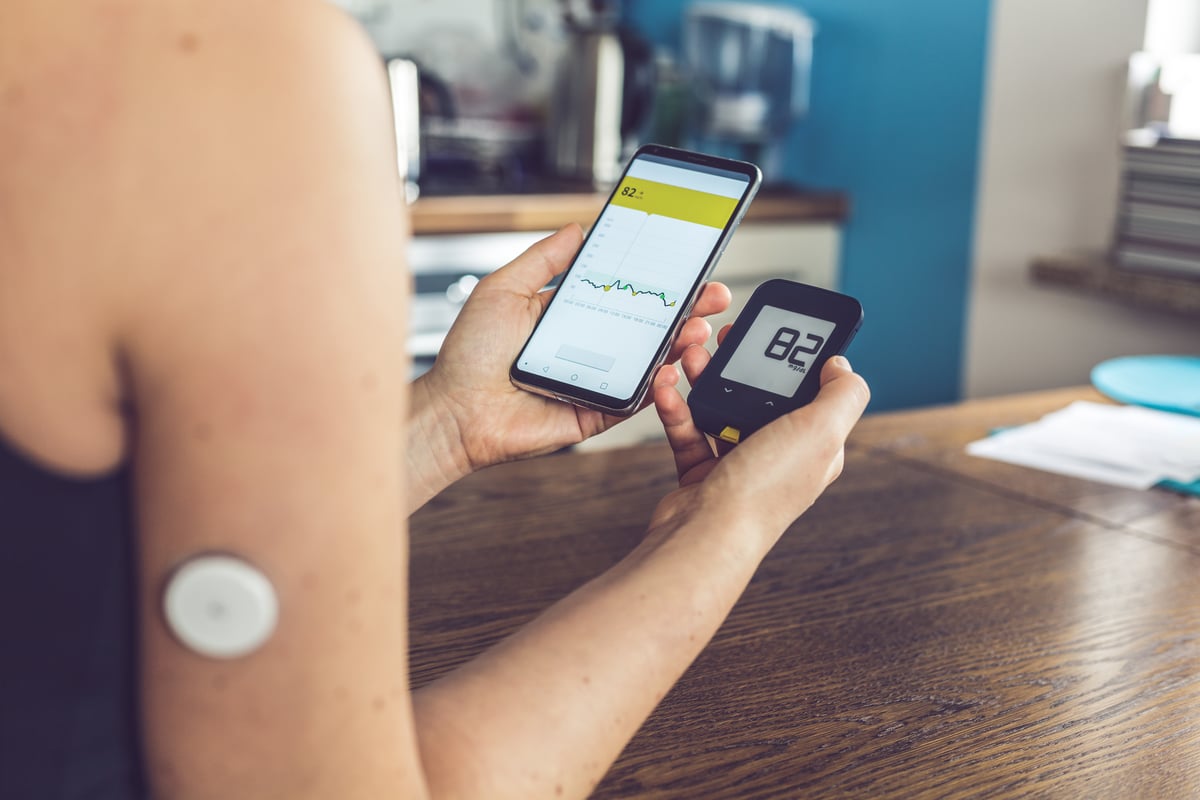
Dexcom Positioned to Benefit from Weight-Loss Drug Market Growth

- Significant Market Potential: According to Dexcom, over nine million patients in the U.S. eligible for third-party coverage are not using CGM devices, indicating a substantial untapped market that could significantly boost the company's revenue in the future.
- Clear Technological Advantage: Dexcom's CGM devices offer real-time monitoring capabilities that improve health outcomes for diabetes patients, and as GLP-1 weight-loss drugs gain popularity, the demand for CGMs is expected to rise, enhancing Dexcom's market position.
- High Competitive Barriers: Dexcom has established a strong competitive advantage, with many third-party companies developing devices compatible with its technology, and as its installed base grows, it attracts more patients into its ecosystem, creating a favorable network effect that further solidifies its market leadership.
- Promising Future Growth: Dexcom has seen substantial financial improvement over the past decade, and with the increasing adoption of CGM technology and expansion into new markets, the company is well-positioned to deliver strong returns over the next decade, capitalizing on vast market opportunities.
See More

Dexcom Positioned to Benefit from Weight Loss Drug Market Growth
- Vast Market Potential: Dexcom's continuous glucose monitoring devices are poised to benefit from the rapid growth of the weight loss drug market, which is expected to attract more diabetes patients to its products, thereby expanding its addressable market and enhancing revenue potential.
- Strong Competitive Advantage: Dexcom has established a robust competitive moat in the medical device sector, with many third-party companies developing devices compatible with its technology, creating a network effect that further enhances its market appeal.
- User Growth Trend: Research indicates that CGM usage grows faster among GLP-1 drug users compared to non-therapy users, suggesting that the proliferation of weight loss drugs will drive demand for Dexcom's products, boosting company performance.
- Underpenetrated Market: In the U.S., over nine million patients eligible for third-party coverage are not using CGM devices, providing Dexcom with opportunities to further expand its market share by entering new territories and launching its over-the-counter product, Stelo.
See More
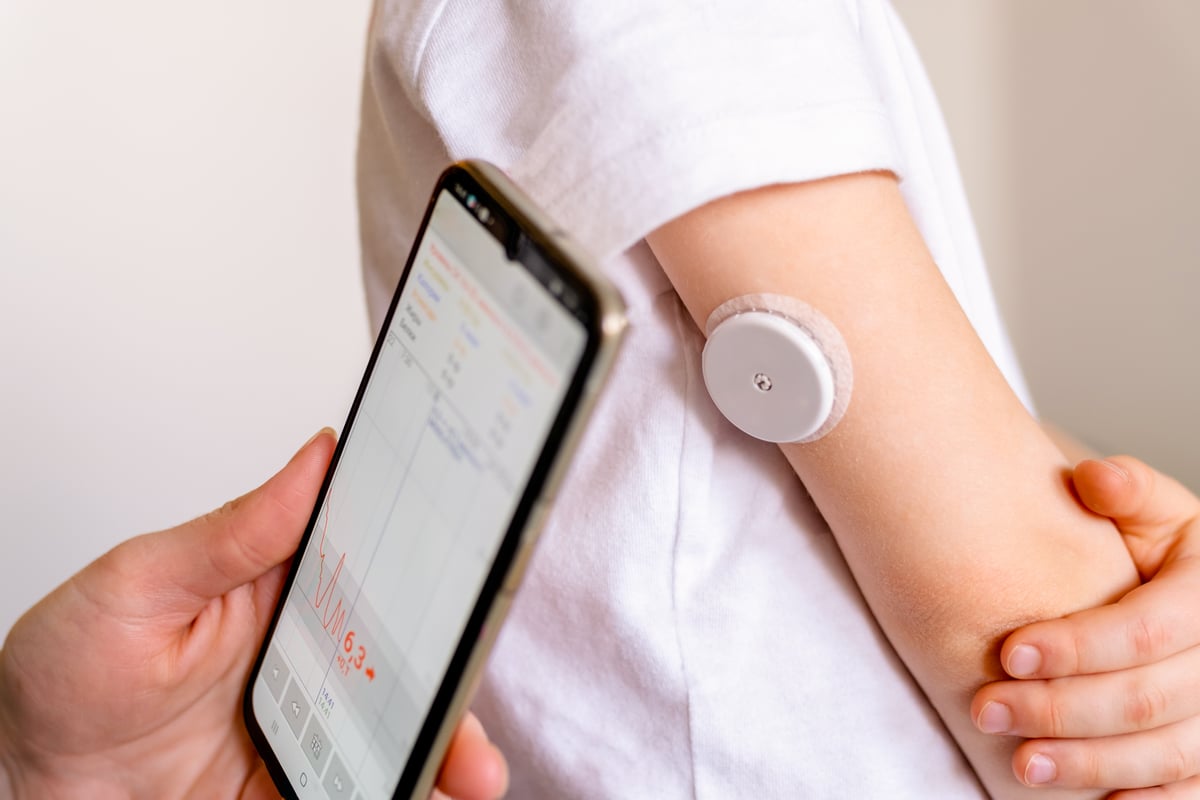
Abbott vs. Dexcom: The CGM Market Showdown

- Market Leadership: Abbott's FreeStyle Libre has surpassed five million patients in the past three years, becoming the best-selling medical device of all time in dollar sales, showcasing its strong leadership in the CGM market, while Dexcom has yet to reach this milestone.
- Diversification Advantage: Abbott's business spans medical devices, diagnostics, nutrition, and pharmaceuticals, allowing it to achieve stable revenue and earnings growth with market-leading devices like MitraClip, while its acquisition in the cancer diagnostics market provides new growth opportunities.
- Competitive Dynamics: Although Dexcom has shown faster revenue growth in the CGM market, its lack of diversification poses higher risks, especially if the CGM market is impacted by GLP-1 medications, whereas Abbott's diversified business model enables quicker recovery.
- Investment Choice: For risk-averse investors, Abbott is a better choice due to its stable dividends and market leadership, while Dexcom appeals more to risk-tolerant investors seeking high growth.
See More

Abbott vs. Dexcom: Competition in CGM Market
- Market Leadership: Abbott leads the continuous glucose monitoring (CGM) market with its FreeStyle Libre product line, which surpassed five million patient installations three years ago, demonstrating strong market penetration, while Dexcom, despite outperforming over the past decade, has yet to reach this milestone.
- Diversification Advantage: Abbott's business spans medical devices, diagnostics, nutrition, and pharmaceuticals, allowing it to maintain stable revenue and earnings growth, while also providing the financial resources for continued investment in the CGM market, enhancing its competitive position.
- Acquisition for Market Expansion: Abbott's $21 billion acquisition of Exact Sciences allows entry into the cancer diagnostics market, with Cologuard serving as a non-invasive colorectal cancer screening tool targeting millions of eligible individuals yet to be tested, showcasing its potential for expansion in healthcare.
- Risk vs. Reward: While Dexcom shows stronger revenue growth, its lack of diversification poses higher risks, especially if the CGM market is impacted by GLP-1 medications, whereas Abbott's diversified business model enables quicker recovery, making it more suitable for risk-averse investors.
See More
U.S. Stocks Near All-Time Highs as Investors Eye Tech Giants' Earnings
- Strong Market Performance: The S&P 500 and Nasdaq Composite indices reached new all-time highs in April, rising over 8% and 13% respectively, indicating robust market resilience despite ongoing geopolitical tensions and AI disruption concerns, reflecting investor confidence in tech stocks.
- Earnings Pressure on Tech Giants: Next week, five of the 'Magnificent Seven' companies will report earnings, with market expectations for them to demonstrate sufficient revenue growth to justify their high AI expenditures; Alphabet, Amazon, Meta, and Microsoft have all seen stock price increases of over 10% this month, highlighting the market's keen interest in their performance.
- Federal Reserve Meeting Impact: This is expected to be Jerome Powell's last meeting as chair, with the market widely anticipating that the Fed will keep interest rates unchanged, although rising oil prices could complicate future monetary policy, necessitating close attention to how this dynamic may affect the market.
- Cautious Investor Sentiment: As the traditional market adage 'Sell in May' approaches, investors remain wary of potential downside risks, particularly in light of poor software stock performance and rising oil prices, which could further dampen market sentiment.
See More
Stock Performance Comparison: INTU vs. DXCM
- Stock Performance Divergence: INTU is currently down about 7%, while DXCM is up approximately 0.2%, indicating differing performances in market volatility that could impact investor confidence and decision-making.
- Market Sentiment Analysis: The decline in INTU may reflect market concerns regarding its future performance, particularly amid increasing economic uncertainty, prompting investors to reassess their portfolios.
- Investor Focus: Although DXCM's slight increase is noted, the overall market remains unstable, necessitating investors to monitor upcoming earnings reports and market dynamics for more informed investment decisions.
- Industry Impact Assessment: The performance disparity between INTU and DXCM could influence investment trends within their respective industries, particularly in technology and medical devices, leading investors to reconsider their long-term investment strategies in these companies.
See More
Dexcom Positioned to Benefit from Weight-Loss Drug Market Growth
- Significant Market Potential: According to Dexcom, over nine million patients in the U.S. eligible for third-party coverage are not using CGM devices, indicating a substantial untapped market that could significantly boost the company's revenue in the future.
- Clear Technological Advantage: Dexcom's CGM devices offer real-time monitoring capabilities that improve health outcomes for diabetes patients, and as GLP-1 weight-loss drugs gain popularity, the demand for CGMs is expected to rise, enhancing Dexcom's market position.
- High Competitive Barriers: Dexcom has established a strong competitive advantage, with many third-party companies developing devices compatible with its technology, and as its installed base grows, it attracts more patients into its ecosystem, creating a favorable network effect that further solidifies its market leadership.
- Promising Future Growth: Dexcom has seen substantial financial improvement over the past decade, and with the increasing adoption of CGM technology and expansion into new markets, the company is well-positioned to deliver strong returns over the next decade, capitalizing on vast market opportunities.
See More
Dexcom Positioned to Benefit from Weight Loss Drug Market Growth
- Vast Market Potential: Dexcom's continuous glucose monitoring devices are poised to benefit from the rapid growth of the weight loss drug market, which is expected to attract more diabetes patients to its products, thereby expanding its addressable market and enhancing revenue potential.
- Strong Competitive Advantage: Dexcom has established a robust competitive moat in the medical device sector, with many third-party companies developing devices compatible with its technology, creating a network effect that further enhances its market appeal.
- User Growth Trend: Research indicates that CGM usage grows faster among GLP-1 drug users compared to non-therapy users, suggesting that the proliferation of weight loss drugs will drive demand for Dexcom's products, boosting company performance.
- Underpenetrated Market: In the U.S., over nine million patients eligible for third-party coverage are not using CGM devices, providing Dexcom with opportunities to further expand its market share by entering new territories and launching its over-the-counter product, Stelo.
See More
Abbott vs. Dexcom: The CGM Market Showdown
- Market Leadership: Abbott's FreeStyle Libre has surpassed five million patients in the past three years, becoming the best-selling medical device of all time in dollar sales, showcasing its strong leadership in the CGM market, while Dexcom has yet to reach this milestone.
- Diversification Advantage: Abbott's business spans medical devices, diagnostics, nutrition, and pharmaceuticals, allowing it to achieve stable revenue and earnings growth with market-leading devices like MitraClip, while its acquisition in the cancer diagnostics market provides new growth opportunities.
- Competitive Dynamics: Although Dexcom has shown faster revenue growth in the CGM market, its lack of diversification poses higher risks, especially if the CGM market is impacted by GLP-1 medications, whereas Abbott's diversified business model enables quicker recovery.
- Investment Choice: For risk-averse investors, Abbott is a better choice due to its stable dividends and market leadership, while Dexcom appeals more to risk-tolerant investors seeking high growth.
See More
Abbott vs. Dexcom: Competition in CGM Market
- Market Leadership: Abbott leads the continuous glucose monitoring (CGM) market with its FreeStyle Libre product line, which surpassed five million patient installations three years ago, demonstrating strong market penetration, while Dexcom, despite outperforming over the past decade, has yet to reach this milestone.
- Diversification Advantage: Abbott's business spans medical devices, diagnostics, nutrition, and pharmaceuticals, allowing it to maintain stable revenue and earnings growth, while also providing the financial resources for continued investment in the CGM market, enhancing its competitive position.
- Acquisition for Market Expansion: Abbott's $21 billion acquisition of Exact Sciences allows entry into the cancer diagnostics market, with Cologuard serving as a non-invasive colorectal cancer screening tool targeting millions of eligible individuals yet to be tested, showcasing its potential for expansion in healthcare.
- Risk vs. Reward: While Dexcom shows stronger revenue growth, its lack of diversification poses higher risks, especially if the CGM market is impacted by GLP-1 medications, whereas Abbott's diversified business model enables quicker recovery, making it more suitable for risk-averse investors.
See More