Delta Signs CFM56-5B Maintenance Contract with IndiGo
Written by Emily J. Thompson, Senior Investment Analyst
Updated: 4 days ago
0mins
Should l Buy DAL?
In a post to its news hub, Delta stated: "Delta TechOpsis extending its position as a global leader in engine maintenance through an eight-year exclusive CFM56-5B maintenance contract with IndiGo, India's preferred airline. The partnership expands TechOps' industry-leading engine expertise into the world's third-largest aviation market, marking the first major collaboration between the two companies and a new presence for TechOps in India. Under the arrangement, TechOps is providing support for 20 engines powering IndiGo's A320ceo fleet, which joins a growing number of airlines that choose TechOps' deep CFM56 expertise, global Maintenance, Repair and Overhaul scale and operational capabilities to support high-utilization fleets."
Trade with 70% Backtested Accuracy
Stop guessing "Should I Buy DAL?" and start using high-conviction signals backed by rigorous historical data.
Sign up today to access powerful investing tools and make smarter, data-driven decisions.
Analyst Views on DAL
Wall Street analysts forecast DAL stock price to rise
18 Analyst Rating
18 Buy
0 Hold
0 Sell
Strong Buy
Current: 68.370

Low
77.00
Averages
83.50
High
90.00
Current: 68.370
Low
77.00
Averages
83.50
High
90.00
About DAL
Delta Air Lines, Inc. provides scheduled air transportation for passengers and cargo throughout the United States and around the world. The Company has hubs and markets in Amsterdam, Atlanta, Bogota, Boston, Detroit, Lima, London-Heathrow, Los Angeles, Mexico City, Minneapolis-St. Paul, New York-JFK and LaGuardia, Paris-Charles de Gaulle, Salt Lake City, Santiago (Chile), Sao Paulo, Seattle, Seoul-Incheon, and Tokyo. Its segments include Airline and Refinery. Its airline segment is managed as a single business unit that provides scheduled air transportation for passengers and cargo throughout the United States and around the world and includes its loyalty program, as well as other ancillary businesses. Its refinery segment operates for the benefit of the airline segment by providing jet fuel to the airline segment from its own production and through jet fuel obtained through agreements with third parties. The refinery's production consists of jet fuel as well as non-jet fuel products.
About the author

Emily J. Thompson
Emily J. Thompson, a Chartered Financial Analyst (CFA) with 12 years in investment research, graduated with honors from the Wharton School. Specializing in industrial and technology stocks, she provides in-depth analysis for Intellectia’s earnings and market brief reports.

Joby Aviation Stock Plummets Amid Regulatory Hurdles


- Stock Decline: Joby Aviation's stock has plummeted from a record high of $20.39 on August 4, 2025, to under $9 currently, representing a nearly 60% loss, which reflects market concerns over its future profitability.
- Regulatory Challenges: Joby has yet to secure FAA Type Certification for its first commercial flights, with analysts speculating approval could come by early 2027; however, any delays may force downward revisions of its near-term revenue estimates.
- Market Outlook: The global eVTOL market is projected to grow at a CAGR of 36.8% from 2026 to 2034, with Joby's revenue expected to rise from $53 million in 2025 to $459 million by 2028, indicating significant market potential.
- Investor Confidence Wanes: Despite being viewed as the
See More

Analysis of Joby Aviation's Significant Stock Decline
- Technological Edge and Market Potential: Joby's S4 eVTOL aircraft, capable of carrying one pilot and four passengers with a range of 150 miles and a top speed of 200 mph, showcases its technological advantages in the electric aviation market, even as its stock has plummeted to below $9 per share, nearly 60% down from $20.39 in August 2025.
- Investor Support and Commercialization Plans: Joby has garnered attention from prominent investors like Toyota, Delta Air Lines, and Uber, with Uber planning to integrate Joby's eVTOL services into its ride-hailing app pending regulatory approval, highlighting its potential in the future urban air mobility market despite facing regulatory hurdles and market uncertainties.
- Market Growth Expectations and Financial Challenges: The global eVTOL market is projected to grow at a CAGR of 36.8% from 2026 to 2034 according to Fortune Business Insights, with analysts forecasting Joby's revenue to rise from $53 million in 2025 to $459 million in 2028; however, the lack of FAA type certification could impact short-term revenue forecasts.
- Stock Volatility and Investment Risks: With a market cap of $8.3 billion, Joby's stock is currently valued at 18 times its projected 2028 sales, which is not cheap compared to competitor Archer's 8 times, indicating that any negative news could lead to significant stock declines, necessitating careful evaluation of its future growth potential by investors.
See More
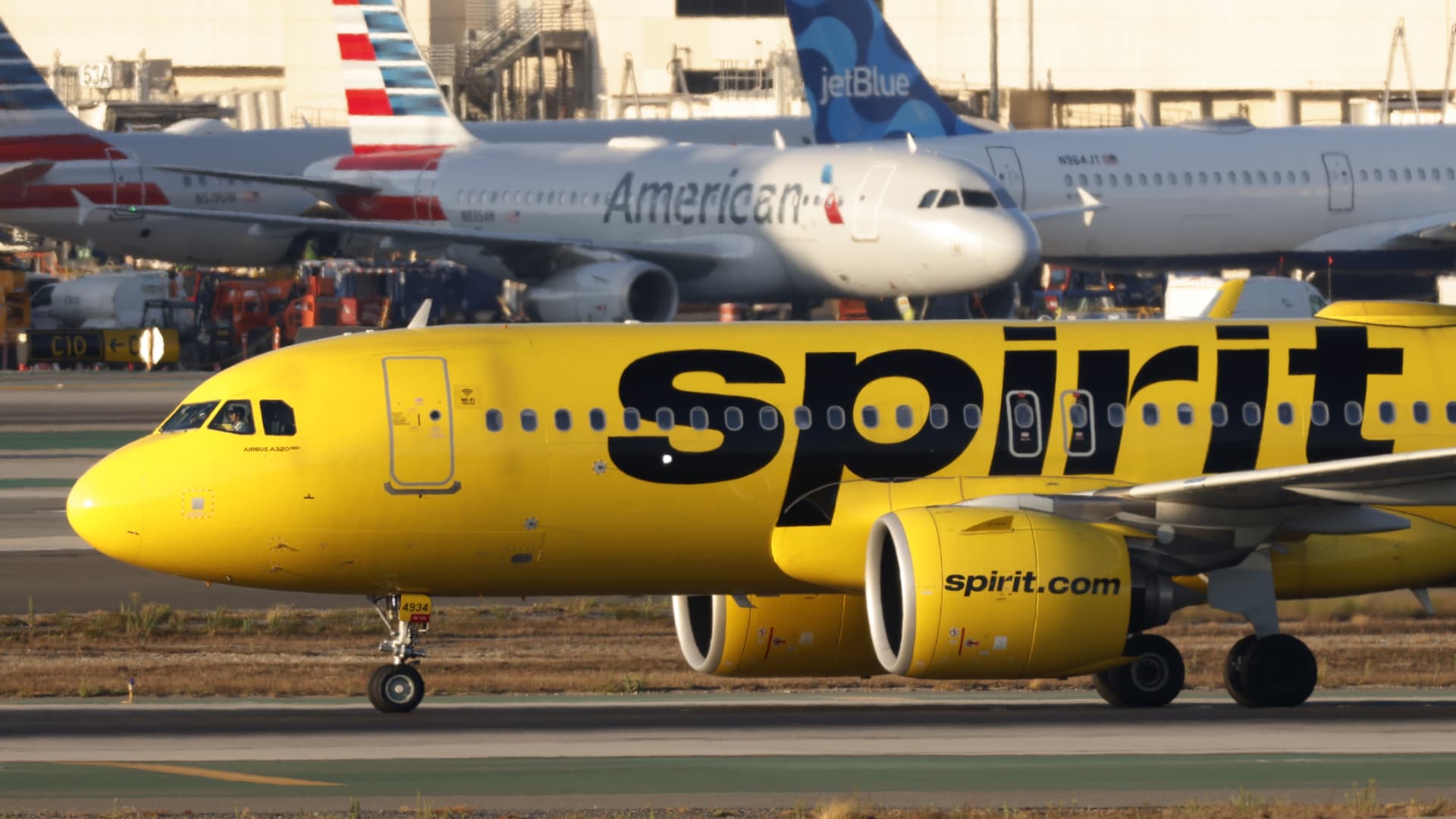
Trump Considers Bailout for Spirit Airlines Amid Financial Struggles

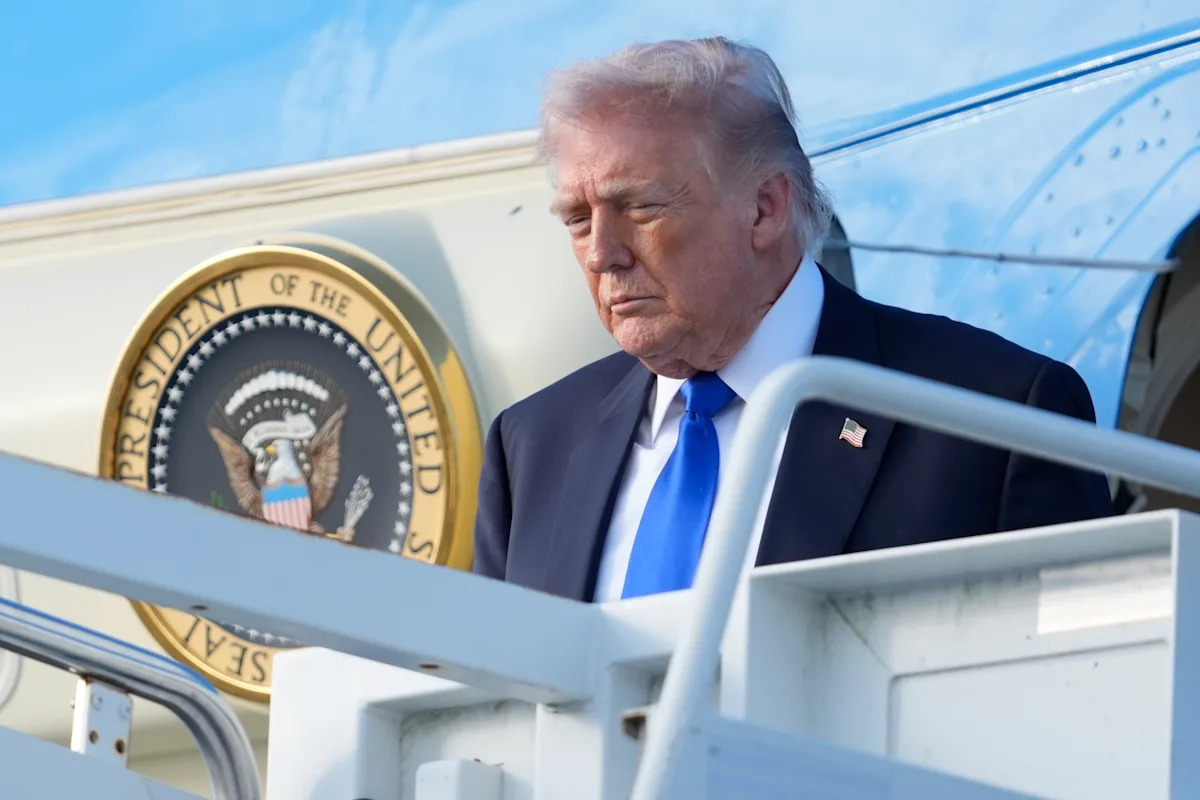
- Government Bailout Possibility: Trump indicated that the government might bail out Spirit Airlines by providing a $500 million loan in exchange for a 90% equity stake, aiming to protect jobs in the airline industry and enhance competition.
- Increased Operating Losses: Spirit reported an operating loss of $28.3 million in February, and with recent surges in fuel prices, its financial situation is expected to worsen, forcing the company to cut flights and shrink its fleet to survive.
- Merger Challenges: The Trump administration criticized the Biden administration for blocking JetBlue's acquisition of Spirit, arguing that this decision has further weakened Spirit's financial standing and could impact future industry consolidation.
- Industry Reactions: Low-cost carriers met with the Transportation Secretary to discuss the impact of soaring fuel costs, and analysts suggest that Spirit's potential bailout could set a precedent for other airlines seeking government assistance, reflecting the overall fragility of the industry.
See More

Trump Considers Bailout for Spirit Airlines Amid Fuel Crisis
- Government Bailout Possibility: Trump indicated that the government might bail out Spirit Airlines or buy it outright, with plans to sell it for profit when oil prices drop, highlighting the importance of maintaining competition in the airline industry amid rising fuel costs.
- Bondholder Support: Major bondholders confirmed in court that they received a term sheet for potential government assistance, indicating advanced negotiations; if successful, the government could acquire up to a 90% stake, which may influence Spirit's future financing capabilities.
- Industry Impact: Should Spirit receive a bailout, other low-cost carriers might seek similar support, reflecting the vulnerability of the airline industry in the face of soaring fuel prices, potentially leading to further structural changes within the sector.
- Union Advocacy: Spirit's labor unions are advocating for government assistance, arguing against liquidation to prevent greater harm to workers and passengers, underscoring the critical role of such support in preserving jobs and economic stability.
See More

Avis Budget's Stock Volatility Captivates Market Attention

- Dramatic Stock Fluctuations: Avis Budget's shares plummeted 70% over Wednesday and Thursday, marking the largest two-day decline in the company's history, reflecting a decline in investor interest in mature companies amid speculative trading.
- Impact of Short Squeeze: The stock's heavy shorting led to a short squeeze that initially drove prices up before a sharp decline, indicating risks associated with excess market liquidity, as two hedge funds collectively own about 70% of Avis's shares, exacerbating volatility.
- Transportation Index Volatility: The Dow Jones Transportation Average surged 33% before experiencing its largest single-day decline since March 2020 due to Avis's drop, highlighting the limitations of price-weighted indexes in accurately reflecting market dynamics.
- Investor Confidence Shaken: Analysts question the Dow Transportation Index's ability to convey meaningful insights into the sector or the broader economy, particularly given the spike in oil prices from Middle East conflicts, leading to skepticism about price-based weighting schemes.
See More

US Israel-Lebanon Ceasefire Extended Amid Tensions


- Ceasefire Extension: President Trump announced that Israel and Lebanon agreed to extend their ceasefire by three weeks, aiming to buy more time for diplomatic negotiations, although the ongoing tensions may impact investor confidence.
- Energy Security Threat: IEA head Fatih Birol warned that the current conflict has resulted in a loss of 13 million barrels of oil per day, marking the biggest energy security threat in history, which could trigger global market volatility.
- Market Reaction: U.S. stocks pulled back as investors grew wary of the ceasefire's prospects, while Asian markets opened mixed, reflecting a cautious sentiment regarding future developments.
- Corporate Layoffs: Meta plans to lay off 10% of its workforce, approximately 8,000 employees, while Nike will cut 1,400 jobs, indicating structural adjustments in the tech sector amid accelerated AI investments.
See More
Joby Aviation Stock Plummets Amid Regulatory Hurdles
- Stock Decline: Joby Aviation's stock has plummeted from a record high of $20.39 on August 4, 2025, to under $9 currently, representing a nearly 60% loss, which reflects market concerns over its future profitability.
- Regulatory Challenges: Joby has yet to secure FAA Type Certification for its first commercial flights, with analysts speculating approval could come by early 2027; however, any delays may force downward revisions of its near-term revenue estimates.
- Market Outlook: The global eVTOL market is projected to grow at a CAGR of 36.8% from 2026 to 2034, with Joby's revenue expected to rise from $53 million in 2025 to $459 million by 2028, indicating significant market potential.
- Investor Confidence Wanes: Despite being viewed as the
See More
Analysis of Joby Aviation's Significant Stock Decline
- Technological Edge and Market Potential: Joby's S4 eVTOL aircraft, capable of carrying one pilot and four passengers with a range of 150 miles and a top speed of 200 mph, showcases its technological advantages in the electric aviation market, even as its stock has plummeted to below $9 per share, nearly 60% down from $20.39 in August 2025.
- Investor Support and Commercialization Plans: Joby has garnered attention from prominent investors like Toyota, Delta Air Lines, and Uber, with Uber planning to integrate Joby's eVTOL services into its ride-hailing app pending regulatory approval, highlighting its potential in the future urban air mobility market despite facing regulatory hurdles and market uncertainties.
- Market Growth Expectations and Financial Challenges: The global eVTOL market is projected to grow at a CAGR of 36.8% from 2026 to 2034 according to Fortune Business Insights, with analysts forecasting Joby's revenue to rise from $53 million in 2025 to $459 million in 2028; however, the lack of FAA type certification could impact short-term revenue forecasts.
- Stock Volatility and Investment Risks: With a market cap of $8.3 billion, Joby's stock is currently valued at 18 times its projected 2028 sales, which is not cheap compared to competitor Archer's 8 times, indicating that any negative news could lead to significant stock declines, necessitating careful evaluation of its future growth potential by investors.
See More
Trump Considers Bailout for Spirit Airlines Amid Financial Struggles
- Government Bailout Possibility: Trump indicated that the government might bail out Spirit Airlines by providing a $500 million loan in exchange for a 90% equity stake, aiming to protect jobs in the airline industry and enhance competition.
- Increased Operating Losses: Spirit reported an operating loss of $28.3 million in February, and with recent surges in fuel prices, its financial situation is expected to worsen, forcing the company to cut flights and shrink its fleet to survive.
- Merger Challenges: The Trump administration criticized the Biden administration for blocking JetBlue's acquisition of Spirit, arguing that this decision has further weakened Spirit's financial standing and could impact future industry consolidation.
- Industry Reactions: Low-cost carriers met with the Transportation Secretary to discuss the impact of soaring fuel costs, and analysts suggest that Spirit's potential bailout could set a precedent for other airlines seeking government assistance, reflecting the overall fragility of the industry.
See More
Trump Considers Bailout for Spirit Airlines Amid Fuel Crisis
- Government Bailout Possibility: Trump indicated that the government might bail out Spirit Airlines or buy it outright, with plans to sell it for profit when oil prices drop, highlighting the importance of maintaining competition in the airline industry amid rising fuel costs.
- Bondholder Support: Major bondholders confirmed in court that they received a term sheet for potential government assistance, indicating advanced negotiations; if successful, the government could acquire up to a 90% stake, which may influence Spirit's future financing capabilities.
- Industry Impact: Should Spirit receive a bailout, other low-cost carriers might seek similar support, reflecting the vulnerability of the airline industry in the face of soaring fuel prices, potentially leading to further structural changes within the sector.
- Union Advocacy: Spirit's labor unions are advocating for government assistance, arguing against liquidation to prevent greater harm to workers and passengers, underscoring the critical role of such support in preserving jobs and economic stability.
See More
Avis Budget's Stock Volatility Captivates Market Attention
- Dramatic Stock Fluctuations: Avis Budget's shares plummeted 70% over Wednesday and Thursday, marking the largest two-day decline in the company's history, reflecting a decline in investor interest in mature companies amid speculative trading.
- Impact of Short Squeeze: The stock's heavy shorting led to a short squeeze that initially drove prices up before a sharp decline, indicating risks associated with excess market liquidity, as two hedge funds collectively own about 70% of Avis's shares, exacerbating volatility.
- Transportation Index Volatility: The Dow Jones Transportation Average surged 33% before experiencing its largest single-day decline since March 2020 due to Avis's drop, highlighting the limitations of price-weighted indexes in accurately reflecting market dynamics.
- Investor Confidence Shaken: Analysts question the Dow Transportation Index's ability to convey meaningful insights into the sector or the broader economy, particularly given the spike in oil prices from Middle East conflicts, leading to skepticism about price-based weighting schemes.
See More
US Israel-Lebanon Ceasefire Extended Amid Tensions
- Ceasefire Extension: President Trump announced that Israel and Lebanon agreed to extend their ceasefire by three weeks, aiming to buy more time for diplomatic negotiations, although the ongoing tensions may impact investor confidence.
- Energy Security Threat: IEA head Fatih Birol warned that the current conflict has resulted in a loss of 13 million barrels of oil per day, marking the biggest energy security threat in history, which could trigger global market volatility.
- Market Reaction: U.S. stocks pulled back as investors grew wary of the ceasefire's prospects, while Asian markets opened mixed, reflecting a cautious sentiment regarding future developments.
- Corporate Layoffs: Meta plans to lay off 10% of its workforce, approximately 8,000 employees, while Nike will cut 1,400 jobs, indicating structural adjustments in the tech sector amid accelerated AI investments.
See More