Delta Air Lines Q1 Earnings Exceed Expectations
- Strong Earnings Performance: Delta Air Lines reported a Q1 non-GAAP EPS of $0.64, beating expectations by $0.07, indicating the company's sustained profitability amid robust demand.
- Significant Revenue Growth: The airline's Q1 revenue reached $15.85 billion, a 12.9% year-over-year increase, surpassing expectations by $1.03 billion, reflecting strong performance in the recovering market.
- Optimistic Future Outlook: The company anticipates low-teens revenue growth in Q2 despite flat capacity, demonstrating its ability to maintain growth momentum amid strong demand and effective capacity adjustments.
- Profit Expectations Raised: Delta expects a pre-tax profit of around $1 billion in Q2, despite a projected increase of over $2 billion in fuel expenses, showcasing the company's resilience in profitability under cost pressures.
Trade with 70% Backtested Accuracy
Analyst Views on DAL

About DAL
About the author


Delta's Q1 Adjusted EPS Reaches $0.64, Exceeding IBES Estimate of $0.57

- Delta Q1 Adjusted EPS: Delta's adjusted earnings per share (EPS) for the first quarter is reported at USD 0.64.
- Ibes Estimate Comparison: This figure exceeds the Ibes estimate, which was USD 0.57.
Delta Air Lines Raises Baggage Fees Amid Rising Fuel Costs
- Baggage Fee Increase: Delta Air Lines has raised the fees for the first and second checked bags on domestic and select short-haul international routes from $35 to $45, while the fee for the third checked bag has surged from $150 to $200, indicating the airline's strategic response to rising fuel costs.
- Industry Trend: This marks Delta's first baggage fee increase in two years, following similar moves by United Airlines and JetBlue, reflecting the broader pressure on the airline industry to manage soaring fuel expenses, which are typically easier to pass on to consumers than fare hikes.
- Competitor Response: JetBlue was the first to increase baggage fees, with United Airlines subsequently implementing a $10 increase for the first and second checked bags starting April 3, highlighting a growing trend of price adjustments across the industry.
- Market Impact: As airlines raise ancillary fees to offset fuel costs, consumers are likely to face higher travel expenses, which could impact demand for air travel and alter overall market dynamics.
Airline Stocks Surge as Oil Prices Drop Following Ceasefire Agreement

- Delta Air Lines Strong Performance: Delta's shares surged 12% due to significant oil price declines following a U.S. ceasefire agreement, although the airline's second-quarter guidance fell short of analyst expectations, its first-quarter results exceeded forecasts, indicating market resilience.
- Levi Strauss Revenue Growth: Levi Strauss shares rose over 9% after reporting first-quarter revenue and earnings beats, with direct-to-consumer sales making up half of revenue for the first time, boosting confidence in future performance as the company raised its full-year earnings guidance.
- Energy Stocks Decline: Energy stocks fell broadly as oil prices dropped below $100 per barrel, with APA shedding over 9%, and Occidental Petroleum and Diamondback Energy both down about 7%, reflecting growing market concerns over energy demand.
- Travel Stocks Rebound: As oil prices fell, fears of demand destruction eased, leading to a surge in travel stocks, with United Airlines jumping over 10% and Southwest Airlines rising 9%, indicating signs of recovery in the travel sector.

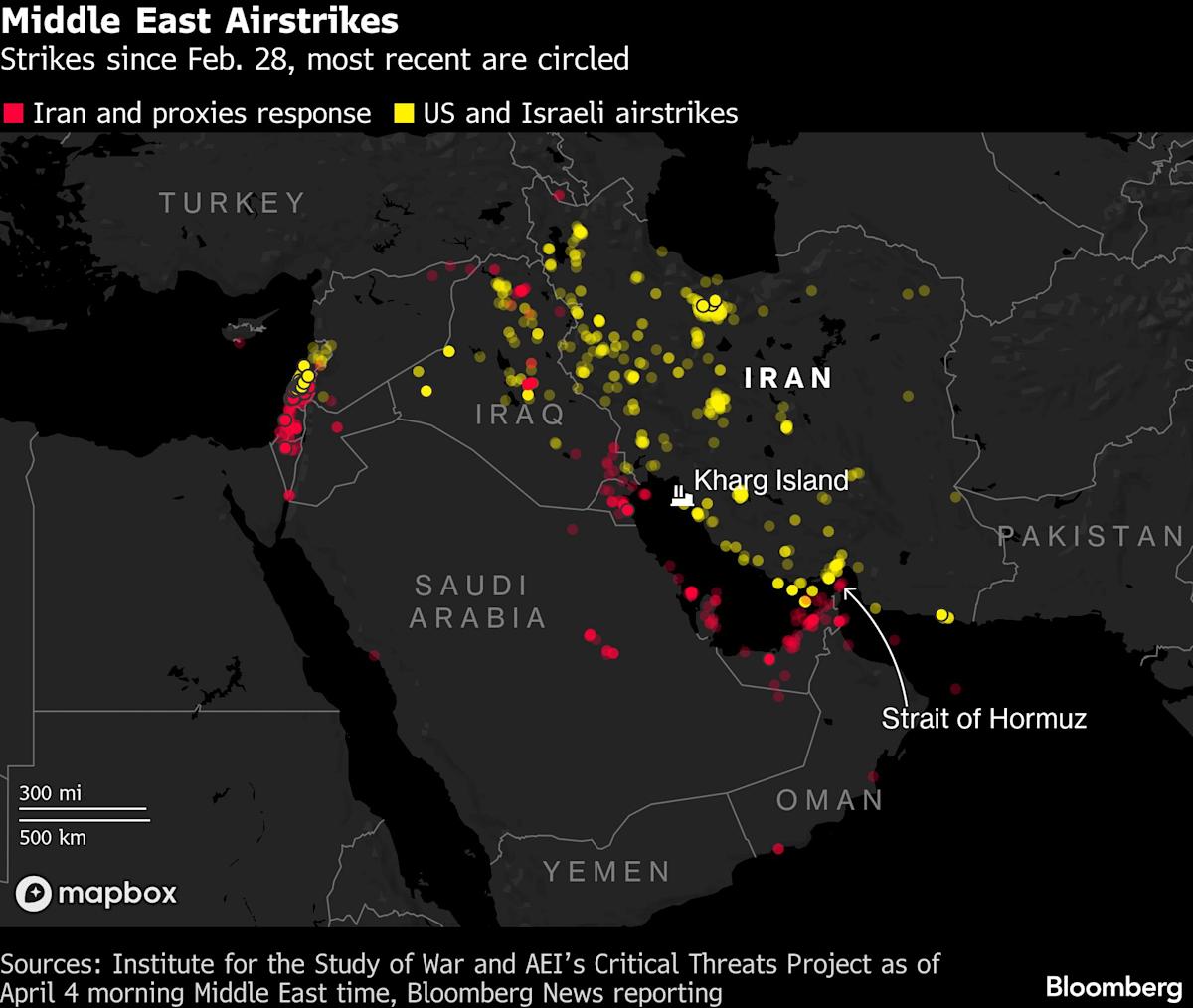
Dow Futures Surge by 1,100 Points, Oil Plummets Over 16% Following Trump's Iran Ceasefire Announcement — AEHR, TSLA, INTC, DAL Featured in Pre-Market Stock Trends


U.S.-Iran Ceasefire Announcement: President Trump announced a two-week ceasefire between the U.S. and Iran, contingent on Iran reopening the Strait of Hormuz, with a 10-point proposal received from Iran to finalize the agreement.
Impact on Oil Prices: Following the ceasefire announcement, crude oil prices dropped significantly, with U.S. West Texas Intermediate futures falling over 16% to $95 per barrel, while Brent crude futures also saw a decline.
Stock Market Reactions: U.S. stock futures surged early Wednesday after the ceasefire news, with significant gains in major indices, while retail sentiment towards the S&P 500 ETF trended bearish.
Company Performance Highlights: Notable stock movements included Aehr Test Systems and Tesla, both seeing substantial pre-market gains, while Delta Air Lines shares rose after beating earnings expectations for the first quarter.

Delta Air Lines Surpasses Earnings Expectations, Leading the Industry
- Earnings Beat: Delta Air Lines reported a non-GAAP EPS of $0.64, exceeding expectations by $0.07, indicating strong profitability amidst fierce competition in the airline sector.
- Significant Revenue Growth: The airline's revenue reached $15.85 billion, surpassing the anticipated $15.782 billion, reflecting robust performance in both passenger and cargo operations, thereby solidifying its market position.
- Falling Oil Prices Benefit: The decline in oil prices is expected to lower Delta's operating costs, which will support future profitability and potentially enhance its competitive edge in the industry.
- Industry Leadership: Following the earnings report, Delta led the airline sector higher, demonstrating its relatively strong performance in the current turbulent market, which may attract more investor interest in its stock.
Delta Air Lines Reports 12.9% Revenue Growth in Q1
- Significant Revenue Growth: Delta Air Lines reported a 12.9% year-over-year revenue increase in Q1, reaching $15.9 billion, exceeding market expectations by $1 billion, indicating strong unit revenue improvement across all regions, particularly in main cabin growth.
- Cost and Revenue Dynamics: Total revenue per available seat mile rose 12% to $0.2292, while total cost per available seat mile increased by 13% to $0.2220, demonstrating the company's efforts to protect margins and cash flow despite rising costs.
- Fuel Cost Pressure: Delta anticipates a $2 billion increase in fuel expenses this quarter, despite benefits from its Trainer refinery, with CEO Ed Bastian emphasizing actions to mitigate the impact of rising fuel costs on operations.
- Industry Rebound Impact: The airline sector saw a general uptick following the U.S.-Iran ceasefire agreement, with Delta's stock performing strongly in premarket trading, reflecting market optimism regarding the recovery of the airline industry.
Delta's Q1 Adjusted EPS Reaches $0.64, Exceeding IBES Estimate of $0.57
- Delta Q1 Adjusted EPS: Delta's adjusted earnings per share (EPS) for the first quarter is reported at USD 0.64.
- Ibes Estimate Comparison: This figure exceeds the Ibes estimate, which was USD 0.57.
Delta Air Lines Raises Baggage Fees Amid Rising Fuel Costs
- Baggage Fee Increase: Delta Air Lines has raised the fees for the first and second checked bags on domestic and select short-haul international routes from $35 to $45, while the fee for the third checked bag has surged from $150 to $200, indicating the airline's strategic response to rising fuel costs.
- Industry Trend: This marks Delta's first baggage fee increase in two years, following similar moves by United Airlines and JetBlue, reflecting the broader pressure on the airline industry to manage soaring fuel expenses, which are typically easier to pass on to consumers than fare hikes.
- Competitor Response: JetBlue was the first to increase baggage fees, with United Airlines subsequently implementing a $10 increase for the first and second checked bags starting April 3, highlighting a growing trend of price adjustments across the industry.
- Market Impact: As airlines raise ancillary fees to offset fuel costs, consumers are likely to face higher travel expenses, which could impact demand for air travel and alter overall market dynamics.
Airline Stocks Surge as Oil Prices Drop Following Ceasefire Agreement
- Delta Air Lines Strong Performance: Delta's shares surged 12% due to significant oil price declines following a U.S. ceasefire agreement, although the airline's second-quarter guidance fell short of analyst expectations, its first-quarter results exceeded forecasts, indicating market resilience.
- Levi Strauss Revenue Growth: Levi Strauss shares rose over 9% after reporting first-quarter revenue and earnings beats, with direct-to-consumer sales making up half of revenue for the first time, boosting confidence in future performance as the company raised its full-year earnings guidance.
- Energy Stocks Decline: Energy stocks fell broadly as oil prices dropped below $100 per barrel, with APA shedding over 9%, and Occidental Petroleum and Diamondback Energy both down about 7%, reflecting growing market concerns over energy demand.
- Travel Stocks Rebound: As oil prices fell, fears of demand destruction eased, leading to a surge in travel stocks, with United Airlines jumping over 10% and Southwest Airlines rising 9%, indicating signs of recovery in the travel sector.
Dow Futures Surge by 1,100 Points, Oil Plummets Over 16% Following Trump's Iran Ceasefire Announcement — AEHR, TSLA, INTC, DAL Featured in Pre-Market Stock Trends
U.S.-Iran Ceasefire Announcement: President Trump announced a two-week ceasefire between the U.S. and Iran, contingent on Iran reopening the Strait of Hormuz, with a 10-point proposal received from Iran to finalize the agreement.
Impact on Oil Prices: Following the ceasefire announcement, crude oil prices dropped significantly, with U.S. West Texas Intermediate futures falling over 16% to $95 per barrel, while Brent crude futures also saw a decline.
Stock Market Reactions: U.S. stock futures surged early Wednesday after the ceasefire news, with significant gains in major indices, while retail sentiment towards the S&P 500 ETF trended bearish.
Company Performance Highlights: Notable stock movements included Aehr Test Systems and Tesla, both seeing substantial pre-market gains, while Delta Air Lines shares rose after beating earnings expectations for the first quarter.
Delta Air Lines Surpasses Earnings Expectations, Leading the Industry
- Earnings Beat: Delta Air Lines reported a non-GAAP EPS of $0.64, exceeding expectations by $0.07, indicating strong profitability amidst fierce competition in the airline sector.
- Significant Revenue Growth: The airline's revenue reached $15.85 billion, surpassing the anticipated $15.782 billion, reflecting robust performance in both passenger and cargo operations, thereby solidifying its market position.
- Falling Oil Prices Benefit: The decline in oil prices is expected to lower Delta's operating costs, which will support future profitability and potentially enhance its competitive edge in the industry.
- Industry Leadership: Following the earnings report, Delta led the airline sector higher, demonstrating its relatively strong performance in the current turbulent market, which may attract more investor interest in its stock.
Delta Air Lines Reports 12.9% Revenue Growth in Q1
- Significant Revenue Growth: Delta Air Lines reported a 12.9% year-over-year revenue increase in Q1, reaching $15.9 billion, exceeding market expectations by $1 billion, indicating strong unit revenue improvement across all regions, particularly in main cabin growth.
- Cost and Revenue Dynamics: Total revenue per available seat mile rose 12% to $0.2292, while total cost per available seat mile increased by 13% to $0.2220, demonstrating the company's efforts to protect margins and cash flow despite rising costs.
- Fuel Cost Pressure: Delta anticipates a $2 billion increase in fuel expenses this quarter, despite benefits from its Trainer refinery, with CEO Ed Bastian emphasizing actions to mitigate the impact of rising fuel costs on operations.
- Industry Rebound Impact: The airline sector saw a general uptick following the U.S.-Iran ceasefire agreement, with Delta's stock performing strongly in premarket trading, reflecting market optimism regarding the recovery of the airline industry.