Delta Air Lines Forecasts 20% EPS Growth for 2026 Amid Premium Offer Expansion
Written by Emily J. Thompson, Senior Investment Analyst
Updated: Jan 14 2026
0mins

Source: stocktwits
- Retail Message Surge: Delta Air Lines experienced a 271% increase in retail message volume on Stocktwits in the last 24 hours and a 683% year-over-year surge, indicating strong investor interest despite the stock facing pressure from three consecutive days of losses.
- Premium Product Expansion: The airline is expanding its premium offerings, including the “Delta One” suite, which features lie-flat seating, a sliding door, and a seasonal chef-curated four-course meal, aimed at attracting high-end customers and enhancing overall revenue.
- 2026 Financial Outlook: Delta forecasts a 20% increase in earnings per share for 2026, projected between $6.50 and $7.50, although this expectation falls short of Wall Street's $7.26, reflecting a cautious market sentiment regarding its future profitability.
- Capacity Growth Plans: The company plans to grow capacity by 3% in 2025, concentrating all new seat growth in premium cabins, which is expected to be driven by interior upgrades and new aircraft deliveries, further boosting premium revenue growth.
Trade with 70% Backtested Accuracy
Stop guessing "Should I Buy DAL?" and start using high-conviction signals backed by rigorous historical data.
Sign up today to access powerful investing tools and make smarter, data-driven decisions.
Analyst Views on DAL
Wall Street analysts forecast DAL stock price to rise
18 Analyst Rating
18 Buy
0 Hold
0 Sell
Strong Buy
Current: 83.140

Low
77.00
Averages
83.50
High
90.00
Current: 83.140
Low
77.00
Averages
83.50
High
90.00
About DAL
Delta Air Lines, Inc. provides scheduled air transportation for passengers and cargo throughout the United States and around the world. The Company has hubs and markets in Amsterdam, Atlanta, Bogota, Boston, Detroit, Lima, London-Heathrow, Los Angeles, Mexico City, Minneapolis-St. Paul, New York-JFK and LaGuardia, Paris-Charles de Gaulle, Salt Lake City, Santiago (Chile), Sao Paulo, Seattle, Seoul-Incheon, and Tokyo. Its segments include Airline and Refinery. Its airline segment is managed as a single business unit that provides scheduled air transportation for passengers and cargo throughout the United States and around the world and includes its loyalty program, as well as other ancillary businesses. Its refinery segment operates for the benefit of the airline segment by providing jet fuel to the airline segment from its own production and through jet fuel obtained through agreements with third parties. The refinery's production consists of jet fuel as well as non-jet fuel products.
About the author

Emily J. Thompson
Emily J. Thompson, a Chartered Financial Analyst (CFA) with 12 years in investment research, graduated with honors from the Wharton School. Specializing in industrial and technology stocks, she provides in-depth analysis for Intellectia’s earnings and market brief reports.
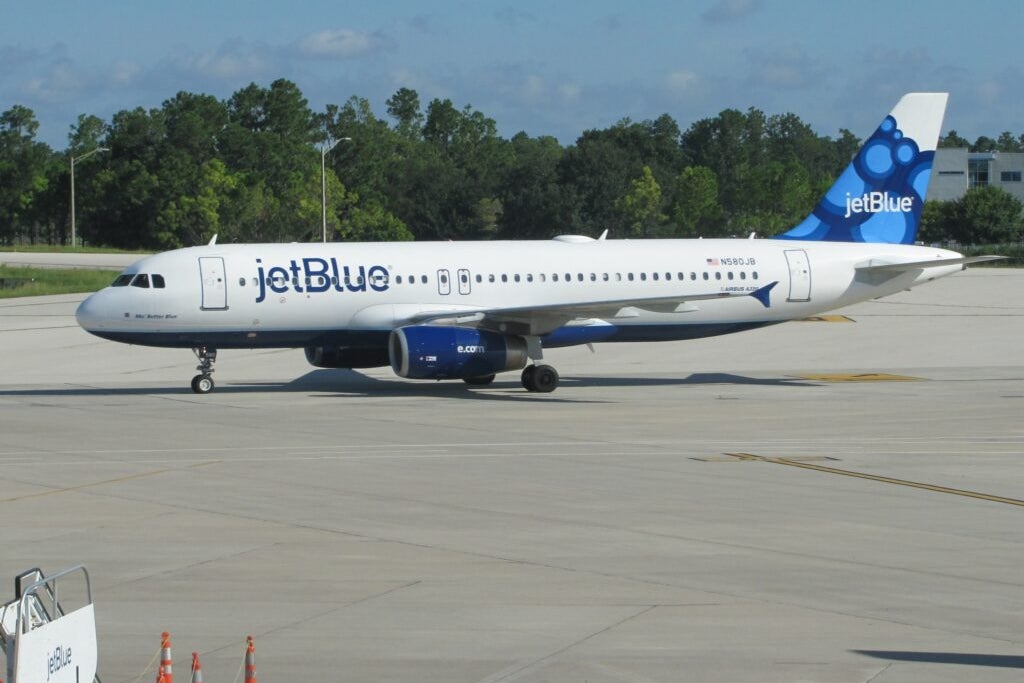
Hearing on U.S. Airline Competition and Regulation Scheduled
- Hearing Scheduled: A House Judiciary subcommittee will hold a hearing on June 24 regarding competition and regulation in the U.S. airline industry, with Airlines for America CEO Chris Sununu expected to testify, highlighting significant concerns about the current state of the airline sector.
- Impact of Spirit's Collapse: The collapse of Spirit Airlines in May resulted in approximately 15,000 job losses for employees and contractors, underscoring the vulnerability of low-cost carriers in the current market environment and raising further questions about airline competition policies.
- Escalating Policy Debate: Republicans are likely to use the hearing to criticize the Biden administration's airline competition policies for failing to protect jobs, while Democrats will emphasize the rollback of aviation consumer protection measures under the Trump administration, illustrating the sharp partisan divide over airline policy.
- Regulatory Investigation Updates: This week, the USDOT closed its investigation into a July 2024 incident involving Delta Air Lines that disrupted travel for 1.3 million customers, while also waiving an $11 million fine against Southwest Airlines, indicating a shift in regulatory attitudes towards airline accountability.
See More

Spirit Airlines Bankruptcy and Acquisition Proposal Update

- Declining Customer Satisfaction: Spirit Airlines scored only 66 on the 2026 American Customer Satisfaction Index (ACSI), falling behind low-cost rival Frontier Airlines, indicating severe deficiencies in customer experience that could lead to customer attrition and revenue decline.
- Bankruptcy Reorganization Failure: The airline ceased all operations on May 2, 2026, after failing to successfully reorganize, marking its exit from the aviation market despite its crucial role in keeping fares low, which has impacted pricing strategies across the industry.
- Acquisition Proposal Emerges: Mooney International has submitted a bid to acquire Spirit Airlines and related assets, aiming to combine operations to focus on affordable air travel, which, if successful, could restore the Spirit brand and its market position.
- Fare Increase Trend: The exit of Spirit Airlines has led to an average fare increase of $19 (approximately 14%) across about 90 routes, highlighting its significance in the market, with industry analysts noting that any airline's departure results in reduced seat supply, thereby driving up fares.
See More

LGBTQ+ Consumers Shift Spending Based on DEI Commitments


- Changing Consumer Trends: According to a survey by the Human Rights Campaign Foundation, 72% of LGBTQ+ consumers report reducing purchases from companies perceived to be scaling back on diversity and inclusion commitments, highlighting consumer sensitivity to corporate social responsibility.
- Brand Loyalty Shifts: The survey indicates that Target, Walmart, and Amazon are viewed as companies losing support, while Costco, Apple, and Kroger gained favor due to their strong DEI policies, reflecting the direct impact of brand image on consumer behavior.
- Significant Economic Impact: The National LGBT Chamber of Commerce estimates that LGBTQ+ consumers represent over $1.7 trillion in economic spending power in the U.S., compelling businesses to take their diversity and inclusion policies seriously to maintain market share.
- Corporate Responses and Challenges: While Amazon claims to continue supporting its employees and diverse customer base, Target faced backlash from both political sides over its DEI policies, leading to reduced sales in summer 2023, illustrating how corporate stances on DEI can significantly affect sales performance.
See More

LGBTQ+ Consumers Shift Brand Loyalties Based on DEI Policies

- Changing Consumer Trends: Research from the Human Rights Campaign Foundation reveals that nearly 72% of LGBTQ+ consumers are reducing purchases from companies perceived to be diminishing their diversity and inclusion commitments, highlighting a significant consumer focus on corporate social responsibility.
- Brand Impact: The survey identifies Target, Walmart, Amazon, Chick-Fil-A, and Home Depot as the companies most frequently linked to reduced spending, indicating that shortcomings in diversity and inclusion policies can lead to customer attrition.
- Rewarding Supportive Brands: Nearly 70% of LGBTQ+ consumers report increasing spending on companies they view as supportive of diversity and inclusion, with Costco, Apple, Ben & Jerry's, Delta Air Lines, and Kroger cited as beneficiaries, demonstrating that corporate social responsibility can effectively enhance customer loyalty.
- Significant Market Potential: The National LGBT Chamber of Commerce estimates that LGBTQ+ consumers contribute over $1.7 trillion to the U.S. economy, suggesting that investments in diversity and inclusion are not only a moral obligation but also a strategic move to capture a substantial market share.
See More
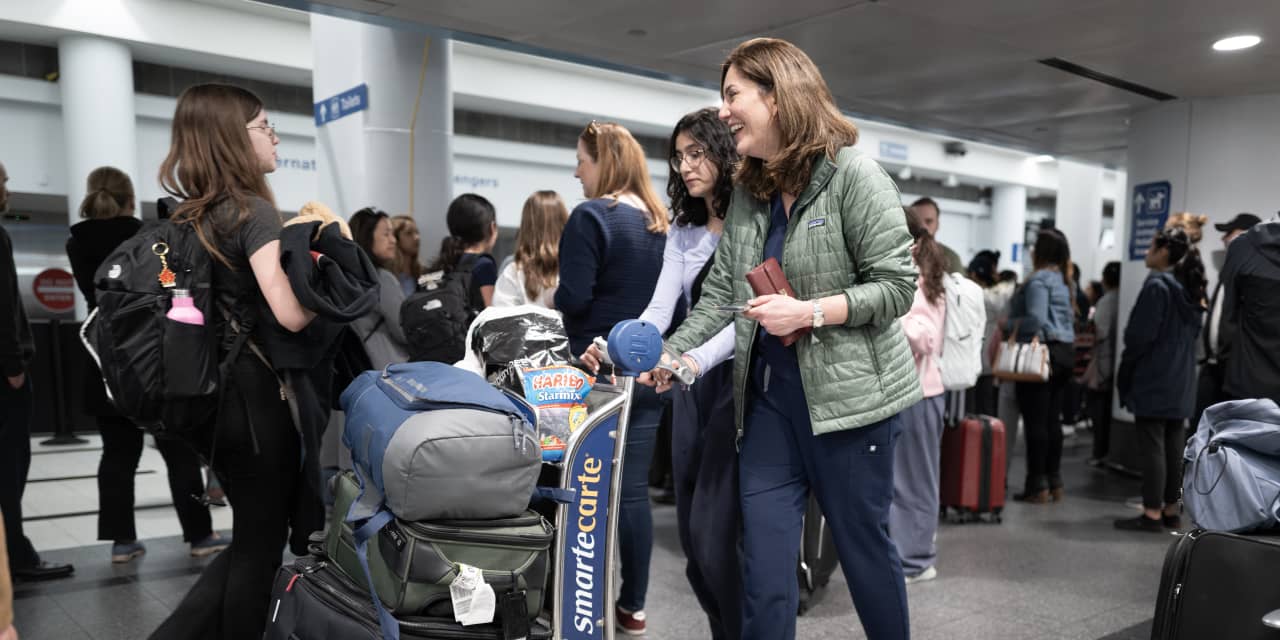
Delta Air Lines to Retrofit 240 Boeing 737s for Enhanced Fuel Efficiency
- Technical Evaluation Results: Delta Air Lines' joint technical evaluation with Vortex Control Technologies indicates that retrofitting its 737-800 and 737-900ER aircraft will significantly enhance fuel efficiency, covering 240 aircraft and marking a crucial advancement in operational economics.
- Emission Reduction and Energy Savings: The newly installed aerodynamic finlets will improve airflow patterns and reduce drag, helping Delta lower carbon emissions in line with its sustainability goals, especially considering that approximately 90% of its carbon emissions are linked to jet fuel consumption.
- Continuation of Operational Strategy: This retrofit is part of Delta's broader fleet modification strategy, having undergone safety and operational performance reviews to ensure the effectiveness and safety of the new technology, thereby further enhancing the company's operational efficiency.
- Positive Market Reaction: Delta's shares rose about 0.5% in premarket trading, reflecting market optimism regarding the implementation of new technology and demonstrating investor confidence in the company's future operational performance.
See More

Delta Airlines Implements Aerodynamic Enhancements for Fleet Efficiency
- Aerodynamic Installation: Delta Airlines will install Vortex Control Technologies' Finlet modification package on 240 Boeing 737-800 and 737-900ER aircraft, aiming to enhance fuel efficiency by improving airflow and reducing drag, thereby lowering operational costs and carbon emissions.
- Technical Collaboration Background: This modification is based on a comprehensive technical collaboration between Delta and VCT, including analysis of flight test data and engineering reviews of aerodynamic performance, ensuring the safety and effectiveness of the modifications, which further solidifies Delta's strategic decision to enhance fleet efficiency.
- Sustainability Commitment: With approximately 90% of Delta's carbon emissions originating from jet fuel consumption, the implementation of Finlets will significantly support its sustainability goals, helping the company reduce environmental impact while improving operational economics.
- Long-term Operational Benefits: Delta's Chief Sustainability Officer stated that the introduction of Finlets not only reflects technological innovation but will also provide long-term operational benefits, further enhancing the company's competitiveness in the global aviation market.
See More
Hearing on U.S. Airline Competition and Regulation Scheduled
- Hearing Scheduled: A House Judiciary subcommittee will hold a hearing on June 24 regarding competition and regulation in the U.S. airline industry, with Airlines for America CEO Chris Sununu expected to testify, highlighting significant concerns about the current state of the airline sector.
- Impact of Spirit's Collapse: The collapse of Spirit Airlines in May resulted in approximately 15,000 job losses for employees and contractors, underscoring the vulnerability of low-cost carriers in the current market environment and raising further questions about airline competition policies.
- Escalating Policy Debate: Republicans are likely to use the hearing to criticize the Biden administration's airline competition policies for failing to protect jobs, while Democrats will emphasize the rollback of aviation consumer protection measures under the Trump administration, illustrating the sharp partisan divide over airline policy.
- Regulatory Investigation Updates: This week, the USDOT closed its investigation into a July 2024 incident involving Delta Air Lines that disrupted travel for 1.3 million customers, while also waiving an $11 million fine against Southwest Airlines, indicating a shift in regulatory attitudes towards airline accountability.
See More
Spirit Airlines Bankruptcy and Acquisition Proposal Update
- Declining Customer Satisfaction: Spirit Airlines scored only 66 on the 2026 American Customer Satisfaction Index (ACSI), falling behind low-cost rival Frontier Airlines, indicating severe deficiencies in customer experience that could lead to customer attrition and revenue decline.
- Bankruptcy Reorganization Failure: The airline ceased all operations on May 2, 2026, after failing to successfully reorganize, marking its exit from the aviation market despite its crucial role in keeping fares low, which has impacted pricing strategies across the industry.
- Acquisition Proposal Emerges: Mooney International has submitted a bid to acquire Spirit Airlines and related assets, aiming to combine operations to focus on affordable air travel, which, if successful, could restore the Spirit brand and its market position.
- Fare Increase Trend: The exit of Spirit Airlines has led to an average fare increase of $19 (approximately 14%) across about 90 routes, highlighting its significance in the market, with industry analysts noting that any airline's departure results in reduced seat supply, thereby driving up fares.
See More
LGBTQ+ Consumers Shift Spending Based on DEI Commitments
- Changing Consumer Trends: According to a survey by the Human Rights Campaign Foundation, 72% of LGBTQ+ consumers report reducing purchases from companies perceived to be scaling back on diversity and inclusion commitments, highlighting consumer sensitivity to corporate social responsibility.
- Brand Loyalty Shifts: The survey indicates that Target, Walmart, and Amazon are viewed as companies losing support, while Costco, Apple, and Kroger gained favor due to their strong DEI policies, reflecting the direct impact of brand image on consumer behavior.
- Significant Economic Impact: The National LGBT Chamber of Commerce estimates that LGBTQ+ consumers represent over $1.7 trillion in economic spending power in the U.S., compelling businesses to take their diversity and inclusion policies seriously to maintain market share.
- Corporate Responses and Challenges: While Amazon claims to continue supporting its employees and diverse customer base, Target faced backlash from both political sides over its DEI policies, leading to reduced sales in summer 2023, illustrating how corporate stances on DEI can significantly affect sales performance.
See More
LGBTQ+ Consumers Shift Brand Loyalties Based on DEI Policies
- Changing Consumer Trends: Research from the Human Rights Campaign Foundation reveals that nearly 72% of LGBTQ+ consumers are reducing purchases from companies perceived to be diminishing their diversity and inclusion commitments, highlighting a significant consumer focus on corporate social responsibility.
- Brand Impact: The survey identifies Target, Walmart, Amazon, Chick-Fil-A, and Home Depot as the companies most frequently linked to reduced spending, indicating that shortcomings in diversity and inclusion policies can lead to customer attrition.
- Rewarding Supportive Brands: Nearly 70% of LGBTQ+ consumers report increasing spending on companies they view as supportive of diversity and inclusion, with Costco, Apple, Ben & Jerry's, Delta Air Lines, and Kroger cited as beneficiaries, demonstrating that corporate social responsibility can effectively enhance customer loyalty.
- Significant Market Potential: The National LGBT Chamber of Commerce estimates that LGBTQ+ consumers contribute over $1.7 trillion to the U.S. economy, suggesting that investments in diversity and inclusion are not only a moral obligation but also a strategic move to capture a substantial market share.
See More
Delta Air Lines to Retrofit 240 Boeing 737s for Enhanced Fuel Efficiency
- Technical Evaluation Results: Delta Air Lines' joint technical evaluation with Vortex Control Technologies indicates that retrofitting its 737-800 and 737-900ER aircraft will significantly enhance fuel efficiency, covering 240 aircraft and marking a crucial advancement in operational economics.
- Emission Reduction and Energy Savings: The newly installed aerodynamic finlets will improve airflow patterns and reduce drag, helping Delta lower carbon emissions in line with its sustainability goals, especially considering that approximately 90% of its carbon emissions are linked to jet fuel consumption.
- Continuation of Operational Strategy: This retrofit is part of Delta's broader fleet modification strategy, having undergone safety and operational performance reviews to ensure the effectiveness and safety of the new technology, thereby further enhancing the company's operational efficiency.
- Positive Market Reaction: Delta's shares rose about 0.5% in premarket trading, reflecting market optimism regarding the implementation of new technology and demonstrating investor confidence in the company's future operational performance.
See More
Delta Airlines Implements Aerodynamic Enhancements for Fleet Efficiency
- Aerodynamic Installation: Delta Airlines will install Vortex Control Technologies' Finlet modification package on 240 Boeing 737-800 and 737-900ER aircraft, aiming to enhance fuel efficiency by improving airflow and reducing drag, thereby lowering operational costs and carbon emissions.
- Technical Collaboration Background: This modification is based on a comprehensive technical collaboration between Delta and VCT, including analysis of flight test data and engineering reviews of aerodynamic performance, ensuring the safety and effectiveness of the modifications, which further solidifies Delta's strategic decision to enhance fleet efficiency.
- Sustainability Commitment: With approximately 90% of Delta's carbon emissions originating from jet fuel consumption, the implementation of Finlets will significantly support its sustainability goals, helping the company reduce environmental impact while improving operational economics.
- Long-term Operational Benefits: Delta's Chief Sustainability Officer stated that the introduction of Finlets not only reflects technological innovation but will also provide long-term operational benefits, further enhancing the company's competitiveness in the global aviation market.
See More