Delta Air Lines and United Airlines Project Strong 2026 Earnings Growth
Written by Emily J. Thompson, Senior Investment Analyst
Updated: Jan 09 2026
0mins


Source: NASDAQ.COM
- Earnings Recovery: Delta Air Lines is projected to rebound with a 23% increase in EPS to $7.17 in 2026, despite a dip to $5.82 in 2025, indicating strong potential during economic recovery.
- Sales Growth: Delta's sales are expected to rise by 2% in 2025 and another 3% to $65.19 billion in 2026, reflecting its sustained competitiveness and market share enhancement in the airline sector.
- Cash Flow Performance: United Airlines boasts an impressive free cash flow conversion rate of 130%, significantly above the 80% industry benchmark, indicating high earnings quality and better resilience against economic fluctuations while supporting shareholder returns.
- Valuation Appeal: Both Delta and United stocks trade around the industry average forward P/E of 9x, showcasing long-term investment value despite their standout performance in a highly competitive airline market.
Trade with 70% Backtested Accuracy
Stop guessing "Should I Buy DAL?" and start using high-conviction signals backed by rigorous historical data.
Sign up today to access powerful investing tools and make smarter, data-driven decisions.
Analyst Views on DAL
Wall Street analysts forecast DAL stock price to rise
18 Analyst Rating
18 Buy
0 Hold
0 Sell
Strong Buy
Current: 64.830

Low
77.00
Averages
83.50
High
90.00
Current: 64.830
Low
77.00
Averages
83.50
High
90.00
About DAL
Delta Air Lines, Inc. provides scheduled air transportation for passengers and cargo throughout the United States and around the world. The Company has hubs and markets in Amsterdam, Atlanta, Bogota, Boston, Detroit, Lima, London-Heathrow, Los Angeles, Mexico City, Minneapolis-St. Paul, New York-JFK and LaGuardia, Paris-Charles de Gaulle, Salt Lake City, Santiago (Chile), Sao Paulo, Seattle, Seoul-Incheon, and Tokyo. Its segments include Airline and Refinery. Its airline segment is managed as a single business unit that provides scheduled air transportation for passengers and cargo throughout the United States and around the world and includes its loyalty program, as well as other ancillary businesses. Its refinery segment operates for the benefit of the airline segment by providing jet fuel to the airline segment from its own production and through jet fuel obtained through agreements with third parties. The refinery's production consists of jet fuel as well as non-jet fuel products.
About the author

Emily J. Thompson
Emily J. Thompson, a Chartered Financial Analyst (CFA) with 12 years in investment research, graduated with honors from the Wharton School. Specializing in industrial and technology stocks, she provides in-depth analysis for Intellectia’s earnings and market brief reports.
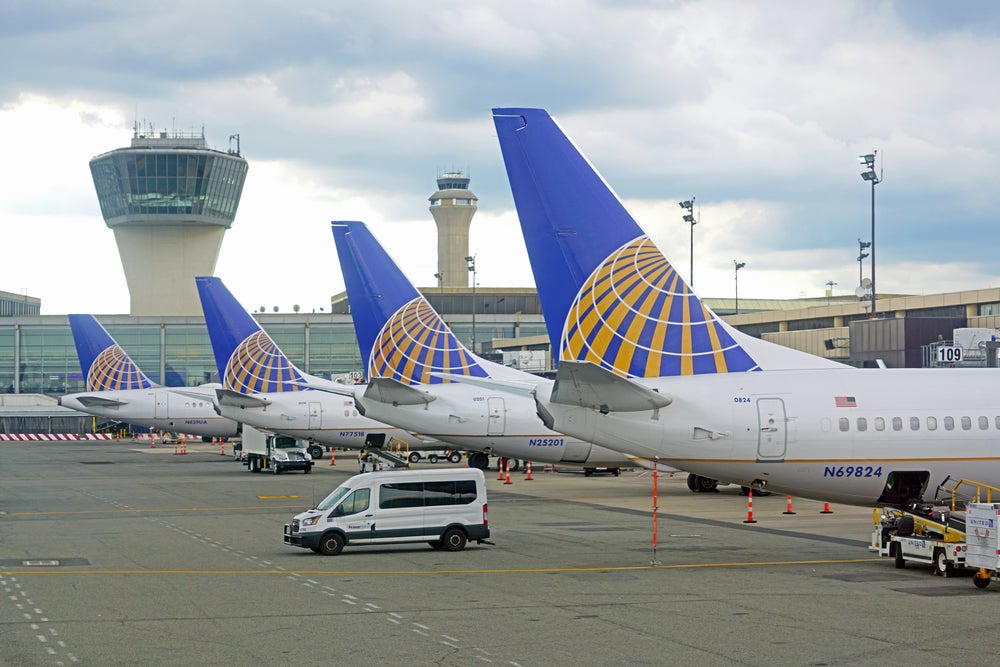
Delta Air Lines Maintains Q1 Guidance Amid Rising Jet Fuel Prices

- Q1 Performance Guidance: Delta Air Lines CEO Ed Bastian stated that despite rising jet fuel prices due to the war in Iran, the company is maintaining its Q1 EPS guidance of 50 to 90 cents, reflecting confidence in future performance.
- Strong Revenue Growth: Bastian noted that despite a $400 million hit in Q4, strong demand has led to revenue growth exceeding expectations, with a forecasted sales increase of up to 7% in Q1.
- Customer Demand Recovery: Delta has recorded eight of its top ten sales days in history this quarter, particularly in the last week of March, indicating robust demand from high-spending and corporate customers, with a 25% year-over-year increase in bookings.
- Positive Market Reaction: Delta's stock rose nearly 4% in premarket trading, reflecting investor confidence in the company's ability to maintain profitability amid high fuel costs and challenging weather conditions.
See More
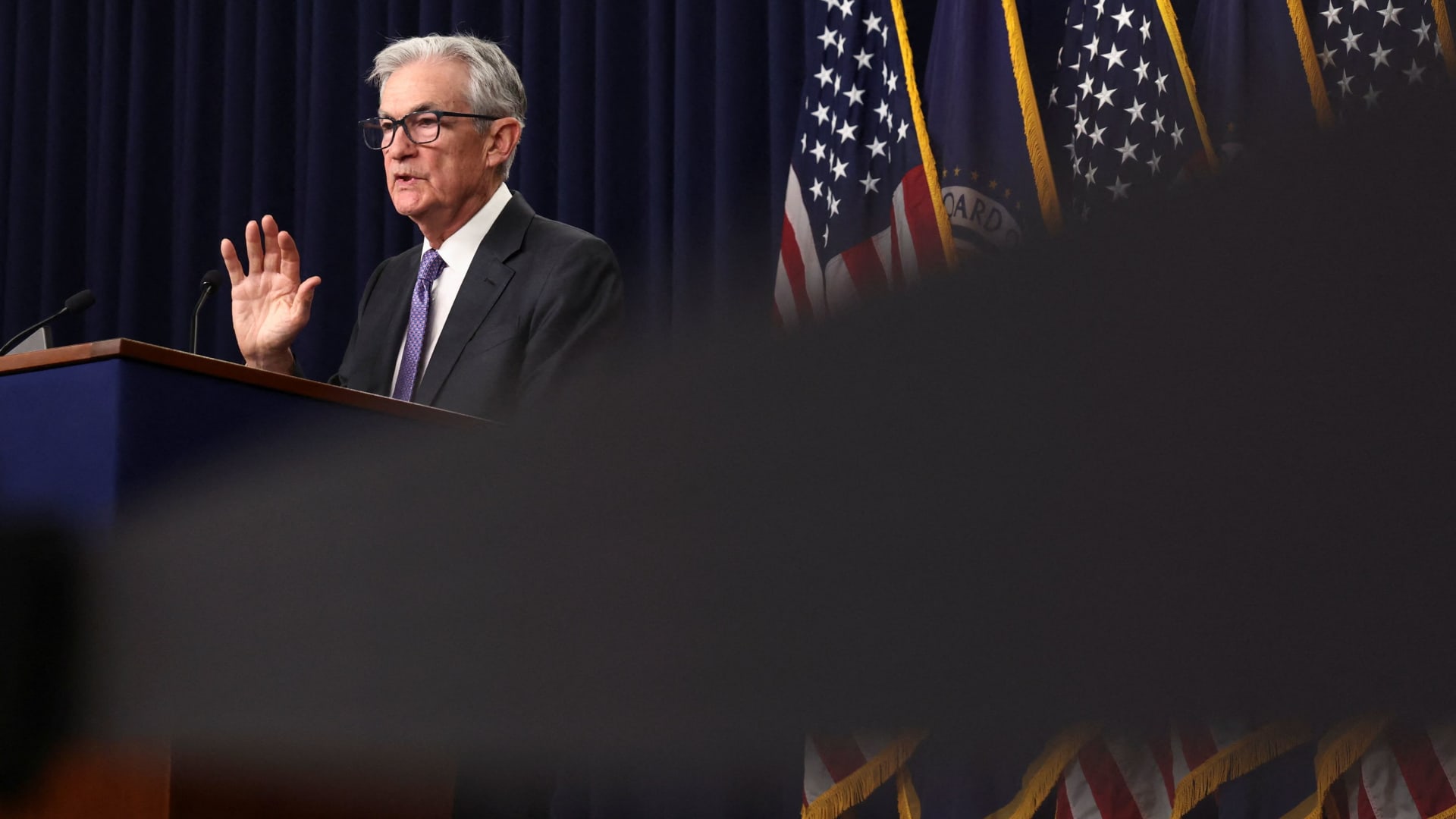
Disney's New CEO Takes Office


- New CEO Appointment: Josh D'Amaro officially takes over as Disney's CEO today, succeeding Bob Iger, marking a significant leadership change that could influence the company's strategic direction and market performance.
- Fed Policy Expectations: Federal Reserve Chair Jerome Powell is set to hold a press conference, with markets largely expecting interest rates to remain between 3.5% and 3.75%, as inflation and labor market uncertainties complicate future policy decisions.
- Macy's Sales Warning: Despite Macy's fourth-quarter results beating expectations and a 9% stock price increase, the company has issued a cautious outlook for the fiscal year, forecasting lower sales and earnings per share than last year, indicating a wary stance towards market conditions.
- Rising Oil Prices Impact: Brent crude prices rose 3.2%, surpassing $103 per barrel, pushing U.S. diesel prices above $5 for the first time, reflecting the ongoing impact of the Iran conflict on energy markets.
See More

Disney Welcomes New CEO Josh D'Amaro
- New CEO Appointment: Josh D'Amaro officially takes over as Disney's CEO today, succeeding Bob Iger, which marks a significant leadership change that is expected to influence the company's strategic direction and market performance.
- Positive Market Reaction: Macy's shares rose 9% after beating fourth-quarter expectations, yet the company provided a cautious outlook for fiscal year sales and earnings per share, indicating uncertainty in the retail sector.
- Rising Oil Prices: Brent crude oil prices increased by 3.2%, surpassing $103 per barrel, pushing U.S. diesel prices above $5 for the first time, reflecting the ongoing impact of the Iran conflict on global energy markets.
- Strong Semiconductor Sector: Micron anticipates a 148% year-over-year revenue growth for its second-quarter earnings, with shares up over 60% this year, highlighting a robust rebound in demand for AI memory storage, solidifying its position in the tech industry.
See More
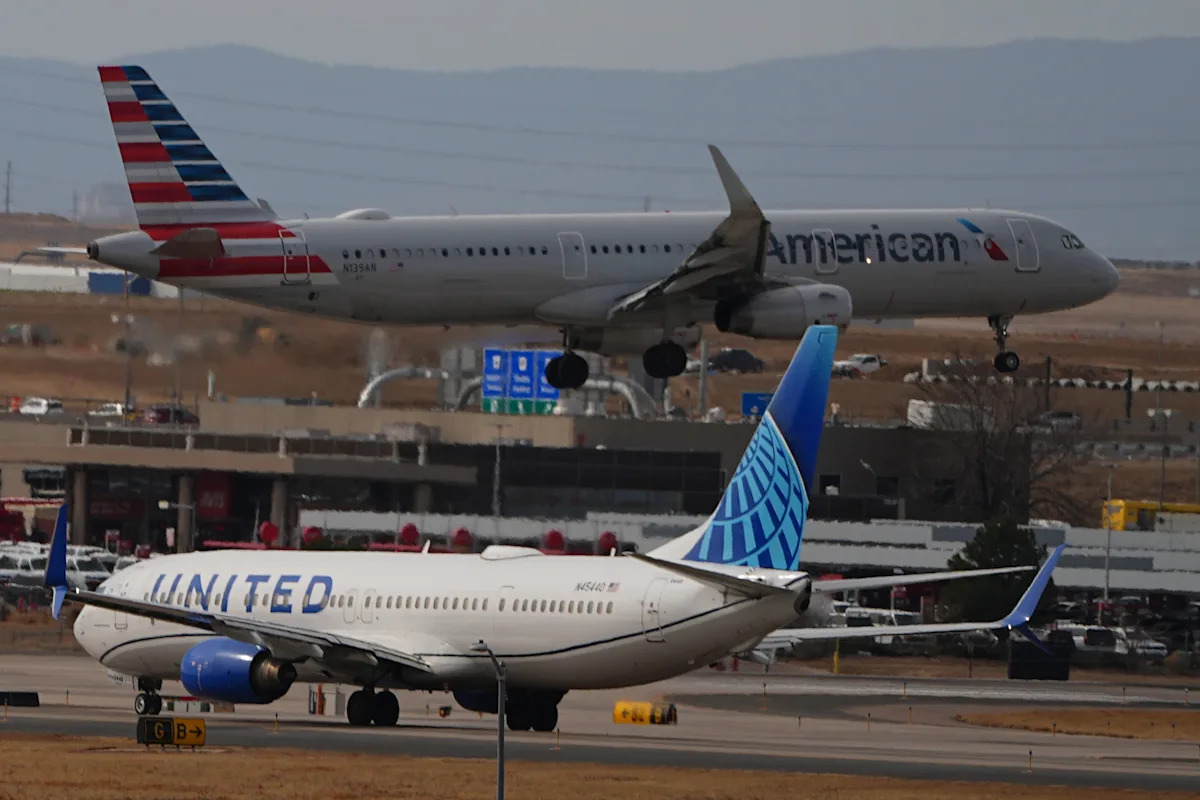
US Airlines Brace for Rising Jet Fuel Costs Amid Strong Demand
- Rising Fuel Costs: Since the outbreak of the Middle East war on February 28, jet fuel prices have surged from $2.50 to $3.93, resulting in an additional $400 million in expenses for airlines, yet they do not expect significant impacts on quarterly profits.
- Strong Ticket Sales: Delta's CEO noted that eight of the top ten days for ticket sales occurred this year, indicating robust market demand that helps offset rising fuel costs.
- Sustained Market Demand: CEOs from American Airlines and United Airlines reported similar sales trends, with expectations of high demand continuing through April and May, suggesting consumers are locking in lower fares ahead of the busy summer travel season.
- Price Adjustment Expectations: Industry analysts indicate that fare increases are inevitable, particularly affecting long-haul international routes, with airlines likely to adjust base fares or ancillary fees in response to rising fuel costs.
See More

Stock Market Rises Despite Soaring Oil Prices

- Market Trend Shift: The stock market rose even as oil prices increased by 3%, with the S&P 500 gaining 0.25%, indicating a shift in investor focus towards company fundamentals and a change in market sentiment.
- Strong Airline Performance: Delta Air Lines CEO Ed Bastian reported strong demand, leading to a 6.5% increase in Delta's stock price despite rising oil costs, showcasing the resilience of the airline sector and a recovery in market confidence.
- Private Equity Rebound: Stocks of private equity firms like Blackstone and Apollo surged as investors reassessed concerns around private credit, signaling a growing optimism in this sector.
- Nvidia Stock Decline: Despite strong announcements at the GTC event, Nvidia's stock fell by 0.7%, reflecting cautious market sentiment towards new investments, although analysts believe this will lead to higher stock prices in the future.
See More

US Stocks Rise Slightly Amid Oil Price Surge


- Market Performance: The S&P 500 Index rose by 0.25%, the Dow Jones Industrial Average increased by 0.10%, and the Nasdaq 100 Index climbed by 0.51%, reflecting strong performances from chipmakers and travel stocks, despite signs of a slowdown in hiring impacting market sentiment.
- Oil Price Surge: WTI crude oil prices jumped over 2% due to renewed Iranian attacks on key energy infrastructure, leading to expectations of an 8 million bpd reduction in global oil supply this month, which adds to market uncertainty and inflation concerns.
- Fed Policy Expectations: The market anticipates that the Federal Reserve will keep the federal funds target range unchanged at the upcoming FOMC meeting, even as the core PCE price index remains above target levels, indicating persistent inflationary pressures.
- Airline Stock Recovery: Delta Air Lines saw its stock rise over 6% after raising its Q1 revenue forecast, indicating signs of recovery in the airline sector amid rising fuel costs, with travel and hotel stocks also benefiting from increased bookings.
See More
Delta Air Lines Maintains Q1 Guidance Amid Rising Jet Fuel Prices
- Q1 Performance Guidance: Delta Air Lines CEO Ed Bastian stated that despite rising jet fuel prices due to the war in Iran, the company is maintaining its Q1 EPS guidance of 50 to 90 cents, reflecting confidence in future performance.
- Strong Revenue Growth: Bastian noted that despite a $400 million hit in Q4, strong demand has led to revenue growth exceeding expectations, with a forecasted sales increase of up to 7% in Q1.
- Customer Demand Recovery: Delta has recorded eight of its top ten sales days in history this quarter, particularly in the last week of March, indicating robust demand from high-spending and corporate customers, with a 25% year-over-year increase in bookings.
- Positive Market Reaction: Delta's stock rose nearly 4% in premarket trading, reflecting investor confidence in the company's ability to maintain profitability amid high fuel costs and challenging weather conditions.
See More
Disney's New CEO Takes Office
- New CEO Appointment: Josh D'Amaro officially takes over as Disney's CEO today, succeeding Bob Iger, marking a significant leadership change that could influence the company's strategic direction and market performance.
- Fed Policy Expectations: Federal Reserve Chair Jerome Powell is set to hold a press conference, with markets largely expecting interest rates to remain between 3.5% and 3.75%, as inflation and labor market uncertainties complicate future policy decisions.
- Macy's Sales Warning: Despite Macy's fourth-quarter results beating expectations and a 9% stock price increase, the company has issued a cautious outlook for the fiscal year, forecasting lower sales and earnings per share than last year, indicating a wary stance towards market conditions.
- Rising Oil Prices Impact: Brent crude prices rose 3.2%, surpassing $103 per barrel, pushing U.S. diesel prices above $5 for the first time, reflecting the ongoing impact of the Iran conflict on energy markets.
See More
Disney Welcomes New CEO Josh D'Amaro
- New CEO Appointment: Josh D'Amaro officially takes over as Disney's CEO today, succeeding Bob Iger, which marks a significant leadership change that is expected to influence the company's strategic direction and market performance.
- Positive Market Reaction: Macy's shares rose 9% after beating fourth-quarter expectations, yet the company provided a cautious outlook for fiscal year sales and earnings per share, indicating uncertainty in the retail sector.
- Rising Oil Prices: Brent crude oil prices increased by 3.2%, surpassing $103 per barrel, pushing U.S. diesel prices above $5 for the first time, reflecting the ongoing impact of the Iran conflict on global energy markets.
- Strong Semiconductor Sector: Micron anticipates a 148% year-over-year revenue growth for its second-quarter earnings, with shares up over 60% this year, highlighting a robust rebound in demand for AI memory storage, solidifying its position in the tech industry.
See More
US Airlines Brace for Rising Jet Fuel Costs Amid Strong Demand
- Rising Fuel Costs: Since the outbreak of the Middle East war on February 28, jet fuel prices have surged from $2.50 to $3.93, resulting in an additional $400 million in expenses for airlines, yet they do not expect significant impacts on quarterly profits.
- Strong Ticket Sales: Delta's CEO noted that eight of the top ten days for ticket sales occurred this year, indicating robust market demand that helps offset rising fuel costs.
- Sustained Market Demand: CEOs from American Airlines and United Airlines reported similar sales trends, with expectations of high demand continuing through April and May, suggesting consumers are locking in lower fares ahead of the busy summer travel season.
- Price Adjustment Expectations: Industry analysts indicate that fare increases are inevitable, particularly affecting long-haul international routes, with airlines likely to adjust base fares or ancillary fees in response to rising fuel costs.
See More
Stock Market Rises Despite Soaring Oil Prices
- Market Trend Shift: The stock market rose even as oil prices increased by 3%, with the S&P 500 gaining 0.25%, indicating a shift in investor focus towards company fundamentals and a change in market sentiment.
- Strong Airline Performance: Delta Air Lines CEO Ed Bastian reported strong demand, leading to a 6.5% increase in Delta's stock price despite rising oil costs, showcasing the resilience of the airline sector and a recovery in market confidence.
- Private Equity Rebound: Stocks of private equity firms like Blackstone and Apollo surged as investors reassessed concerns around private credit, signaling a growing optimism in this sector.
- Nvidia Stock Decline: Despite strong announcements at the GTC event, Nvidia's stock fell by 0.7%, reflecting cautious market sentiment towards new investments, although analysts believe this will lead to higher stock prices in the future.
See More
US Stocks Rise Slightly Amid Oil Price Surge
- Market Performance: The S&P 500 Index rose by 0.25%, the Dow Jones Industrial Average increased by 0.10%, and the Nasdaq 100 Index climbed by 0.51%, reflecting strong performances from chipmakers and travel stocks, despite signs of a slowdown in hiring impacting market sentiment.
- Oil Price Surge: WTI crude oil prices jumped over 2% due to renewed Iranian attacks on key energy infrastructure, leading to expectations of an 8 million bpd reduction in global oil supply this month, which adds to market uncertainty and inflation concerns.
- Fed Policy Expectations: The market anticipates that the Federal Reserve will keep the federal funds target range unchanged at the upcoming FOMC meeting, even as the core PCE price index remains above target levels, indicating persistent inflationary pressures.
- Airline Stock Recovery: Delta Air Lines saw its stock rise over 6% after raising its Q1 revenue forecast, indicating signs of recovery in the airline sector amid rising fuel costs, with travel and hotel stocks also benefiting from increased bookings.
See More