CVS Health Partners with Google Cloud for Health100 Initiative


CVS Health (CVS) and Google Cloud (GOOG, GOOGL) announced a new strategic partnership that aims to reimagine health care experiences, increase consumer engagement, and ultimately support better health outcomes. Central to the partnership is CVS Health's launch of Health100, a health technology services subsidiary, that will deliver an integrated health care engagement platform for consumers, regardless of which pharmacy, care provider, medical insurance company, pharmacy benefits manager and digital health solution providers they use. The Health100 consumer engagement platform will use built-in agentic AI, to provide a real-time, omni-channel experience. This will give consumers an always-on personal health care partner. The platform is being developed to enable consumers to take full ownership of their health and care, provide real-time proactive support to stay on track to achieve better health, offer faster and expanded access to care, empower them with cost transparency and ways to reduce out-of-pocket spend, and eliminate stressful health care homework. Health100 also will serve as the conduit to pharmacist-led care management to leverage an integral, underutilized and trusted clinical touch point.
Trade with 70% Backtested Accuracy
Analyst Views on CVS

About CVS
About the author


Omnicare Enters Asset Purchase Agreement with GenieRx
- Asset Purchase Agreement: Omnicare has entered into an asset purchase agreement with GenieRx Holdings, which will act as the 'stalking horse bidder' in the company's court-supervised sale process, marking a significant step forward in the ongoing restructuring efforts.
- Bidding Deadline: Interested parties must submit competing bids by April 30, 2026, and if qualified bids are received, an auction is expected on May 5, 2026, potentially increasing the final sale price of Omnicare's assets through competitive offers.
- Ongoing Customer Support: Throughout the sale process, Omnicare remains focused on supporting its customers and ensuring residents receive safe and reliable pharmacy care, while addressing the complexities of long-term care through transparent pricing and clinical programs.
- Strategic Partnership Model: Omnicare emphasizes a partnership-driven approach to pharmacy services for assisted living communities, aimed at enhancing resident care quality and communication experiences, which will help the company maintain its competitive edge in an increasingly complex healthcare environment.

Healthcare Stocks Performance in Economic Recession

- Defensive Healthcare Advantage: Large-cap healthcare stocks like Johnson & Johnson and CVS Health exhibit strong performance during economic downturns, with low beta values (0.33 for JNJ and 0.46 for CVS) indicating smaller losses during market declines, thus providing a stable income source for risk-averse investors.
- Rising Recession Risks: The ongoing conflict in Iran has led to soaring energy and food prices, increasing the risk of a global economic recession, prompting investors to gravitate towards healthcare stocks to mitigate potential market volatility and uncertainty.
- High-Risk, High-Reward Strategy: Smaller healthcare companies such as Grail and Viking Therapeutics present high-risk, high-reward investment opportunities; despite Grail's multi-cancer early detection test failing to meet primary endpoints, follow-up data could potentially shift market perceptions positively.
- Portfolio Diversification: In light of increasing economic uncertainty, building a diversified portfolio of small healthcare companies can effectively mitigate stock-specific risks, particularly those reliant on clinical trial outcomes, which may offer potential returns amidst market fluctuations.

Iran Conflict Raises Recession Risks Amid Inflation
- Recession Risk: The ongoing conflict in Iran is causing inflationary pressures from soaring energy and food prices, complicating global economic challenges and increasing investor interest in healthcare stocks as a defensive measure.
- Defensive Healthcare Stocks: Large-cap pharmaceutical company Johnson & Johnson (JNJ) and integrated healthcare company CVS Health are viewed as defensive stocks, with JNJ's beta at 0.33 and CVS at 0.46, indicating their relative stability during economic downturns.
- Opportunities in Small-Cap Stocks: Investors may consider small- and mid-cap healthcare companies whose growth relies on binary events like clinical trial results, as successful firms can offset losses from others, despite the inherent risks.
- Investment Strategy Choices: Risk-averse investors may prefer low-beta defensive stocks, while risk-seeking investors might opt for high-risk, high-reward healthcare stocks to navigate potential recessionary pressures.

U.S. Adds 178K Jobs in March, Unemployment Rate Dips to 4.3%

- Labor Market Recovery: The U.S. added 178,000 nonfarm jobs in March, significantly surpassing the Dow Jones estimate of 59,000, indicating signs of economic recovery despite the persistent slow-growth trend.
- Sector Growth Highlights: The healthcare sector was the largest contributor, adding 76,000 jobs, with 54,000 coming from returning workers post-strike, suggesting a rebound in this sector after facing short-term challenges.
- Unemployment Rate Changes: Although the unemployment rate dipped slightly to 4.3%, the labor force participation rate fell to 61.9% due to a decline of 396,000 individuals, reflecting underlying pressures in the job market.
- Wage Growth Slowdown: Average hourly earnings rose by only 0.2% in March, with a year-over-year increase of 3.5%, both below expectations, indicating that sluggish wage growth may impact consumer spending and overall economic growth.
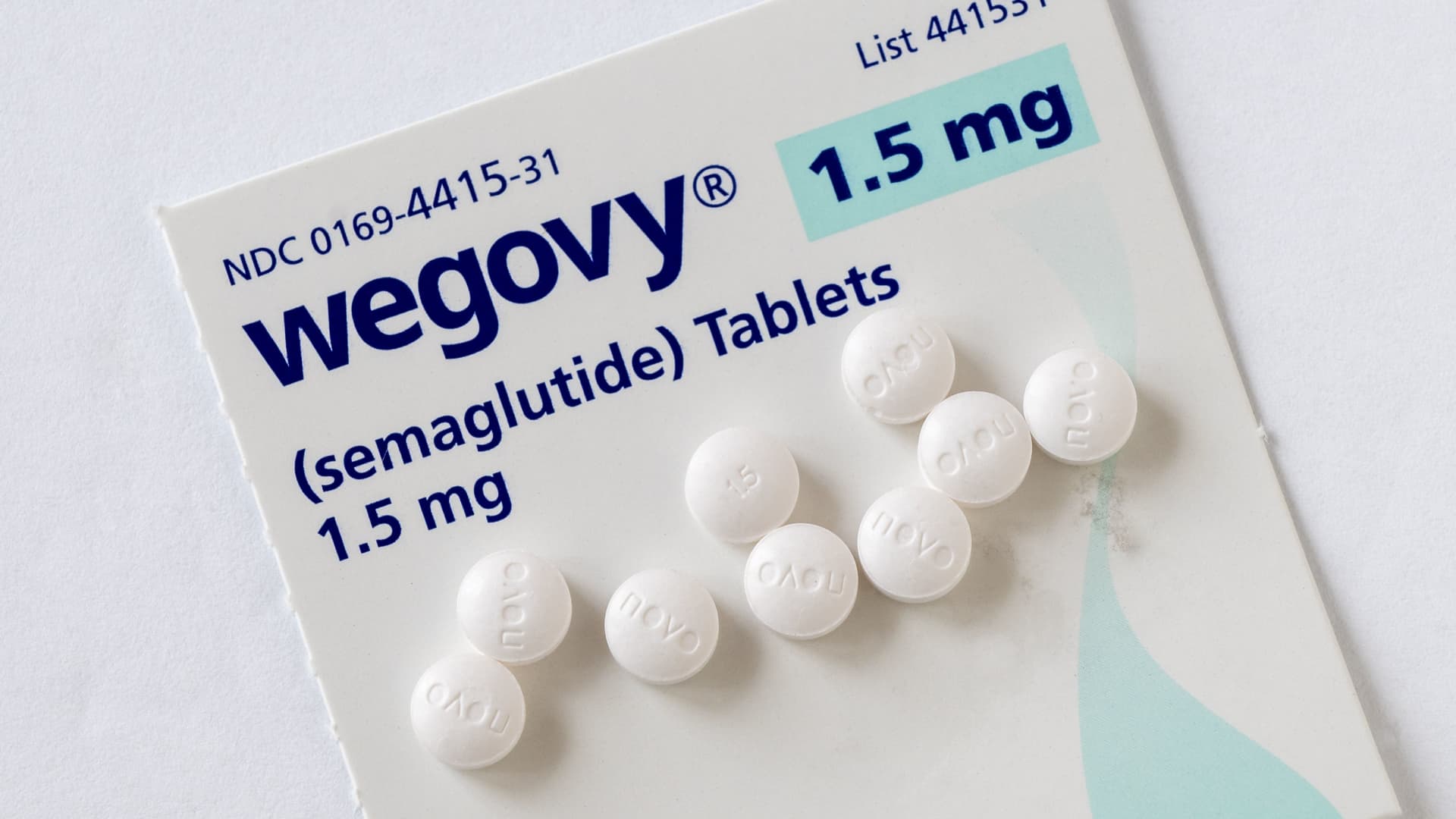
Wegovy Pill Shows Superior Weight Loss Over Foundayo

- Weight Loss Efficacy: The Wegovy pill demonstrated significantly greater mean weight loss of 16.6% compared to Eli Lilly's Foundayo, which showed only 12.4%, indicating Wegovy's competitive edge in the weight-loss drug market.
- Patient Preference Insights: An analysis by Novo revealed that 84% of patients preferred the drug profile of Wegovy, highlighting strong patient recognition of its lifestyle compatibility, which provides robust support for Novo's market promotion efforts.
- Market Competition Dynamics: The launch of the Wegovy pill is seen as the beginning of a new era in weight-loss medications; however, analysts note that the rapid increase in prescriptions may slow down as Foundayo approaches its market entry, potentially impacting Wegovy's market share.
- Side Effect Comparison: Recent studies indicate that Wegovy outperforms Foundayo in terms of discontinuation rates, with the latter associated with about 14 times higher odds of stopping treatment due to side effects, providing Wegovy with a crucial differentiation advantage in the increasingly competitive anti-obesity drug market.

Trump's Address Triggers Market Volatility
- Oil Price Surge: Trump's address indicated that the U.S. would strike Iran
Omnicare Enters Asset Purchase Agreement with GenieRx
- Asset Purchase Agreement: Omnicare has entered into an asset purchase agreement with GenieRx Holdings, which will act as the 'stalking horse bidder' in the company's court-supervised sale process, marking a significant step forward in the ongoing restructuring efforts.
- Bidding Deadline: Interested parties must submit competing bids by April 30, 2026, and if qualified bids are received, an auction is expected on May 5, 2026, potentially increasing the final sale price of Omnicare's assets through competitive offers.
- Ongoing Customer Support: Throughout the sale process, Omnicare remains focused on supporting its customers and ensuring residents receive safe and reliable pharmacy care, while addressing the complexities of long-term care through transparent pricing and clinical programs.
- Strategic Partnership Model: Omnicare emphasizes a partnership-driven approach to pharmacy services for assisted living communities, aimed at enhancing resident care quality and communication experiences, which will help the company maintain its competitive edge in an increasingly complex healthcare environment.
Healthcare Stocks Performance in Economic Recession
- Defensive Healthcare Advantage: Large-cap healthcare stocks like Johnson & Johnson and CVS Health exhibit strong performance during economic downturns, with low beta values (0.33 for JNJ and 0.46 for CVS) indicating smaller losses during market declines, thus providing a stable income source for risk-averse investors.
- Rising Recession Risks: The ongoing conflict in Iran has led to soaring energy and food prices, increasing the risk of a global economic recession, prompting investors to gravitate towards healthcare stocks to mitigate potential market volatility and uncertainty.
- High-Risk, High-Reward Strategy: Smaller healthcare companies such as Grail and Viking Therapeutics present high-risk, high-reward investment opportunities; despite Grail's multi-cancer early detection test failing to meet primary endpoints, follow-up data could potentially shift market perceptions positively.
- Portfolio Diversification: In light of increasing economic uncertainty, building a diversified portfolio of small healthcare companies can effectively mitigate stock-specific risks, particularly those reliant on clinical trial outcomes, which may offer potential returns amidst market fluctuations.
Iran Conflict Raises Recession Risks Amid Inflation
- Recession Risk: The ongoing conflict in Iran is causing inflationary pressures from soaring energy and food prices, complicating global economic challenges and increasing investor interest in healthcare stocks as a defensive measure.
- Defensive Healthcare Stocks: Large-cap pharmaceutical company Johnson & Johnson (JNJ) and integrated healthcare company CVS Health are viewed as defensive stocks, with JNJ's beta at 0.33 and CVS at 0.46, indicating their relative stability during economic downturns.
- Opportunities in Small-Cap Stocks: Investors may consider small- and mid-cap healthcare companies whose growth relies on binary events like clinical trial results, as successful firms can offset losses from others, despite the inherent risks.
- Investment Strategy Choices: Risk-averse investors may prefer low-beta defensive stocks, while risk-seeking investors might opt for high-risk, high-reward healthcare stocks to navigate potential recessionary pressures.
U.S. Adds 178K Jobs in March, Unemployment Rate Dips to 4.3%
- Labor Market Recovery: The U.S. added 178,000 nonfarm jobs in March, significantly surpassing the Dow Jones estimate of 59,000, indicating signs of economic recovery despite the persistent slow-growth trend.
- Sector Growth Highlights: The healthcare sector was the largest contributor, adding 76,000 jobs, with 54,000 coming from returning workers post-strike, suggesting a rebound in this sector after facing short-term challenges.
- Unemployment Rate Changes: Although the unemployment rate dipped slightly to 4.3%, the labor force participation rate fell to 61.9% due to a decline of 396,000 individuals, reflecting underlying pressures in the job market.
- Wage Growth Slowdown: Average hourly earnings rose by only 0.2% in March, with a year-over-year increase of 3.5%, both below expectations, indicating that sluggish wage growth may impact consumer spending and overall economic growth.
Wegovy Pill Shows Superior Weight Loss Over Foundayo
- Weight Loss Efficacy: The Wegovy pill demonstrated significantly greater mean weight loss of 16.6% compared to Eli Lilly's Foundayo, which showed only 12.4%, indicating Wegovy's competitive edge in the weight-loss drug market.
- Patient Preference Insights: An analysis by Novo revealed that 84% of patients preferred the drug profile of Wegovy, highlighting strong patient recognition of its lifestyle compatibility, which provides robust support for Novo's market promotion efforts.
- Market Competition Dynamics: The launch of the Wegovy pill is seen as the beginning of a new era in weight-loss medications; however, analysts note that the rapid increase in prescriptions may slow down as Foundayo approaches its market entry, potentially impacting Wegovy's market share.
- Side Effect Comparison: Recent studies indicate that Wegovy outperforms Foundayo in terms of discontinuation rates, with the latter associated with about 14 times higher odds of stopping treatment due to side effects, providing Wegovy with a crucial differentiation advantage in the increasingly competitive anti-obesity drug market.
Trump's Address Triggers Market Volatility
- Oil Price Surge: Trump's address indicated that the U.S. would strike Iran